
When you choose cookware, safety is probably at the top of your mind. You want to make sure the pots and pans you use every day won’t harm you or your family.
Hard anodized nonstick cookware has become popular for its durability and easy cooking experience, but you might be wondering: how safe is it really? You’ll discover the facts behind hard anodized nonstick cookware, what makes it different, and whether it’s a smart choice for your kitchen.
Keep reading to find out if this cookware can give you the peace of mind you deserve while cooking your favorite meals.
Hard Anodized Cookware Basics
Hard anodized cookware is popular for its strength and durability. It offers a tough surface that resists scratches and dents. This cookware type combines aluminum’s light weight with a hard finish. Understanding its basics helps assess safety and performance.
Let’s explore the material, how it’s made, and what its surface is like.
Material Composition
Hard anodized cookware starts with aluminum. Aluminum is light and conducts heat well. The aluminum is treated to become hard and resistant. This process changes the metal’s surface, making it non-reactive. It does not release harmful chemicals while cooking.
Manufacturing Process
The cookware goes through an electrochemical process called anodizing. This step thickens the aluminum’s natural oxide layer. The thick layer is much harder than regular aluminum. It protects the pan from scratches and corrosion. The result is a strong, long-lasting cookware surface.
Surface Characteristics
The surface of hard anodized cookware is smooth and hard. It is often coated with a nonstick layer for easy cooking. This coating helps food release without sticking. The surface resists damage from metal utensils better than many pans. It stays safe and effective even after long use.

Credit: www.youtube.com
Nonstick Coating Features
Nonstick coating is a key feature of hard anodized cookware. It helps food cook without sticking. This makes cleaning easy and cooking safer. Understanding these coatings helps you choose the best cookware.
Types Of Nonstick Surfaces
Hard anodized cookware often uses PTFE-based nonstick coatings. PTFE is a chemical that stops food from sticking. Some pans use ceramic coatings as a natural alternative. Ceramic coatings are free from harmful chemicals. Each type has benefits and limits. Choose based on your cooking style and safety needs.
Durability And Scratch Resistance
Hard anodized cookware has a tough outer layer. This layer protects the nonstick surface from scratches. It lasts longer than regular nonstick pans. Avoid metal utensils to keep the coating safe. Use wood or silicone tools instead. Proper care extends the life of your cookware.
Heat Tolerance Levels
Nonstick coatings work well at medium heat. High heat can damage the coating and release fumes. Hard anodized pans usually handle heat better than regular nonstick pans. Keep heat below 500°F to protect the coating. Safe cooking means using the right temperature for your pan.
Health And Safety Concerns
Health and safety concerns play a big role in choosing cookware. Many people worry about how safe hard anodized nonstick cookware really is. It is important to know what risks, if any, exist. This helps you cook with peace of mind.
Chemical Leaching Risks
Hard anodized cookware has a strong surface. This surface stops chemicals from leaking into food. Unlike some other pans, it does not chip easily. This lowers the chance of harmful substances mixing with your meals.
The nonstick coating is designed to be stable. It does not break down under normal use. This means fewer chemicals get into your food. The risk of leaching is very low with good quality pans.
Toxicity Of Coating Materials
The coatings on hard anodized pans are usually safe. They often use materials like PTFE. PTFE is safe at normal cooking temperatures. It does not release toxic fumes unless overheated.
Hard anodized pans do not contain harmful metals like lead or cadmium. This makes them safer than some older cookware types. Check product labels to confirm no unsafe materials are present.
Impact Of High-temperature Cooking
High heat can affect nonstick coatings. If the pan gets too hot, coatings may break down. This can release fumes that are not safe to breathe.
Hard anodized pans handle heat better than many nonstick options. Still, avoid heating empty pans or using very high flames. Use medium heat to protect the coating and your health.
:max_bytes(150000):strip_icc()/faw-product-kitchenaid-hard-anodized-induction-10-piece-nonstick-cookware-set-14-wdickey-267-9b89ff5018cb4aca8cc6fa57ed6fd878.jpeg)
Credit: www.foodandwine.com
Comparing With Other Cookware
Choosing the right cookware affects your health and cooking quality. Hard anodized nonstick pans offer a good balance of safety and performance. Comparing them with other popular cookware helps you understand their benefits and limits.
Each type has different materials and coatings. These affect durability, heat distribution, and potential health risks. Let’s explore how hard anodized nonstick pans stand against other options.
Traditional Nonstick Pans
Traditional nonstick pans use a coating called PTFE. This coating can release harmful fumes if overheated. Hard anodized pans have a tougher surface that resists scratches better. They do not release toxic chemicals easily. This makes them safer for everyday cooking.
Stainless Steel And Cast Iron
Stainless steel and cast iron are very durable. They do not have nonstick coatings. These pans need more oil to cook food without sticking. Cast iron adds iron to your food, which can be good for health. Hard anodized pans heat quickly and clean easily. They are lighter and need less maintenance than cast iron.
Ceramic Alternatives
Ceramic pans use a natural, nonstick surface without chemicals. They are safe at higher temperatures. However, ceramic coatings can chip and wear out faster. Hard anodized pans last longer and resist damage better. Both options avoid harmful chemicals found in some older nonstick pans.
Care And Maintenance Tips
Hard anodized nonstick cookware is durable but needs proper care. Following simple maintenance steps keeps it safe and effective. Proper care also protects the surface and improves cooking results. Here are key tips to maintain your cookware well.
Cleaning Best Practices
Clean your cookware after each use. Use warm water and mild dish soap. Avoid harsh cleaners or steel wool. These can scratch the nonstick surface. A soft sponge or cloth works best. Let the pan cool before washing. Sudden temperature changes can damage the coating.
Avoiding Damage And Wear
Use wooden, silicone, or plastic utensils to protect the surface. Metal tools can cause scratches. Avoid high heat settings during cooking. Hard anodized cookware heats evenly at medium or low heat. Do not stack pans without protection. Place a cloth between them to prevent scratches.
Extending Cookware Lifespan
Store cookware in a dry place to prevent rust. Season your pans occasionally with a small amount of oil. This maintains the nonstick layer. Check the surface regularly for signs of wear. Replace cookware if the coating peels or chips. Proper care helps your cookware last for years.
Consumer Reviews And Studies
Consumer reviews and scientific studies help us understand the safety of hard anodized nonstick cookware. People share their real-life experiences, while researchers test the materials in labs. Experts also give advice based on facts and evidence. This section looks at these three views to help you decide if this cookware is safe for your kitchen.
User Experiences
Many users say hard anodized nonstick pans heat evenly and clean easily. They report no peeling or flaking after months of use. Some mention the pans resist scratches better than regular nonstick ones. Few users worry about chemicals, but most feel safe using these products. Overall, user feedback shows satisfaction with durability and safety.
Scientific Research Findings
Studies show hard anodized cookware has a strong surface that resists damage. Tests find no harmful chemicals released when cooking at normal temperatures. The anodized layer blocks aluminum from leaching into food. Research confirms this cookware stays stable, even under high heat. These findings support its safety for everyday cooking.
Expert Recommendations
Chefs and health experts recommend hard anodized cookware for its durability. They say it offers a safer option than traditional nonstick pans. Experts advise avoiding metal utensils to keep the surface intact. They also suggest using moderate heat to prolong the pan’s life. Their advice helps users keep cooking safe and effective.
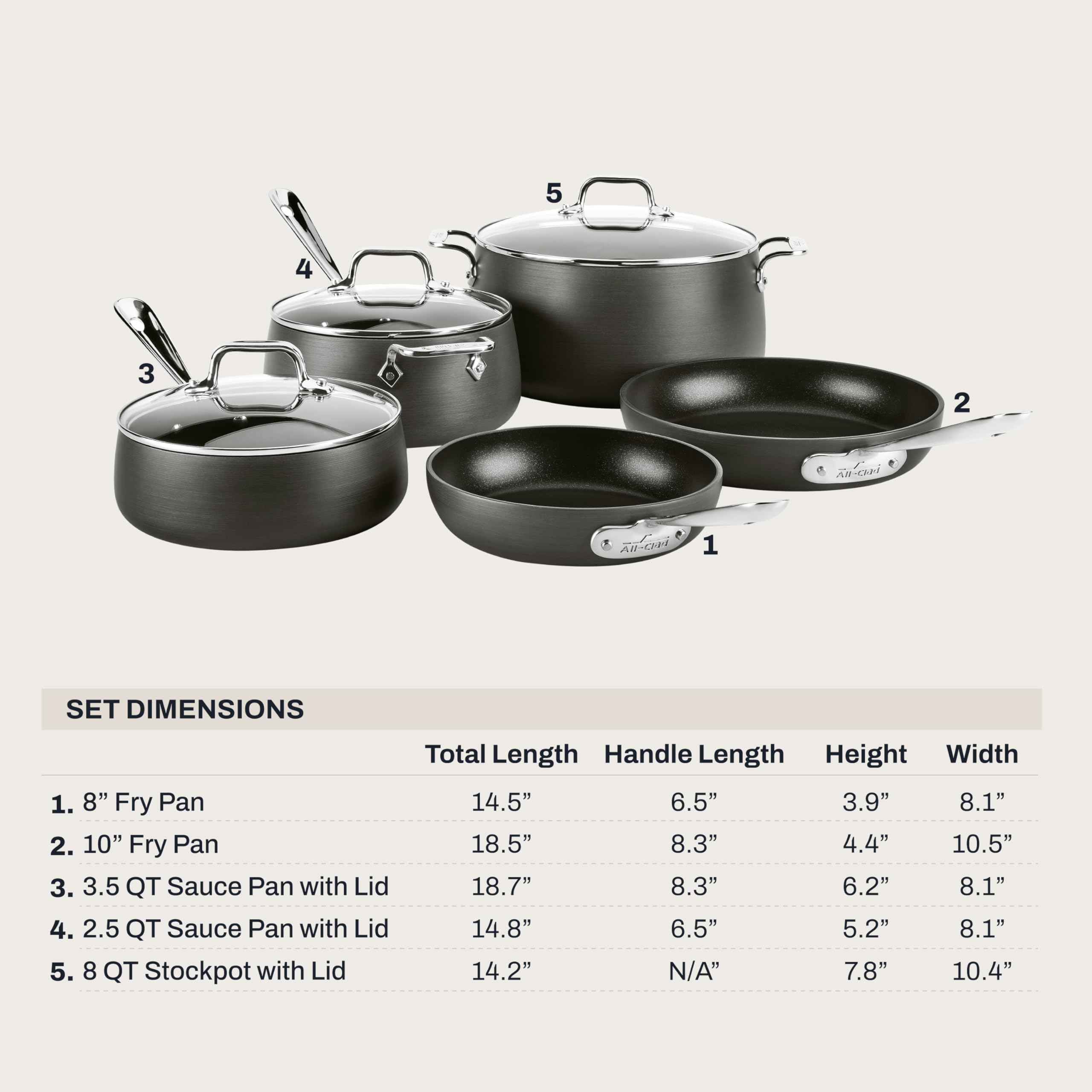
Credit: www.amazon.com
Frequently Asked Questions
Is Hard Anodized Nonstick Cookware Safe For Daily Use?
Yes, hard anodized nonstick cookware is safe for daily use. It has a durable, non-reactive surface that resists scratches. It does not release harmful chemicals when heated properly. Always avoid overheating to maintain safety and longevity.
Does Hard Anodized Cookware Contain Harmful Chemicals?
Hard anodized cookware does not contain harmful chemicals like PFOA or PTFE. Its surface is created by electrochemical oxidation, making it non-toxic. This process results in a hard, nonstick coating that is safe and eco-friendly.
Can Hard Anodized Cookware Withstand High Temperatures?
Yes, hard anodized cookware can withstand high temperatures up to 500°F (260°C). It is more heat resistant than traditional nonstick pans. However, avoid overheating to prevent damage and maintain the nonstick surface.
How To Clean Hard Anodized Nonstick Cookware Safely?
Clean hard anodized cookware with warm, soapy water and a soft sponge. Avoid abrasive cleaners and steel wool to prevent surface damage. Hand washing preserves the nonstick coating and extends the cookware’s lifespan.
Conclusion
Hard anodized nonstick cookware offers good safety for everyday cooking. Its tough surface resists scratches and prevents harmful chemicals from leaching. Cleaning is easy, reducing bacteria risks. Avoid overheating to keep the coating intact and safe. Choose quality brands for better durability and health standards.
This cookware blends convenience with safety for your kitchen needs. Safe cooking, simple care, and long use—what more do you want?

Hello, This is Annie Walker, a 38-year-old blogger, founder, and editor of Cookware Guider from NY, USA. I am a cookware fanatic and passionate cooker. I love to cook with different types of cooking appliances (example: all types of cookware, rice cookers, slow cookers, etc) almost every day in my kitchen. I love to share my experience with my readers in my blog. Also, I enjoy helping people to solve their problems through my website. You can follow me on Twitter & Pinterest. To know details about my blog please check the about us page.