
If you own cast aluminum cookware, you know how great it is for cooking your favorite meals evenly and quickly. But to keep your pots and pans looking and working their best, you need to give them the right care.
Without proper attention, your cookware can lose its shine, stickiness can build up, and cooking performance can drop. In this guide, you’ll discover simple and effective ways to clean, maintain, and protect your cast aluminum cookware so it lasts for years.
Ready to make your kitchen tools shine like new? Let’s dive in!
Choosing Cast Aluminum Cookware
Choosing cast aluminum cookware requires understanding its features and how it fits your cooking needs. Cast aluminum heats quickly and evenly, making it a popular choice for many kitchens. This type of cookware offers durability and ease of use, but selecting the right piece depends on its benefits, types, and coatings. Knowing these details helps you pick cookware that lasts and performs well.
Benefits Of Cast Aluminum
Cast aluminum cookware offers several advantages that make it a smart choice for everyday cooking. It heats up fast, which saves time and energy. The heat spreads evenly across the surface, preventing hot spots that can burn food.
Key benefits include:
- Lightweight: Easier to handle than cast iron or stainless steel.
- Durable: Resistant to warping and cracking under normal use.
- Good heat conduction: Cooks food evenly for better results.
- Affordable: Generally less expensive than other heavy-duty cookware.
- Corrosion resistant: Lasts longer with proper care.
Here is a simple table comparing cast aluminum with other common cookware materials:
| Material | Weight | Heat Conductivity | Durability | Price |
|---|---|---|---|---|
| Cast Aluminum | Light | High | Good | Moderate |
| Cast Iron | Heavy | Moderate | Excellent | Moderate |
| Stainless Steel | Moderate | Low | Excellent | High |
Types And Coatings
Cast aluminum cookware comes in different types and coatings. Each type affects cooking performance and maintenance. Choosing the right type depends on how you cook and what you prefer.
Common types include:
- Raw cast aluminum: Uncoated, requires seasoning to prevent sticking.
- Anodized aluminum: Hard, non-reactive surface that resists scratches.
- Non-stick coated: Easy to clean, perfect for low-fat cooking.
The coatings improve durability and ease of use:
- Anodized coating: Creates a smooth, hard layer that stops food from sticking and resists corrosion.
- Non-stick coating: Requires gentle cleaning to avoid damage, ideal for delicate foods.
- Enamel coating: Adds color and prevents aluminum from reacting with acidic foods.
Here is a brief comparison of coatings:
| Coating Type | Durability | Care Needs | Best Use |
|---|---|---|---|
| Anodized | High | Hand wash preferred | Everyday cooking |
| Non-stick | Moderate | Use soft sponges only | Low-fat cooking |
| Enamel | Moderate | Avoid metal tools | Acidic foods |
Credit: www.walmart.com
Initial Cleaning And Preparation
Proper care starts with the initial cleaning and preparation of cast aluminum cookware. This step removes factory oils and residues that can affect cooking and taste. It also helps the cookware last longer and perform better. Taking time for this process ensures a clean, safe surface ready for cooking. Follow these simple steps to prepare your cookware for daily use.
Removing Manufacturing Residue
Cast aluminum cookware often carries a thin layer of protective oils or residues from the factory. These substances keep the cookware safe during shipping but can give food a strange flavor or cause smoke during the first use. Removing this residue is important.
Follow these steps to clean your cookware properly:
- Wash with warm, soapy water: Use a soft sponge and mild dish soap to scrub the entire surface.
- Rinse thoroughly: Make sure no soap remains on the cookware.
- Dry completely: Use a soft towel to avoid water spots or oxidation.
- Repeat if needed: If residue smells or feels oily, wash again.
| Step | Action | Tip |
|---|---|---|
| 1 | Wash with dish soap | Use warm water and a soft sponge |
| 2 | Rinse well | Remove all soap |
| 3 | Dry completely | Use a soft towel to prevent spots |
Cleaning removes manufacturing oils and prepares the cookware for seasoning. This step prevents food from sticking and improves the cooking surface.
Seasoning The Cookware
Seasoning cast aluminum cookware creates a natural non-stick surface. It protects the metal and helps food cook evenly. This process is simple and only takes a few minutes.
Here is how to season your cookware:
- Preheat your oven to 350°F (175°C).
- Apply a thin layer of cooking oil (vegetable or canola oil works well) on all surfaces inside and out.
- Use a paper towel to spread the oil evenly and remove excess.
- Place the cookware upside down on the oven rack.
- Put a baking sheet or foil on the lower rack to catch drips.
- Bake for 1 hour, then turn off the oven and let the cookware cool inside.
| Step | Action | Reason |
|---|---|---|
| 1 | Apply thin oil layer | Creates a protective coating |
| 2 | Bake upside down | Allows even oil baking and prevents pooling |
| 3 | Cool in oven | Helps oil bond to metal surface |
Repeat seasoning every few months or after deep cleaning. This keeps the cookware in good condition and improves cooking results.
Daily Cleaning Tips
Keeping cast aluminum cookware clean every day helps it last longer and cook better. Daily cleaning removes food bits and oils that can build up. Using the right methods protects the cookware’s surface and keeps it looking new. Simple care steps make a big difference for your pots and pans.
Safe Washing Methods
Washing cast aluminum cookware carefully prevents damage and keeps the finish smooth. Start by letting the cookware cool down before cleaning. Hot cookware can warp if placed in cold water.
- Use warm water and mild dish soap to clean the cookware.
- Soft sponges or cloths work best to avoid scratches.
- For stuck-on food, soak the pan in warm soapy water for 10-15 minutes.
- Gently scrub with a non-abrasive brush or sponge after soaking.
Here is a quick guide for safe washing:
| Step | Action | Tip |
|---|---|---|
| 1 | Cool cookware before washing | Prevents warping |
| 2 | Use warm water and mild soap | Protects the surface |
| 3 | Use soft sponge or cloth | Avoid scratches |
| 4 | Soak for stuck food | Makes cleaning easier |
Avoiding Harsh Cleaners
Harsh cleaners can ruin the finish of cast aluminum cookware. They may cause discoloration or damage the surface.
Strong chemicals like bleach, ammonia, or oven cleaners should never touch your cookware. Avoid metal scrubbers or abrasive pads. These can scratch and wear out the aluminum.
Use only gentle cleaning products designed for delicate surfaces. Natural options like baking soda mixed with water can help remove stains safely.
- Do not use bleach or ammonia-based cleaners.
- Skip metal or rough scrubbing pads.
- Try baking soda paste for tough spots (mix baking soda and water).
- Rinse thoroughly after cleaning to remove any residue.
Remember, gentle cleaning keeps your cookware safe and shiny. Harsh products cause lasting harm. Protect your investment with soft care.
Credit: www.katom.com
Preventing Damage
Cast aluminum cookware is durable but needs careful treatment to stay in good shape. Preventing damage helps keep your pans cooking evenly and looking great for years. Small scratches or dents can affect performance and cause faster wear. Sudden temperature changes can also harm the metal. Taking simple steps during use and cleaning protects your investment.
Handling Scratches And Dents
Scratches and dents reduce the cookware’s efficiency and appearance. Avoid using sharp metal tools like forks or knives directly on the surface. Instead, use wooden, silicone, or plastic utensils to protect the finish.
Here are easy ways to handle and prevent scratches and dents:
- Clean gently: Use soft sponges or cloths instead of abrasive pads.
- Store carefully: Stack pans with a cloth or paper towel between to stop scratches.
- Remove scratches: For minor scratches, buff lightly with fine steel wool or a non-abrasive cleaner.
- Fix dents: Small dents usually don’t affect cooking but avoid dropping or banging the cookware.
| Common Cause | Prevention Tip |
|---|---|
| Using metal utensils | Use wooden or silicone tools instead |
| Stacking pans without protection | Place cloth or paper towels between pans |
| Cleaning with rough scrubbers | Choose soft sponges or cloths |
Avoiding Thermal Shock
Thermal shock happens when cookware faces sudden temperature changes. This can cause warping, cracking, or damage to the cooking surface. Cast aluminum heats quickly but must cool down gradually.
Prevent thermal shock by following these tips:
- Do not place hot pans in cold water. Let them cool naturally before washing.
- Avoid moving pans directly from freezer to stovetop. Warm them up slowly at room temperature.
- Use medium heat settings. Avoid very high heat that can over-stress the metal.
- Preheat pans gradually. Start with low heat and increase step-by-step.
Use the table below to understand temperature changes to avoid:
| Scenario | Risk Level | Action |
|---|---|---|
| Hot pan into cold water | High | Allow to cool first |
| Cold pan on high heat | Medium | Preheat slowly |
| Room temp pan on medium heat | Low | Safe practice |
Storage Recommendations
Proper storage of cast aluminum cookware is essential to maintain its quality and extend its lifespan. Storing these pieces correctly prevents damage, rust, and warping. It also keeps the cookware clean and ready for use. Understanding the right methods helps protect your investment and ensures your pots and pans stay in top shape for years.
Proper Drying Techniques
Drying cast aluminum cookware thoroughly before storage is crucial. Water left on the surface can cause spots or corrosion over time. Use a soft cloth or towel to remove all moisture immediately after washing. Avoid air drying, as this may leave water marks and lead to rust on some parts like screws or handles.
Follow these steps for effective drying:
- Use a clean, dry microfiber cloth to wipe the cookware.
- Pay special attention to corners and handles where water can collect.
- Turn the cookware upside down to let any trapped water drip out.
- For faster drying, place cookware in a warm, well-ventilated area.
Here is a simple drying checklist to keep handy:
| Step | Action | Reason |
|---|---|---|
| 1 | Wipe with dry cloth | Removes surface moisture |
| 2 | Check corners and handles | Prevents trapped water buildup |
| 3 | Invert cookware | Allows water to drain out |
| 4 | Air dry in warm spot | Ensures complete drying |
Stacking And Protecting Surfaces
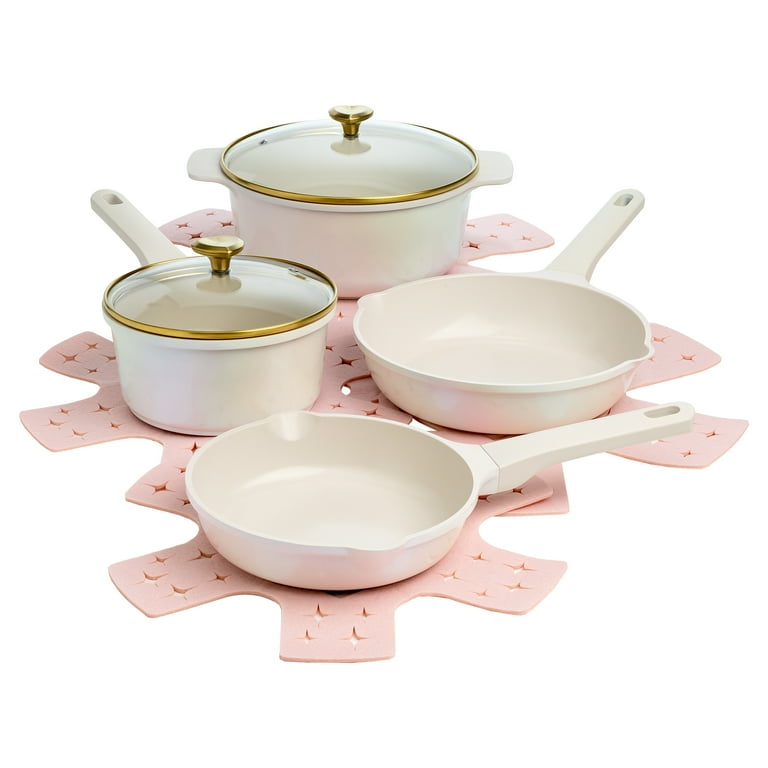
Stacking cast aluminum cookware without protection can cause scratches and dents. Use protective layers between each piece to maintain the non-stick surface and finish. Soft cloths, paper towels, or felt liners work well as cushions.
Consider these tips for safe stacking:
- Place a soft liner between each pot or pan.
- Store heavier pieces at the bottom and lighter ones on top.
- Avoid stacking too many items to prevent pressure damage.
- Keep lids separate or use a rack to avoid scratching.
Using a storage rack can help organize and protect your cookware better. Here is a comparison of popular protective materials:
| Material | Protection Level | Cost | Ease of Use |
|---|---|---|---|
| Soft Cloth | High | Low | Easy |
| Paper Towels | Medium | Low | Very Easy |
| Felt Liners | High | Medium | Easy |
| Silicone Mats | Very High | High | Moderate |
Maintaining Non-stick Surfaces
Maintaining the non-stick surfaces of cast aluminum cookware keeps your pans working well for years. These surfaces stop food from sticking and make cleaning easier. Over time, the coating can wear down or get scratched. Proper care helps protect this layer and keeps your cookware safe and effective.
Reapplying Coatings
Non-stick coatings can wear off after regular use. Reapplying the coating restores the smooth surface and prevents food from sticking. Some cast aluminum pans allow you to recoat them at home, while others need professional help. Follow these steps to refresh your cookware:
- Clean the pan thoroughly with warm water and mild soap.
- Dry it completely to avoid rust or damage.
- Lightly sand the surface with fine-grit sandpaper to remove old coating residue.
- Apply a new layer of non-stick spray or specialized coating product made for cast aluminum.
- Heat the pan as directed by the product instructions to set the coating.
Check the product label for exact instructions. Do not use harsh chemicals or abrasive scrubbers during cleaning as they remove the coating faster.
| Step | Action | Tip |
|---|---|---|
| 1 | Clean pan | Use mild soap, avoid steel wool |
| 2 | Dry pan | Use a soft cloth, no water spots |
| 3 | Sand surface | Use fine sandpaper gently |
| 4 | Apply coating | Choose product for cast aluminum |
| 5 | Heat to set | Follow product heating instructions |
Using Appropriate Utensils
Using the right utensils helps protect the non-stick surface from scratches and damage. Metal tools can easily scrape off the coating. Use these tips to keep your cookware safe:
- Choose wooden or silicone utensils. These materials are soft and will not scratch the surface.
- Avoid metal forks, knives, or spoons. They can chip or peel the coating.
- Use plastic spatulas only if they are heat-resistant. Some plastics melt on hot pans.
- Store your utensils separately. Avoid rubbing them against the cookware inside drawers.
Here is a quick guide to safe utensils:
| Utensil Type | Safe for Non-Stick | Notes |
|---|---|---|
| Wood | Yes | Gentle on coating, durable |
| Silicone | Yes | Heat resistant, flexible |
| Plastic | Yes, if heat-resistant | Avoid melting or warping |
| Metal | No | Scratches and damages coating |
Troubleshooting Common Issues
Cast aluminum cookware offers excellent heat conduction and lightweight handling. Despite its durability, common issues like stains, discoloration, and warping can affect its performance and appearance. Understanding how to troubleshoot these problems helps maintain cookware quality and extends its life. This section explains simple ways to fix these common issues effectively.
Removing Stains And Discoloration
Stains and discoloration often appear on cast aluminum cookware due to heat, food acids, or mineral deposits. These marks do not affect cooking but can make the cookware look old or dirty. Cleaning stains properly restores the cookware’s shine and keeps it looking new.
Follow these steps to remove stains and discoloration:
- Use a baking soda paste: Mix baking soda with water to form a thick paste. Apply it to stained areas and let it sit for 15 minutes. Scrub gently with a soft sponge and rinse well.
- Apply white vinegar: Dampen a cloth with white vinegar and wipe the discolored spots. Vinegar dissolves mineral buildup and lightens stains.
- Try lemon juice: Rub lemon juice on stains, then rinse after 10 minutes. The natural acid helps break down discoloration.
- Avoid abrasive cleaners: Do not use steel wool or harsh scrubbers. They scratch the surface and damage the cookware.
Here is a quick guide:
| Method | How to Use | Effectiveness |
|---|---|---|
| Baking Soda Paste | Apply paste, wait 15 min, scrub gently | High for organic stains |
| White Vinegar | Wipe stains with vinegar-soaked cloth | Good for mineral stains |
| Lemon Juice | Rub on spots, rinse after 10 min | Moderate for discoloration |
Dealing With Warping
Warping happens when cast aluminum cookware heats unevenly or cools too fast. Warped pans do not sit flat and can cause uneven cooking. Fixing warping can restore the pan’s shape and improve its use.
Steps to address warping:
- Check for uneven surfaces: Place the pan on a flat table. If it rocks, it is warped.
- Heat the pan gently: Warm it on low heat for a few minutes to soften the metal.
- Apply gentle pressure: Place a flat, heavy object (like a thick book) on the pan while it cools. This helps reshape the metal slowly.
- Avoid rapid cooling: Do not place hot pans under cold water. Rapid temperature changes increase warping risk.
- Use proper heat settings: Cook on medium or low heat to prevent stress on the metal.
Here are tips to prevent warping:
- Heat pans gradually to avoid sudden metal expansion.
- Do not stack heavy items on cookware.
- Avoid metal utensils that can dent or bend the surface.
Credit: www.youtube.com
Frequently Asked Questions
How Do I Clean Cast Aluminum Cookware Properly?
Clean cast aluminum cookware with warm, soapy water using a soft sponge. Avoid abrasive cleaners or steel wool to prevent scratches. Dry immediately to prevent water spots. For stubborn stains, use a baking soda paste gently to restore shine without damaging the surface.
Can Cast Aluminum Cookware Go In The Dishwasher?
It’s best to avoid the dishwasher for cast aluminum cookware. Harsh detergents and high heat can discolor or damage the surface. Hand washing preserves the cookware’s finish and extends its lifespan. Always dry thoroughly after washing to prevent oxidation.
How Do I Prevent Food From Sticking To Cast Aluminum?
Preheat the pan before adding oil to create a non-stick surface. Use moderate heat rather than high heat to avoid warping. Regularly season your cookware if recommended by the manufacturer to enhance its non-stick properties.
Is It Safe To Cook Acidic Foods In Cast Aluminum?
Cooking acidic foods like tomatoes in cast aluminum can cause a metallic taste and discoloration. Use anodized or coated aluminum cookware for acidic dishes. If your cookware is uncoated, limit cooking acidic foods to preserve taste and cookware quality.
Conclusion
Cast aluminum cookware stays strong with simple care steps. Clean it gently after each use to avoid damage. Use soft sponges and mild soap to keep the surface smooth. Dry the cookware fully to stop rust or stains. Store it in a dry place to keep it safe.
Avoid high heat that can warp or weaken the metal. Taking these small actions helps your cookware last longer. Enjoy cooking with it every day, knowing it stays in good shape. Easy care means better meals and happy kitchen moments.

Hello, This is Annie Walker, a 38-year-old blogger, founder, and editor of Cookware Guider from NY, USA. I am a cookware fanatic and passionate cooker. I love to cook with different types of cooking appliances (example: all types of cookware, rice cookers, slow cookers, etc) almost every day in my kitchen. I love to share my experience with my readers in my blog. Also, I enjoy helping people to solve their problems through my website. You can follow me on Twitter & Pinterest. To know details about my blog please check the about us page.