
Choosing the right cast iron cookware can change the way you cook forever. You want something that lasts, heats evenly, and feels just right in your hands.
But with so many options out there, how do you pick the best one for your kitchen? This guide will help you cut through the noise and find cast iron cookware that matches your needs perfectly. Keep reading, and you’ll soon feel confident making a choice that turns every meal into a masterpiece.
Benefits Of Cast Iron Cookware
Choosing cast iron cookware brings many benefits to your kitchen. These pans are known for their strength, heat control, and wide use. Cast iron cookware can last for many years and improve your cooking experience. Understanding its benefits helps you pick the best one for your needs.
Durability And Longevity
Cast iron cookware is incredibly strong. Made from heavy iron, it does not break or warp easily. This type of cookware often lasts for decades, even a lifetime, with proper care.
Reasons for its durability:
- Thick and solid build resists damage.
- Can handle high heat without cracking.
- Rust can be prevented with seasoning and drying.
Many people inherit cast iron pans from family members. This shows how long they can last. If treated well, the pans even improve over time. The cooking surface becomes smoother and more non-stick.
| Feature | Benefit |
|---|---|
| Thick iron construction | Resists warping and damage |
| Seasoned surface | Prevents rust and creates non-stick layer |
| Heavy weight | Stable on stove, less likely to tip |
To keep your cast iron cookware durable, clean it with warm water and dry it well. Avoid soap or dishwasher use. Apply a thin layer of oil after use to maintain seasoning. This care routine helps your pan stay strong and useful for years.
Heat Retention And Distribution
Cast iron holds heat very well. It warms evenly and keeps steady temperature during cooking. This feature helps cook food thoroughly without hot spots.
Benefits of heat retention:
- Food cooks evenly with less burning.
- Sustains heat for slow cooking or frying.
- Great for searing meat and browning vegetables.
Unlike thinner pans, cast iron does not cool down quickly. It stays hot even after removing from heat. This makes it perfect for dishes that need consistent heat.
| Type of Cookware | Heat Retention | Heat Distribution |
|---|---|---|
| Cast Iron | Excellent | Even |
| Stainless Steel | Moderate | Uneven |
| Aluminum | Poor | Good |
Cookers who use cast iron notice better control over heat. You can easily adjust cooking speed by changing the burner flame. The pan’s heat stays stable, helping with recipes that need steady temperatures.
Versatility In Cooking
Cast iron cookware works well with many cooking methods. It can be used on the stove, in the oven, or even over a campfire. This makes it a flexible tool in any kitchen.
Common uses include:
- Frying and sautéing
- Baking bread and cakes
- Roasting vegetables and meats
- Grilling and searing
- Slow cooking and simmering
The pan’s heavy base supports high heat and long cooking times. It can move from stove top to oven without damage. This saves time and reduces the need for extra dishes.
Cast iron is also great for recipes that need a crispy crust or deep browning. You can use it for pancakes, stews, casseroles, and even desserts. Its natural non-stick surface improves with use, reducing the need for oil or butter.
Here is a quick guide on how to use cast iron for different meals:
- Breakfast: Pancakes, eggs, bacon
- Lunch: Grilled cheese, stir-fry vegetables
- Dinner: Roasted chicken, seared steak, baked potatoes
- Dessert: Skillet brownies, fruit cobblers
Cast iron cookware adapts to many recipes and cooking styles. Its versatility makes it a valuable addition to any kitchen.
Credit: smartbuy.alibaba.com
Types Of Cast Iron Cookware
Choosing the right cast iron cookware means understanding the different types available. Cast iron comes in various forms and finishes, each designed for specific cooking needs. Knowing the differences helps pick cookware that fits your kitchen style and cooking habits.
Enameled Vs. Traditional Cast Iron
Cast iron cookware splits into two main types: enameled and traditional. Both have strong heat retention and durability but differ in care and use.
Traditional cast iron is raw iron coated with seasoning, a layer of oil baked into the surface. This seasoning stops rust and creates a natural non-stick surface. It needs regular oiling and special cleaning. It can handle very high heat, perfect for searing and frying.
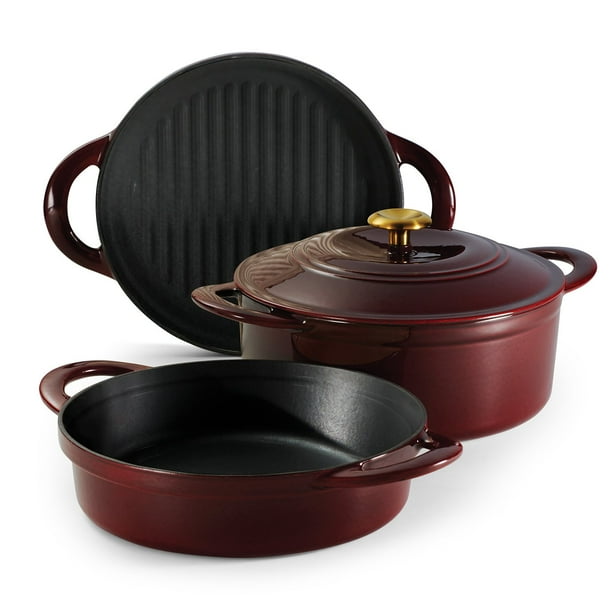
Enameled cast iron has a smooth, colored coating of enamel. This coating stops rust without seasoning. It cleans easily and works well for acidic foods like tomatoes. It doesn’t need special care but can chip if dropped.
| Feature | Traditional Cast Iron | Enameled Cast Iron |
|---|---|---|
| Surface | Seasoned, natural | Coated with enamel |
| Maintenance | Needs regular seasoning | Easy cleaning, no seasoning |
| Heat Tolerance | Very high, suitable for open flame | High, but avoid sudden temp changes |
| Use with Acidic Foods | Not recommended | Safe and effective |
| Weight | Heavy | Usually heavier due to enamel |
- Choose traditional cast iron for high-heat cooking and a natural non-stick surface.
- Pick enameled cast iron for easy cleaning and cooking acidic dishes.
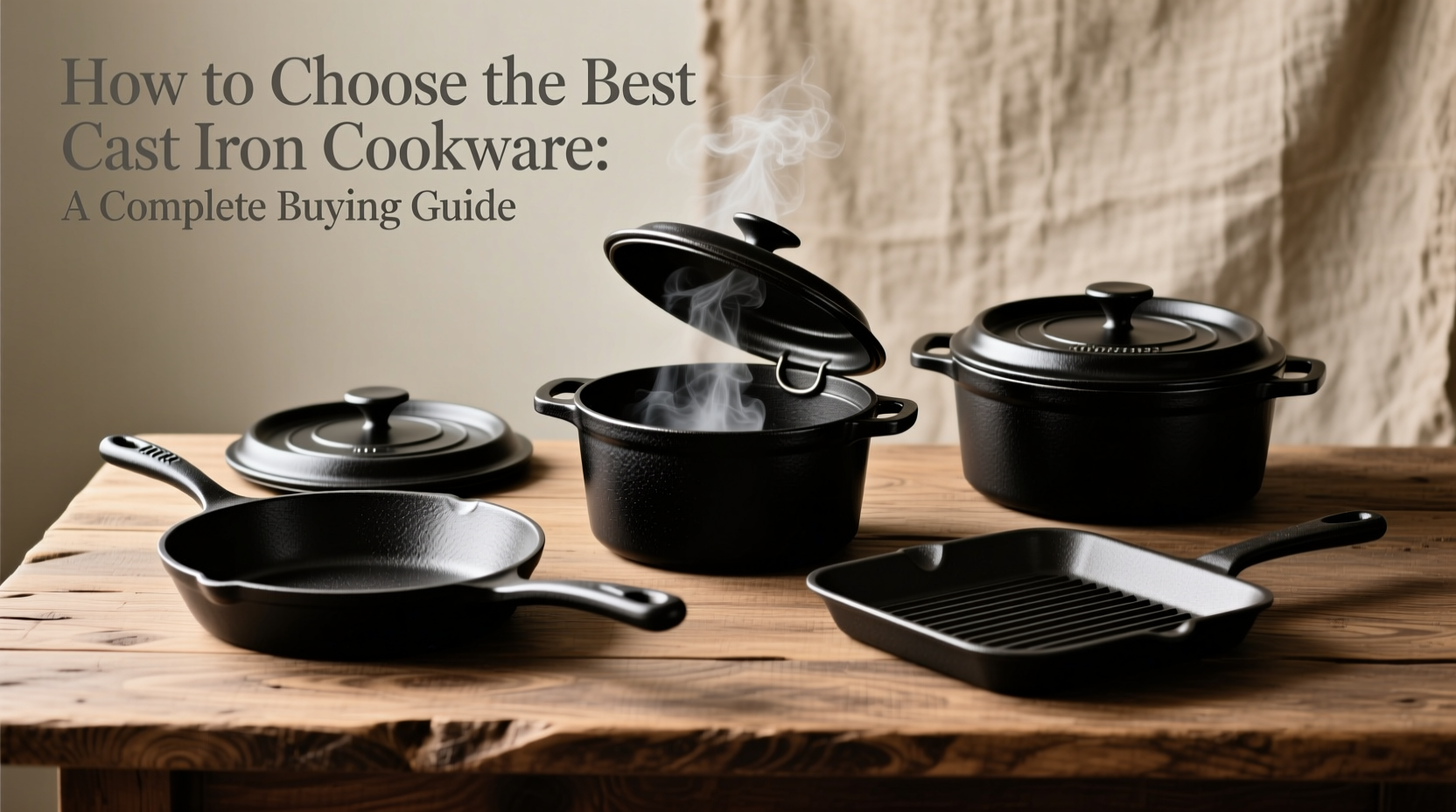
Skillets, Dutch Ovens, And Griddles
Cast iron cookware comes in various shapes and sizes. Each type serves different cooking tasks.
Skillets are round pans with low sides. They are great for frying, sautéing, and searing. Skillets heat evenly and keep food warm.
Dutch ovens are deep pots with lids. They are perfect for slow cooking, stews, baking bread, and soups. The heavy lid traps moisture and heat.
Griddles have a flat, wide surface. They cook pancakes, bacon, and sandwiches well. Griddles heat quickly and offer a large cooking area.
| Cookware Type | Best For | Common Size |
|---|---|---|
| Skillet | Frying, sautéing, searing | 8–12 inches |
| Dutch Oven | Slow cooking, baking, stews | 4–7 quarts |
| Griddle | Pancakes, sandwiches, bacon | 10–20 inches (rectangular or square) |
- Skillets offer quick heat and control for most tasks.
- Dutch ovens excel at one-pot meals and long cooking times.
- Griddles provide a large flat area, great for breakfast foods.
Pre-seasoned Vs. Unseasoned
Cast iron cookware comes either pre-seasoned or unseasoned. This affects use and care.
Pre-seasoned cast iron has a factory-applied oil layer baked onto the surface. It is ready to use right away. It offers a smooth, non-stick cooking surface. Regular seasoning improves it over time.
Unseasoned cast iron arrives bare. It needs seasoning before use to prevent rust. Seasoning builds a protective layer with cooking oils. This process takes time but allows customizing the surface.
| Feature | Pre-Seasoned | Unseasoned |
|---|---|---|
| Ready to Use | Yes | No |
| Initial Care | Wash and cook | Season before first use |
| Surface | Smooth, non-stick layer | Raw iron, needs build-up |
| Rust Protection | Yes, from factory seasoning | No, must season to protect |
- Choose pre-seasoned for quick start and easy use.
- Pick unseasoned for full control over seasoning and care.
Key Features To Consider
Choosing cast iron cookware requires attention to specific features that affect cooking performance and ease of use. These features influence how the cookware feels, cooks, and fits in your kitchen. Understanding the key points helps make a smart choice that matches your cooking style and needs. Focus on weight and size, handle design and comfort, and lid fit and design to find the best cast iron piece.
Weight And Size
Cast iron cookware is known for its heavy weight. The weight affects how easy it is to handle and how well it retains heat. A good cast iron pan or pot should be heavy enough to hold heat evenly but not so heavy that it becomes hard to lift or move.
Consider these points about weight and size:
- Weight: Smaller skillets weigh less, usually 3-5 pounds. Larger Dutch ovens can weigh 10 pounds or more.
- Size: Common sizes range from 6 inches to 15 inches in diameter. Choose a size that fits your stove and cooking needs.
- Storage: Large cookware needs more storage space. Think about your kitchen space before buying big pieces.
- Usage: Heavy cookware works well for slow cooking and searing. Lighter pieces are better for everyday tasks.
| Cookware Type | Typical Weight | Common Size | Best Use |
|---|---|---|---|
| Skillet | 3-7 lbs | 8-12 inches | Frying, Searing |
| Dutch Oven | 8-15 lbs | 5-7 quarts | Stewing, Baking |
| Griddle | 5-10 lbs | 10-15 inches | Grilling, Pancakes |
Choose weight and size based on your strength and cooking needs. Lighter pieces suit beginners. Larger, heavier cookware fits experienced cooks who want slow cooking options.
Handle Design And Comfort
Handles play a big role in how comfortable a cast iron pan feels. Cast iron handles get hot and can be heavy, so their design matters for safety and ease. Look for handles that give a firm grip and balance the weight well.
Important points about handle design:
- Shape: Wide and curved handles fit the hand better. Thin handles may hurt fingers during use.
- Length: Longer handles give better control but may make storage harder.
- Helper Handles: Many cast iron pans have a small helper handle opposite the main one. It helps lift heavy cookware safely.
- Material: Some handles have silicone covers or wooden grips to protect from heat. Traditional handles are bare cast iron.
Comfort features to check:
- Grip texture – non-slip surfaces help hold the pan securely.
- Heat resistance – removable silicone or wooden sleeves keep hands safe.
- Balance – handles should help balance the pan’s weight for easy lifting.
Test how the pan feels in your hand before buying. Comfortable handles reduce strain and make cooking safer.
Lid Fit And Design
A well-fitting lid keeps heat and moisture inside, improving cooking results. Cast iron lids come in different styles, affecting how well they seal and their usability.
Key factors about lids:
- Fit: The lid should sit snugly on the pot or pan to trap steam.
- Weight: Heavy lids add heat retention but may be hard to lift.
- Design: Some lids have a flat top for stacking or use as a griddle.
- Handle on Lid: Choose lids with handles or knobs that are easy to grip and heat resistant.
| Lid Type | Advantages | Disadvantages |
|---|---|---|
| Standard Cast Iron Lid | Durable, good heat retention | Heavy, can be hot to touch |
| Flat Lid | Stackable, usable as griddle | May not seal as tightly |
| Glass Lid (rare for cast iron) | See inside without lifting | Less heat retention, fragile |
Pick a lid design that fits your cooking style. A tight lid helps slow cooking and braising. Easy-to-handle knobs make lid use safer.
Credit: www.samsclub.com
Brands And Quality Indicators
Choosing the right cast iron cookware means understanding which brands offer the best quality and what signs to look for in a good product. Brands and quality indicators help guide your choice, ensuring you invest in durable, reliable cookware. Knowing the trusted manufacturers and recognizing quality features will save money and improve your cooking experience.
Reputable Manufacturers
Some brands have built strong reputations for making excellent cast iron cookware. These manufacturers focus on quality materials, careful craftsmanship, and consistent performance. Choosing cookware from well-known brands reduces the risk of buying poor-quality products that may crack, rust, or cook unevenly.
Here are a few respected manufacturers to consider:
- Lodge – One of the oldest and most popular American brands. Offers pre-seasoned and affordable cast iron pans.
- Le Creuset – Known for enameled cast iron with vibrant colors and smooth finishes.
- Victoria – Colombian brand offering traditional, high-quality cast iron cookware.
- Staub – French brand famous for its durable enameled cast iron and tight-fitting lids.
These brands often use modern casting techniques and quality control. Their products come with clear information on care and use.
| Brand | Type | Price Range | Key Feature |
|---|---|---|---|
| Lodge | Traditional, Pre-seasoned | $20 – $100 | Affordable and durable |
| Le Creuset | Enameled cast iron | $150 – $500+ | Colorful and smooth finish |
| Victoria | Traditional cast iron | $30 – $120 | Heavy and well-seasoned |
| Staub | Enameled cast iron | $150 – $400+ | Excellent heat retention |
Signs Of High-quality Cast Iron
Good cast iron cookware has clear markers that show its value. Checking these signs helps avoid cheap or poorly made products. High-quality cast iron should feel solid and have a smooth surface.
Look for these quality indicators:
- Weight: It should feel heavy for its size, indicating dense iron.
- Surface texture: Smooth or finely textured surfaces cook evenly and season better.
- Even thickness: The pan should have a consistent thickness to prevent hot spots.
- Pre-seasoning: Some pans come pre-seasoned, meaning a natural non-stick layer is already built.
- Handles: Should be sturdy and comfortable to hold, without sharp edges.
Inspect the pan for defects like cracks, rough patches, or uneven edges. These flaws affect cooking and durability. Also, quality cast iron heats up slowly but retains heat well.
| Quality Feature | Why It Matters |
|---|---|
| Weight | Shows dense iron and better heat retention |
| Surface texture | Ensures even cooking and better seasoning |
| Even thickness | Prevents hot spots and warping |
| Pre-seasoning | Provides a ready-to-use non-stick surface |
| Handle design | Improves safety and comfort during use |
Warranty And Customer Support
Good brands back their cast iron with warranties and reliable customer support. This shows confidence in their product quality. A solid warranty protects your investment against manufacturing defects.
Check these warranty and support details:
- Warranty length: Many trusted brands offer lifetime warranties or at least several years.
- Coverage details: Understand what issues the warranty covers, such as cracks or defects.
- Customer service availability: Easy access to support helps solve problems quickly.
- Return policy: Clear policies allow returns or exchanges if the product is unsatisfactory.
Brands with strong warranties and support often provide care guides and seasoning tips. This helps maintain cookware performance and extend its life.
| Brand | Warranty | Customer Support Features |
|---|---|---|
| Lodge | Limited lifetime warranty | Online support, care guides, replacement parts |
| Le Creuset | Lifetime warranty on manufacturing defects | Phone and email support, authorized repair centers |
| Victoria | Limited warranty (varies by seller) | Email support, product information online |
| Staub | Lifetime warranty on defects | Customer service hotline, repair services |
Care And Maintenance Tips
Choosing cast iron cookware is just the first step. Proper care and maintenance keep your pans in top shape for years. Cast iron needs special attention to stay non-stick and rust-free. This section covers simple tips to maintain your cookware’s quality. Follow these steps to protect your investment and enjoy great cooking results every time.
Seasoning Techniques
Seasoning creates a natural non-stick surface on cast iron. It also protects the pan from rust. The process involves coating the cookware with oil and heating it. This layer builds up with use, improving with every meal cooked.
Steps to season cast iron:
- Clean the pan thoroughly with warm water and mild soap. Dry completely.
- Apply a thin, even layer of cooking oil. Use oils with high smoke points like vegetable, flaxseed, or canola oil.
- Heat the pan upside down in an oven at 375°F (190°C) for 1 hour. Place foil below to catch drips.
- Turn off the oven and let the pan cool inside.
- Repeat this process 2-3 times for a strong seasoning layer.
Tips for best results:
- Always dry the pan immediately after washing.
- Re-season after heavy cleaning or if food starts sticking.
- Use your cast iron often; cooking fatty foods helps build seasoning.
| Oil Type | Smoke Point | Recommended Use |
|---|---|---|
| Flaxseed Oil | 225°C (437°F) | Best for seasoning layers, dries hard |
| Vegetable Oil | 210°C (410°F) | Good all-purpose seasoning |
| Canola Oil | 204°C (400°F) | Common and affordable option |
Cleaning Methods
Cleaning cast iron properly keeps the seasoning intact and prevents rust. Avoid harsh soaps and scrubbing pads that remove the protective layer.
Follow these steps for safe cleaning:
- Let the pan cool after cooking.
- Rinse with warm water. Use a soft brush or sponge.
- For stuck food, scrub gently with coarse salt and a little water.
- Rinse and dry thoroughly with a towel or on low heat.
- Apply a light coat of oil before storing.
Important points:
- Do not soak cast iron or put it in the dishwasher.
- Avoid using soap often; occasional mild soap is okay if reseasoned afterward.
- Drying immediately prevents rust.
- Salt acts as a natural scrub without damaging seasoning.
Storage Recommendations
Proper storage prevents moisture build-up and rust on cast iron cookware. The right environment keeps the pan dry and ready to use.
Use these tips for storing cast iron:
- Store in a dry place with good air circulation.
- Keep the lid off or place a paper towel inside to absorb moisture.
- Apply a thin layer of oil before putting the pan away.
- Stack pans carefully to avoid scratching the seasoning.
- Check pans occasionally for rust spots and re-season if needed.
Quick storage checklist:
| Storage Action | Reason |
|---|---|
| Dry pan completely | Stops rust from forming |
| Use paper towel inside pan | Absorbs moisture |
| Store in cool, dry place | Prevents humidity damage |
| Apply light oil coat | Protects seasoning layer |
Budgeting And Price Considerations
Choosing cast iron cookware involves more than just picking a style or size. Budgeting and price considerations play a crucial role. Cast iron pieces range widely in price, from affordable to premium. Your budget affects the brands, quality, and types of cookware you can select. Understanding the balance between cost and value helps you make smart choices. This section breaks down key points about budgeting, where to buy, and secondhand options to fit various budgets.
Cost Vs. Longevity
Cast iron cookware often costs more upfront than other types of pans. Yet, it can last for decades, even generations, with proper care. This longevity can make cast iron a smart investment despite the initial price.
Consider these factors:
- Initial Cost: Prices range from $20 for small skillets to $200+ for large, high-quality sets.
- Durability: Cast iron resists warping and damage, unlike many cheaper pans.
- Maintenance: Proper seasoning and cleaning keep the cookware non-stick and rust-free.
- Replacement Frequency: Cheaper pans may need replacing every few years.
| Cookware Type | Typical Cost | Average Lifespan | Value |
|---|---|---|---|
| Cast Iron | $30 – $200+ | 50+ years | High |
| Nonstick | $15 – $100 | 2 – 5 years | Low to Medium |
| Stainless Steel | $40 – $300 | 10 – 20 years | Medium |
Summary: Spending more on cast iron saves money over time. It offers excellent durability and cooking performance.
Where To Buy
Finding the right place to buy cast iron cookware affects both price and quality. Various retailers offer different choices and deals.
Popular options include:
- Department Stores: Offer well-known brands and occasional sales.
- Specialty Kitchen Stores: Provide expert advice and premium cookware.
- Online Marketplaces: Large selection with user reviews and price comparisons.
- Direct from Brands: Some brands sell exclusively on their websites.
Tips for buying:
- Compare prices across several stores.
- Check return policies before purchasing.
- Look for warranties or satisfaction guarantees.
- Watch for seasonal sales or discounts.
| Venue | Price Range | Selection | Customer Support |
|---|---|---|---|
| Department Stores | $$ | Good | Average |
| Kitchen Specialty Stores | $$$ | Excellent | High |
| Online Marketplaces | $ – $$$ | Very Good | Varies |
| Direct from Brands | $$ – $$$ | Good | High |
Secondhand Options
Buying secondhand cast iron cookware can save money and still provide quality. Many older pieces were made with strong materials and last long.
Benefits of secondhand cast iron:
- Lower cost compared to new cookware.
- Unique vintage styles and brands.
- Often already well-seasoned.
Where to find secondhand cast iron:
- Thrift stores and charity shops.
- Garage sales and flea markets.
- Online resale platforms like eBay or local marketplaces.
Things to check before buying:
- Look for cracks or deep rust.
- Check the smoothness of the cooking surface.
- Verify the weight and feel for quality.
- Ask about the history of use and care.
Secondhand cast iron offers a budget-friendly way to own durable cookware. Some cleaning and reseasoning may be needed to restore the pan fully.
Credit: ironcladpan.com
Frequently Asked Questions
What Are The Benefits Of Cast Iron Cookware?
Cast iron cookware offers excellent heat retention and even cooking. It is durable, versatile, and naturally non-stick when seasoned properly. This cookware also adds dietary iron and can last a lifetime with proper care.
How Do I Choose The Right Size Cast Iron Pan?
Select a size based on your cooking needs. A 10-12 inch pan is ideal for most tasks. Smaller pans suit single servings, while larger ones work well for family meals and batch cooking.
Should I Buy Pre-seasoned Or Raw Cast Iron?
Pre-seasoned cast iron is ready to use and easier for beginners. Raw cast iron requires seasoning but offers a customizable non-stick surface. Choose based on your preference and willingness to maintain seasoning.
How To Maintain And Clean Cast Iron Cookware?
Clean cast iron with warm water and a brush or sponge. Avoid soap or dishwasher use. Dry thoroughly and apply a thin oil layer to prevent rust and maintain seasoning after each use.
Conclusion
Choosing the right cast iron cookware makes cooking easier and fun. Focus on size, weight, and type to fit your needs. Think about how you will use it every day. Good care will keep it strong and last for years.
Cast iron cooks food evenly and adds flavor. Start with one piece and grow your collection slowly. Enjoy delicious meals with cookware that suits your kitchen. Simple steps lead to great cooking experiences.

Hello, This is Annie Walker, a 38-year-old blogger, founder, and editor of Cookware Guider from NY, USA. I am a cookware fanatic and passionate cooker. I love to cook with different types of cooking appliances (example: all types of cookware, rice cookers, slow cookers, etc) almost every day in my kitchen. I love to share my experience with my readers in my blog. Also, I enjoy helping people to solve their problems through my website. You can follow me on Twitter & Pinterest. To know details about my blog please check the about us page.