
Have you ever stared at a burnt saucepan and wondered how to bring it back to life without scrubbing endlessly? You’re not alone.
Burnt pans can be stubborn and frustrating, but what if the solution was already in your kitchen? Vinegar is a simple, natural ingredient that can work wonders on burnt cookware. You’ll discover easy steps to clean your burnt saucepan quickly and effectively using vinegar.
Say goodbye to tough stains and hello to a shiny, clean pan—let’s get started!
Why Vinegar Works
Vinegar is a popular choice for cleaning burnt saucepans. It works well because of its natural properties. The acetic acid in vinegar helps break down tough stains and burnt food. This makes scrubbing easier and saves time.
Vinegar is safe and gentle on most pan surfaces. It does not damage the metal or coating like harsh chemicals can. Using vinegar also avoids strong smells and harmful fumes. This makes it a healthier option for your kitchen.
How Acetic Acid Breaks Down Burnt Residue
Acetic acid in vinegar reacts with burnt food and carbon deposits. It softens the burnt layer by dissolving the stuck particles. This makes the residue less sticky and easier to remove. The acid also helps lift stains from the pan surface.
Vinegar’s Role In Loosening Grease And Oil
Burnt saucepans often have hardened grease and oil. Vinegar cuts through these oily layers effectively. It breaks the bonds between grease and the pan metal. This allows you to wipe or scrub away the grease with less effort.
Safe Cleaning Without Harsh Chemicals
Vinegar cleans without toxic ingredients. It is a natural and biodegradable cleaner. This means it is safe for the environment and your health. Vinegar also does not leave harmful residues behind after cleaning.
Enhancing Cleaning Power With Heat
Heating vinegar increases its cleaning strength. Warm vinegar reacts faster with burnt stains. It helps dissolve burnt food more quickly. Gently heating vinegar in the pan makes the cleaning process smoother and quicker.

Credit: www.mom4real.com
Gathering Your Supplies
Cleaning a burnt saucepan takes the right tools. Gathering your supplies first saves time. It also makes the cleaning process easier and faster. You will need simple items found at home. These supplies work well with vinegar to remove burnt stains.
Vinegar
White vinegar is the main ingredient. It breaks down burnt food and stains. Make sure to use plain white vinegar, not flavored or colored types.
Baking Soda
Baking soda helps scrub off stubborn residue. It works gently without scratching your saucepan. This natural cleaner pairs well with vinegar for tough burnt spots.
Soft Scrubbing Sponge
Choose a soft scrubbing sponge or cloth. Avoid metal scrubbers that can damage the pan’s surface. The sponge helps remove loosened burnt bits after vinegar treatment.
Measuring Cup
Use a measuring cup to pour the right amount of vinegar. This helps avoid using too much or too little liquid. Proper vinegar amounts improve cleaning results.
Warm Water
Warm water helps dissolve burnt food faster. It also softens stains before scrubbing. Have some warm water ready to rinse and soak the pan.
Preparing The Burnt Saucepan
Preparing a burnt saucepan properly makes the cleaning process easier. It helps remove tough stains without damaging the pan. Taking these simple steps first saves time and effort later.
Start by clearing away loose bits of food. Then, pick the best vinegar to use. These steps create the right base for cleaning with vinegar.
Removing Loose Debris
Remove any loose burnt food with a soft brush or cloth. Avoid using metal scrubbers that can scratch the pan. This step stops dirt from spreading during cleaning. A clean surface helps vinegar work better.
Choosing The Right Vinegar
Choose white distilled vinegar for the best results. It is strong and safe for most pans. Avoid flavored or colored vinegar that can leave stains. Pure vinegar helps break down burnt residue quickly and easily.
Step-by-step Cleaning Process
Cleaning a burnt saucepan with vinegar is simple and effective. Follow these clear steps for the best results. Each step helps remove burnt food without harsh chemicals. This process saves time and effort.
Heating Vinegar In The Pan
Pour enough white vinegar to cover the burnt area. Place the saucepan on the stove. Heat the vinegar on medium heat until it simmers. Let it simmer for about 5 minutes. Heating loosens burnt food and stains.
Letting It Soak
Turn off the heat and let the vinegar cool slightly. Leave the vinegar in the pan for 10 to 15 minutes. Soaking softens the burnt residue. It makes scrubbing easier and faster. Avoid rushing this step for better cleaning.
Scrubbing Stubborn Stains
Use a non-abrasive scrubber or sponge. Gently scrub the burnt areas in circular motions. The vinegar helps lift the burnt food. For tough stains, sprinkle baking soda before scrubbing. This combination enhances cleaning power.
Rinsing And Drying
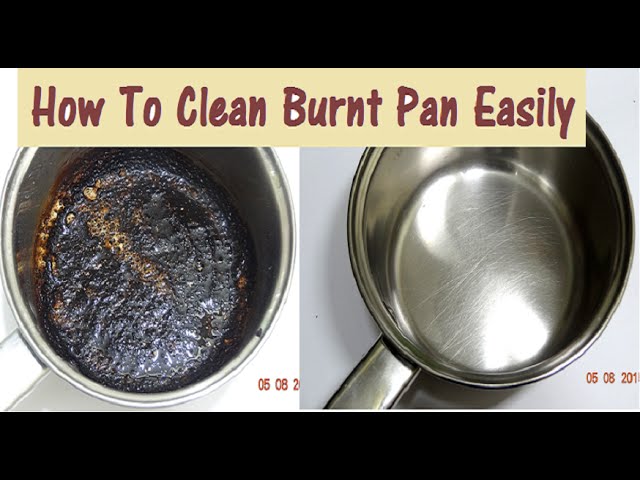
Rinse the pan thoroughly with warm water. Make sure no vinegar or residue remains. Dry the saucepan with a clean towel. Your pan is now clean and ready for use. Repeat the process if needed for heavy burns.
Alternative Vinegar Methods
Vinegar is a great cleaner for burnt saucepans. It breaks down tough stains and burnt food easily. Using vinegar alone works well, but some alternative methods boost its power. Mixing vinegar with other common kitchen items can make cleaning faster and easier. These simple combinations use natural ingredients you already have at home.
Using Baking Soda With Vinegar
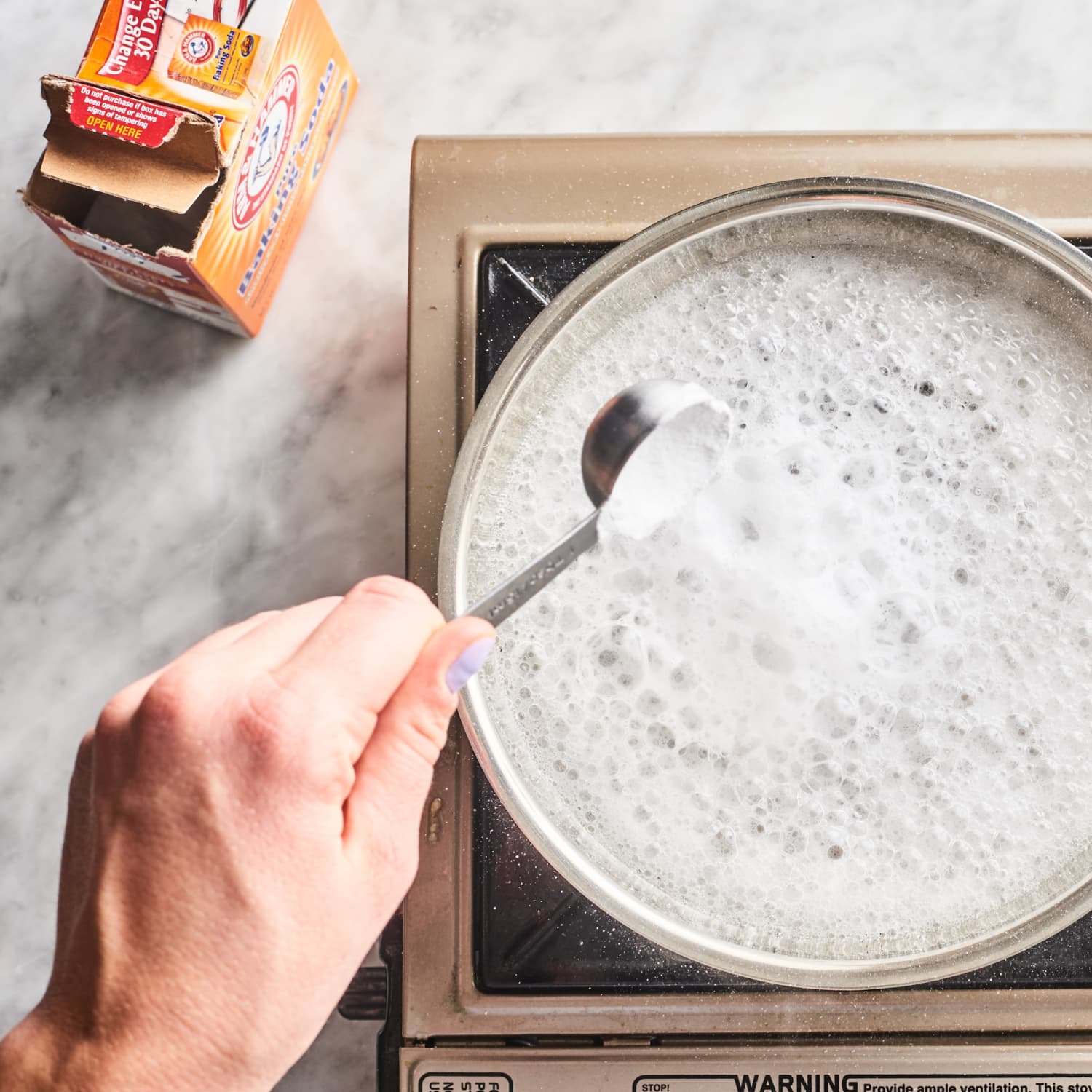
Baking soda and vinegar create a fizzy reaction that helps lift burnt residue. First, sprinkle baking soda over the burnt areas. Then, pour vinegar slowly on top. The mixture will bubble and foam. Let it sit for 15 to 20 minutes. After that, scrub gently with a sponge or brush. This method softens the burnt parts and makes scrubbing easier. Rinse the saucepan well with warm water after cleaning.
Vinegar And Salt Combination
Salt adds scrubbing power to vinegar’s cleaning ability. Pour vinegar into the burnt pan, enough to cover the bottom. Sprinkle a layer of salt over the vinegar. Use a sponge or cloth to scrub the mixture over the burnt spots. The salt acts as a gentle abrasive and helps remove stains. Rinse the pan thoroughly with water. This method works well for light burnt marks and keeps the pan scratch-free.
Credit: www.youtube.com
Tips To Prevent Future Burnt Residue
Burnt residue on saucepans can be frustrating and hard to clean. Preventing it saves time and keeps your cookware in good shape. Simple habits and care can stop burnt stains from building up.
Try these tips to keep your saucepans clean and avoid future burnt residue.
Proper Cooking Techniques
Use low or medium heat to cook most foods. High heat causes food to burn quickly. Stir food often to stop sticking and burning. Add enough liquid to prevent drying out. Avoid leaving pans unattended while cooking. Use the right size burner for your saucepan. This spreads heat evenly and reduces hot spots.
Regular Maintenance
Clean your saucepan after each use. Remove food particles before they harden. Use gentle scrubbing tools to protect the pan’s surface. Avoid harsh chemicals that damage cookware. Occasionally soak the pan in warm soapy water to loosen stuck food. Check for damage and replace old pans to prevent burnt spots. Proper care keeps your saucepan ready for cooking.
When To Avoid Vinegar Cleaning
Vinegar is a popular choice for cleaning burnt saucepans. It helps break down tough stains and burnt residue. Yet, vinegar is not safe for every type of pan or situation. Using it wrongly can damage your cookware or make stains worse.
Knowing when to avoid vinegar cleaning saves your pans and effort. Some materials react poorly to vinegar. Other times, vinegar might not remove the burn marks effectively.
Not Suitable For Cast Iron Pans
Cast iron pans have a special coating called seasoning. Vinegar can strip this layer away. This causes rust and ruins the pan’s non-stick surface. Use mild soap and water for cast iron instead.
Avoid On Aluminum Cookware
Aluminum reacts with acidic substances like vinegar. It can cause dark spots or pitting on the surface. These marks are hard to fix. Choose baking soda or gentle scrubbing for aluminum pans.
Not Ideal For Non-stick Surfaces
Non-stick coatings are delicate and can wear off with harsh acids. Vinegar might dull the coating or reduce its lifespan. Use soft cloths and mild cleaners for these pans.
Don’t Use On Enamel-coated Pans
Enamel coatings can chip or crack with acidic cleaners. Vinegar may weaken the enamel or discolor it. Warm water and gentle soap work best for enamel pans.
Avoid Vinegar On Heavy Burnt Carbon
When burnt layers are very thick, vinegar may not clean well. It can leave behind sticky residue. Scrubbing with a scrubber or soaking in baking soda solution helps better.
Credit: www.thekitchn.com
Frequently Asked Questions
How Does Vinegar Clean Burnt Saucepans Effectively?
Vinegar contains acetic acid that breaks down burnt food and stains. It loosens residue, making it easier to scrub and clean your saucepan quickly and safely.
Can I Use Vinegar On All Saucepan Materials?
Yes, vinegar is safe for stainless steel, aluminum, and non-stick pans. Avoid using it on cast iron to prevent damage and rust formation.
How Long Should Vinegar Sit On Burnt Stains?
Let vinegar sit for 15 to 30 minutes on burnt areas. This soaking time softens the residue for easier removal without harsh scrubbing.
Should I Mix Vinegar With Other Ingredients For Cleaning?
Mixing vinegar with baking soda enhances cleaning power. The fizzing action lifts burnt particles, making your saucepan spotless and odor-free.
Conclusion
Cleaning a burnt saucepan with vinegar is simple and safe. Vinegar loosens burnt food without harsh chemicals. Just soak, scrub gently, and rinse well. This method saves time and effort in the kitchen. Your saucepan will look clean and ready to use again.
Try this easy trick for a sparkling, damage-free pan. No need to buy special cleaners or scrub hard. Vinegar works naturally to restore your cookware’s shine. Keep this tip handy for your next burnt mess. A clean pan means better cooking every time.

Hello, This is Annie Walker, a 38-year-old blogger, founder, and editor of Cookware Guider from NY, USA. I am a cookware fanatic and passionate cooker. I love to cook with different types of cooking appliances (example: all types of cookware, rice cookers, slow cookers, etc) almost every day in my kitchen. I love to share my experience with my readers in my blog. Also, I enjoy helping people to solve their problems through my website. You can follow me on Twitter & Pinterest. To know details about my blog please check the about us page.