
If you love cooking with your Wearever cookware, keeping it clean is key to making every meal taste great. But sometimes, cleaning those pots and pans can feel like a hassle.
What if you could make the process simple, quick, and effective? In this guide, you’ll discover easy steps to clean your Wearever cookware without damaging it. By the time you finish reading, you’ll know exactly how to keep your cookware looking new and ready for your next delicious dish.
Ready to make cleaning less of a chore? Let’s get started!

Credit: www.walmart.com
Choosing The Right Cleaning Tools
Choosing the right cleaning tools is key to keeping Wearever cookware in great shape. Proper tools protect the cookware’s surface and make cleaning easier. Using the wrong tools can cause scratches or damage.
Pick tools that clean well but stay gentle on the cookware. This helps maintain the cookware’s non-stick coating and shine. Here are some good options to use and others to avoid.
Soft Sponges And Cloths
Soft sponges and cloths are perfect for cleaning Wearever cookware. They remove food and grease without scratching the surface. Microfiber cloths work well because they are gentle yet effective.
Use a soft sponge with warm, soapy water for daily cleaning. Avoid rough textures that can wear down the cookware’s finish. Soft tools keep your cookware looking new longer.
Avoiding Abrasive Scrubbers
Abrasive scrubbers can damage Wearever cookware easily. Steel wool and rough scouring pads create scratches and ruin the non-stick coating. These marks reduce cookware performance.
Steer clear of harsh scrubbers even for tough stains. Use soft tools and soak the cookware first to loosen stuck food. This protects your investment and keeps cooking safe.
Daily Cleaning Tips
Keeping your Wearever cookware clean every day helps it last longer. Simple steps prevent stains and damage. Daily cleaning keeps your pots and pans ready for the next meal. Follow easy tips to care for your cookware properly.
Gentle Soap And Warm Water
Use mild soap and warm water to wash your cookware. Avoid harsh detergents that can harm the surface. A soft sponge or cloth works best to clean without scratching. Wash soon after cooking to stop food from sticking. Rinse well to remove all soap residue.
Drying Properly To Prevent Spots
Dry your cookware carefully after washing. Use a soft towel to avoid water spots. Letting cookware air dry may cause stains or rust. Make sure it is completely dry before storing. Proper drying keeps your cookware shiny and smooth.
Removing Tough Stains
Removing tough stains from Wearever cookware can be challenging. Stubborn marks and burnt food often need more effort than regular washing. Using simple home methods can restore your cookware’s shine and cleanliness. These methods are safe and effective for daily use.
Baking Soda Paste Method
Mix baking soda with a little water to make a thick paste. Spread this paste over the stained areas. Let it sit for 15 to 20 minutes. Then, scrub gently with a soft sponge or cloth. Baking soda helps break down stains without scratching the surface. Rinse the cookware well with warm water. Repeat if the stains are still visible.
Vinegar Soak Technique
Fill your cookware with equal parts of water and white vinegar. Let it soak for 30 minutes to one hour. Vinegar works to loosen burnt food and mineral deposits. After soaking, pour out the liquid. Scrub the stains lightly with a sponge. Rinse thoroughly with clean water. This method helps brighten your cookware and removes tough stains easily.

Credit: www.ebay.com
Cleaning Burnt Residue
Cleaning burnt residue from Wearever cookware can be tough. Burnt food sticks hard to the surface. It needs gentle but effective cleaning methods. Using the right techniques protects your cookware’s finish. It also makes your pot or pan look good again. Below are two simple ways to clean burnt residue safely.
Boiling Water And Dish Soap
Fill the cookware with water to cover the burnt area. Add a few drops of dish soap. Heat the pot or pan on the stove until the water boils. Let it boil for 10 to 15 minutes. The heat loosens the burnt food from the surface. Turn off the stove and let it cool down a bit. Use a soft sponge to scrub the residue gently. The burnt parts should come off easily. Rinse the cookware with clean water. Dry it with a soft cloth to avoid water spots.
Using Aluminum Foil Scrubber
Take a small piece of aluminum foil. Crumple it into a ball shape. Wet the burnt area and sprinkle some dish soap. Use the foil ball to scrub the burnt spots carefully. The foil is firm enough to remove residue but gentle on cookware. Scrub in circular motions for better results. Rinse the cookware well after scrubbing. Wipe it dry with a clean towel. This method works well for tough burnt stains.
Maintaining Non-stick Surfaces
Maintaining non-stick surfaces on Wearever cookware is key to its long life. Proper care keeps food from sticking and makes cleaning easier. Simple habits protect the non-stick coating from damage. These tips help you enjoy your cookware for many years.
Avoiding Metal Utensils
Metal utensils can scratch the non-stick surface. Scratches reduce the coating’s effectiveness. Use wooden, silicone, or plastic tools instead. These materials are gentle on the cookware. They prevent damage and keep the surface smooth.
Seasoning Tips For Longevity
Seasoning your non-stick cookware boosts its durability. Heat a small amount of oil in the pan. Spread it evenly and let it cool. Wipe off any extra oil with a paper towel. This creates a protective layer on the surface. Repeat this process every few uses for best results.
Preventing Damage
Preventing damage to Wearever cookware keeps it safe and lasts longer. Careful handling and simple habits protect its surface and shape. These steps help maintain your cookware’s quality and performance.
Proper Storage Practices
Store cookware in a dry, clean place. Avoid stacking pans directly on top of each other. Use pan protectors or soft cloths between pans. This stops scratches and dents. Hang pots and pans if possible. Keep lids separate to prevent pressure on cookware.
Avoiding Extreme Temperatures
Do not heat empty cookware for a long time. Avoid sudden temperature changes like putting hot pans in cold water. This can warp or crack the cookware. Use medium heat instead of high heat. Let cookware cool naturally before cleaning or storing.
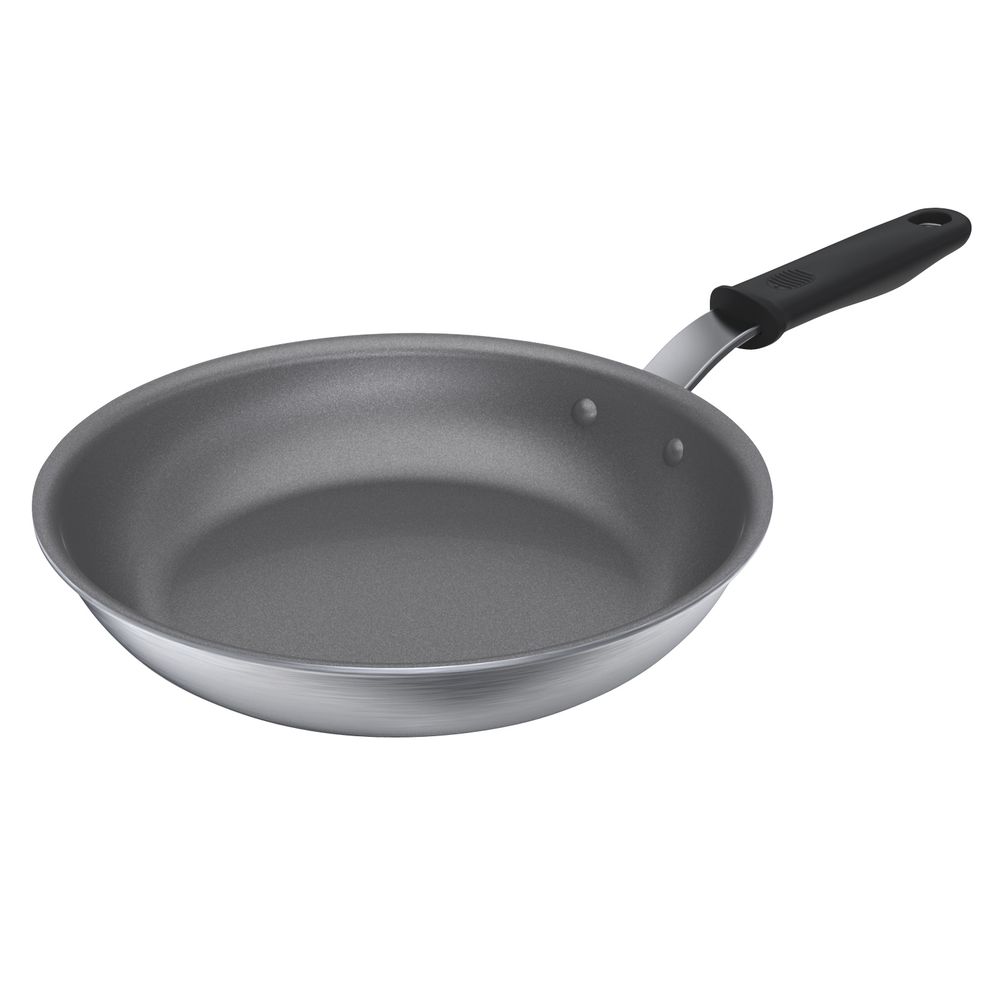
Credit: www.hubert.com
Frequently Asked Questions
How Do I Clean Wearever Cookware Safely?
Use warm, soapy water and a soft sponge for regular cleaning. Avoid abrasive pads to protect the non-stick surface. Rinse well and dry immediately to prevent water spots and maintain cookware quality.
Can I Use Dishwasher For Wearever Cookware?
Wearever cookware is often dishwasher safe but check your specific model. Hand washing is recommended to extend the lifespan and maintain the non-stick coating. Avoid harsh detergents and high heat cycles in dishwashers.
How To Remove Stubborn Stains From Wearever Cookware?
Soak the cookware in warm, soapy water for 15-30 minutes. Use a non-abrasive scrubber or baking soda paste to gently scrub stains. Avoid steel wool or harsh chemicals to protect the surface.
What Household Items Clean Wearever Cookware Effectively?
Baking soda, vinegar, and mild dish soap work well. Baking soda removes tough stains, while vinegar helps dissolve mineral deposits. Use these with a soft sponge to clean without damaging the cookware.
Conclusion
Cleaning Wearever cookware is simple with the right steps. Use gentle scrubbing and mild soap to keep it shiny. Avoid harsh tools that can damage the surface. Regular care helps your pots and pans last longer. Clean cookware cooks better and stays safe for food.
A little effort keeps your kitchen tools in great shape. Enjoy cooking with clean, well-maintained Wearever cookware every day. Easy to clean, easy to love.

Hello, This is Annie Walker, a 38-year-old blogger, founder, and editor of Cookware Guider from NY, USA. I am a cookware fanatic and passionate cooker. I love to cook with different types of cooking appliances (example: all types of cookware, rice cookers, slow cookers, etc) almost every day in my kitchen. I love to share my experience with my readers in my blog. Also, I enjoy helping people to solve their problems through my website. You can follow me on Twitter & Pinterest. To know details about my blog please check the about us page.