
If you’ve ever wondered how to get the most out of your titanium cookware, you’re in the right place. Cooking with titanium isn’t just about using a new pot or pan—it’s about unlocking faster, healthier, and tastier meals with less hassle.
Imagine cooking without worrying about scratching your pans or dealing with sticky food. Ready to discover simple tips that make your titanium cookware shine and your dishes unforgettable? Keep reading, because mastering these techniques will change the way you cook forever.
Benefits Of Titanium Cookware
Titanium cookware offers many benefits that make cooking easier and safer. It is a popular choice for both home cooks and outdoor enthusiasts. These pots and pans stand out because of their unique features. Understanding these advantages helps you cook better and enjoy your meals more.
Durability And Strength
Titanium is one of the strongest metals used in cookware. It resists dents, scratches, and warping. This means your cookware lasts longer, even with heavy use. It handles high heat without damage. You don’t have to worry about it breaking or bending in the kitchen.
Lightweight Design
Titanium cookware is much lighter than other metals like cast iron or stainless steel. This makes it easy to carry, especially for camping or hiking. It reduces strain on your hands and wrists while cooking. Moving pots and pans around the stove feels effortless and smooth.
Non-reactive Surface
The surface of titanium cookware does not react with acidic or alkaline foods. This keeps your meals tasting pure and fresh. There is no risk of metal leaching into your food. It also means the cookware is easier to clean and maintain. Safe cooking with no strange flavors or odors.

Credit: fromourplace.com
Choosing The Right Titanium Cookware
Choosing the right titanium cookware can make cooking easier and more enjoyable. Titanium pots and pans are light, strong, and last a long time. Picking the best type depends on your cooking style and needs. Consider the different types, sizes, shapes, and prices before buying. This helps you find cookware that fits your kitchen and budget.
Types Of Titanium Cookware
Titanium cookware comes in several types. Pure titanium pans are very light and strong but can be expensive. Many sets use titanium combined with other metals for better heat distribution. Non-stick titanium pans have a smooth surface that stops food from sticking. Choose based on the kind of cooking you prefer.
Size And Shape Considerations
Size matters for your kitchen space and the food you cook. Small pans suit quick meals or single servings. Large pots work well for soups and stews. The shape also affects cooking. Deep pans hold liquids better. Wide pans give more surface area for frying. Pick sizes and shapes that match your cooking habits.
Price And Quality Factors
Titanium cookware varies in price. Higher prices often mean better quality and durability. Check for thick bases that spread heat evenly. Look for sturdy handles that stay cool. Avoid very cheap sets that may wear out fast. Investing in good quality saves money over time.
Preparing Titanium Cookware For Use
Preparing titanium cookware for use is an important step. Proper preparation ensures better cooking results and extends the life of your cookware. This section covers the basics of cleaning, seasoning, and avoiding common mistakes.
Cleaning Before First Use
Start by washing your titanium cookware with warm water and mild dish soap. Use a soft sponge to remove any dust or residues from the factory. Rinse thoroughly and dry with a clean cloth. Avoid harsh cleaners or steel wool, as they may scratch the surface.
Seasoning Tips
Seasoning titanium cookware helps create a non-stick surface. Lightly coat the interior with cooking oil. Heat the cookware on low for 10 minutes, then let it cool. Wipe off excess oil with a paper towel. Repeat this process a few times for better results.
Avoiding Common Mistakes
Do not use high heat immediately. Titanium heats quickly, so start with low or medium heat. Avoid cooking acidic foods for long periods to prevent damage. Never use metal utensils that can scratch the surface. Use wooden or silicone tools instead.
Credit: www.duebuoispatulastore.com
Cooking Techniques With Titanium
Titanium cookware offers many benefits for daily cooking. It heats quickly and resists scratches. Cooking with titanium pans requires some specific techniques. These tips help you get the best results and keep your pans in great shape.
Heat Settings To Use
Use low to medium heat for titanium cookware. High heat can damage the pan’s surface. Titanium heats evenly, so lower heat cooks food well. Avoid preheating empty pans on high heat.
Best Foods For Titanium Pans
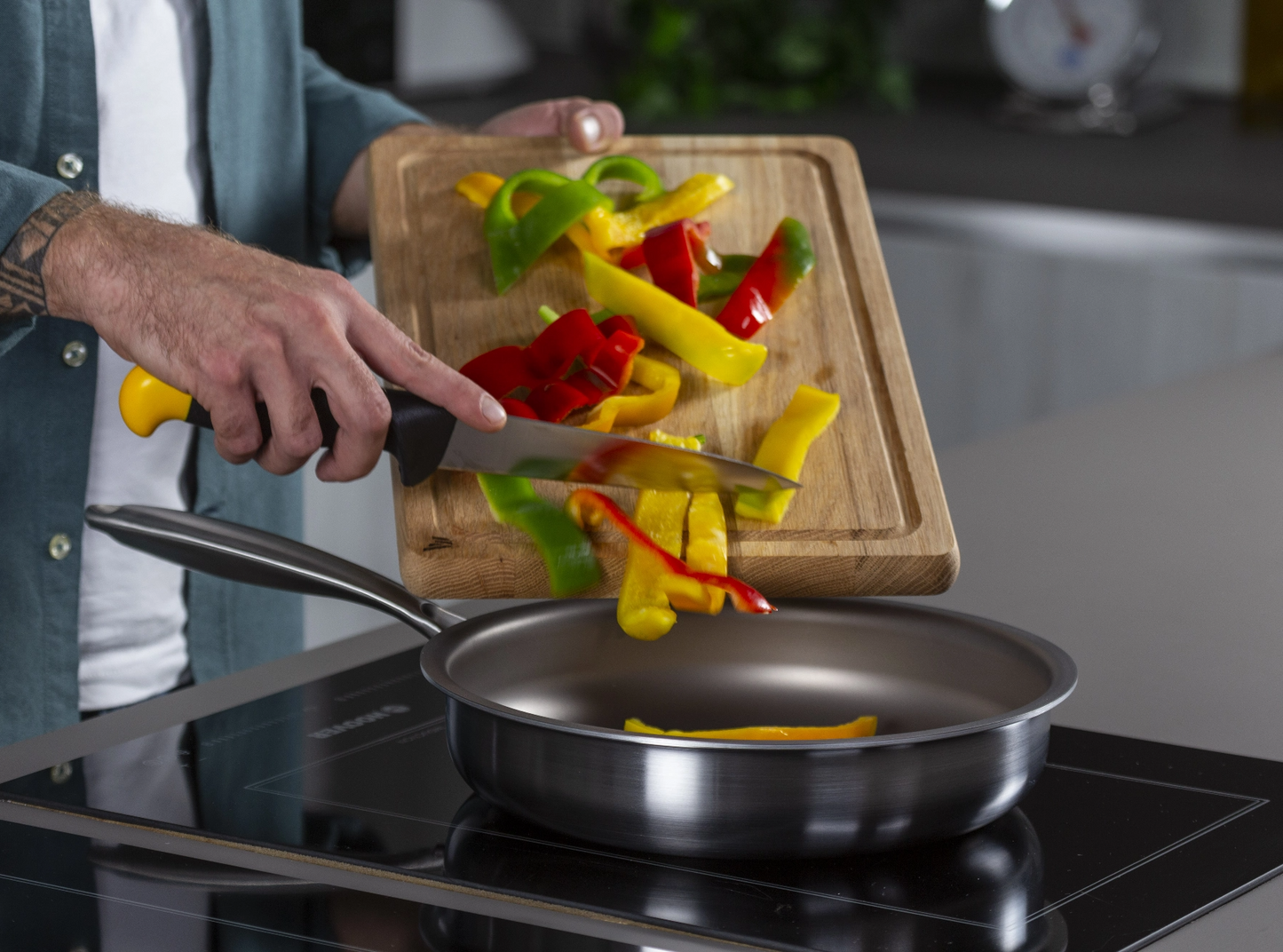
Titanium pans work well for many foods. Great for eggs, pancakes, and stir-fry dishes. Also good for searing meat and cooking vegetables. Avoid cooking acidic foods for long times to protect the surface.
Avoiding Food Sticking
Use a small amount of oil or butter. Let the pan heat before adding food. Do not move food too early; let it form a crust. Clean the pan well after each use to keep it smooth.
Cleaning And Maintenance
Cleaning and caring for titanium cookware keeps it in top shape. Proper maintenance helps the cookware last longer and perform better. It also keeps the surface smooth and safe for cooking. Follow simple steps to clean and store your titanium pots and pans.
Safe Cleaning Methods
Use warm water and mild dish soap for daily cleaning. Avoid harsh chemicals or abrasive scrubbers that can damage the surface. A soft sponge or cloth works best. Rinse thoroughly and dry with a soft towel to prevent water spots. Hand washing is safer than using a dishwasher.
Removing Stubborn Stains
For tough stains, soak the cookware in warm soapy water for 10-15 minutes. Use a non-abrasive scrubber or nylon brush to gently remove marks. Baking soda mixed with water creates a gentle cleaning paste. Apply it to the stain, let it sit, then scrub lightly. Avoid steel wool or metal brushes that scratch titanium.
Storage Tips To Extend Lifespan
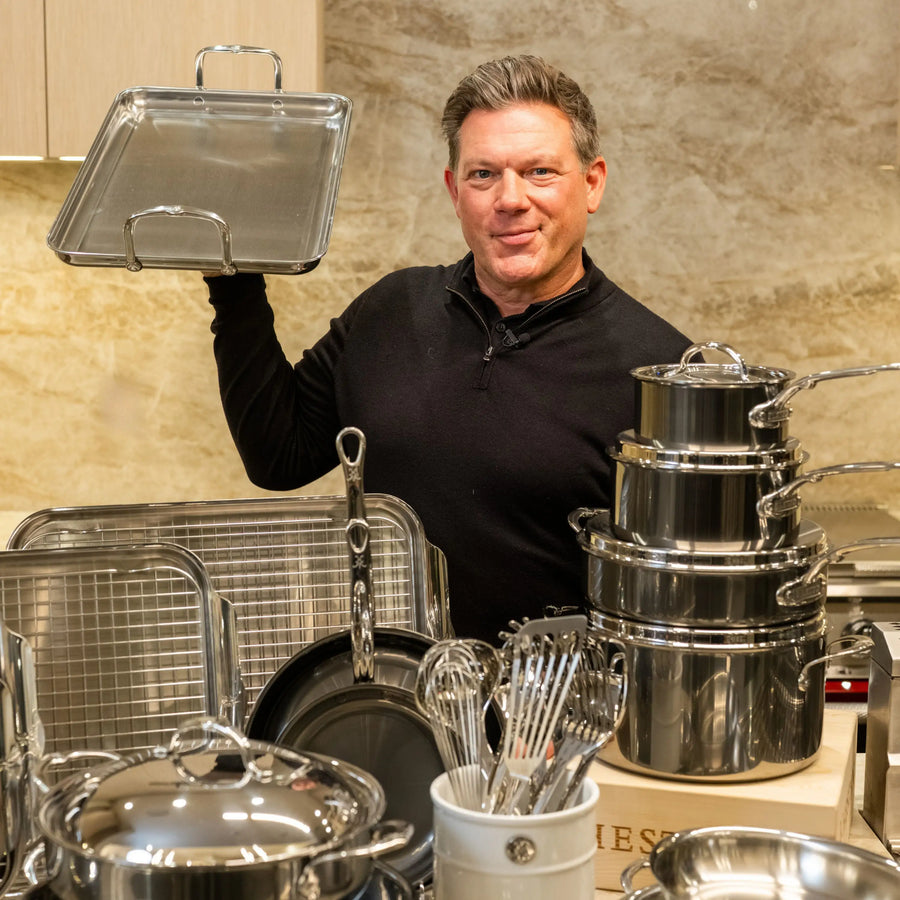
Store titanium cookware in a dry place to prevent moisture buildup. Avoid stacking pots and pans directly on top of each other. Use soft cloths or pan protectors between pieces to stop scratches. Keep lids off or slightly ajar to allow airflow and avoid odors. Proper storage helps maintain the cookware’s finish and quality.
Credit: hestanculinary.com
Troubleshooting Common Issues
Titanium cookware is strong but can have some common problems. These can affect your cooking experience. Knowing how to fix them keeps your pans in top shape. Simple steps help avoid damage and keep food tasting great. This section covers common issues and easy solutions.
Warping And Scratching
Warping happens when the pan heats too fast. Avoid placing cold pans on high heat. Heat the pan slowly to keep it flat. Scratches appear from metal utensils or rough cleaning. Use wooden or silicone tools to protect the surface. Clean with soft sponges, not steel wool or harsh scrubbers.
Dealing With Discoloration
Discoloration may occur from high heat or leftover food. It looks like rainbow colors or dark spots. Clean with a paste made from baking soda and water. Rub gently to remove stains. Avoid cooking on very high heat for long periods. This keeps the metal looking bright and new.
Handling Food Residue
Food residue can stick after cooking, especially with sticky sauces. Soak the pan in warm, soapy water for 10 minutes. Use a soft sponge to wipe away residue. Avoid soaking too long, which can damage the pan. Regular cleaning after each use stops buildup and keeps your pan ready.
Frequently Asked Questions
What Are The Best Cooking Methods For Titanium Cookware?
Titanium cookware works well with sautéing, boiling, and frying. It heats quickly and distributes heat evenly. Avoid high heat to preserve its non-stick properties. Use low to medium heat for best results and longer cookware life.
Can I Use Metal Utensils With Titanium Cookware?
Yes, titanium cookware is highly scratch-resistant. You can safely use metal utensils without damaging the surface. This durability makes titanium cookware ideal for heavy cooking and frequent use. However, avoid sharp tools to maintain the cookware’s finish.
How Do I Clean Titanium Cookware Properly?
Clean titanium cookware with warm, soapy water and a soft sponge. Avoid abrasive cleaners to protect the surface. For tough stains, soak the cookware in warm water before washing. Dry thoroughly to prevent water spots and maintain shine.
Is Titanium Cookware Safe For Oven Use?
Most titanium cookware is oven-safe up to 500°F (260°C). Always check the manufacturer’s instructions for specific temperature limits. Titanium’s durability makes it suitable for baking and roasting without warping or damage.
Conclusion
Titanium cookware offers strong, lightweight benefits for cooking. It heats quickly and cleans up easily. Use low to medium heat to protect your pans. Avoid metal utensils to keep the surface safe. Regular care helps your cookware last longer. Enjoy cooking with tools that save time and effort.
Try different recipes to see how titanium performs. Your kitchen will feel more efficient and fun. Cooking with titanium is simple and practical. Give it a try and notice the difference.

Hello, This is Annie Walker, a 38-year-old blogger, founder, and editor of Cookware Guider from NY, USA. I am a cookware fanatic and passionate cooker. I love to cook with different types of cooking appliances (example: all types of cookware, rice cookers, slow cookers, etc) almost every day in my kitchen. I love to share my experience with my readers in my blog. Also, I enjoy helping people to solve their problems through my website. You can follow me on Twitter & Pinterest. To know details about my blog please check the about us page.