
Are you wondering what to do with old or damaged cookware taking up space in your kitchen? Disposing of cookware might seem simple, but doing it the right way can save you money, help the environment, and even clear your home of clutter faster.
You’ll discover easy steps to get rid of your pots and pans responsibly. Keep reading to learn how you can turn your unwanted cookware into something useful—or at least ensure it doesn’t harm the planet. Your kitchen (and your conscience) will thank you!
Credit: www.newingtonct.gov
Sorting Your Cookware
Sorting your cookware before disposal helps protect the environment. It also makes recycling easier and more efficient. Separate items based on their materials. This step saves time and prevents contamination. Proper sorting ensures useful materials get recycled properly.
Materials That Can Be Recycled
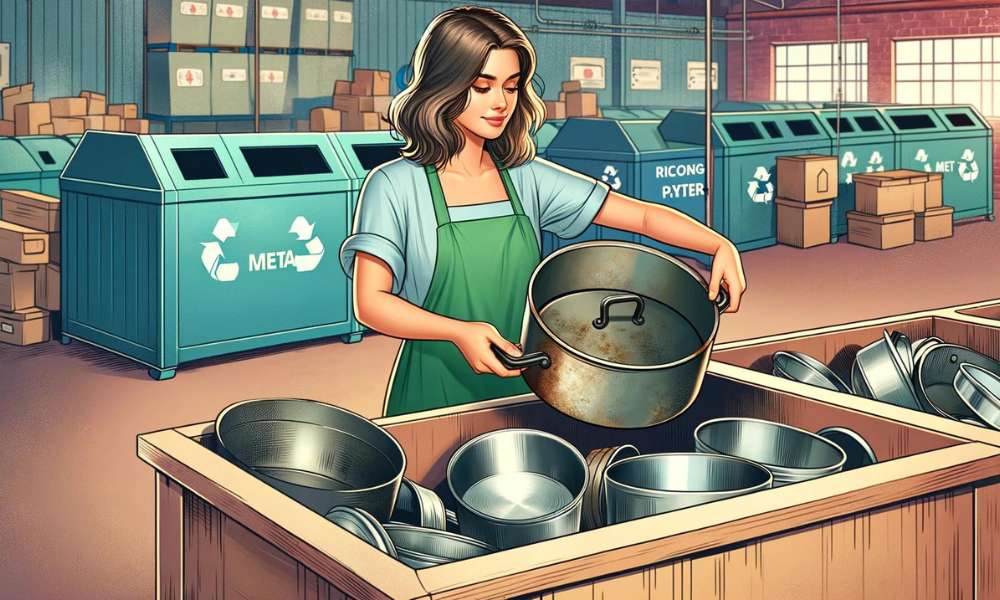
Metal pots and pans are usually recyclable. Look for stainless steel, aluminum, or cast iron. These metals can be melted and reused. Some recycling centers accept old baking sheets and trays too. Clean the cookware to remove food and grease. This helps the recycling process go smoothly.
Glass cookware, like some baking dishes, can be recycled if whole and clean. Avoid mixing glass with metal items. Some centers recycle ceramic cookware, but check local rules first. Separate lids made of metal or glass from plastic ones. Each material needs different handling.
Identifying Non-recyclable Items
Non-stick pans often contain coatings that recycling centers reject. These coatings can release harmful chemicals when melted. Old cookware with plastic handles or parts usually cannot be recycled. The plastic parts must be removed before recycling metal parts. Cookware with heavy rust or damage might not be accepted.
Some ceramic or porcelain cookware cannot be recycled. Broken glass or cookware pieces also belong in the trash. Avoid placing cookware with mixed materials in the recycling bin. This can contaminate the batch and cause problems. Knowing what not to recycle is as important as sorting what you can.
Credit: homecoverin.com
Donating And Selling Options
Donating and selling cookware helps reduce waste and benefits others. It gives your old pots and pans a second life. Many people need affordable kitchen tools. Sharing your cookware supports community and helps the environment.
Local Charities And Thrift Stores
Local charities accept cookware in good condition. They distribute items to families in need. Thrift stores sell donated cookware at low prices. This helps people on tight budgets. Call ahead to check donation rules. Clean your cookware before dropping it off. Some places prefer gently used or new items only.
Online Marketplaces For Cookware
Online marketplaces offer easy ways to sell cookware. Sites like eBay, Facebook Marketplace, and Craigslist connect sellers with buyers nearby. Upload clear photos and write simple descriptions. Set fair prices based on item condition. Online sales reach more people quickly. Always arrange safe, public meetups for exchanges.
Repurposing Old Cookware
Repurposing old cookware offers a smart way to reduce waste and give your kitchen tools new life. Instead of throwing away pots and pans, think about creative uses that fit your home and lifestyle. Old cookware can serve many purposes beyond cooking. This approach saves money and helps the environment.
Creative Kitchen Uses
Old skillets can become unique serving dishes for snacks or salads. Use small pots as containers for herbs or spices on the counter. Large pots work well as fruit bowls or bread holders. You can turn a worn-out pan into a candle holder by placing a candle inside. Cast iron pans make great plant saucers to catch water drips. These ideas keep your kitchen organized and stylish.
Garden And Outdoor Projects
Cookware can transform your garden with simple projects. Use old pots as planters for flowers or herbs. Stack several pans to build a small vertical garden. Metal lids make good garden markers by writing plant names on them. Large pots can hold bird feeders or water dishes. Place a rusty pan in your garden to attract beneficial insects. These projects add charm and function to outdoor spaces.
Safe Disposal Methods
Safe disposal methods help protect the environment and human health. Cookware often contains materials that need special care. Proper disposal stops harmful chemicals from polluting soil and water. It also helps recycle useful materials.
Understanding how to dispose of cookware safely makes a big difference. Follow these methods to handle old pots, pans, and other kitchen items.
Hazardous Material Considerations
Some cookware has non-stick coatings or heavy metals. These can release toxins if thrown in regular trash. Check labels for chemicals like Teflon or PFOA. Such materials require special disposal steps.
Do not burn or break cookware with hazardous coatings. Burning can release harmful fumes. Breaking might expose dangerous dust or particles.
Contact your local waste management to learn about hazardous waste rules. They can guide you on safe handling and drop-off locations.
Community Disposal Programs
Many communities offer programs for disposing of old cookware. These include recycling centers and special collection days. Some accept metal pots and pans for recycling.
Community programs often recycle metals into new products. This reduces waste and saves natural resources. Check your city’s website or call local offices for details.
Using these programs keeps cookware out of landfills. It supports a cleaner, healthier environment for everyone.
Eco-friendly Buying Tips
Eco-friendly buying tips help reduce waste and protect the environment. Choosing the right cookware limits the need for frequent replacements. Sustainable choices lower your carbon footprint and save money. Small actions add up to a big impact over time.
Choosing Sustainable Cookware
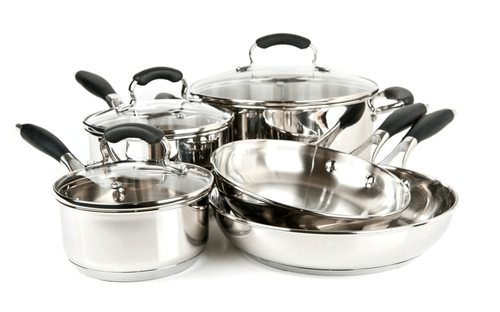
Pick cookware made from recycled or natural materials. Cast iron, stainless steel, and ceramic are good options. Avoid non-stick pans with harmful chemicals like PFOA or PFAS. Look for brands with clear eco-friendly policies and certifications. Select pieces that can be repaired or recycled easily.
Extending Cookware Lifespan
Care for your cookware to make it last longer. Clean pans gently to avoid damage. Use wooden or silicone utensils instead of metal ones. Store cookware properly to prevent scratches and dents. Fix small issues like loose handles quickly to avoid bigger problems.
Credit: www.sprucegrove.org
Frequently Asked Questions
How Can I Safely Dispose Of Old Cookware?
You can donate usable cookware or recycle metal pans at local centers. Avoid throwing them in regular trash to reduce waste.
Is It Possible To Recycle Non-stick Cookware?
Non-stick cookware often contains hazardous materials. Check with local recycling programs for specific guidelines before disposal.
Where To Donate Gently Used Cookware Near Me?
Local shelters, thrift stores, or community centers accept gently used cookware. Donating helps reduce waste and supports those in need.
Can Broken Cookware Be Thrown In Regular Trash?
Small broken pieces may go in regular trash, but check local rules. Recycling options are better for environmental safety.
Conclusion
Properly disposing of cookware helps protect the environment and saves space. Always check local rules for recycling or donation options. Many materials can be recycled or reused safely. Avoid throwing cookware in regular trash when possible. Small steps like this make a big difference.
Keep your kitchen clutter-free and eco-friendly by disposing responsibly. Simple actions lead to cleaner homes and healthier communities. Remember, caring for the planet starts with small choices every day.

Hello, This is Annie Walker, a 38-year-old blogger, founder, and editor of Cookware Guider from NY, USA. I am a cookware fanatic and passionate cooker. I love to cook with different types of cooking appliances (example: all types of cookware, rice cookers, slow cookers, etc) almost every day in my kitchen. I love to share my experience with my readers in my blog. Also, I enjoy helping people to solve their problems through my website. You can follow me on Twitter & Pinterest. To know details about my blog please check the about us page.