
Is your favorite cast iron cookware looking rusty and worn out? Don’t toss it away just yet.
You can bring it back to life with a few simple steps. Imagine cooking on your trusty skillet again, enjoying meals with that perfect sear and even heat. This guide will show you exactly how to fix rusted cast iron cookware so it’s safe, clean, and ready to use.
Keep reading, and you’ll learn easy, effective ways to restore your cast iron to its former glory. Your kitchen deserves it—and so do you.
Identifying Rust On Cast Iron
Rusted cast iron cookware needs quick attention to keep it safe and useful. Knowing how to find rust early helps protect your pans. Rust can change how your cast iron cooks and lasts. Spotting rust is the first step to fixing it and keeping your cookware strong.
Common Signs Of Rust
Rust looks like reddish-brown spots on the surface. It may feel rough or flaky to touch. Sometimes, rust covers small patches or spreads across the pan. You might see dull areas where the black coating fades. Rust often forms after water stays on the pan too long.
Impact Of Rust On Cooking
Rust can cause food to stick more than usual. It may change the flavor of your meals. Cooking on rusted cast iron can be unsafe for health. The pan may lose its non-stick qualities. Rust weakens the metal, making it break or crack over time.
Gathering Restoration Supplies
Restoring rusted cast iron cookware starts with gathering the right supplies. Having the proper tools and cleaning agents makes the process easier and more effective. Prepare everything before you begin to save time and avoid frustration. This helps you achieve the best results and bring your cookware back to life.
Essential Tools
First, collect the basic tools for rust removal and cleaning. A wire brush or steel wool works well to scrub off rust. Use a scrub pad for tougher spots. Have a scraper or spatula ready to remove stubborn rust layers. Gloves protect your hands from sharp edges and cleaning agents. A bucket or basin holds water for soaking the cookware. Finally, keep a clean cloth or paper towels nearby for drying.
Recommended Cleaning Agents
Choose cleaning agents that safely remove rust without damaging the cast iron. White vinegar is a popular and effective option. It breaks down rust quickly during soaking. Baking soda acts as a gentle abrasive for scrubbing. Dish soap helps remove grease and dirt after rust removal. Avoid harsh chemicals that can harm the cookware. Use mild, natural products to protect the cast iron’s surface.
Removing Rust From Cast Iron
Removing rust from cast iron is the first step to restore its cooking power. Rust can stop the pan from heating evenly and cause food to stick. Cleaning rust takes time but is easy with the right tools. Below are simple methods to remove rust and prepare your pan for seasoning.
Soaking Techniques
Soaking helps loosen rust from the cast iron surface. Fill a container with warm water and mild dish soap. Submerge the rusted pan fully. Let it soak for one to twelve hours, depending on rust level. After soaking, dry the pan completely to avoid new rust forming.
Scrubbing Methods
Scrubbing removes loosened rust and dirt. Use a stiff nylon brush or steel wool for rough rust. Scrub the pan in small circles for better cleaning. Avoid wire brushes that are too harsh and may damage the pan. Rinse the pan well after scrubbing and dry it thoroughly.
Using Vinegar And Baking Soda
Vinegar breaks down rust naturally. Mix equal parts white vinegar and water in a container. Soak the pan in this solution for up to four hours. Check often to prevent damage to the iron. After soaking, sprinkle baking soda on the pan. Scrub gently to neutralize the vinegar and lift rust. Rinse and dry the pan well before seasoning.

Credit: southerncastiron.com
Drying And Preparing For Seasoning
Drying and preparing your cast iron cookware is an important step before seasoning. Rust removal leaves the surface clean but wet. Water must be removed completely to stop new rust from forming. Proper drying also helps the oil stick better during seasoning. Preparing the surface ensures a smooth, even coat of oil. This improves the cookware’s non-stick ability and protects it from moisture.
Proper Drying Tips
Use a clean towel to dry the cast iron right after washing. Wipe every corner and crevice. Then, place the cookware on the stove over low heat. Heat it for a few minutes to evaporate any leftover moisture. Make sure the pan is completely dry before moving to the next step. Avoid air drying alone, as this can leave damp spots. Drying thoroughly prevents rust from coming back quickly.
Prepping Surface For Seasoning
After drying, the surface needs light preparation. Use a paper towel or cloth to apply a thin layer of cooking oil. Choose oils with high smoke points like vegetable or flaxseed oil. Rub the oil evenly over the entire pan, inside and out. Remove extra oil with a clean cloth to avoid sticky buildup. A thin coat helps seasoning bond well. Now, the pan is ready for the seasoning process that protects and restores it.
Seasoning Cast Iron Cookware
Seasoning cast iron cookware is essential to protect it from rust and create a natural non-stick surface. This process involves coating the pan with oil and heating it. The oil bonds to the metal, forming a hard, smooth layer. Proper seasoning makes cooking easier and improves the pan’s durability.
Choosing The Right Oil
Pick an oil with a high smoke point for best results. Flaxseed, canola, and vegetable oils work well. Avoid olive oil because it burns easily and leaves a sticky residue. Use fresh oil for a clean seasoning layer. The right oil helps build a strong, lasting coating.
Oven Seasoning Process
Start by cleaning the rust off the pan completely. Dry the pan thoroughly to prevent new rust. Apply a thin, even layer of oil inside and outside. Place the pan upside down on the middle oven rack. Heat the oven to 450°F (230°C) and bake for one hour. Turn off the oven and let the pan cool inside. Repeat this process two to three times for better seasoning.
Maintaining The Seasoned Surface
Clean the pan with warm water and a soft brush after each use. Avoid soap or harsh scrubbing that can remove the seasoning. Dry the pan fully before storing. Apply a light coat of oil after every use to keep the surface protected. Proper care keeps your cast iron smooth and rust-free for years.
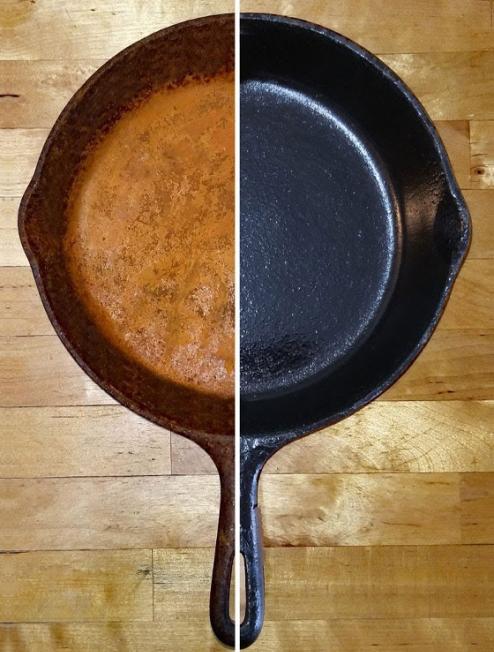
Credit: www.lodgecastiron.com
Preventing Future Rust
Preventing future rust on your cast iron cookware is key to keeping it durable and safe. Rust forms when moisture stays on the metal for long periods. Avoiding this helps your pan last for years. Simple habits make a big difference.
Cleaning After Each Use
Clean your cast iron right after cooking. Use warm water and a soft brush or sponge. Avoid soap, which can strip the seasoning. Dry the pan completely with a towel. Heat it on the stove for a minute to remove leftover moisture.
Storage Best Practices
Store cast iron in a dry place. Avoid stacking pans without protection; use paper towels between them. Keep the lid off or slightly open to allow air circulation. This stops moisture build-up that causes rust.
Regular Maintenance Tips
Apply a thin layer of oil after each cleaning. Use vegetable oil or shortening. Rub it evenly over the surface with a cloth. Heat the pan briefly to seal the oil. This keeps the seasoning strong and blocks rust.

Credit: www.youtube.com
Frequently Asked Questions
How Do You Remove Rust From Cast Iron Cookware?
To remove rust, scrub the cookware with steel wool or a wire brush. Rinse and dry thoroughly. Apply a thin layer of oil and bake it in the oven at 350°F for one hour to restore seasoning.
Can Vinegar Help Fix Rusted Cast Iron Pans?
Yes, vinegar helps dissolve rust. Soak the cast iron in a vinegar-water solution (equal parts) for up to one hour. Avoid over-soaking to prevent damage. Rinse, scrub off loosened rust, dry, and re-season the pan immediately.
How Do I Re-season Rusted Cast Iron Cookware?
After rust removal, coat the cookware with a thin layer of vegetable oil. Bake it upside down in the oven at 350°F for one hour. This process creates a protective, non-stick seasoning layer to prevent future rust.
Is It Safe To Use Rusted Cast Iron Cookware?
Minor rust is safe if removed properly before cooking. Severe rust can weaken the pan and affect food safety. Always clean, remove rust, and re-season before use to ensure safe cooking conditions.
Conclusion
Fixing rust on cast iron cookware is simple and rewarding. Clean the rust with a scrub brush or steel wool. Dry the pan completely to stop more rust. Apply a thin layer of oil to protect the surface. Regular care keeps your cookware strong and safe.
Use it often, and it will last for years. Rust does not have to ruin your favorite pan. Just follow these easy steps to restore it. Enjoy cooking with your cast iron once again.

Hello, This is Annie Walker, a 38-year-old blogger, founder, and editor of Cookware Guider from NY, USA. I am a cookware fanatic and passionate cooker. I love to cook with different types of cooking appliances (example: all types of cookware, rice cookers, slow cookers, etc) almost every day in my kitchen. I love to share my experience with my readers in my blog. Also, I enjoy helping people to solve their problems through my website. You can follow me on Twitter & Pinterest. To know details about my blog please check the about us page.