
Keeping your glass cooktop clean is not just about looks—it’s about safety and performance. Burnt-on stains can make cooking difficult and even damage your stove over time. Many people try to clean these marks but end up scratching the glass or making the mess worse. If you struggle with burnt food, melted plastic, or stubborn stains on your cooktop, you’re not alone. This guide will help you remove burnt residue safely and effectively, so your stove looks and works like new.
Why Burnt Stains Are Hard To Remove
Glass cooktops look modern and sleek, but their surface is sensitive. When food burns or spills, it hardens and sticks to the glass. Regular wiping won’t remove these marks. If you use rough tools or harsh chemicals, you may leave scratches or cloudiness. Glass surfaces are easy to scratch, and deep stains can affect how well your burners work. Understanding the challenge helps you pick the right cleaning methods.
Safety First: Preparing To Clean
Before you start cleaning, make sure your cooktop is completely cool. Cleaning a hot stove can cause burns or make cleaning products evaporate too quickly. Unplug the stove if possible, and remove loose debris with a soft cloth.
Tools And Supplies Needed
You’ll need:
- Plastic scraper or razor blade (optional, for tough stains)
- Cooktop cleaner (specialized for glass surfaces)
- Baking soda
- White vinegar
- Soft microfiber cloths
- Paper towels
- Gloves (to protect your hands)
Never use steel wool, rough sponges, or abrasive powders. They can scratch the glass and leave permanent marks.
Credit: www.reddit.com
Step-by-step Cleaning Methods
Here are proven ways to get burnt residue off your glass cooktop without causing damage.
1. Gentle Daily Cleaning
After each use, wipe the cooktop with a damp microfiber cloth. This prevents buildup, making deep cleaning easier. For small spills, use a soft sponge and warm water. Dry with a paper towel.
2. Removing Light Burnt Spots
For minor burnt-on food:
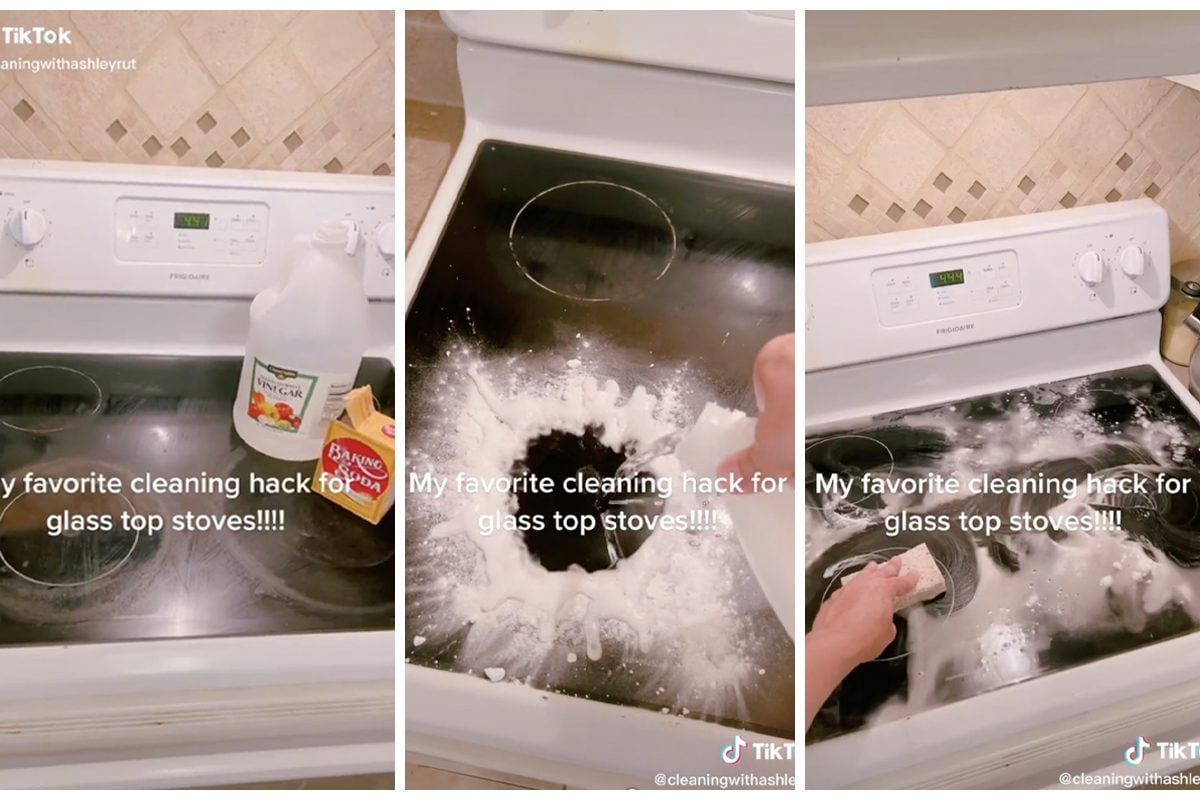
- Sprinkle a little baking soda over the stain.
- Drip a few drops of white vinegar onto the baking soda.
- Let it fizz for 5–10 minutes.
- Wipe gently with a damp cloth.
- Rinse and dry.
This method uses the power of baking soda and vinegar to lift stains without scratching. It works for most light marks.
3. Deep Cleaning Tough Burnt Residue
For heavy, baked-on stains:
- Apply a small amount of cooktop cleaner directly onto the burnt area.
- Lay a damp cloth on top and let it sit for 15–20 minutes.
- Use a plastic scraper at a shallow angle to loosen the residue.
- Wipe away with a clean cloth.
- Repeat if needed.
If you don’t have a cooktop cleaner, mix baking soda and water to form a paste and use it as above. Avoid using too much force with the scraper, and only use a razor blade if your manufacturer allows it.
4. Melted Plastic Or Sugar Stains
These are harder to remove because they bond with the glass. If you spill melted plastic or sugar:
- Turn off the stove and let it cool.
- Gently scrape away as much as possible with a plastic scraper.
- Apply a cooktop cleaner and let it soak.
- Use a soft cloth to wipe the area.
Never use sharp metal tools or excessive pressure, as this can cause scratches.
Practical Tips For Glass Cooktop Care
Cleaning is easier if you prevent stains before they happen. Here are some useful tips:
- Always wipe spills as soon as the cooktop cools.
- Avoid dragging pots and pans across the glass.
- Use cookware with smooth bottoms.
- Don’t use cleaners with ammonia or bleach.
- Test new cleaners on a small area first.
Most people overlook the importance of using the right cloth. Always use microfiber—it grabs dirt without scratching.
Comparing Cleaning Methods
To help you choose the best cleaning method, here’s a quick comparison:
| Cleaning Method | Effectiveness | Safety | Cost |
|---|---|---|---|
| Baking Soda & Vinegar | Good for light stains | Very safe | Low |
| Cooktop Cleaner | Excellent for tough stains | Safe if used correctly | Medium |
| Plastic Scraper | Works on stubborn residue | Safe if gentle | Low |
| Razor Blade | Removes heavy stains | Risk of scratching | Low |
Choosing the right method depends on the type and severity of the stain. For most daily cleaning, baking soda and vinegar are enough.
Mistakes To Avoid
Even experienced cooks make mistakes when cleaning glass cooktops. Here are some common errors:
- Using abrasive pads: These scratch the surface and make future stains stick more.
- Applying too much force: Scraping hard can leave visible marks.
- Ignoring manufacturer’s instructions: Some brands warn against razor blades.
- Letting spills harden: The longer you wait, the harder to clean.
A surprising insight: Many people use soap and water, but soap can leave streaks and dull the shine. Stick to specialized cleaners or baking soda.
Credit: www.familyhandyman.com
How Often Should You Clean Your Glass Cooktop?
Frequency depends on your cooking habits. If you cook daily, wipe the cooktop after every use and deep clean once a week. For occasional use, deep cleaning once a month is enough.
| Cooking Frequency | Wipe After Use | Deep Clean |
|---|---|---|
| Daily | Every time | Weekly |
| Few times a week | Most times | Biweekly |
| Occasional | As needed | Monthly |
This schedule keeps your glass cooktop looking good and working well.
Professional Cleaning Vs Diy
Some stains are nearly impossible to remove at home. If you see deep discoloration, cracks, or cloudiness, consider professional cleaning. Experts use special tools and products that are not available in stores. However, most burnt stains can be removed with the methods above.
Professional cleaning may cost $50–$150, depending on your area and stove size. DIY methods are much cheaper and usually effective.
When Replacement Is Needed
If your cooktop has deep scratches, chips, or cracks, cleaning won’t solve the problem. Using a damaged cooktop is risky—it can lead to electric shorts or further breakage. In such cases, contact your manufacturer or a repair service. Most glass cooktops last 5–10 years with good care.
Real-life Example
Imagine you spill tomato sauce and let it burn onto your cooktop. After cooling, the stain feels hard and sticky. You sprinkle baking soda and vinegar, wait, and wipe. But the mark stays. Next, you use a cooktop cleaner and let it soak.
After 20 minutes, you gently scrape with a plastic tool. The stain lifts off, and your cooktop is shiny again.
This step-by-step approach is more effective than scrubbing with force or using soap.
Useful Data: Glass Cooktop Longevity
A well-maintained glass cooktop can last up to 10 years. Most failures happen because of scratches or cracks caused by improper cleaning. Research shows that over 40% of glass cooktop repairs are due to cleaning mistakes. Investing in safe cleaning pays off over time.
Extra Tips Most People Miss
- Always clean the cooktop before using it for the first time—factory residue can burn and cause stains.
- If you spill sugary foods (like jam), clean immediately—sugar bonds to glass and is very hard to remove.
- Use distilled water for cleaning if you have hard water—it prevents streaks.
These tips are often overlooked but can save you trouble later.

Credit: www.reddit.com
Recommended Products
Look for cooktop cleaners that are made for glass surfaces. Brands like Cerama Bryte and Weiman are popular in the US and offer safe formulas. Always check the label for warnings or directions.
For more information on cooktop cleaning products, visit the Consumer Reports website.
Frequently Asked Questions
How Do I Know If A Stain Is Permanent?
If the stain feels rough, is discolored, and doesn’t come off after several cleaning attempts, it may be permanent. Deep scratches or chips cannot be fixed with cleaning.
Can I Use A Razor Blade On My Glass Cooktop?
Only if your cooktop’s manufacturer allows it. Use the blade at a shallow angle and never apply too much pressure. Always check the manual first.
What Happens If I Use Bleach Or Ammonia?
These chemicals can damage the glass and leave harmful fumes. They may also react with burnt residue and make stains worse. Stick to recommended cleaners.
Is It Safe To Cook On A Stained Cooktop?
Yes, but performance may be affected. Burnt stains can cause uneven heating. For best results, clean stains as soon as possible.
How Can I Prevent Burnt Stains In The Future?
Wipe spills quickly, use cookware with smooth bottoms, and deep clean regularly. Avoid cooking sugary foods directly on the glass.
Keeping your glass cooktop clean is simple when you use the right tools and methods. Avoid harsh chemicals and rough scrubbing. Regular care helps your cooktop last longer and keeps your kitchen looking its best. If you face a stubborn stain, try the steps above, and remember—gentle cleaning is always better than force.
With practice, your cooktop will stay bright and clear for years.

Hello, This is Annie Walker, a 38-year-old blogger, founder, and editor of Cookware Guider from NY, USA. I am a cookware fanatic and passionate cooker. I love to cook with different types of cooking appliances (example: all types of cookware, rice cookers, slow cookers, etc) almost every day in my kitchen. I love to share my experience with my readers in my blog. Also, I enjoy helping people to solve their problems through my website. You can follow me on Twitter & Pinterest. To know details about my blog please check the about us page.