
Cooking fish at home often feels intimidating, especially if you want a golden, restaurant-quality crust. Yet, pan-frying cod is surprisingly simple and delivers delicious results in minutes. Cod is a mild, flaky white fish that works well with many flavors. It’s perfect for busy weeknights or when you want a healthy, satisfying meal without much fuss.
This guide will show you exactly how to pan fry cod—from choosing the right fillets to serving your perfectly cooked fish. You’ll learn what tools make the process easier, how to avoid common mistakes, and ways to add extra flavor.
Whether you’re a beginner or an experienced home cook, you’ll find practical tips that help you achieve crispy, moist cod every time.
Why Pan Fry Cod?
Pan-frying is one of the best cooking methods for cod. It gives the fish a crispy crust while keeping the inside soft and juicy. Many people choose to bake or steam cod, but pan-frying adds a layer of flavor and texture you simply can’t get from other methods.
Cod is also an excellent source of lean protein, low in fat, and rich in vitamins like B12 and minerals such as selenium. It’s a popular choice for those who want a healthy meal that doesn’t sacrifice taste.
Choosing The Best Cod For Pan Frying
The quality of your fish matters. When pan-frying cod, you want the freshest fillets possible. Here’s what to look for:
- Firm texture: Press the fillet gently. It should bounce back and not feel mushy.
- Translucent flesh: Fresh cod looks slightly shiny and moist, not dull or dry.
- Mild smell: It should smell like the sea, not fishy or sour.
Fresh Vs. Frozen Cod
You can use either fresh or frozen cod, but there are a few differences. Fresh cod is best when you can find it, but high-quality frozen fillets are a close second. Always thaw frozen cod completely in the refrigerator before cooking.
Below is a quick comparison of fresh and frozen cod for pan-frying:
| Feature | Fresh Cod | Frozen Cod |
|---|---|---|
| Texture | Firmer, flakes well | Slightly softer after thawing |
| Flavor | Brighter, mild taste | Can be milder if frozen quickly |
| Convenience | Needs to be cooked soon after purchase | Can be stored for months |
Pro tip: If you use frozen cod, pat the fillets very dry after thawing. Extra moisture can prevent browning.
Tools And Ingredients You Need
You don’t need fancy equipment to pan fry cod, but a few key tools make the process easier.
Essential Tools
- Non-stick or stainless steel skillet: At least 10 inches wide, so fillets don’t crowd the pan.
- Fish spatula: Thin, flexible, and perfect for flipping delicate fillets.
- Paper towels: For drying the fish—this step is essential for crispiness.
- Tongs or fork: For easy handling.
Key Ingredients
- Cod fillets: Aim for pieces about 1-inch thick for even cooking.
- Salt and pepper: Simple seasoning helps cod’s natural flavor shine.
- All-purpose flour or cornmeal: Creates a golden crust.
- Oil with high smoke point: Canola, vegetable, or avocado oil work well.
- Butter (optional): Adds flavor and helps with browning.
- Lemon wedges: Brightens up the dish at the end.
Ingredient Table
Here’s a basic ingredient list for four servings:
| Ingredient | Amount |
|---|---|
| Cod fillets | 4 pieces (about 6 oz each) |
| Salt | 1/2 teaspoon |
| Black pepper | 1/4 teaspoon |
| All-purpose flour | 1/2 cup |
| Cooking oil | 2 tablespoons |
| Butter (optional) | 1 tablespoon |
| Lemon wedges | To serve |
Preparing Cod For Pan Frying
How you prepare your cod will affect both its taste and texture. Skipping steps can lead to soggy or unevenly cooked fish.
Step 1: Thaw And Dry
If your cod is frozen, thaw it overnight in the refrigerator. Never use a microwave—this dries out the fish. Once thawed or if using fresh, pat the fillets dry with paper towels. Removing surface moisture is key for a crispy crust.
Step 2: Season And Dredge
- Sprinkle salt and pepper evenly on both sides of each fillet.
- Place flour or cornmeal in a shallow dish. Lightly coat each fillet, shaking off excess.
Why flour? It helps the crust brown and gives a little crunch. Too much, and you’ll taste flour instead of fish.
Step 3: Rest (optional)
Let the coated fillets sit for 5 minutes. This helps the flour bond to the fish, so less comes off in the pan.
Pan Frying Cod: Step-by-step
Now it’s time to cook. Timing and temperature make all the difference.
Step 1: Heat The Pan
Place your skillet on medium-high heat. Add oil and let it get hot but not smoking. If you flick a drop of water into the oil, it should sizzle right away.
Insider tip: Don’t rush this step. If the oil isn’t hot enough, the fish will absorb it and become greasy.
Step 2: Add The Fillets
Place the cod in the pan, skin-side down if it has skin. Don’t crowd the skillet—give each piece room. If needed, cook in batches.
- Do not move the fish for the first 2-3 minutes. This allows the crust to form and prevents sticking.
Step 3: Flip And Finish
When the edges turn golden and the fish releases easily, use your spatula to gently flip. Cook the other side for another 2-4 minutes, depending on thickness.
- For extra flavor, add a tablespoon of butter to the pan after flipping.
- Spoon melted butter over the top for richness.
Step 4: Check For Doneness
Perfectly pan-fried cod is opaque and flakes easily with a fork. The internal temperature should reach 145°F (63°C).
Beginner mistake: Overcooking. Cod cooks quickly. Remove from heat as soon as it’s done; it will keep cooking off the heat.
Step 5: Serve Immediately
Transfer the fillets to a plate lined with paper towels to soak up any extra oil. Serve hot with lemon wedges.
Flavor Variations And Seasonings
Cod’s neutral taste makes it a great base for many flavors. Try these simple ideas to change things up:
- Cajun style: Add paprika, garlic powder, cayenne, and thyme to your flour.
- Herb crust: Mix chopped parsley, dill, or basil into the flour.
- Parmesan crust: Blend grated parmesan with your flour for a cheesy finish.
- Asian twist: Use panko breadcrumbs and drizzle with soy sauce and sesame oil after frying.
You can also finish with a squeeze of fresh lemon juice, a sprinkle of capers, or a light drizzle of olive oil.
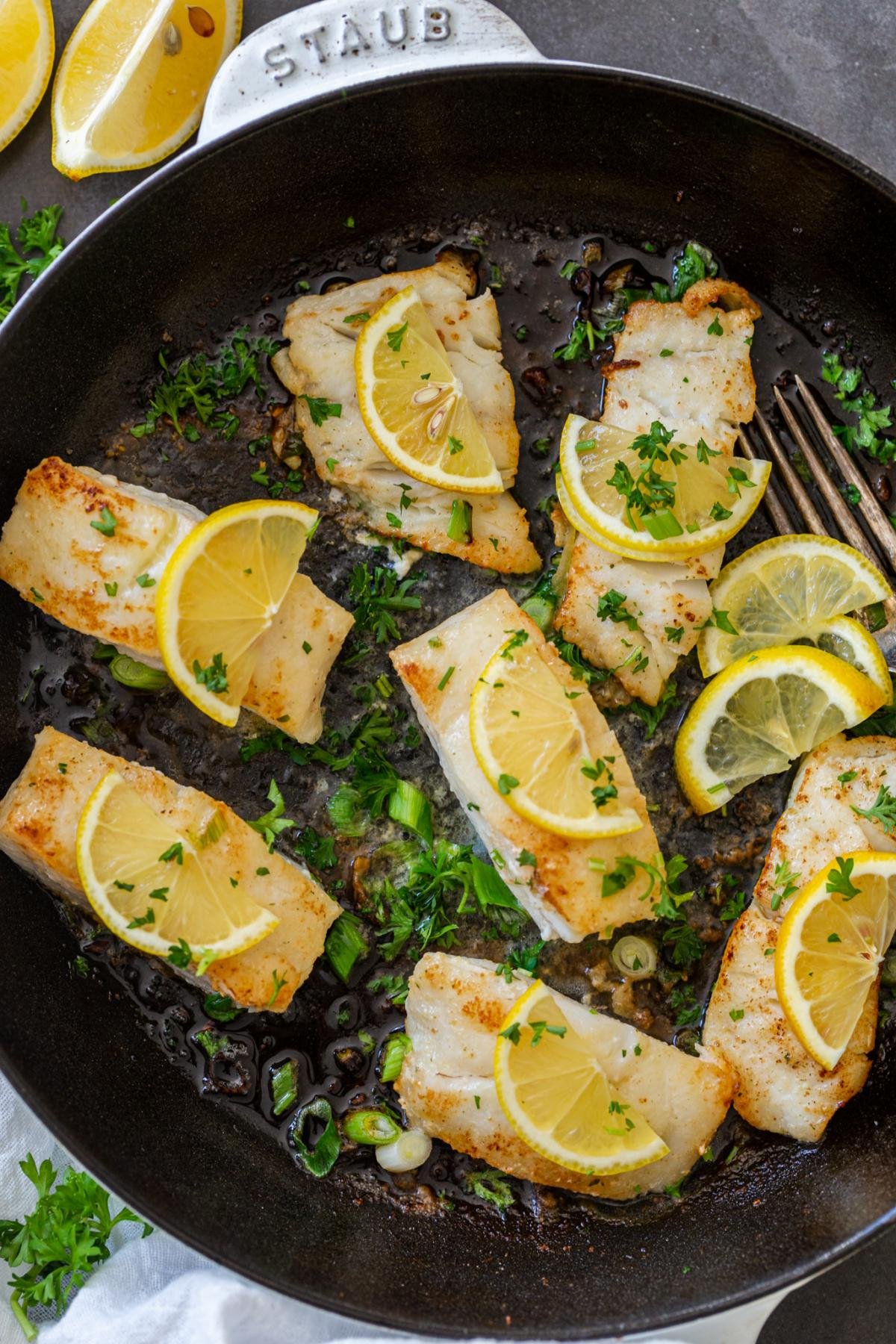
Credit: momsdish.com
Common Pan Frying Mistakes (and How To Avoid Them)
Even experienced cooks sometimes struggle with pan-frying fish. Here are mistakes to watch for:
- Pan too cold: Fish absorbs oil and gets soggy.
- Crowded skillet: Steams the fish instead of crisping it.
- Not drying fillets: Moisture prevents browning.
- Moving fish too soon: Causes sticking and tears the crust.
- Overcooking: Dries out the cod, making it tough.
Extra tip: If your fillets stick, let them cook a bit longer. As the crust forms, they’ll release more easily.
Side Dishes That Pair Well With Pan-fried Cod
Cod is versatile and goes with many side dishes. Here are a few classic and modern ideas:
- Steamed or roasted vegetables: Asparagus, broccoli, or carrots.
- Rice or quinoa: Simple grains soak up the flavors.
- Mashed potatoes or cauliflower: Creamy sides balance the crispy fish.
- Simple salad: Mixed greens with a light vinaigrette.
- Coleslaw: Adds crunch and a hint of sweetness.
How To Store And Reheat Leftover Cod
Leftover cod can be tasty, but it needs care to stay moist and flavorful.
- Cool leftovers quickly: Don’t leave cooked fish at room temperature for more than two hours.
- Store in airtight container: Keeps out odors and prevents drying.
- Refrigerate for up to 2 days. Cod does not freeze well after cooking—it becomes mushy.
Reheating
- Use a non-stick pan over low heat.
- Add a splash of water or broth and cover to keep moisture in.
- Heat for 2-3 minutes per side, just until warmed through.
Pan Frying Cod Vs. Other Cooking Methods
How does pan-frying compare to baking, broiling, or steaming? Each method has its strengths, but pan-frying offers unique texture and flavor.
Here’s a quick look at how methods differ:
| Method | Texture | Flavor | Time |
|---|---|---|---|
| Pan Frying | Crispy exterior, moist inside | Rich, browned | 6-8 minutes |
| Baking | Even, soft | Mild | 12-15 minutes |
| Broiling | Lightly crisped top | Intense, slightly smoky | 6-10 minutes |
| Steaming | Very moist, delicate | Pure, clean | 7-9 minutes |
Pan frying stands out for its speed and the satisfying crunch it gives the cod—something you don’t get from steaming or baking.
Nutritional Benefits Of Pan-fried Cod
Cod is naturally low in calories and fat, making it a smart choice for a balanced diet. A 6-ounce serving of pan-fried cod (with a light flour coating and minimal oil) provides:
- Calories: About 180-220
- Protein: 30-32 grams
- Fat: 3-6 grams (depends on oil/butter used)
- Carbohydrates: 6-8 grams (mainly from flour coating)
Cod is also a good source of vitamin B12, niacin, phosphorus, and selenium. These nutrients support metabolism, heart health, and immune function.
Note: Using more oil or butter will increase fat and calories. For a lighter dish, use less oil and skip the butter.
Cooking Tips Most Beginners Miss
A few details can elevate your pan-fried cod from good to great:
- Let fish come to room temperature: Set your fillets on the counter for 15-20 minutes before cooking. Cold fish in a hot pan can cook unevenly.
- Use enough oil: Too little oil can cause sticking and uneven browning. You don’t need to deep fry, but there should be a thin layer coating the pan.
- Preheat the skillet fully: A hot pan sears the crust quickly, sealing in juices.
- Finish with acid: Lemon juice, vinegar, or a splash of white wine at the end brightens flavors and cuts richness.
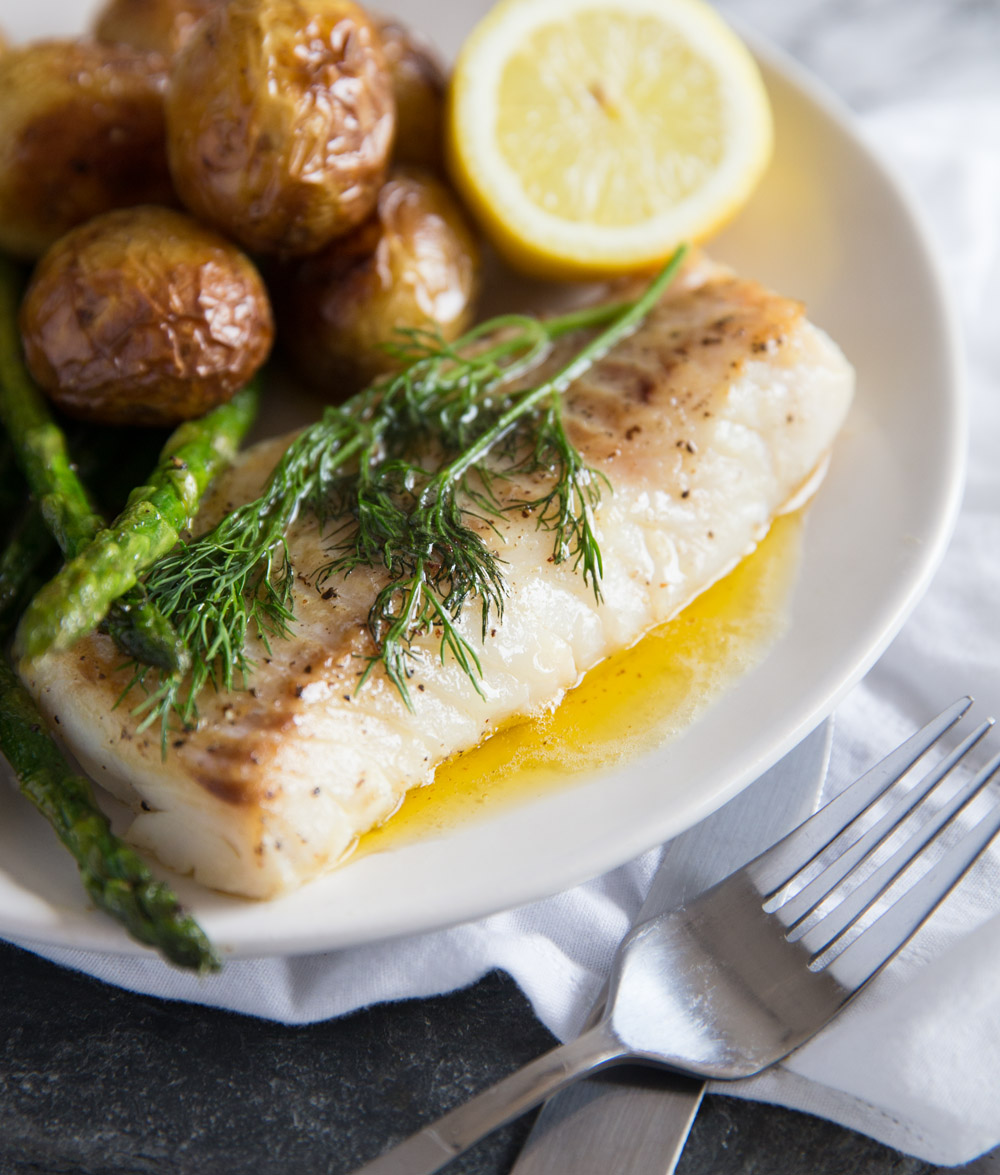
Credit: www.dontgobaconmyheart.co.uk
Pan Frying Cod: Step-by-step Summary
For quick reference, here’s the whole process in brief:
- Thaw and dry cod fillets.
- Season with salt and pepper.
- Dredge in flour, shake off excess.
- Heat pan with oil on medium-high.
- Add fillets skin-side down, don’t crowd.
- Let cook undisturbed for 2-3 minutes.
- Flip gently, cook 2-4 minutes more.
- Add butter after flipping (optional).
- Check doneness: Flakes easily, opaque, 145°F inside.
- Serve hot with lemon wedges.
Frequently Asked Questions
How Do I Keep Cod From Sticking To The Pan?
Make sure your fish is very dry before you start. Use a hot, well-oiled pan and don’t move the fillets until the crust forms. A thin fish spatula also helps prevent tearing.
Can I Use Olive Oil For Pan Frying Cod?
Yes, but choose light olive oil instead of extra virgin. Light olive oil has a higher smoke point, so it won’t burn as easily. Too much heat can make extra virgin olive oil taste bitter.
How Do I Know When Cod Is Cooked Through?
Cod is done when it’s opaque and flakes easily with a fork. The internal temperature should reach 145°F (63°C). If you don’t have a thermometer, check the thickest part with a fork.
What Can I Use Instead Of Flour To Coat Cod?
Cornmeal, panko breadcrumbs, or crushed crackers all work. For a gluten-free option, try rice flour or almond flour. Each gives a slightly different texture.
Is Pan-fried Cod Healthy?
Yes, when cooked with minimal oil and a light coating. Cod is low in calories, high in protein, and full of nutrients. Pair it with vegetables and whole grains for a balanced meal. For more on cod nutrition, see Seafood Nutrition Partnership.
Pan-frying cod at home is rewarding and easier than many expect. With the right technique, you get a crisp, flavorful fish that’s both healthy and satisfying. Try different seasonings and sides to keep this meal interesting every time you make it.
Cooking cod this way is a skill you’ll come back to again and again.

Credit: momsdish.com

Hello, This is Annie Walker, a 38-year-old blogger, founder, and editor of Cookware Guider from NY, USA. I am a cookware fanatic and passionate cooker. I love to cook with different types of cooking appliances (example: all types of cookware, rice cookers, slow cookers, etc) almost every day in my kitchen. I love to share my experience with my readers in my blog. Also, I enjoy helping people to solve their problems through my website. You can follow me on Twitter & Pinterest. To know details about my blog please check the about us page.