
Cooking a perfect filet mignon at home feels like a luxury, but it’s easier than many think. This prized cut is known for its tender texture and mild flavor. Pan frying, or pan searing, is one of the best ways to cook filet mignon because it creates a rich crust while keeping the inside juicy.
Whether you want to impress guests or treat yourself, mastering this method can elevate your cooking skills. You don’t need a fancy kitchen—just good ingredients, a reliable pan, and a few important tips.
Many people worry about overcooking or undercooking filet mignon. Some stress about using too much oil, not enough seasoning, or choosing the right pan. Others try to mimic restaurant styles, often missing simple steps that make a big difference. In this guide, you’ll learn how to pan fry filet mignon from start to finish, with detailed steps, practical advice, and clear explanations.
This article also covers common mistakes and shares secrets that even beginners can use to get restaurant-quality results at home.
What Makes Filet Mignon Special
Filet mignon comes from the tenderloin, a muscle that does very little work in the cow. Because of this, it is much softer than other cuts like ribeye or sirloin. It’s also lean, with little fat or connective tissue. The result is a steak that almost melts in your mouth. However, the lower fat means it can dry out quickly if overcooked or not handled carefully.
Here’s how filet mignon compares to other popular steaks:
| Cut | Tenderness | Flavor | Fat Content |
|---|---|---|---|
| Filet Mignon | Very High | Mild | Low |
| Ribeye | High | Rich, Beefy | High |
| Sirloin | Medium | Beefy | Medium |
| New York Strip | High | Strong | Medium-High |
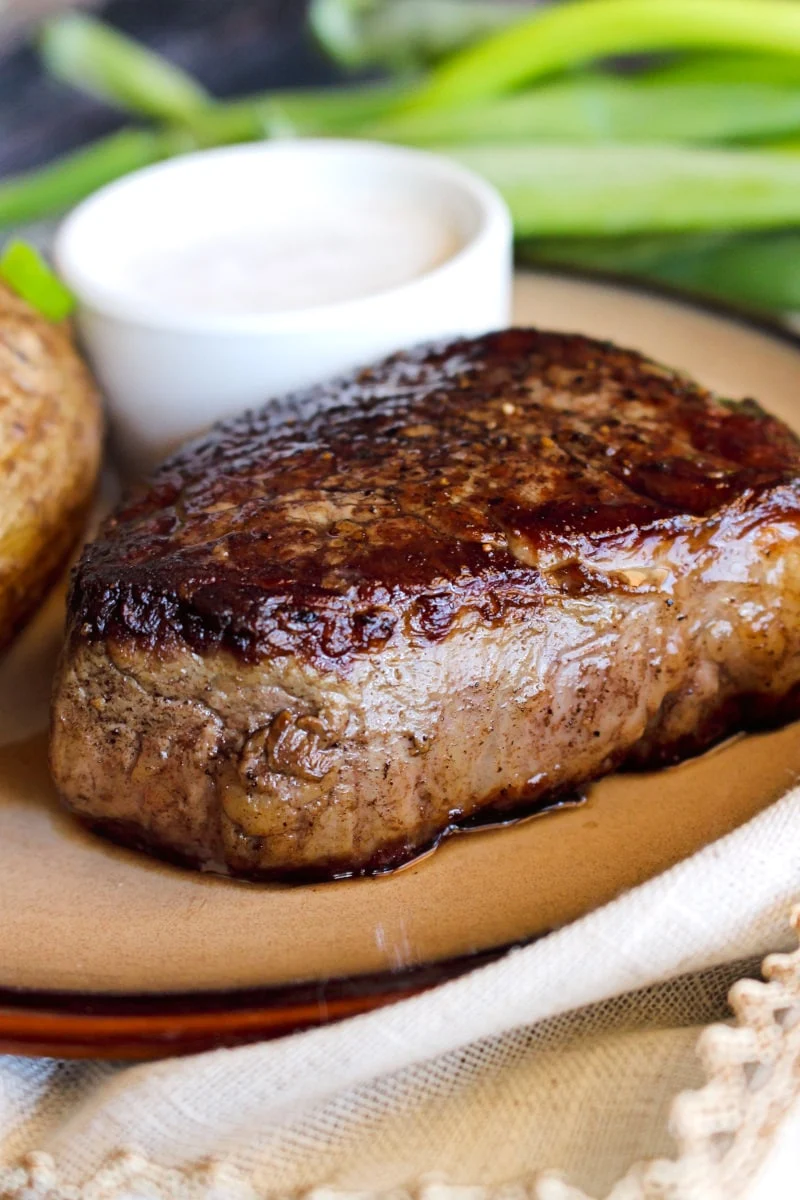
Because filet mignon is so tender, it’s often served thick—about 1. 5 to 2 inches. Thinner steaks cook too fast and can turn tough. The goal is a golden-brown crust outside and a soft, juicy center.
Choosing The Right Filet Mignon
Picking the right piece of meat is the first step toward a great steak. Not all filet mignon is equal. Here’s what to look for:
- Thickness: Aim for steaks about 1.5 to 2 inches thick. This helps you get a good sear while keeping the inside tender and pink.
- Color: Look for a bright, cherry-red color. Avoid brown or gray spots, which can mean the steak is old.
- Marbling: Some small streaks of fat (marbling) add flavor, even in filet mignon.
- Shape: A round, even shape cooks more evenly.
- Source: If possible, choose USDA Prime or Choice grade. Grass-fed beef tends to be leaner, while grain-fed can be a bit more buttery.
Buying from a local butcher often means higher quality and fresher meat. Ask the butcher to trim silver skin or tie the steak with butcher’s twine if needed. This helps the steak keep its shape and cook evenly.
Essential Tools And Ingredients
You don’t need special gadgets, but having the right basics helps a lot.
Tools
- Heavy skillet: Cast iron or stainless steel pans work best. They hold and distribute heat evenly, creating a good sear.
- Tongs: For flipping and handling the steak without piercing it.
- Instant-read thermometer: Essential for checking doneness.
- Small spoon: For basting with butter.
- Paper towels: For drying the steak.
Ingredients
- Filet mignon steaks (1.5–2 inches thick, 6–8 oz each)
- Kosher salt and freshly ground black pepper
- High-heat oil (grapeseed, canola, or vegetable oil)
- Unsalted butter (2–3 tablespoons)
- Fresh herbs (like thyme or rosemary)
- Garlic cloves (crushed, optional)
If you want to add extra flavor, you can use a little steak rub or finish with sea salt. But for filet mignon, simple is usually best.
Preparing Filet Mignon For Pan Frying
Great results begin before the steak even hits the pan.
Let The Steak Come To Room Temperature
Take the filet mignon out of the fridge at least 30–45 minutes before cooking. This helps it cook more evenly. Cold steak can cook unevenly and become tough in the center.
Dry The Surface
Pat the steak dry with paper towels. Removing surface moisture is key to getting a crisp, brown crust.
Season Generously
Sprinkle both sides with kosher salt and freshly ground black pepper. Don’t be shy—steak needs more salt than you might think. Salt not only adds flavor but also helps form that savory crust.
Optional: Tie With Butcher’s Twine
If the steak is uneven or loose, tie a loop of butcher’s twine around the side. This helps it hold a round shape and cook evenly.
Step-by-step: How To Pan Fry Filet Mignon
Here’s a clear, practical process for perfect filet mignon every time.
1. Preheat Your Pan
Place your skillet on the stove and heat it over medium-high for about 3–5 minutes. The pan should be very hot before the steak touches it. A drop of water should sizzle and evaporate right away.
2. Add Oil
Pour in just enough high-heat oil to thinly coat the bottom. Wait until the oil shimmers but doesn’t smoke.
3. Sear The Steak
Gently lay the steak in the pan, using tongs. Press down slightly to ensure full contact with the surface. Do not move the steak for the first 2–3 minutes. This allows a good crust to form.
Sear the first side for 2–3 minutes, then flip and sear the other side for another 2–3 minutes. For thicker steaks, also sear the edges for 30–60 seconds per side, using tongs to hold the steak upright.
4. Add Butter, Herbs, And Garlic
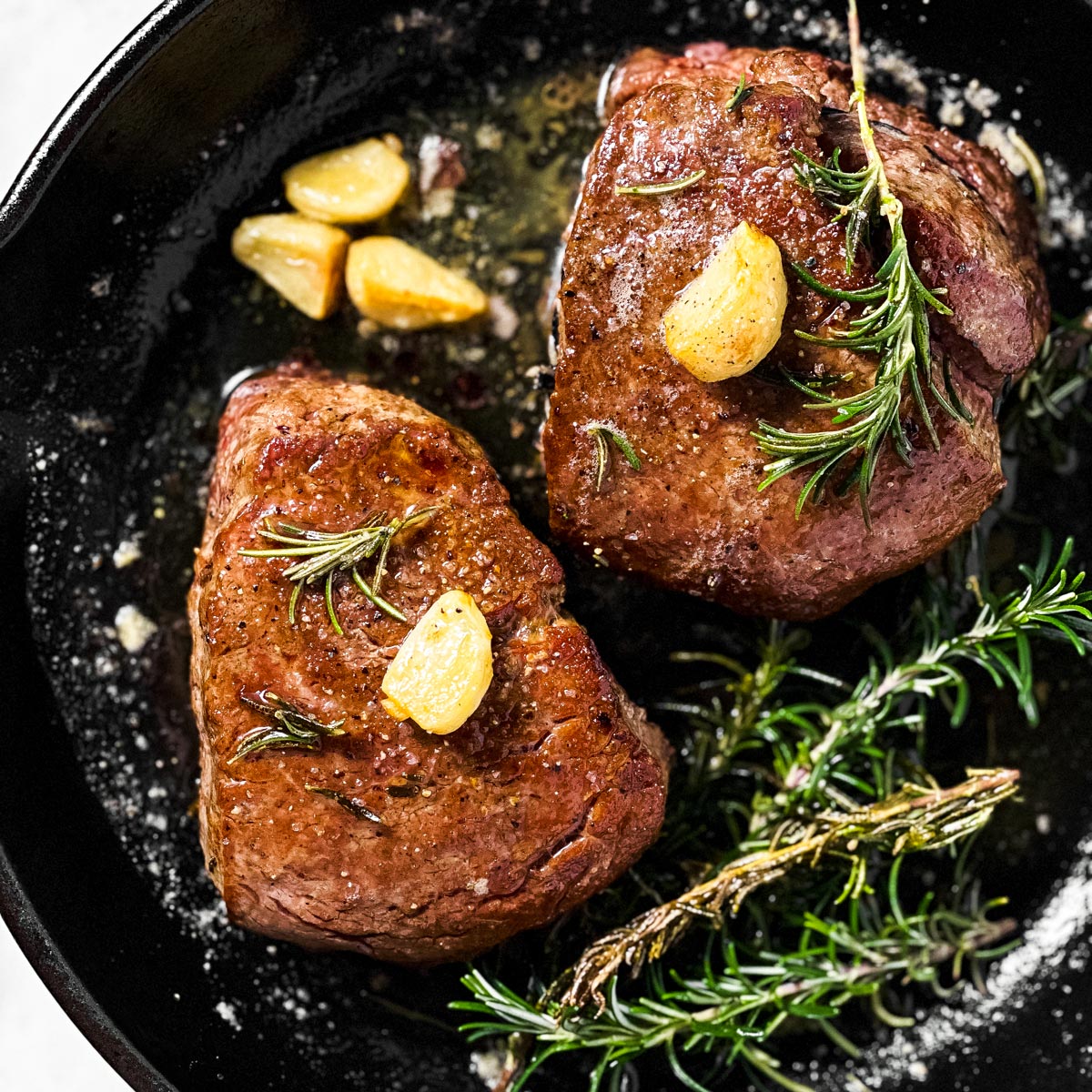
Reduce the heat to medium-low. Add unsalted butter, fresh herbs, and crushed garlic to the pan. As the butter melts, tilt the pan slightly and use a spoon to baste the steaks with the melted butter. This adds flavor and helps finish the cooking.
5. Finish To Desired Doneness
Keep cooking, flipping the steaks every minute and basting, until you reach your preferred doneness. Use an instant-read thermometer to check the center.
Here are common doneness levels:
| Doneness | Internal Temp (°F) | Color Inside |
|---|---|---|
| Rare | 120–125 | Red, cool center |
| Medium Rare | 130–135 | Warm red center |
| Medium | 140–145 | Pink, hot center |
| Medium Well | 150–155 | Slightly pink center |
| Well Done | 160+ | Little or no pink |
For filet mignon, medium rare (130–135°F) is the most popular and recommended. This keeps the steak soft, juicy, and flavorful.
6. Rest The Steak
Remove the steak from the pan and place it on a plate. Tent it loosely with foil and let it rest for 5–10 minutes. Resting allows juices to redistribute, making the steak moist and tender.
Cooking Time And Serving Size
Cooking time depends on thickness and your stove, but here is a general guide for a 1.5–2 inch thick filet mignon:
- Rare: 6–8 minutes total
- Medium Rare: 8–10 minutes total
- Medium: 10–12 minutes total
Each steak (6–8 oz) serves one person. For a meal, plan on one steak per person, plus sides.

Credit: kalejunkie.com
Common Mistakes (and How To Avoid Them)
Even experienced cooks make errors with filet mignon. Here are some frequent problems and how to fix them:
- Pan Not Hot Enough: If the pan is not hot, the steak steams instead of sears. Always preheat your pan until it’s very hot.
- Overcrowding The Pan: Cooking too many steaks at once lowers the pan’s temperature. Cook in batches if needed.
- Not Drying The Steak: Moisture on the steak’s surface prevents browning. Always pat dry with paper towels.
- Underseasoning: Filet mignon is mild. Salt and pepper bring out its flavor. Don’t skimp.
- Overcooking: Filet mignon dries out if cooked past medium. Use a thermometer for best results.
- Skipping Rest Time: Cutting into the steak too soon lets juices run out. Always rest before serving.
A less obvious mistake: using olive oil for searing. Olive oil has a low smoke point and can burn, adding a bitter taste. Use oils with high smoke points instead.
Basting: The Secret To Flavor
Basting is the process of spooning hot butter, herbs, and garlic over the steak as it finishes cooking. This not only adds flavor but also helps cook the top surface gently. Some think basting is only for professionals, but it’s simple and makes a big difference.
Use a regular spoon and tilt the pan to collect the melted butter.
Try using different fresh herbs (like sage or tarragon) for unique flavors. But always add herbs and garlic after searing, to avoid burning them.
Credit: www.thetwobiteclub.com
Should You Finish In The Oven?
Many recipes finish filet mignon in the oven after searing. For 1. 5–2 inch steaks, pan frying alone works well. The oven is useful for thicker steaks (over 2 inches) or when cooking several steaks at once.
If you want to finish in the oven:
- Preheat oven to 400°F.
- After searing both sides, transfer the skillet to the oven.
- Cook until the steak reaches your target temperature.
- Rest before serving.
For most home cooks, the stovetop method is faster and gives more control.
Toppings And Sauces
Filet mignon’s mild taste pairs well with many toppings. Here are some favorites:
- Herb butter: Mix softened butter with fresh herbs and a little lemon zest.
- Mushroom sauce: Sauté mushrooms, shallots, a splash of wine, and cream.
- Peppercorn sauce: Crushed peppercorns, cream, and a dash of brandy.
You can also finish with a sprinkle of flaky sea salt or a drizzle of good olive oil. Avoid heavy sauces that cover the steak’s flavor.
Side Dishes That Shine
A rich steak like filet mignon deserves sides that complement, not overpower. Here are some classic choices:
- Garlic mashed potatoes: Creamy, buttery potatoes balance the steak’s richness.
- Grilled asparagus: Adds a fresh, green note.
- Roasted carrots: Sweetness pairs well with the mild beef.
- Simple salad: Arugula, lemon vinaigrette, and shaved parmesan.
- Red wine reduction: A splash of sauce on the plate for added depth.
For a full steakhouse feel, add a small baked potato or creamed spinach.
Pan Frying Filet Mignon Vs. Other Methods
How does pan frying compare to grilling, broiling, or sous vide? Each method has strengths, but pan frying offers a few unique benefits.
| Method | Pros | Cons |
|---|---|---|
| Pan Frying | Best crust, easy to control, ideal for small kitchens | May produce smoke, limited to 1–2 steaks at a time |
| Grilling | Smoky flavor, good for outdoor cooking | Harder to control temperature, can dry out the steak |
| Broiling | Quick, uses oven’s high heat | Easy to overcook, less control over crust |
| Sous Vide | Perfectly even doneness, very tender | Extra steps, requires special equipment, less crust |
Pan frying stands out for home cooks who want maximum flavor and control without special gear.
Credit: www.savorynothings.com
Two Non-obvious Tips For Better Filet Mignon
Many people skip these steps, but they can make your filet mignon even better:
- Rest the steak on a wire rack, not a plate. This prevents steam from collecting under the steak, keeping the crust crisp. If you don’t have a rack, loosely tent with foil and avoid covering tightly.
- Use a little Dijon mustard on the steak before seasoning. This adds flavor and helps the crust form. Just a thin layer—most people won’t even taste the mustard, but it adds depth.
Try these on your next filet mignon for a professional touch.
Storing And Reheating Leftover Filet Mignon
Filet mignon is best enjoyed fresh, but if you have leftovers, store them properly:
- Refrigerate: Wrap tightly in plastic wrap or use an airtight container. Eat within 2–3 days.
- Freeze: For longer storage, wrap in plastic and foil, then freeze for up to 2 months. Thaw overnight in the fridge.
To reheat without drying out:
- Let the steak come to room temperature.
- Heat a skillet over low heat.
- Add a splash of beef broth or water, cover, and steam gently until warm.
Avoid microwaving, as it can make the steak rubbery.
Nutrition Facts
Filet mignon is leaner than many steaks, making it a good choice for those watching fat intake. Here are average nutrition numbers for a 6 oz cooked filet mignon (without added butter or oil):
- Calories: 340
- Protein: 46 grams
- Fat: 17 grams
- Carbs: 0 grams
Adding butter or a rich sauce will increase calories and fat. For more nutrition details, see the USDA Food Database.
Frequently Asked Questions
What Oil Is Best For Pan Frying Filet Mignon?
Use oils with a high smoke point like canola, grapeseed, or vegetable oil. These withstand high heat without burning, which helps you get a perfect sear. Avoid extra virgin olive oil, as it can smoke and taste bitter.
Can I Pan Fry Frozen Filet Mignon?
It’s best to thaw filet mignon fully before cooking. Frozen steak will cook unevenly, and the outside may burn before the inside is done. For best results, thaw in the refrigerator overnight, then follow the normal process.
How Do I Know When My Filet Mignon Is Done Without A Thermometer?
While a thermometer is most accurate, you can use the finger test: Press the center of the steak. Rare feels soft, medium rare is a bit springy, and well done is firm. This method takes practice, and for beginners, a thermometer is safer.
Should I Marinate Filet Mignon?
Filet mignon does not need marinating. Its natural tenderness shines with simple seasoning—just salt and pepper. Marinades can mask its mild flavor and make it mushy. For extra flavor, use herb butter or a pan sauce.
Can I Use A Nonstick Pan For Filet Mignon?
A nonstick pan isn’t ideal for steak. Cast iron or stainless steel pans get hotter and build a better crust. Nonstick pans can’t handle high heat as well, and you may not get the same golden sear.
Enjoying filet mignon at home is about more than just the steak—it’s the whole experience. With the right steps, tools, and a little care, you can create a restaurant-quality meal any night of the week. Treat yourself to a beautifully pan-fried filet mignon and taste the difference skill makes.

Hello, This is Annie Walker, a 38-year-old blogger, founder, and editor of Cookware Guider from NY, USA. I am a cookware fanatic and passionate cooker. I love to cook with different types of cooking appliances (example: all types of cookware, rice cookers, slow cookers, etc) almost every day in my kitchen. I love to share my experience with my readers in my blog. Also, I enjoy helping people to solve their problems through my website. You can follow me on Twitter & Pinterest. To know details about my blog please check the about us page.