
Your stainless steel cookware can look brand new again with just a little effort. If you’ve noticed dull spots, fingerprints, or stubborn stains, don’t worry—you’re about to learn simple and effective ways to bring back that shiny finish.
Imagine how good it will feel to cook with pots and pans that gleam like they just came out of the store. Keep reading, and you’ll discover easy tips and tricks that anyone can follow to polish your stainless steel cookware to perfection.
Your kitchen deserves it, and so do you.
Choosing The Right Polish
Choosing the right polish is key to keeping stainless steel cookware shiny and clean. The polish you select affects the cookware’s look and lifespan. Some polishes work better on certain stainless steel types. Others suit different levels of dullness or stains. Knowing your options helps pick the best product for your pots and pans.
Types Of Stainless Steel Polish
Several types of stainless steel polish exist. Cream polishes work well for light scratches and smudges. They restore shine without harsh chemicals. Liquid polishes clean and brighten quickly. They often contain mild abrasives for tougher stains. Powder polishes are more abrasive and best for deep cleaning. Use them carefully to avoid scratching. Some polishes also include protective coatings to slow down future staining.
Natural Vs Commercial Options
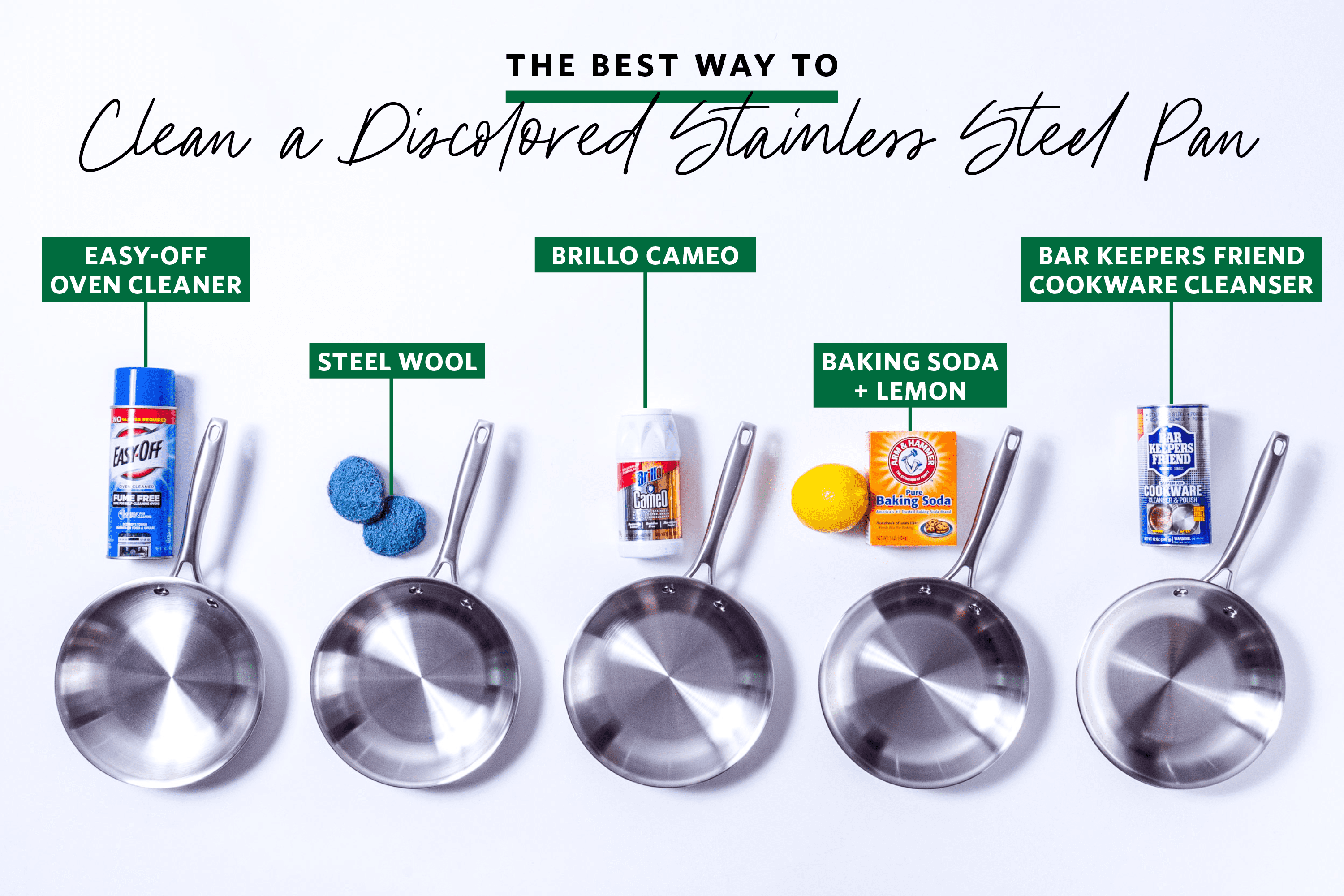
Natural polishes use ingredients like baking soda, vinegar, or lemon juice. These are gentle and safe for frequent use. They also avoid strong chemicals, making them eco-friendly. Commercial polishes often have stronger cleaning agents. They remove tough stains and restore shine fast. Some may leave a protective layer to keep the surface smooth longer. Choose commercial polish for heavy-duty cleaning or natural polish for light, regular care.

Credit: weiman.com
Preparing Cookware For Polishing
Preparing stainless steel cookware for polishing is an important first step. This process removes dirt, grease, and stains. Clean cookware polishes better and looks shiny. Follow simple steps to get your cookware ready.
Cleaning And Degreasing
Start by washing the cookware with warm water and soap. Use a soft sponge or cloth to avoid scratches. Focus on greasy areas and food residue. Rinse well to remove soap completely. Dry the cookware with a soft towel to stop water spots.
Removing Stains And Rust
Check for stains or rust spots on the cookware. Use a paste made from baking soda and water. Apply it gently with a soft cloth on the stains. Let it sit for a few minutes, then rub carefully. For rust, use a small amount of white vinegar. Wipe rust spots with a soft cloth until they fade. Rinse and dry the cookware thoroughly before polishing.
Step-by-step Polishing Process
Polishing stainless steel cookware brings back its original shine. The process is simple and rewarding. Follow these easy steps to make your cookware look new again. A clean surface is key before starting the polish. Use a soft cloth and mild detergent to remove dirt and grease. Dry the cookware fully to avoid water spots.
Applying Polish Correctly
Use a small amount of stainless steel polish on a soft cloth. Spread the polish evenly over the cookware surface. Work in small sections to cover all areas. Apply gentle pressure and use circular motions. This helps the polish stick and removes minor stains. Avoid using too much polish to prevent residue buildup.
Buffing Techniques
Take a clean, dry cloth to buff the cookware. Use quick, circular motions to bring out the shine. Buff until the polish absorbs completely into the surface. Pay close attention to edges and corners. These spots often need extra care. Buffing removes leftover polish and smooths the finish.
Final Touches For Extra Shine
Inspect the cookware under good light for missed spots. Use a microfiber cloth for the final wipe. This cloth picks up fine residue and adds sparkle. Buff lightly in the direction of the grain. Avoid harsh scrubbing to keep the surface smooth. Store polished cookware in a dry place to keep it bright longer.
Common Mistakes To Avoid
Polishing stainless steel cookware is simple, but some common errors can cause damage. Avoiding these mistakes helps keep your pots and pans shiny and lasting longer. Understanding what to avoid ensures better results and saves time.
Using Abrasive Materials
Never use steel wool or rough scrubbers on stainless steel. These materials scratch the surface and create dull spots. Instead, choose soft cloths or sponges. Mild polishing agents work best without harming the finish.
Abrasive powders or harsh cleaners can strip away protective layers. This makes the metal prone to rust and stains. Gentle cleaning keeps the cookware looking new and protects its quality.
Over-polishing Risks
Polishing too often or too hard wears down the metal surface. It can remove the shine and cause uneven textures. Over-polishing also weakens the cookware, reducing its lifespan.
Limit polishing to occasional use. Light pressure and short sessions prevent damage. This keeps your stainless steel cookware bright and smooth for years.
Maintaining The Shine
Maintaining the shine of stainless steel cookware keeps your kitchen looking bright and clean. It also helps your pots and pans last longer. Shiny cookware means it is well cared for and ready for cooking. Simple habits can keep that sparkle fresh every day.
Regular Cleaning Tips
Wash your cookware after each use with warm water and mild soap. Use a soft cloth or sponge to avoid scratches. Dry it quickly with a clean towel to stop water spots. Avoid steel wool or harsh scrubbers that can dull the surface. For tough stains, use a paste of baking soda and water. Rub gently, then rinse well. Regular cleaning prevents build-up and keeps the shine strong.
Storage Recommendations
Store cookware in a dry place to avoid rust or stains. Stack pans carefully with a soft cloth between them to prevent scratches. Avoid storing food inside cookware for a long time. Use pot holders or racks to keep your kitchen organized. Proper storage protects the surface and maintains the polished look.
Credit: www.thekitchn.com

Credit: notacook.com
Frequently Asked Questions
How Do I Polish Stainless Steel Cookware At Home?
To polish stainless steel cookware, use a soft cloth with a mixture of baking soda and water. Rub gently in circular motions, then rinse and dry thoroughly. This method removes stains and restores shine effectively without harsh chemicals.
What Household Items Can Polish Stainless Steel Cookware?
Common household items like baking soda, vinegar, and lemon juice can polish stainless steel cookware. These natural cleaners remove tarnish and enhance shine safely. Apply with a soft cloth, rub gently, then rinse and dry for best results.
How Often Should Stainless Steel Cookware Be Polished?
Polish stainless steel cookware every 1-2 months to maintain its shine and prevent stains. Regular polishing helps remove discoloration and keeps the surface smooth. Avoid over-polishing, which can wear down the finish.
Can Stainless Steel Cookware Be Polished With Commercial Products?
Yes, commercial stainless steel polish products are safe and effective. Choose a non-abrasive polish designed specifically for cookware. Follow the product instructions for best results and always rinse cookware thoroughly afterward.
Conclusion
Polishing stainless steel cookware keeps it looking clean and new. Use gentle cleaners and soft cloths to avoid scratches. Regular care stops stains and dullness from building up. A shiny pot or pan makes cooking more enjoyable. Small efforts bring big results over time.
Keep your cookware bright with simple steps. Enjoy cooking with pots that shine every day.

Hello, This is Annie Walker, a 38-year-old blogger, founder, and editor of Cookware Guider from NY, USA. I am a cookware fanatic and passionate cooker. I love to cook with different types of cooking appliances (example: all types of cookware, rice cookers, slow cookers, etc) almost every day in my kitchen. I love to share my experience with my readers in my blog. Also, I enjoy helping people to solve their problems through my website. You can follow me on Twitter & Pinterest. To know details about my blog please check the about us page.