
Have you ever wondered what to do with old pots, pans, and other cookware that you no longer use? Throwing them away can feel wasteful, but recycling your cookware is easier than you think—and it’s great for the environment and your community.
You’ll discover simple, effective ways to recycle your cookware and give these items a second life. Keep reading to find out how you can turn your kitchen clutter into something valuable and eco-friendly.
Types Of Cookware Materials
Cookware comes in different materials. Each type needs special care for recycling. Understanding these materials helps in recycling them correctly. It also reduces waste and protects the environment. Here are common cookware materials and how to handle them for recycling.
Aluminum And Steel
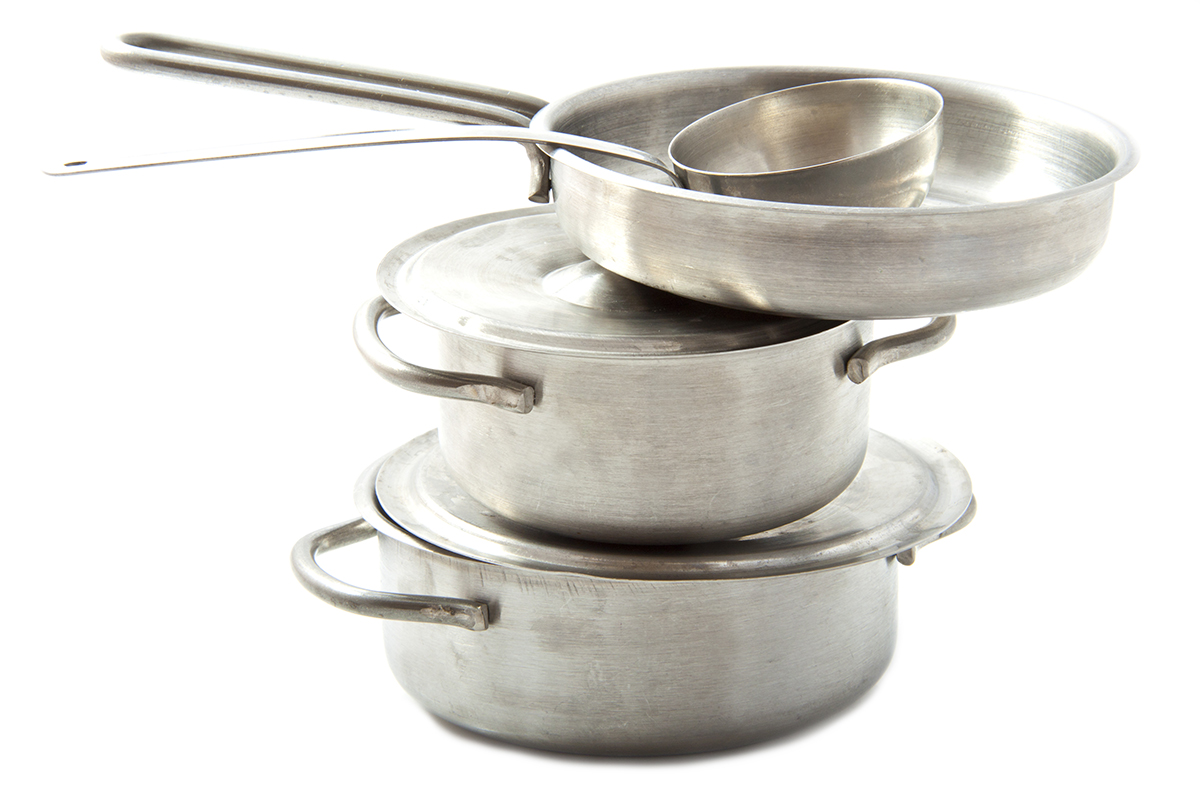
Aluminum and steel are popular for pots and pans. They are lightweight and strong. These metals can be melted and reused many times. Clean the cookware before recycling. Remove any plastic or rubber handles. These metals are often accepted by local recycling centers.
Cast Iron And Copper
Cast iron is heavy and durable. Copper is known for its good heat conduction. Both metals are valuable for recycling. Cast iron can last many years but can be recycled if damaged. Copper is often recycled to make new products. Scrap yards usually accept these metals. Make sure to clean and separate them from other materials.
Non-stick And Ceramic
Non-stick cookware has a special coating that is hard to recycle. Ceramic cookware is brittle but can sometimes be recycled. These types often cannot go in metal recycling bins. Check local rules for proper disposal. Some places have special programs for non-stick and ceramic items. Avoid throwing them in regular trash to reduce landfill waste.
Preparing Cookware For Recycling
Preparing cookware for recycling is an important first step. Proper preparation ensures the recycling process works smoothly. It helps separate useful materials and prevents contamination. This saves energy and resources during recycling. Follow simple steps to prepare your old pots and pans for recycling.
Cleaning And Removing Residue
Remove all food and grease from the cookware. Use warm water and soap to clean it well. Scrub off any burnt or stuck residue. Dry the cookware completely before recycling. Clean items recycle better and avoid damaging machines.
Separating Components
Take apart handles, lids, and other removable parts. Many cookware pieces have plastic or wood handles. Remove these parts from metal bodies. Separate glass lids from metal pans. Sorting materials helps recycling centers process items faster.
Checking For Hazardous Materials
Check for non-recyclable or harmful parts. Some cookware has coatings with chemicals or asbestos. Do not recycle items with toxic materials. Contact local waste centers for special disposal rules. Safe handling protects the environment and workers.
Finding Recycling Options
Recycling cookware helps reduce waste and saves resources. Finding the right place to recycle can make the process simple and effective. There are several options to consider for recycling old pots and pans.
Local Recycling Centers
Many cities have recycling centers that accept metal cookware. These centers separate materials like aluminum, stainless steel, and cast iron. Check your local center’s rules before dropping off items. Some centers may ask you to clean the cookware first. This helps ensure the materials can be processed properly.
Scrap Metal Dealers
Scrap metal dealers buy and recycle metal items, including cookware. They often pay for metals like copper and aluminum. Take your old pots and pans to a scrap dealer to recycle and earn a small amount. This option helps metals return to the production cycle quickly. Make sure to remove any non-metal parts before selling.
Donation And Repurposing
Cookware that is still usable can be donated to charity shops or shelters. This gives items a second life and helps people in need. You can also repurpose old cookware for crafts or gardening. For example, use a pan as a planter or storage container. This reduces waste and adds creativity to recycling efforts.

Credit: theroundup.org
Creative Ways To Reuse Cookware
Old cookware does not have to end up in the trash. Many pieces can find a second life with simple creativity. Reusing cookware saves money and helps the environment. Small changes make a big difference. Let’s explore some easy ways to reuse old pots, pans, and other kitchen items.
Garden Planters
Old pots and pans make unique garden planters. They hold soil and plants well. Pans with handles can hang from hooks or fences. Use non-stick pans for small herbs or flowers. Drill holes for drainage to keep plants healthy. These planters add charm to any garden or balcony.
Storage Solutions
Cookware also works great for organizing. Bowls and pots can store craft supplies or toys. Stackable pans save space in closets or shelves. Use lids as trays for small items like keys or coins. This reusing method keeps spaces tidy and neat.
Craft Projects
Cookware inspires many fun craft projects. Turn old pans into wall art with paint or decals. Use lids as bases for clocks or photo frames. Small pots become candle holders or bird feeders. These projects give cookware a fresh, creative purpose.
Tips For Sustainable Cookware Choices
Choosing sustainable cookware helps protect the environment and saves money. It also ensures your kitchen stays healthy and safe. Simple changes in cookware choices can make a big difference. Focus on materials, coatings, and brands that respect nature.
Choosing Durable Materials
Pick cookware made from strong materials like stainless steel, cast iron, or ceramic. These last longer and reduce waste. Durable pots and pans resist scratches and dents. They keep their quality even after many uses. This means fewer replacements and less trash.
Avoiding Harmful Coatings
Stay away from non-stick coatings with chemicals like PFOA or PTFE. These can release toxins when heated. Choose natural or ceramic coatings instead. They are safer for your health and the environment. Clean them gently to keep the coating intact.
Supporting Eco-friendly Brands
Buy from brands that care about the planet. Look for companies using recycled materials and eco-friendly processes. Many brands share their sustainability efforts online. Supporting these brands encourages more green choices in the market. Your purchase can help reduce pollution and waste.
Credit: www.recyclespot.org
Credit: foodal.com
Frequently Asked Questions
How Can I Recycle Old Cookware Safely?
Remove any non-recyclable parts like handles or lids. Clean the cookware thoroughly. Take it to a metal recycling center or a facility accepting kitchenware. Check local recycling guidelines to ensure proper disposal.
What Cookware Materials Are Recyclable?
Most metal cookware, including stainless steel, aluminum, and cast iron, is recyclable. Avoid recycling non-metal materials like plastic or ceramic parts. Verify with your local recycling program to confirm accepted materials.
Can Damaged Non-stick Pans Be Recycled?
Non-stick pans with Teflon coatings are generally not recyclable. The coating can contaminate recycling processes. Consider donating if usable or dispose of them through special waste programs.
Where To Donate Usable Cookware For Recycling?
Local charities, shelters, or thrift stores often accept gently used cookware. Donating extends the life of the cookware and reduces waste. Always ensure the items are clean and in good condition.
Conclusion
Recycling cookware helps reduce waste and saves resources. You can give old pots and pans a new life by recycling them properly. Check local recycling centers for rules on metals and materials. Some stores also accept cookware for recycling or reuse.
Small steps like this protect the environment for future generations. Start today to make a positive impact with your old cookware. It’s easier than you think and good for the planet. Every effort counts.

Hello, This is Annie Walker, a 38-year-old blogger, founder, and editor of Cookware Guider from NY, USA. I am a cookware fanatic and passionate cooker. I love to cook with different types of cooking appliances (example: all types of cookware, rice cookers, slow cookers, etc) almost every day in my kitchen. I love to share my experience with my readers in my blog. Also, I enjoy helping people to solve their problems through my website. You can follow me on Twitter & Pinterest. To know details about my blog please check the about us page.