
Nothing beats the taste of leftover pizza that’s been reheated just right—crispy on the bottom, gooey on top, and bursting with flavor. But if you’ve ever microwaved a slice and ended up with a soggy mess, you know reheating pizza can go wrong fast. Thankfully, there’s a simple method that brings back that perfect, fresh-from-the-oven texture: reheating pizza in a frying pan. Whether you have a non-stick skillet or classic cast iron, using a pan is one of the best ways to revive your pizza’s magic. Let’s dive into why this method works, what tools you need, and exactly how to do it step by step.
Why Use A Frying Pan To Reheat Pizza?
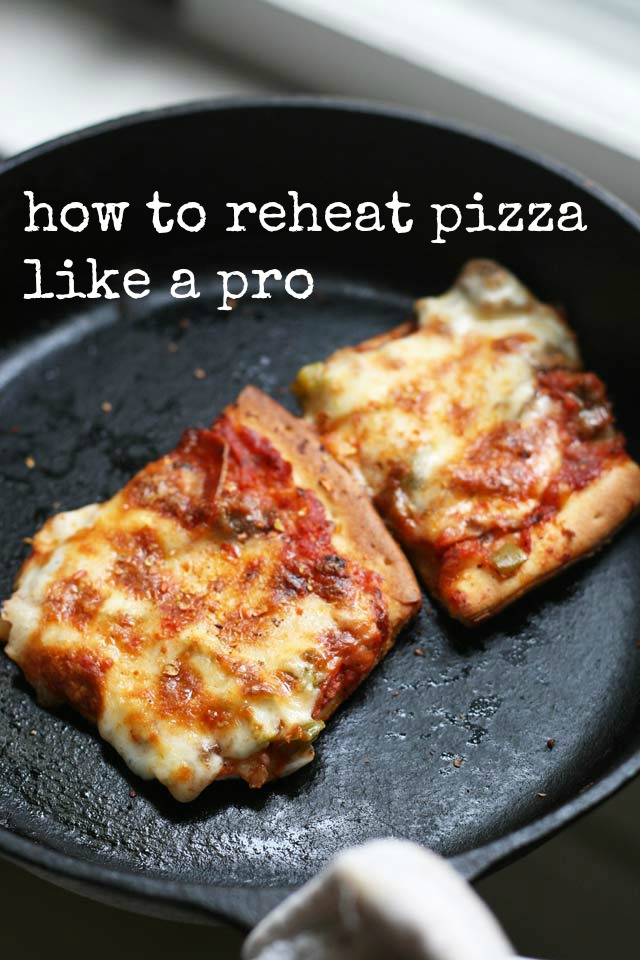
Reheating pizza in a frying pan is popular for a reason: it delivers the crispy crust and melty cheese you remember from the first bite. When you use a pan, direct heat touches the bottom of the slice, reviving its crunch. Covering the pan traps steam, which gently warms the toppings and cheese without making the crust soggy.
Compare this to the microwave, which often leaves pizza limp and chewy. Ovens can work, but they take longer, use more energy, and sometimes dry out the edges. The frying pan method is fast, energy-efficient, and gives you control over the result.
Here’s a quick comparison of popular pizza reheating methods:
| Method | Time | Crust Texture | Cheese Melt | Convenience |
|---|---|---|---|---|
| Microwave | 1-2 min | Soggy | Uneven | Very easy |
| Oven | 8-10 min | Crispy | Good | Less convenient |
| Frying Pan | 3-5 min | Very crispy | Excellent | Easy |
What You Need
Before you start, gather a few simple items. The right tools make a big difference.
- Frying pan: Non-stick or cast iron work best.
- Lid: To trap steam and help melt the cheese.
- Stovetop: Gas or electric, both are fine.
- Spatula: For easy flipping or lifting.
- Water: Just a few drops (optional, but helps melt cheese).
Choosing The Right Pan
The type of frying pan affects the result. Non-stick pans are easy and require less oil. Cast iron pans distribute heat evenly and give an extra-crispy crust. Stainless steel works too, but may stick if not careful.
Here’s how different pans compare for reheating pizza:
| Pan Type | Heat Distribution | Ease of Use | Crispiness |
|---|---|---|---|
| Non-stick | Even | Very easy | Good |
| Cast iron | Excellent | Medium | Best |
| Stainless steel | Good | Medium | Moderate |

Credit: www.antillespr.edu
Step-by-step Guide: How To Reheat Pizza In A Frying Pan
Follow these steps for the best results. This method works for most pizza types, including thin crust, deep dish, and even gluten-free.
1. Preheat The Pan
Place your pan on the stove over medium heat. Give it 1-2 minutes to warm up. Don’t add oil unless the pizza is very dry or the pan is not non-stick. Preheating ensures the crust gets crispy, not chewy.
2. Add The Pizza Slice
Lay the pizza slice flat in the pan, crust side down. If you’re reheating more than one slice, make sure they don’t overlap. For thick or loaded pizzas, you may need to reheat one at a time.
3. Heat The Crust
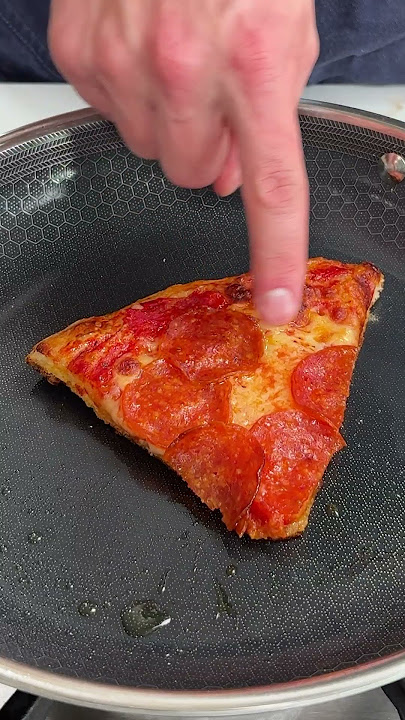
Let the pizza heat uncovered for 2-3 minutes. Check the bottom with a spatula. When it feels crisp and golden, you’re ready for the next step. Don’t rush—if the heat is too high, the crust can burn before the cheese melts.
4. Steam The Toppings
Here’s a key trick: Add a few drops of water (about half a teaspoon) to the empty part of the pan, not directly on the pizza. Quickly cover the pan with a lid. The steam will melt the cheese and warm the toppings without making the crust soggy. Let it steam for about 1 minute.
5. Finish And Serve
Remove the lid and check the cheese. If it’s melted and the crust is crisp, you’re done! Use a spatula to lift the slice and transfer to a plate. For extra flavor, add a sprinkle of dried herbs or chili flakes.
Quick Recap
- Preheat pan on medium.
- Place pizza slice in pan.
- Heat uncovered for 2-3 minutes.
- Add drops of water, cover, and steam for 1 minute.
- Serve hot and enjoy.
Tips For The Best Results
- Don’t use high heat: It can burn the crust before the cheese melts.
- Avoid too much water: Extra water means soggy pizza.
- For extra crispy crust: Press lightly with a spatula during the first step.
- Reheat toppings with care: If you have a lot of toppings, you may need an extra 30 seconds under the lid.
- Use parchment paper: For sticky cheese, a small piece under the pizza helps.
Credit: www.cheaprecipeblog.com
Mistakes To Avoid
Even simple steps can go wrong. Here are common mistakes and how to avoid them:
- Skipping preheating: Cold pan = uneven heating.
- Adding oil directly under pizza: Makes crust greasy, not crispy.
- Too much water for steam: Soggy pizza is hard to fix.
- Overcrowding the pan: Slices need space for even heat.
- Leaving the lid on too long: The crust loses its crunch.
- Using high heat: Burns the bottom, cheese still cold.
How Reheating In A Pan Preserves Pizza Quality
Most people don’t realize that pizza is a mix of different textures—crispy, chewy, creamy. When you reheat in a pan:
- The crust gets direct heat, restoring crunch.
- The toppings and cheese get gentle steam, melting smoothly.
- Flavors wake up, especially in tomato sauce and herbs.
Unlike the microwave, which heats water molecules and makes bread rubbery, a frying pan keeps each layer of the pizza close to its original state. This is why pizza shops often use special ovens that mimic the pan effect.
Another insight: using a lid traps just enough moisture to melt cheese, but if you skip this step, the top can dry out. Many beginners miss the importance of this short steaming phase.
Can You Reheat Different Types Of Pizza?
Yes, but some types need small adjustments.
- Thin crust: Use medium-low heat, as it crisps quickly.
- Deep dish: Heat longer, and use a lower flame to avoid burning.
- Stuffed crust: Use a little more steam to melt cheese inside the crust.
- Gluten-free: Be gentle, as the crust can break easily.
Here’s a quick reference for adjusting your pan reheating method:
| Pizza Type | Heat Level | Time (per slice) | Special Tips |
|---|---|---|---|
| Thin crust | Medium-low | 2-3 min | Check often, crisps fast |
| Deep dish | Low | 4-5 min | Use extra steam |
| Stuffed crust | Medium | 3-4 min | Add water twice if needed |
| Gluten-free | Low | 2-3 min | Handle gently |
How To Store Pizza For Better Reheating
How you store leftover pizza affects how well it reheats. For best results:
- Place slices on a plate, separated by parchment paper or wax paper.
- Cover with plastic wrap or foil.
- Refrigerate within two hours of cooking.
- Avoid stacking slices directly, which makes the crust soggy.
If you plan to keep pizza longer than two days, freeze it. Wrap slices tightly in plastic and store in a freezer bag. When ready, thaw in the fridge before reheating in a pan.
Credit: www.youtube.com
Health And Safety Tips
- Always refrigerate pizza within two hours to prevent bacteria growth.
- Reheat slices to at least 165°F (74°C) for safety. If unsure, use a food thermometer.
- Don’t reheat pizza more than once. Each cycle increases the risk of spoilage.
- If pizza smells sour or looks off, it’s safer to throw it away.
For more on food safety, check the CDC’s official guidance.
Frequently Asked Questions
How Long Does It Take To Reheat Pizza In A Frying Pan?
Usually, it takes about 3 to 5 minutes per slice. Thin crust pizzas need less time, while deep dish or thick crusts may need an extra minute. Always watch the bottom to avoid burning.
Can I Reheat Pizza Without A Lid?
Yes, but the cheese may not melt fully, and the toppings may stay cold. If you don’t have a lid, use a large plate or even a piece of foil to cover the pan. The key is to trap a bit of steam.
Is It Safe To Reheat Pizza More Than Once?
No, it’s not recommended. Each reheating increases the risk of bacteria and reduces the pizza’s taste and texture. Reheat only what you plan to eat.
Do I Need To Use Oil Or Butter In The Pan?
No, most pizzas have enough oil in the crust. Adding extra oil can make the bottom greasy. However, if your pan is old or tends to stick, a tiny drop of oil can help.
What If My Pizza Has A Lot Of Toppings?
If your slice is loaded with vegetables or meats, use slightly lower heat and a bit more steaming time. Heavy toppings can insulate the cheese, so patience pays off. Also, avoid crowding the pan so each slice heats evenly.
Reheating pizza in a frying pan is a simple skill, but mastering it means every leftover slice can taste as good as new. With a few tricks and the right tools, you’ll never dread reheated pizza again. Next time you open the fridge, remember: the frying pan is your secret weapon for pizza perfection.

Hello, This is Annie Walker, a 38-year-old blogger, founder, and editor of Cookware Guider from NY, USA. I am a cookware fanatic and passionate cooker. I love to cook with different types of cooking appliances (example: all types of cookware, rice cookers, slow cookers, etc) almost every day in my kitchen. I love to share my experience with my readers in my blog. Also, I enjoy helping people to solve their problems through my website. You can follow me on Twitter & Pinterest. To know details about my blog please check the about us page.