
If you love cooking with your cast iron cookware, you know how important the enamel coating is. It keeps your pans looking great and makes cleaning easier.
But what happens when that enamel chips or cracks? You might think your favorite pan is ruined, but that’s not true. You can actually repair the enamel yourself and bring your cookware back to life. You’ll discover simple, step-by-step methods to fix your cast iron enamel.
Keep reading, because your trusted pan deserves a second chance—and you’ll save money and avoid throwing it away.

Credit: www.reddit.com
Common Enamel Issues
Enamel on cast iron cookware offers a smooth, durable surface. It protects the metal and adds color to your kitchen tools. Over time, enamel can develop problems that affect both look and function. Understanding these common issues helps you fix them and extend your cookware’s life.
Chips And Cracks
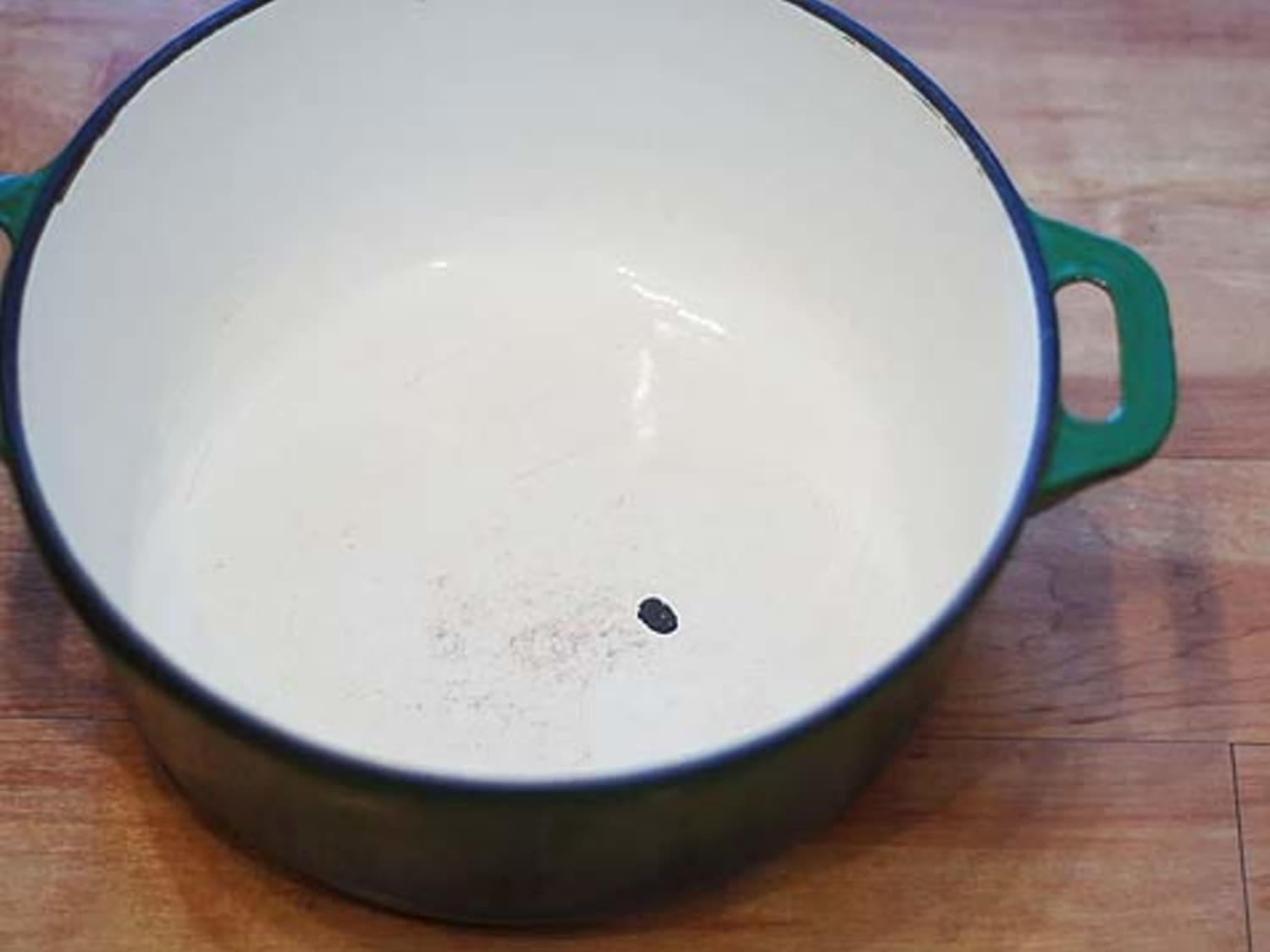
Chips appear when the enamel surface breaks off. Cracks are thin lines that form on the enamel. Both happen from dropping or hitting hard objects. These flaws expose the cast iron underneath. They can cause rust and affect cooking quality.
Stains And Discoloration
Stains form from cooking acids and heat. They can turn your cookware dull or patchy. Discoloration often comes from burnt food or strong spices. These marks do not harm the enamel but look unappealing. Cleaning carefully can help reduce stains.
Rust Spots
Rust spots show up when enamel breaks or wears away. Moisture reaches the iron and causes rust. Rust weakens the cookware and changes taste. Early treatment can stop rust from spreading. Use gentle scrubbing and drying to prevent rust spots.
Credit: www.reddit.com
Tools And Materials Needed
Repairing the enamel on cast iron cookware requires specific tools and materials. These items help restore the smooth, protective surface. Using the right supplies ensures a strong and lasting fix.
Below are the essential tools and materials needed to repair enamel safely and effectively.
Enamel Repair Kits
Enamel repair kits contain special paint or resin made for cast iron. These kits match common enamel colors like white, black, or cream. They include brushes or applicators for precise use. Some kits come with instructions to guide the repair process. Choose a kit that suits the size and color of your cookware.
Cleaning Supplies
Proper cleaning is crucial before repair. Use mild dish soap and warm water to remove dirt and grease. A soft sponge or cloth prevents scratching the surface. For tough stains, a baking soda paste helps clean gently. Rinse well and dry completely to prepare the area for repair.
Protective Gear
Wear gloves to protect your skin from chemicals in repair kits. Use a mask to avoid inhaling fumes or dust. Work in a well-ventilated area for safety. Safety goggles protect your eyes during cleaning and repair. These simple precautions keep you safe throughout the process.
Preparing The Cookware
Preparing your cast iron cookware is the first step to repairing its enamel. This process helps the repair materials stick well. It also removes dirt and rust that can cause problems later. Take your time and follow these steps carefully.
Cleaning The Surface
Start by washing the cookware with warm water and mild soap. Use a soft sponge or cloth to avoid scratches. Remove all grease, food particles, and dirt. Rinse thoroughly to leave no soap behind. A clean surface is key for a strong enamel repair.
Removing Rust
Rust weakens the enamel and must be removed completely. Use fine steel wool or a rust remover designed for cookware. Gently scrub the rusty spots until the metal looks shiny. Avoid harsh scrubbing that can damage the cast iron. Rinse again to clear any residue.
Drying Thoroughly
After cleaning and rust removal, dry the cookware fully. Use a clean towel to wipe off water. Then, let it air dry in a warm place for several hours. Moisture left on the surface can cause the enamel repair to fail. Make sure the cookware is completely dry before proceeding.
Fixing Chips And Cracks
Fixing chips and cracks in enamel on cast iron cookware is important to keep your pan safe and long-lasting. Small chips can expose the metal underneath, which may rust or affect cooking. Cracks may worsen if ignored, causing further damage. Repairing these issues helps maintain the cookware’s strength and appearance. Follow simple steps to fix enamel damage effectively at home.
Applying Repair Paint
Start by cleaning the chipped or cracked area thoroughly. Use warm water and mild soap to remove grease and dirt. Let the surface dry completely before painting. Choose a high-quality enamel repair paint made for cookware. Apply a thin, even layer over the damaged spot with a small brush. Avoid thick coats to prevent peeling. Allow the paint to dry as per the instructions on the product label.
Sanding And Smoothing
After the paint dries, gently sand the repaired area using fine-grit sandpaper. This step smooths out rough edges and blends the repair with the rest of the enamel. Be careful not to sand too hard, which may damage surrounding enamel. Wipe away dust with a soft cloth. A smooth surface improves the look and feel of your cookware and reduces the chance of further chipping.
Curing Tips
Curing helps the repair paint harden and bond well to the enamel. Follow the paint manufacturer’s curing instructions carefully. Usually, this involves heating the pan in an oven at a specific temperature for a set time. Avoid rapid temperature changes to prevent new cracks. After curing, let the cookware cool down slowly before use. Proper curing ensures a durable and long-lasting repair.
Removing Stains And Discoloration
Removing stains and discoloration from enamel on cast iron cookware restores its beauty and extends its life. Stains happen due to heat, food residue, or mineral buildup. Cleaning these marks carefully keeps the enamel smooth and shiny. Use gentle methods that do not harm the surface.
Soaking Methods
Soaking helps loosen tough stains. Fill the cookware with warm water and add a small amount of mild dish soap. Let it soak for 1 to 2 hours. For stubborn spots, use warm water mixed with a little baking soda. Avoid soaking for more than 12 hours to protect the enamel.
Using Baking Soda And Vinegar
Baking soda and vinegar create a natural cleaner. Sprinkle baking soda on the stained areas. Pour white vinegar over the baking soda slowly. The mixture will bubble and lift stains. Let it sit for 10 minutes. Use a soft cloth or sponge to scrub gently. Rinse well with warm water afterward.
Avoiding Damage
Do not use metal scrubbers or harsh chemicals. They can scratch or chip the enamel. Avoid sudden temperature changes that cause cracking. Always clean the cookware after use to prevent stains. Dry it completely before storing to stop rust and discoloration.
Handling Rust Spots
Rust spots on enamel cast iron cookware can spoil its look and performance. Handling rust quickly keeps the cookware safe to use. This section shows simple steps to clean and protect rust spots. Follow these tips to restore your cast iron’s shine and strength.
Scrubbing Techniques
Start by scrubbing rust spots gently. Use a soft sponge or nylon brush. Avoid metal scrubbers that can damage enamel. Apply mild dish soap with warm water. Rub in small circles to lift rust without scratching. Rinse and dry the area completely after scrubbing.
Using Rust Removers
Select rust removers safe for enamel cookware. Look for non-toxic, food-safe products. Apply a small amount on the rust spot. Let it sit according to instructions. Use a soft cloth or sponge to wipe the rust away. Rinse thoroughly to remove all residue. Repeat if needed, but avoid overusing chemicals.
Sealing The Area
After removing rust, protect the spot to prevent return. Use a thin layer of enamel repair paint or clear sealant. Follow product instructions carefully. Allow the sealant to dry fully before use. This step helps keep your cookware smooth and rust-free longer.
Maintenance Tips For Longevity
Maintaining the enamel on cast iron cookware helps keep it strong and lasting longer. Small daily habits protect the surface from damage. Careful handling prevents chips and cracks that reduce cookware life.
Follow simple steps to keep your cookware in great shape. These tips make cleaning and storage easy and safe. Proper care keeps your enamel shiny and your food tasting great.
Proper Cleaning Habits
Clean your cookware gently after each use. Use warm water and mild soap. Avoid soaking it for too long to protect the enamel. Dry the cookware fully to stop rust. Wipe with a soft cloth to remove water spots.
Avoiding Abrasive Tools
Never use steel wool or harsh scrubbers. These tools scratch and wear down the enamel surface. Choose soft sponges or nylon brushes instead. Scrape off stuck food with plastic or wooden utensils. This keeps the enamel smooth and intact.
Safe Storage Practices
Store cookware in a dry place. Avoid stacking heavy pots on top of enamel pieces. Use felt or cloth liners between pans to stop scratches. Keep lids separate or cushioned to prevent chipping edges. Proper storage keeps your cookware safe and ready to use.
Credit: www.thekitchn.com
Frequently Asked Questions
How Can I Fix Chips In Enamel On Cast Iron?
You can repair chips by cleaning the area thoroughly and applying a high-temperature enamel repair kit. Follow the kit’s instructions carefully for best results. This prevents rust and restores the cookware’s surface effectively.
Is It Safe To Cook After Repairing Enamel Cast Iron?
Yes, once the enamel repair is fully cured and dried, cooking is safe. Avoid using metal utensils on the repaired area to prolong its life.
What Causes Enamel To Chip On Cast Iron Cookware?
Enamel chips usually result from dropping, sudden temperature changes, or using metal tools. Proper handling and gentle cleaning can prevent most enamel damage.
Can Diy Enamel Repair Kits Restore Cast Iron Perfectly?
DIY kits improve appearance and prevent rust but may not fully restore original enamel strength. Professional refinishing is best for deep or large damage.
Conclusion
Repairing enamel on cast iron cookware keeps your pots and pans useful. Small chips or cracks can be fixed with simple steps. Use the right products and handle your cookware gently. This saves money and avoids throwing away good kitchen tools.
Clean and maintain your cast iron regularly to prevent damage. A little care goes a long way. Enjoy cooking with your restored cookware for years to come.

Hello, This is Annie Walker, a 38-year-old blogger, founder, and editor of Cookware Guider from NY, USA. I am a cookware fanatic and passionate cooker. I love to cook with different types of cooking appliances (example: all types of cookware, rice cookers, slow cookers, etc) almost every day in my kitchen. I love to share my experience with my readers in my blog. Also, I enjoy helping people to solve their problems through my website. You can follow me on Twitter & Pinterest. To know details about my blog please check the about us page.