
If you’ve noticed rust creeping onto your cast iron cookware, don’t toss it out just yet. Rust can seem like the end of the road, but with the right steps, you can bring your favorite pan back to life.
Imagine turning that rough, rusty surface into a smooth, non-stick cooking companion you can trust again. In this guide, you’ll discover simple, effective ways to repair your rusted cast iron cookware—saving you money and keeping your kitchen tools in top shape.
Ready to restore your cast iron to its former glory? Let’s dive in.
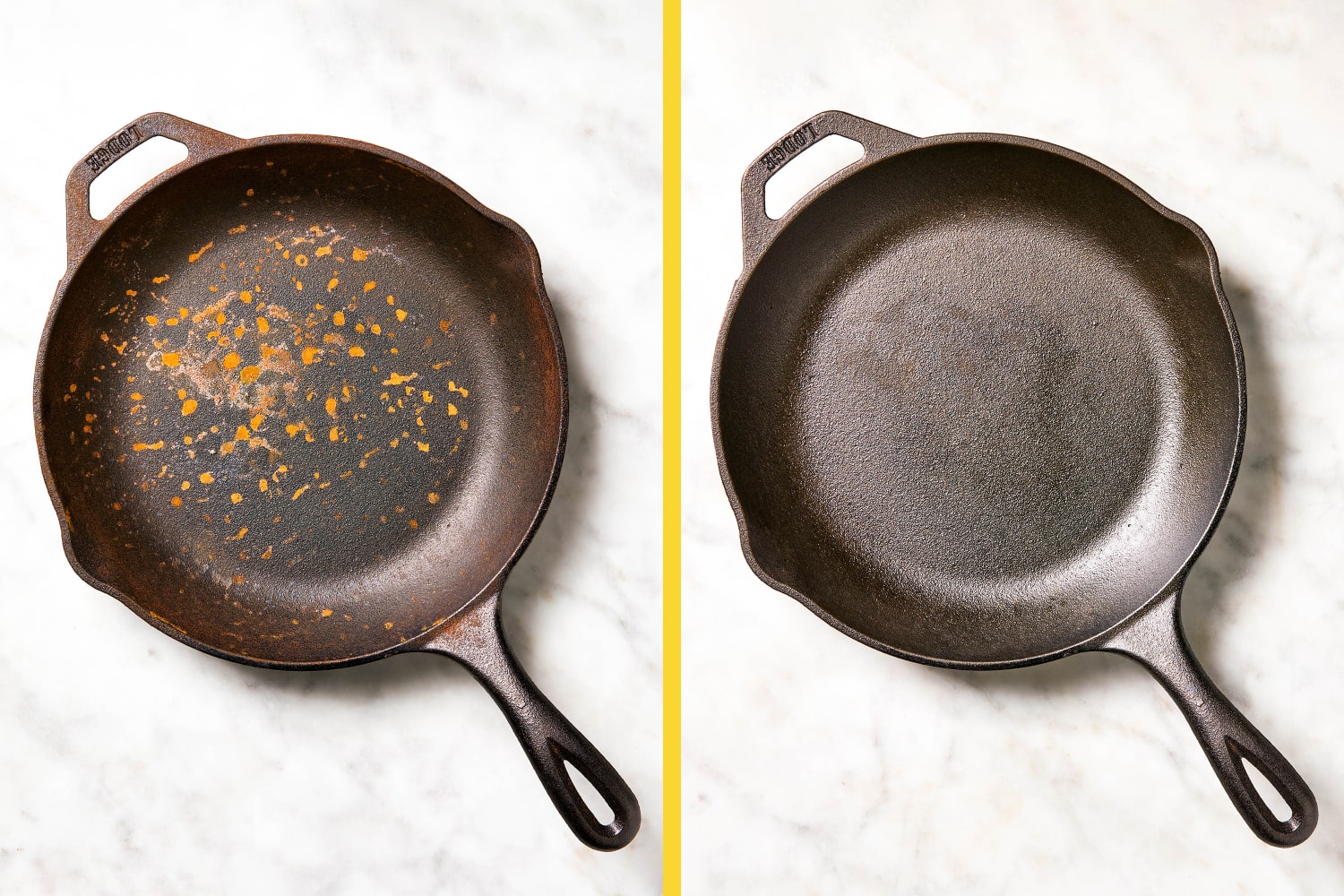
Credit: www.thekitchn.com
Identifying Rust On Cast Iron
Rusted cast iron cookware needs attention before use. Identifying rust early helps protect your pan’s surface. Knowing how rust looks stops damage from getting worse. This guide shows clear signs and types of rust damage.
Common Signs Of Rust
Rust appears as reddish or brown spots on the pan. These spots may feel rough or flaky to touch. Some rust looks like small patches or streaks. Rust can also cause a dull, uneven surface. Watch for any change in color or texture.
Types Of Rust Damage
Surface rust is light and affects only the top layer. It can often be cleaned off easily. Deep rust goes into the metal and creates pits or holes. This damage weakens the cookware and needs more repair. Severe rust can cause flaking and loss of metal.

Credit: southerncastiron.com
Gathering Repair Supplies
Gathering the right supplies is the first step in repairing rusted cast iron cookware. Having proper tools and cleaning agents makes the process easier and more effective. This section covers the essentials you need before starting.
Essential Tools
Start with a sturdy scrub brush to remove loose rust. Use steel wool or a wire brush for tougher rust spots. A plastic scraper helps lift stuck-on debris without scratching the surface. Have a pair of gloves to protect your hands during cleaning. A clean cloth or paper towels are useful for drying the cookware. Finally, a container for soaking the pan in cleaning agents works well for deep rust removal.
Recommended Cleaning Agents
White vinegar is a common choice for breaking down rust. It is safe and easy to use. Baking soda acts as a gentle abrasive that helps scrub rust away. Dish soap removes grease and dirt effectively. For heavy rust, a commercial rust remover designed for cookware can be used. Always check labels to ensure the product is safe for food contact surfaces.
Removing Rust From Cast Iron
Removing rust from cast iron cookware is the first step to bring it back to life. Rust can damage the surface and affect cooking performance. Cleaning off rust restores the pan’s smooth finish and prepares it for seasoning. This process needs patience and the right tools.
Manual Scrubbing Techniques
Start by scrubbing the rusted area with a steel wool pad or a stiff brush. Use firm pressure to remove loose rust flakes. Add a little water and mild dish soap to help loosen rust. Rinse often and repeat scrubbing until the rust fades. Dry the pan completely after scrubbing to stop new rust from forming.
Using Chemical Rust Removers
Chemical rust removers can speed up the cleaning process. Choose a remover safe for cookware and follow instructions carefully. Apply the remover on rust spots and let it sit for the recommended time. Scrub gently with a brush or sponge to lift the rust. Rinse thoroughly to remove all chemicals before drying the pan.
Alternative Natural Methods
Natural methods offer a gentle way to remove rust without chemicals. White vinegar soaks dissolve rust effectively. Submerge the cast iron in vinegar for a few hours. Scrub the pan afterward to clear loosened rust. Baking soda paste works too. Mix baking soda with water and scrub rust patches. Rinse and dry well to protect your cookware.
Cleaning And Drying The Cookware
Cleaning and drying rusted cast iron cookware is the first step to restore its quality. Proper care removes rust and prepares the surface for seasoning. This step also stops further rust from forming. Clean cookware lasts longer and cooks better.
Proper Washing Methods
Use warm water and a stiff brush to scrub the rust off. Avoid soap, as it can strip seasoning. For tough rust, scrub with coarse salt and a little water. Rinse well to remove all residue. Never soak cast iron in water for long. This can cause more rust and damage.
Ensuring Complete Dryness
Dry the cookware immediately after washing. Use a clean towel to wipe all water away. Heat the pan on the stove for a few minutes to remove hidden moisture. Moisture left inside causes rust to return quickly. Proper drying keeps your cast iron safe and ready to use.
Seasoning Cast Iron After Rust Removal
After removing rust from cast iron cookware, seasoning is crucial. It protects the surface and stops rust from coming back. Seasoning also creates a non-stick layer, making cooking easier. This process is simple but needs the right steps to work well.
Choosing The Right Oil
Pick oils with a high smoke point for seasoning. Flaxseed, grapeseed, and vegetable oils work well. Avoid oils with low smoke points, like olive oil. They can create sticky layers instead of smooth ones. Use fresh oil to get the best results.
Applying Seasoning Layers
Start with a clean, dry pan. Rub a thin layer of oil all over the surface. Cover inside and outside, including handles. Too much oil causes sticky spots. Wipe off the extra oil with a paper towel. Thin, even layers create a strong coating.
Baking And Cooling Process
Place the oiled pan upside down in a cold oven. Set the oven to 450°F (230°C). Bake for one hour to harden the oil. Turn off the oven and let the pan cool inside. Repeat this process 2-3 times for better seasoning. Each layer builds up durability and shine.
Maintaining Rust-free Cast Iron
Keeping cast iron cookware free from rust is key for its long life. Rust can ruin the surface and affect cooking. Simple steps help protect your pan and keep it smooth and shiny.
Clean your cast iron well after each use. Dry it fully to stop rust from forming. Store it in the right place. Re-season it when the surface looks dull or sticky. These habits keep your cast iron in great shape.
Regular Cleaning Tips
Use warm water and a soft brush or sponge. Avoid soap or harsh cleaners that strip seasoning. For stuck food, scrub with coarse salt and water. Rinse and dry immediately. Never soak cast iron in water. After cleaning, wipe the surface with a thin layer of oil.
Storage Best Practices
Store cast iron in a dry place. Avoid putting the lid on tight to let air circulate. Place a paper towel inside the pan to absorb moisture. Keep it off damp surfaces or sinks. Good storage prevents moisture build-up and rust.
Re-seasoning When Needed
Re-season if the pan looks dull, rusty, or sticky. Clean it well and dry. Apply a thin coat of vegetable oil all over. Heat the pan in the oven at 350°F (175°C) for one hour. Let it cool inside the oven. This process rebuilds the protective layer and stops rust.
Troubleshooting Common Issues
Rusted cast iron cookware often shows common problems that need quick fixes. Knowing how to handle these issues saves your pan and keeps it cooking well. Simple steps can restore your cookware’s surface and performance.
Dealing With Stubborn Rust
Stubborn rust can cover your pan in rough patches. Use steel wool or a wire brush to scrub the rust off. Scrub gently but firmly to avoid scratching the metal. Rinse the pan with warm water and dry it fully. If rust remains, try soaking the pan in vinegar for one hour. After soaking, scrub again and rinse well. Dry the pan completely before moving on to seasoning.
Fixing Sticky Or Uneven Surfaces
Sticky surfaces happen from uneven seasoning layers. Heat the pan on low for a few minutes to soften the sticky spots. Use a paper towel to rub the surface with a little oil. For uneven surfaces, use fine sandpaper to smooth out bumps. Clean the pan after sanding and dry it fully. Apply a thin layer of oil and bake it in the oven for one hour at 350°F (175°C). This process builds an even, non-stick surface.
Credit: www.reddit.com
Frequently Asked Questions
How Do I Remove Rust From Cast Iron Cookware?
To remove rust, scrub the cookware with steel wool or a wire brush. Rinse, dry thoroughly, and apply a thin layer of oil to prevent future rust.
Can I Repair Rusted Cast Iron Without Professional Help?
Yes, you can repair rusted cast iron at home. Use abrasive tools to remove rust, clean, dry, and re-season your cookware properly.
How Often Should I Re-season Cast Iron After Rust Removal?
Re-season your cast iron immediately after rust removal. Regularly re-season every few months to maintain the protective non-stick coating.
Is It Safe To Cook With Rusted Cast Iron?
Cooking on minor surface rust is unsafe. Remove rust completely to avoid contamination and ensure even cooking with your cast iron.
Conclusion
Rusted cast iron cookware can be saved with some care and effort. Clean the rust well and dry the pan fully. Apply oil to protect the surface from future rust. Season the pan by heating it to build a strong, non-stick layer.
Regular use and proper care keep your cookware in good shape. Small steps make a big difference over time. Restore your cast iron and enjoy cooking with it again. Rust doesn’t mean the end of your favorite pan.

Hello, This is Annie Walker, a 38-year-old blogger, founder, and editor of Cookware Guider from NY, USA. I am a cookware fanatic and passionate cooker. I love to cook with different types of cooking appliances (example: all types of cookware, rice cookers, slow cookers, etc) almost every day in my kitchen. I love to share my experience with my readers in my blog. Also, I enjoy helping people to solve their problems through my website. You can follow me on Twitter & Pinterest. To know details about my blog please check the about us page.