
Are you ready to turn your passion for cooking into a successful business? Starting a cookware business can be a smart move, but it takes more than just selling pots and pans.
You need the right plan, the best products, and a clear strategy to stand out. You’ll discover simple steps to launch your cookware business and attract loyal customers. Keep reading to unlock the secrets that can help you build a brand people trust and love.
Your path to success starts here.
Choosing Your Cookware Niche
Choosing the right cookware niche is a key step in starting your cookware business. It shapes your products and guides your marketing. Picking a niche helps you stand out and meet specific customer needs.
Identifying Market Demand
Study what customers want in cookware. Look for popular trends and gaps. Focus on items that people buy often or need urgently. Check online reviews and forums to see what buyers say. This research helps you find a niche with real demand.
Exploring Material Options
Cookware comes in many materials like stainless steel, cast iron, and non-stick. Each material suits different cooking styles and budgets. Choose materials that fit your target market’s needs. Consider durability, price, and ease of use. Offering the right materials can attract more buyers.
Targeting Your Customer Base
Know who your customers are. Are they beginners, home cooks, or professional chefs? Different groups want different features and prices. Tailor your products and messages to match their preferences. Clear focus on your audience helps build trust and loyalty.

Credit: www.youtube.com
Crafting A Business Plan
Creating a solid business plan is a key step in starting a cookware business. It guides every decision and helps you stay on track. A good plan outlines your goals, budget, and market research. It makes your business idea clearer and easier to follow. This section explains how to craft a business plan that works.
Setting Clear Goals
Start by defining what you want to achieve with your cookware business. Set specific targets like sales numbers or customer reach. Clear goals help focus your efforts and measure success. Write down both short-term and long-term objectives. Make sure your goals are realistic and easy to understand.
Budgeting And Financial Planning
Plan your budget carefully. List all costs, including materials, marketing, and staff. Estimate your income to see if the business can be profitable. Keep track of cash flow to avoid surprises. Financial planning helps you manage money wisely and prepare for challenges.
Researching Competitors
Study other cookware businesses in your market. Look at their products, prices, and customer reviews. Find what makes them strong or weak. Use this information to improve your own business. Understanding competitors helps you find your unique place in the market.
Sourcing Quality Cookware
Sourcing quality cookware is a key step in starting a cookware business. The right products build trust and attract customers. Poor quality items can hurt your reputation and sales.
Selecting the best cookware means careful research and testing. Focus on durability, safety, and performance. Reliable suppliers help maintain a steady stock of top products.
Finding Reliable Suppliers
Search for suppliers with good reviews and strong experience. Attend trade shows or use online platforms to find options. Verify their business licenses and certifications.
Ask for samples before making large orders. Reliable suppliers offer clear communication and support. Build a relationship with suppliers who deliver on time.
Evaluating Product Quality
Check materials used in cookware, such as stainless steel or cast iron. Look for even heating and non-toxic coatings. Test items yourself or get feedback from cooks.
Inspect the finish, handles, and lids for strength and comfort. Products should last long without warping or peeling. Quality cookware meets safety and performance standards.
Negotiating Prices And Terms
Discuss prices based on order volume and payment terms. Negotiate for discounts on bulk purchases or repeat orders. Clarify shipping costs and delivery times upfront.
Agree on return policies and warranties to protect your business. Clear terms avoid conflicts and ensure smooth transactions. Fair deals help build long-term partnerships.
Building Your Brand Identity
Building a strong brand identity is key to success in the cookware business. It helps customers recognize your products and trust your company. A clear brand identity sets you apart from competitors and creates loyalty.
Focus on elements that show what your brand stands for. This includes your logo, the way you speak to customers, and how your products look. Each part should tell the same story about your business.
Creating A Memorable Logo
A logo is the face of your cookware brand. It should be simple, clear, and easy to remember. Use shapes and colors that match your brand’s values and style. Think about how your logo looks on pots, pans, and marketing materials. A strong logo helps people recognize your brand quickly.
Developing Brand Voice And Messaging
Your brand voice is how you talk to customers. It can be friendly, professional, or fun, depending on your audience. Use simple words and short sentences. Keep your message clear about what makes your cookware special. Consistent voice builds trust and makes your brand feel real and relatable.
Designing Packaging And Labels
Packaging and labels are the first things customers see on shelves. Make them attractive and easy to read. Use colors and fonts that match your logo and brand voice. Include important information like product features and care instructions. Well-designed packaging helps your cookware stand out and look professional.
Establishing Sales Channels
Choosing the right sales channels is key for a cookware business. It helps reach more customers and grow sales. Multiple channels create more chances to sell products. Focus on building strong and reliable outlets for your cookware.
Different sales channels work for different types of customers. A mix of online and offline options often works best. Each channel has unique benefits. Use them to build a broad customer base and increase brand visibility.
Launching An E-commerce Store
Start your own online store to sell cookware directly. It gives full control over branding and customer experience. Use simple website builders like Shopify or WooCommerce. Show clear product images and detailed descriptions. Offer easy navigation and secure payment methods. Keep your website fast and mobile-friendly. This helps customers find and buy your products easily.
Partnering With Retailers
Work with local shops and kitchenware stores to stock your products. Retailers help reach customers who prefer in-person shopping. Prepare to offer good margins and reliable supply. Build strong relationships with store owners. Train their staff about your cookware features. This boosts customer trust and sales in retail locations.
Utilizing Online Marketplaces
Sell cookware on popular online marketplaces like Amazon and eBay. These platforms attract millions of buyers daily. Use clear photos and honest reviews to stand out. Follow marketplace rules for shipping and returns. Use marketplace ads to increase product visibility. This channel helps reach wide audiences quickly and cost-effectively.

Credit: creators.spotify.com
Marketing Strategies That Work
Marketing is key to growing your cookware business. Good strategies bring customers and build trust. Focus on methods that reach many people and show your products clearly. Use simple, clear messages that explain why your cookware is great. Here are some marketing ideas that work well for cookware businesses.
Leveraging Social Media
Social media lets you connect with people everywhere. Share photos and videos of your cookware in use. Show how easy and fun cooking can be with your products. Post regularly to keep followers interested. Use short captions to explain features and benefits. Respond to comments to build a loyal community. Platforms like Instagram and Facebook work well for cookware brands.
Running Promotions And Discounts
Promotions attract new buyers and encourage repeat sales. Offer discounts on popular items or bundles. Limited-time deals create urgency and boost sales fast. Use clear messages about the discount and how long it lasts. Advertise these offers on your website and social media. Make it easy for customers to understand and use the deals.
Collaborating With Influencers
Influencers have trusted voices that reach many people. Find food bloggers or chefs who like your cookware style. Ask them to review your products or create recipes with them. Their followers will see your cookware in real cooking settings. Choose influencers with honest and simple content. This approach builds trust and shows your cookware’s real value.
Managing Operations And Logistics
Managing operations and logistics is key to running a cookware business smoothly. It keeps products moving from suppliers to customers without delay. Good management reduces costs and improves customer satisfaction. This part covers inventory management, order fulfillment, and customer service.
Inventory Management
Track stock levels daily to avoid running out or overstocking. Use software tools to monitor inventory in real time. Organize products by type and size for quick access. Regularly check items for damage or expiration. Accurate inventory helps plan purchases and meet customer demand.
Order Fulfillment
Process orders quickly to keep customers happy. Pack cookware carefully to prevent damage during shipping. Choose reliable shipping partners for fast delivery. Keep customers informed about their order status with updates. Efficient fulfillment builds trust and encourages repeat sales.
Handling Customer Service
Respond to questions and complaints politely and promptly. Provide clear information about products and policies. Offer solutions like refunds or replacements when needed. Use customer feedback to improve products and services. Good service creates loyal customers and positive reviews.
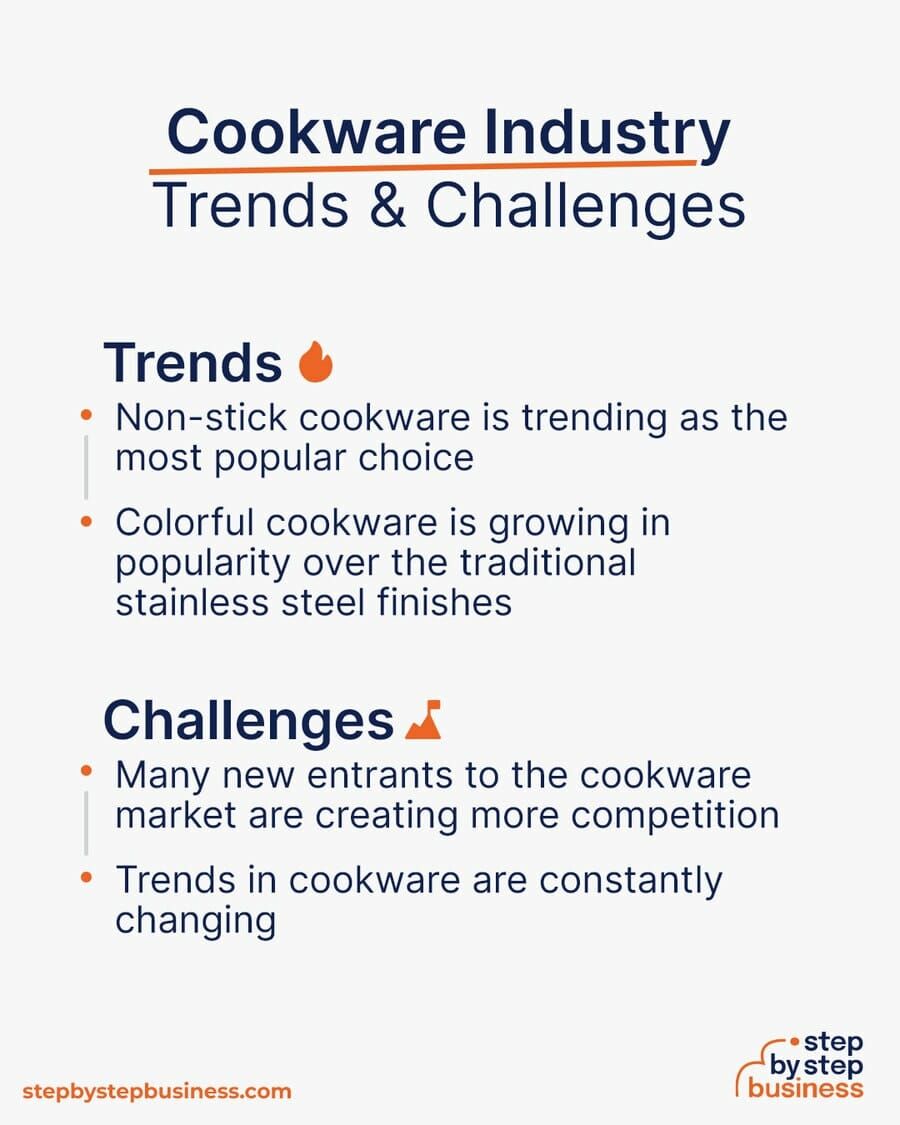
Credit: stepbystepbusiness.com
Navigating Legal And Financial Matters
Navigating legal and financial matters is a key step in starting a cookware business. Handling these well keeps your business safe and running smoothly. It also builds trust with customers and partners. This section explains the basics of legal and financial setup for your cookware venture.
Registering Your Business
First, choose the right business structure. Options include sole proprietorship, partnership, or corporation. Register your business name with local authorities. Obtain necessary licenses and permits to operate legally. This process protects your brand and allows you to open business bank accounts.
Understanding Tax Obligations
Know the taxes your business must pay. This includes income tax, sales tax, and employment tax if you hire staff. Register for a tax ID number with the government. Keep clear records of income and expenses. Accurate tax filing avoids penalties and keeps finances in order.
Protecting Intellectual Property
Cookware designs and brand names are valuable assets. Register trademarks to protect your brand identity. Consider patents for unique product designs or features. Use copyrights for original content like logos and packaging designs. Protecting these rights prevents competitors from copying your work.
Scaling Your Cookware Business
Scaling your cookware business is the next step after establishing a strong foundation. Growth brings new challenges and chances. It requires smart planning and careful moves. Focus on broadening your reach and improving your operations. This helps you serve more customers and increase profits.
Expanding Product Lines
Add new cookware items to meet customer needs. Consider different materials, sizes, or designs. Offer sets, single pieces, or specialty tools. Test small batches before full launch. This keeps risk low and feedback useful. Variety attracts diverse buyers and boosts sales.
Entering New Markets
Explore selling in other regions or countries. Research local preferences and buying habits. Adapt products or marketing to fit each market. Use online platforms to reach wider audiences. Partner with local sellers for better access. New markets bring fresh customers and growth chances.
Investing In Technology
Use technology to improve production and sales. Automate tasks to save time and cut errors. Use software for inventory and customer management. Build an easy-to-use website for online sales. Technology makes your business faster and more efficient.
Frequently Asked Questions
What Are The First Steps To Start A Cookware Business?
Begin by researching the cookware market and identifying your target audience. Create a business plan outlining products, suppliers, and marketing strategies. Register your business legally and secure necessary permits. Start small with quality products and build your brand through effective marketing.
How To Choose The Right Cookware Products To Sell?
Focus on popular and durable cookware like non-stick pans, stainless steel pots, and cast iron skillets. Consider trends such as eco-friendly or multifunctional products. Analyze competitor offerings and customer preferences to select items with high demand and good profit margins.
What Marketing Strategies Work Best For Cookware Businesses?
Use social media platforms to showcase product features and cooking tips. Collaborate with food bloggers and influencers for wider reach. Offer promotions and discounts during holidays. Invest in SEO to improve website visibility and create engaging content around cookware uses.
How Can I Find Reliable Cookware Suppliers?
Research manufacturers and wholesalers with good reputations and quality certifications. Attend trade shows and industry events to meet suppliers directly. Check reviews and request samples before committing. Build strong relationships to ensure consistent quality and timely delivery.
Conclusion
Starting a cookware business takes clear planning and effort. Know your customers and choose good products. Set fair prices and create a strong brand. Use online and local channels to reach buyers. Keep learning about trends and listen to feedback.
Stay patient and work hard every day. Success grows step by step. Your cookware business can do well with smart choices and care.

Hello, This is Annie Walker, a 38-year-old blogger, founder, and editor of Cookware Guider from NY, USA. I am a cookware fanatic and passionate cooker. I love to cook with different types of cooking appliances (example: all types of cookware, rice cookers, slow cookers, etc) almost every day in my kitchen. I love to share my experience with my readers in my blog. Also, I enjoy helping people to solve their problems through my website. You can follow me on Twitter & Pinterest. To know details about my blog please check the about us page.