
When it comes to cooking, you want to make sure your cookware is safe for you and your family. But with so many ceramic options out there, how do you know which one is truly the safest?
You might be worried about harmful chemicals, durability, or even how your food tastes. Don’t worry—this guide will help you cut through the confusion and choose ceramic cookware that keeps your meals healthy and your kitchen worry-free. Keep reading to discover what makes ceramic cookware safe and how to pick the best one for your home.
Benefits Of Ceramic Cookware
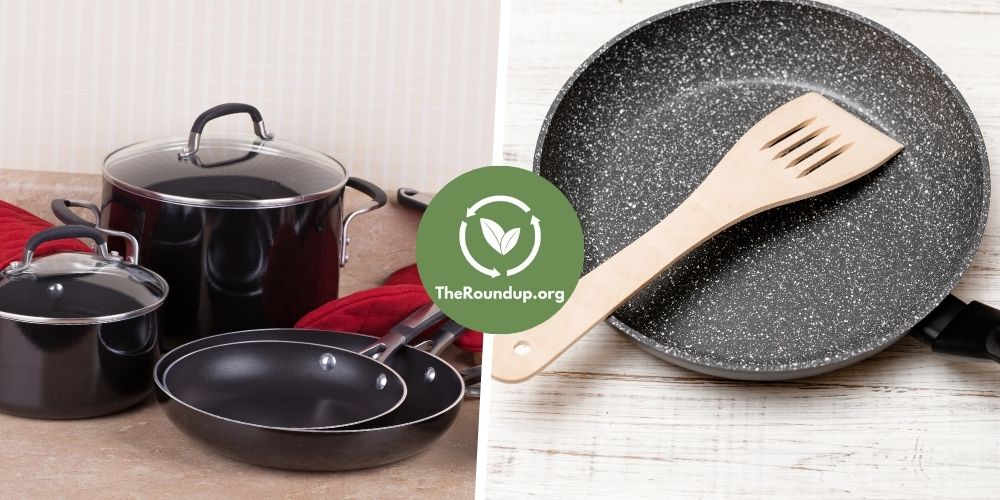
Ceramic cookware offers many benefits that make cooking safer and easier. It provides a healthy alternative to traditional cookware. Many people prefer it for its natural, non-toxic materials. Ceramic pots and pans also cook food evenly and hold heat well. These features improve your cooking experience and help you prepare tasty meals with less effort.
Non-toxic Cooking Surface
Ceramic cookware has a non-toxic surface free from harmful chemicals. It does not release toxins or metals into your food. This makes it a safe choice for daily cooking. Ceramic coatings avoid substances like PTFE and PFOA found in some non-stick pans. You can cook with peace of mind knowing your food stays pure and healthy.
Heat Distribution And Retention
Ceramic cookware heats evenly across the surface. This stops hot spots that burn food. Even heat means better cooking results and less waste. It also holds heat well, keeping food warm longer. This helps meals stay tasty and fresh after cooking. Ceramic pans work well on many heat sources, including gas and electric stoves.
Durability And Scratch Resistance
Ceramic cookware is strong and resists scratches. It keeps its smooth surface after many uses. This durability means the cookware lasts longer. You do not need to replace it often, saving money. The scratch resistance also prevents food from sticking. This makes cleaning easier and faster after cooking.
Credit: theroundup.org
Key Safety Features To Consider
Choosing safe ceramic cookware is important for your health and cooking experience. Key safety features help you avoid harmful chemicals and damage. These features also ensure your cookware lasts longer and cooks food evenly. Understanding what makes ceramic cookware safe helps you make smart choices.
Materials Used In Ceramic Coatings
Ceramic coatings are made from inorganic minerals, mostly silica and oxygen. These materials create a smooth, non-stick surface without harmful chemicals. Pure ceramic coatings are free from metals like lead and cadmium. This reduces health risks and prevents toxic substances from entering your food. Look for cookware with 100% ceramic or natural mineral coatings.
Chemical-free And Bpa-free Options
Safe ceramic cookware does not contain chemicals like PTFE or PFOA. These chemicals can release toxins when heated. Choose ceramic cookware labeled as chemical-free and BPA-free. BPA is a plastic chemical that may harm your body. Avoid coatings with synthetic additives to keep your food pure and healthy.
Oven And Dishwasher Safety
Check if the ceramic cookware can be used in the oven. Oven-safe cookware handles high heat without cracking or releasing toxins. Dishwasher-safe ceramic cookware saves cleaning time and stays durable. Some ceramics lose their coating or crack in dishwashers. Always verify the manufacturer’s instructions for oven and dishwasher safety.
Top Ceramic Cookware Brands
Ceramic cookware is popular for its safety and cooking performance. Choosing the right brand matters for durability and health. Some brands focus on premium quality, others on affordability, and a few prioritize eco-friendliness. This section highlights top ceramic cookware brands in different categories. It helps you find safe and reliable options for your kitchen.
High-end Options
Brands like GreenPan and Le Creuset offer high-end ceramic cookware. They use advanced non-toxic ceramic coatings. Their products resist scratches and heat well. These brands often come with lifetime warranties. They are perfect for serious cooks who want quality and safety.
Affordable And Reliable Choices
T-fal and Cuisinart provide affordable ceramic cookware. Their products balance price and performance. These brands offer non-stick ceramic coatings without harmful chemicals. They suit everyday cooking and budget-conscious buyers. You get safe cookware without spending too much.
Eco-friendly Brands
Brands such as Xtrema focus on eco-friendly ceramic cookware. They use natural materials and avoid toxic substances. Their products are free from metals and chemicals. These brands appeal to those who want green kitchen tools. Safe for you and better for the planet.

Credit: fromourplace.co.uk
Care And Maintenance Tips
Caring for ceramic cookware keeps it safe and useful for years. Proper care stops damage and keeps the cookware looking new. Simple steps can protect the coating and maintain cooking quality.
Cleaning Without Damage
Wash ceramic cookware with warm water and mild soap. Use a soft sponge or cloth to clean it gently. Avoid metal scrubbers or harsh cleaners that scratch the surface. Let the cookware soak to loosen stuck food before washing. Dry the cookware fully to prevent water spots and stains.
Avoiding Thermal Shock
Thermal shock happens when hot cookware meets cold water. This can crack or warp ceramic pots and pans. Let cookware cool down before washing or rinsing. Do not pour cold water into hot ceramic. Avoid sudden temperature changes to keep the ceramic safe.
Extending Cookware Lifespan
Use wooden, silicone, or plastic utensils to protect the ceramic coating. Avoid cooking sprays that leave residue and damage the surface. Store cookware carefully, stacking with soft cloth or paper towels between pieces. Regular care keeps ceramic cookware working well and lasting longer.
Comparing Ceramic To Other Cookware Types
Ceramic cookware is popular for many reasons. It offers a natural, non-toxic cooking surface. Comparing ceramic to other cookware helps find the safest option for your kitchen. Each type has unique features and safety concerns. Understanding these differences helps choose the best cookware for health and cooking needs.
Ceramic Vs. Non-stick Teflon
Ceramic cookware uses a natural, inorganic coating. It does not release harmful chemicals when heated. Teflon has a synthetic coating called PTFE. High heat can cause Teflon to release toxic fumes. Ceramic handles high heat better without breaking down. Non-stick properties of ceramic may wear off faster. Ceramic is safer for frequent use at high temperatures.
Ceramic Vs. Stainless Steel
Stainless steel is strong and durable. It does not have a non-stick surface. Food can stick and burn easily without oil. Ceramic offers a smoother cooking surface. Stainless steel can leach small amounts of nickel or chromium. Ceramic coatings do not release metals. Cleaning stainless steel requires more effort. Ceramic cookware cleans easily with little residue.
Ceramic Vs. Cast Iron
Cast iron is heavy and lasts long. It needs seasoning to create a non-stick surface. It can release iron into food, which may affect taste. Ceramic is lighter and ready to use without seasoning. Cast iron heats evenly but can rust without care. Ceramic resists rust and stains. Both can handle high heat safely for cooking.
Credit: brightside.me
Frequently Asked Questions
What Makes Ceramic Cookware Safe For Cooking?
Ceramic cookware is safe because it is free from toxic chemicals like PTFE and PFOA. It offers a non-reactive surface, preventing harmful substances from leaching into food. High-quality ceramic coatings ensure durability and even heat distribution, making it a healthy choice for everyday cooking.
Are All Ceramic Cookware Brands Non-toxic?
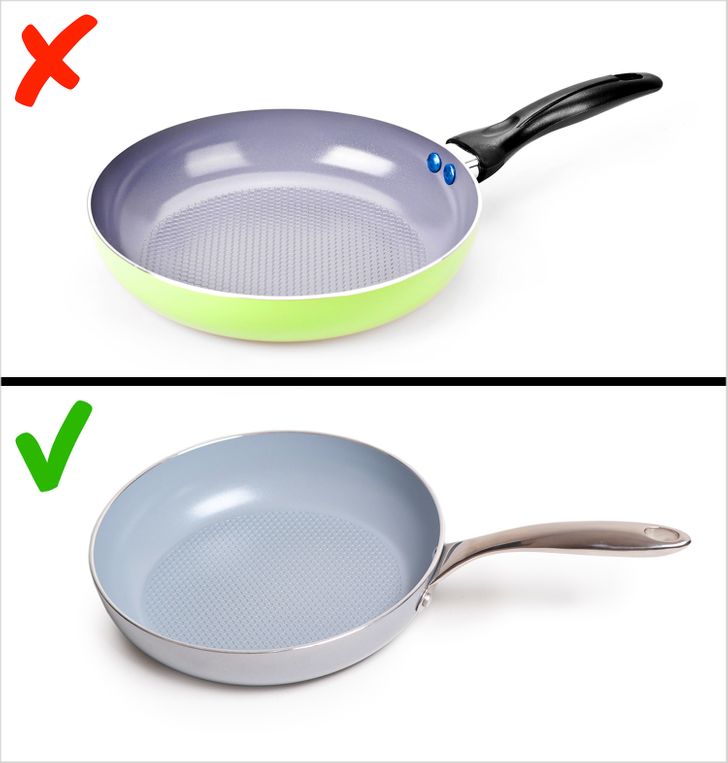
Not all ceramic cookware brands are non-toxic. Some use synthetic coatings mixed with ceramic, which may contain harmful chemicals. Always check for 100% ceramic or pure ceramic coatings labeled as free from PTFE, PFOA, lead, and cadmium to ensure safety.
Research brands before purchasing.
How Durable Is Ceramic Cookware Compared To Other Types?
Ceramic cookware is moderately durable but can chip or crack if mishandled. It withstands high heat but is less resistant to sudden temperature changes. Compared to metal cookware, ceramic requires gentle use but offers excellent non-stick properties and a toxin-free cooking surface.
Can Ceramic Cookware Cause Health Problems?
High-quality ceramic cookware does not cause health problems. It is free of toxic chemicals and does not react with food. However, low-quality or damaged ceramic coatings may release harmful substances. Always buy reputable brands and avoid cooking with scratched or chipped ceramic surfaces.
Conclusion
Choosing the safest ceramic cookware means picking quality and care. Pure ceramic or ceramic-coated pots with no harmful chemicals work best. Avoid cookware with lead, cadmium, or PTFE coatings. Always check labels and brand reputation before buying. Proper use and cleaning keep your cookware safe and lasting.
Good cookware helps you cook healthy meals with peace of mind. Safe ceramic cookware makes cooking easier and better every day.

Hello, This is Annie Walker, a 38-year-old blogger, founder, and editor of Cookware Guider from NY, USA. I am a cookware fanatic and passionate cooker. I love to cook with different types of cooking appliances (example: all types of cookware, rice cookers, slow cookers, etc) almost every day in my kitchen. I love to share my experience with my readers in my blog. Also, I enjoy helping people to solve their problems through my website. You can follow me on Twitter & Pinterest. To know details about my blog please check the about us page.