
Have you ever stood in your kitchen wondering if your cookware has Teflon? Knowing this can make a big difference for your health and cooking experience.
Teflon coatings can make your pans non-stick, but they can also wear out or release harmful chemicals if damaged. If you’re unsure about what’s on your pots and pans, this guide will help you spot the signs quickly and easily.
Keep reading, and you’ll learn simple tips to identify Teflon cookware and make safer choices for your kitchen.
Signs Of Teflon Cookware
Identifying Teflon cookware is easier than many think. Certain signs help recognize this popular non-stick coating. These clues reveal the presence of Teflon without needing special tools. Spotting these signs can guide your choice and care for cookware.
Non-stick Surface Appearance
Teflon cookware has a smooth and shiny surface. The coating looks dark gray or black. It feels slick and slippery to touch. Scratches or peeling indicate wear of the Teflon layer. The surface usually resists food sticking during cooking.
Weight And Material Feel
Teflon pans often feel lighter than cast iron or stainless steel. The base material is usually aluminum, which is light. The pan feels smooth outside without rough textures. Lightweight and smoothness hint at a non-stick Teflon coating inside.
Brand Labels And Markings
Many Teflon pans have labels or stamps on the bottom. Look for words like “Teflon,” “non-stick,” or brand names linked to Teflon. Some brands print the coating type clearly. Checking labels is a quick way to confirm Teflon presence.

Credit: www.explainthatstuff.com
Simple Tests At Home
Testing cookware at home can help you identify if it has Teflon coating. These simple tests are safe, quick, and need no special tools. Try these easy methods to check your pots and pans.
Water Droplet Test
Place a few drops of water on the cookware surface. Watch how the water behaves. If the drops stay round and slide easily, it likely has Teflon. Water spreads out or sticks if no Teflon is present. This test works best on a clean, dry surface.
Scratch Test
Use a wooden or plastic utensil to gently scratch the surface. Teflon coating is smooth and soft. Scratches may feel less rough compared to metal or ceramic. Avoid sharp tools to prevent damage. If scratches appear easily, it might be Teflon, but be careful not to ruin the coating.
Heat Resistance Check
Heat the cookware on low to medium flame. Teflon heats evenly and quickly without discoloring. Watch for areas that darken or burn. Uneven heating or spots may mean no Teflon. Do not overheat, as this can damage any non-stick coating.
Common Cookware Materials
Cookware comes in many materials. Each type affects cooking and cleaning. Knowing these materials helps identify if cookware has Teflon or other coatings. Common cookware materials include Teflon, ceramic, aluminum, and stainless steel. Some pans use special non-stick coatings. Understanding these materials makes it easier to choose the right pan.
Teflon Vs Ceramic
Teflon is a popular non-stick coating. It is smooth and slippery. Food does not stick easily. Teflon is usually black or dark gray inside the pan. Ceramic is a natural, non-stick surface. It has a white or light-colored finish. Ceramic is often free from chemicals found in Teflon. Both help cook food without much oil.
Aluminum And Stainless Steel
Aluminum pans heat quickly and evenly. They are often coated with non-stick layers like Teflon. Bare aluminum is shiny and silver. Stainless steel is strong and shiny. It does not have a non-stick surface. Food can stick more on stainless steel. It needs oil or butter to cook without sticking. Stainless steel pans are heavier than aluminum ones.
Other Non-stick Coatings
Besides Teflon, other coatings exist. Some pans use ceramic-based coatings. Others have silicone or enamel finishes. These coatings also prevent food from sticking. They can be colorful or white. Look for labels on the pan to know the coating type. Not all non-stick pans contain Teflon.
Safety Tips For Teflon Use
Using Teflon cookware safely helps protect your health and extend the life of your pans. Follow simple safety tips to avoid risks linked to Teflon. Keep your kitchen safe and your food healthy by handling Teflon cookware properly.
Avoiding Overheating
Heat Teflon cookware on low or medium settings only. High heat can break down the Teflon coating. This releases harmful fumes that may cause health issues. Never leave an empty pan on a hot burner. Turn off the heat as soon as cooking is done.
Proper Cleaning Methods
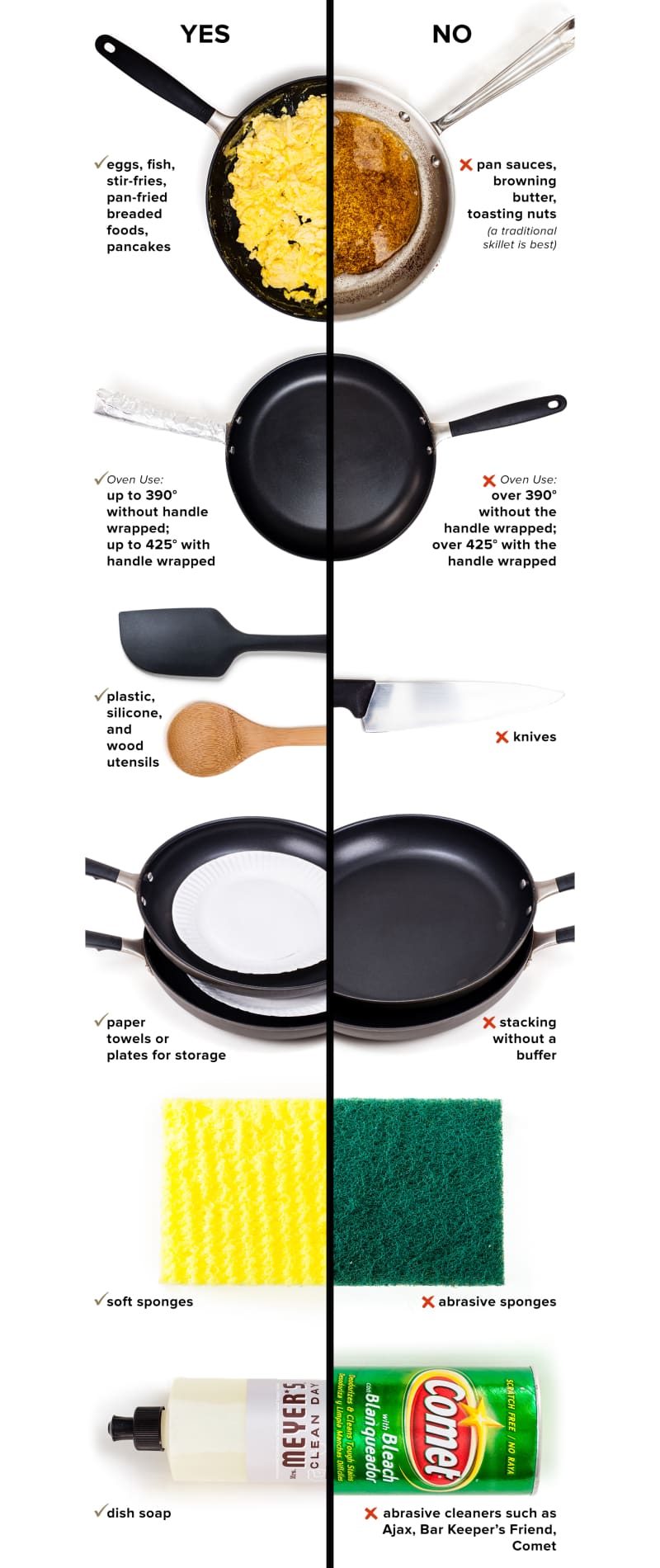
Use soft sponges or cloths to clean Teflon pans. Avoid metal scrubbers that can scratch the coating. Hand wash with warm, soapy water instead of the dishwasher. Dry the pans completely before storing to prevent damage.
When To Replace Cookware
Check your Teflon pans regularly for scratches or peeling. Scratched surfaces can release toxic particles into your food. Replace any pan with visible damage. Using old, worn cookware increases health risks and reduces cooking quality.
Identifying Teflon By Brand
Identifying cookware with Teflon by its brand is a practical way to know what coating your pans have. Many cookware brands use Teflon or similar non-stick coatings. Recognizing these brands helps you decide if your cookware contains Teflon.
Some brands clearly state their use of Teflon on packaging or in product details. Others might use different non-stick materials but still mention Teflon in their product description. Knowing popular Teflon brands and checking the manufacturer’s information can guide you in identifying the coating.
Popular Teflon Brands
Teflon is a brand name owned by Chemours. Many cookware makers use Teflon coatings licensed from this company. Brands like T-fal, Calphalon, and Farberware often include Teflon on their non-stick pans.
Other brands may use similar coatings but call them non-stick or PTFE coatings. PTFE is the chemical name for Teflon. Cookware labeled as PTFE-coated most likely has Teflon or a similar substance.
Checking Manufacturer Information
Look at the product label or packaging for the term “Teflon” or “PTFE.” The manufacturer’s website often lists detailed coating materials.
Customer manuals or product descriptions online can also reveal the coating type. If the information is unclear, contact customer service for confirmation.
Labels sometimes note if the cookware is PFOA-free. PFOA is a chemical once used in Teflon production. Modern Teflon cookware usually does not contain PFOA.
Credit: kitchenbap.com
Credit: www.reddit.com
Frequently Asked Questions
How Can I Identify Teflon Cookware Visually?
Look for a smooth, shiny, and often black or dark gray non-stick surface. The coating feels slick and is typically free of scratches or roughness. Some brands may label the bottom or packaging with “Teflon” or “PTFE” to confirm its presence.
Does Teflon Cookware Have Any Markings?
Yes, many Teflon-coated pans have markings like “PTFE” or “Teflon” on the base. These labels help confirm the type of non-stick coating used. If uncertain, check the manufacturer’s website or product details for confirmation.
Can I Test If Cookware Has Teflon At Home?
You can gently scratch a small hidden area with a non-metal utensil to check for a smooth, slick coating. Avoid metal tools as they can damage the surface. If it feels slippery and non-stick, it likely has Teflon.
Is Teflon Cookware Safe To Use If Scratched?
Scratched Teflon cookware may release harmful particles and chemicals when overheated. It’s best to replace pans with damaged coatings to avoid health risks and maintain safe cooking.
Conclusion
Knowing how to spot Teflon on cookware helps keep your kitchen safe. Check labels and surface texture carefully. Scratches or peeling may mean the coating is worn out. Avoid using metal tools that damage Teflon. Choosing the right pans protects your food and health.
Simple steps make cooking easier and safer every day. Keep these tips in mind to know your cookware better. Cook smart, cook safe.

Hello, This is Annie Walker, a 38-year-old blogger, founder, and editor of Cookware Guider from NY, USA. I am a cookware fanatic and passionate cooker. I love to cook with different types of cooking appliances (example: all types of cookware, rice cookers, slow cookers, etc) almost every day in my kitchen. I love to share my experience with my readers in my blog. Also, I enjoy helping people to solve their problems through my website. You can follow me on Twitter & Pinterest. To know details about my blog please check the about us page.