
Are you tired of food sticking to your pans and making cooking a hassle? Using non stick cookware can change the way you cook for the better.
It saves you time, makes cleaning easier, and helps your meals come out perfect every time. But to get the most from your non stick pots and pans, you need to know the right tips and tricks. Keep reading, and you’ll discover simple ways to protect your cookware, cook healthier meals, and enjoy stress-free cooking every day.
Your kitchen experience is about to get a whole lot better.
Credit: www.consumerreports.org
Choosing The Right Non Stick Cookware
Choosing the right non stick cookware is key for easy cooking and cleaning. The right pan can save time and improve your food’s taste. Knowing the differences in types, sizes, and materials helps pick the best option for your kitchen needs.
Types Of Non Stick Coatings
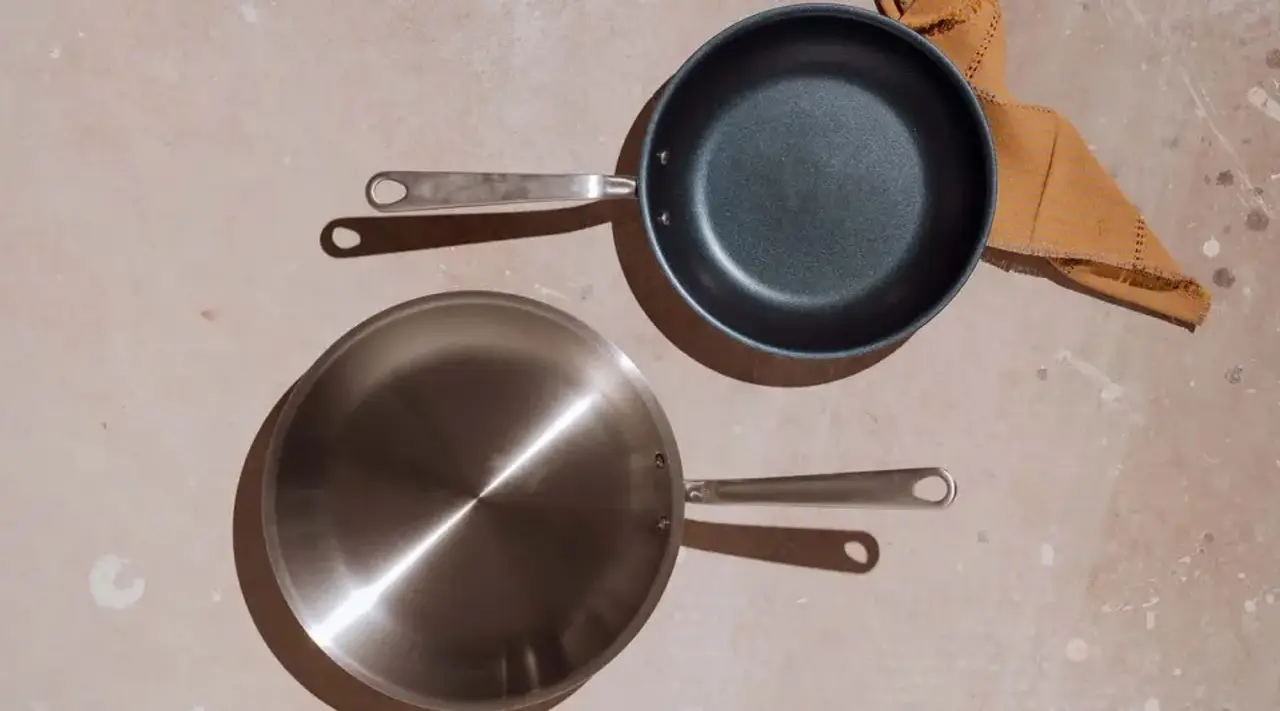
Non stick coatings vary in quality and use. Some common types include PTFE, ceramic, and silicone-based coatings. PTFE pans are popular for smooth cooking surfaces. Ceramic coatings offer a chemical-free option with good heat distribution. Silicone coatings work well for bakeware but less for stovetop pans. Choose coating types based on your cooking style and health preferences.
Size And Shape Considerations
Cookware size depends on how many people you cook for. Small pans suit single servings or quick meals. Larger pans are good for families or batch cooking. Shape affects how heat spreads and food cooks. Round pans work for most dishes. Square or rectangular pans help with grilling or baking. Match size and shape to your typical recipes.
Material Differences
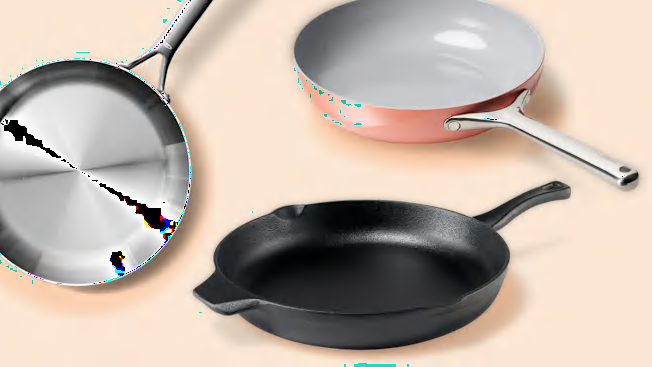
Non stick pans come with various bases like aluminum, stainless steel, or cast iron. Aluminum heats up fast and is lightweight. Stainless steel is durable but may heat unevenly without a core. Cast iron holds heat well but is heavy and needs care. The material affects how the pan heats and lasts. Pick one that fits your cooking habits and maintenance preferences.
Preparing Non Stick Cookware
Preparing non stick cookware before use helps protect its surface. This care improves the lifespan of the pan. It also makes cooking easier and keeps food from sticking. Simple steps can prepare your cookware for the best performance.
Follow these tips to get your non stick pans ready. Proper preparation helps maintain the coating and prevents damage during cooking.
Seasoning Tips
Seasoning non stick pans can create a smooth cooking surface. First, wash the pan with warm water and mild soap. Dry it well with a soft cloth or paper towel. Next, apply a thin layer of cooking oil to the surface. Use a paper towel to spread the oil evenly. Heat the pan on low for 1-2 minutes. Then, turn off the heat and let the pan cool. Wipe off any extra oil before cooking. This process helps keep food from sticking and protects the coating.
Proper Cleaning Before First Use
Clean non stick cookware carefully before first use. Rinse the pan with warm water to remove dust and residues. Use a soft sponge and mild dish soap to wash the surface gently. Avoid abrasive scrubbers that can scratch the coating. Rinse well to remove soap traces. Dry the pan completely with a soft towel. Proper cleaning removes factory oils and dirt, ensuring safe and healthy cooking.
Cooking Techniques For Non Stick Pans
Non stick pans need special care to keep their coating safe and useful. Using the right cooking methods helps food cook well. It also keeps the pan from getting damaged. Follow these simple tips for better cooking results.
Optimal Heat Settings
Use low to medium heat for non stick pans. High heat can damage the coating. It may also release harmful fumes. Start with a low flame and increase if needed. Watch your food closely to avoid burning.
Using The Right Cooking Oils
Choose oils with a high smoke point, like canola or sunflower oil. These oils handle heat better without breaking down. Avoid butter or olive oil at high heat. They can burn and stick to the pan.
Avoiding Metal Utensils
Use wooden, silicone, or plastic utensils to protect the pan. Metal tools can scratch and ruin the non stick surface. Scratches reduce the pan’s effectiveness and lifespan. Treat your pan gently for longer use.
Credit: madeincookware.com
Maintaining Non Stick Cookware
Maintaining non stick cookware helps keep it working well for a long time. Proper care keeps the surface smooth and stops food from sticking. Small habits can make a big difference in how your pan performs.
Cleaning Best Practices
Use warm water and a soft sponge to clean your pan. Avoid harsh scrubbers or metal brushes that can scratch the surface. Hand wash your cookware soon after use to stop food from hardening. Mild dish soap works well and keeps the coating safe. Never put non stick pans in the dishwasher unless the label says it is safe.
Storage Tips To Prevent Damage
Store pans carefully to avoid scratches and dents. Place a soft cloth or paper towel between stacked pans. Avoid piling heavy pots on top of non stick cookware. Keep your pans in a dry place to stop rust or damage. Proper storage keeps the surface smooth and ready for cooking.
When To Replace Your Pan
Check your pan for scratches or peeling on the coating. If food sticks or cooks unevenly, it might be time to replace it. Cracks or warping also mean your pan is worn out. A damaged pan can affect your food and cooking results. Replace non stick cookware to keep meals tasty and easy to cook.
Common Mistakes To Avoid
Non stick cookware makes cooking easier and cleaning quicker. Yet, many people make simple mistakes that harm these pans. Avoiding these errors helps your cookware last longer and work better. Below are common mistakes to watch out for.
Overheating The Pan
Non stick pans are not made for very high heat. Overheating can break the coating. This damage makes food stick and can release harmful fumes. Use low to medium heat settings. Wait for the pan to warm slowly before cooking.
Using Harsh Cleaning Tools
Scrubbing with rough sponges or steel wool scratches the surface. These scratches ruin the non stick layer. Use soft cloths or sponges instead. Mild soap and warm water clean well. Avoid harsh chemicals that wear down the coating.
Stacking Without Protection
Stacking pans without any protection causes scratches and dents. Place paper towels or cloth between pans before stacking. This simple step keeps the coating safe. Protect your pans to keep them smooth and non stick longer.

Credit: madeincookware.com
Enhancing Cooking Results
Non stick cookware makes cooking easier and cleaner. It helps food not to stick and burns less. Using it well can improve your meals and save time. Learning how to combine it with other cookware and picking the right recipes can give great results.
Combining Non Stick With Other Cookware
Non stick pans work well with stainless steel or cast iron. Use non stick for eggs and pancakes. Use cast iron for searing meat to get a crispy crust. Stainless steel is good for boiling or making sauces. Mixing cookware types lets you cook different foods best.
Switch between pans during cooking for better texture and flavor. Use non stick to finish cooking delicate foods after searing. This way, food cooks evenly and stays tender. Cleaning is also easier when you use the right pan.
Recipes That Work Best
Non stick pans are perfect for soft foods like eggs, fish, and pancakes. These foods cook gently and do not stick. Use low to medium heat to protect the pan coating. Avoid cooking foods with high sugar or acidic sauces for long times.
Try simple recipes like omelets, stir-fried vegetables, and grilled cheese sandwiches. These dishes cook fast and clean up is simple. Non stick pans are not best for browning or frying crispy foods. Choose recipes that keep the pan safe and your food tasty.
Frequently Asked Questions
How Do I Clean Non Stick Cookware Safely?
To clean non stick cookware, use warm water and mild dish soap. Avoid abrasive scrubbers that can damage the coating. Use a soft sponge or cloth to gently clean the surface. Dry thoroughly to prevent water spots and maintain non stick quality.
Can I Use Metal Utensils With Non Stick Cookware?
It is best to avoid metal utensils as they can scratch the non stick surface. Opt for wooden, silicone, or plastic utensils to preserve the coating. Using safe utensils extends the life of your cookware and maintains its non stick properties.
What Is The Ideal Heat Setting For Non Stick Pans?
Use low to medium heat settings for non stick cookware. High heat can damage the coating and reduce its lifespan. Non stick pans heat quickly, so moderate temperatures are sufficient for cooking most dishes effectively.
How Do I Prevent Food From Sticking On Non Stick Pans?
Preheat your pan on low heat before adding oil or food. Use a small amount of cooking oil or butter to enhance the non stick effect. Avoid overcrowding the pan to ensure even cooking and prevent sticking.
Conclusion
Non-stick cookware makes cooking easier and cleaning faster. Use gentle utensils to protect the surface. Avoid high heat to keep the coating safe. Wash with mild soap and a soft sponge. Store carefully to prevent scratches. Follow these simple steps for longer use.
Enjoy tasty meals without the hassle. Cooking with non-stick pans stays simple and fun. Keep these tips in mind for the best results. Your kitchen routine will feel smoother and better.

Hello, This is Annie Walker, a 38-year-old blogger, founder, and editor of Cookware Guider from NY, USA. I am a cookware fanatic and passionate cooker. I love to cook with different types of cooking appliances (example: all types of cookware, rice cookers, slow cookers, etc) almost every day in my kitchen. I love to share my experience with my readers in my blog. Also, I enjoy helping people to solve their problems through my website. You can follow me on Twitter & Pinterest. To know details about my blog please check the about us page.