
Have you ever opened your pot of rice only to find it mushy and soggy? You might wonder, “If my rice is mushy, do I cook it longer?”
It’s a common question that many home cooks face. The answer isn’t as simple as just adding more cooking time. Your rice texture depends on several factors, and getting it just right can make your meals much more enjoyable. Keep reading to discover why mushy rice happens and what you can do to fix it – so your next batch turns out perfectly fluffy every time.
Why Rice Turns Mushy
Rice turns mushy when it absorbs too much water or cooks for too long. The texture becomes soft and sticky, losing its fluffy quality. Understanding why this happens helps to cook perfect rice every time. Several factors cause rice to become mushy, including cooking errors and the type of rice used.
Common Cooking Mistakes
Cooking rice without measuring water leads to mushy results. Stirring rice while cooking breaks the grains and releases starch. Using high heat cooks rice too fast, causing it to stick and clump. Not draining excess water after cooking adds moisture and softness.
Rice-to-water Ratio
Too much water makes rice swell and become soft. Each type of rice needs a specific water amount. Using less water keeps rice firm and separate. Always measure water carefully to avoid mushy rice.
Type Of Rice Impact
Different rice types absorb water differently. Long-grain rice stays fluffy and separate. Short-grain rice releases more starch and clumps easily. Brown rice needs more water and longer cooking time. Choose rice type based on desired texture.
:max_bytes(150000):strip_icc()/ar-mushy-rice-ViorelBumbescu-e02a34287eba44e2b33f6c6fefa5dabd.jpg)
Credit: www.allrecipes.com
Effects Of Cooking Rice Longer
Cooking rice longer than needed changes its quality. It affects how the rice feels and tastes. Understanding these effects helps improve your cooking.
Texture Changes
Rice cooked for too long becomes soft and sticky. It can turn mushy and lose its shape. The grains blend together, making the rice less fluffy. This change makes it harder to enjoy the rice as a side dish.
Nutrient Loss
Extended cooking can reduce vitamins in rice. Some nutrients dissolve in the cooking water. Cooking too long lowers the rice’s health benefits. Shorter cooking keeps more nutrients intact.
Potential Overcooking
Overcooked rice may smell burnt or taste bitter. It can also dry out if left on heat too long. Overcooking wastes food and effort. Watch the cooking time closely to avoid this.
Steps To Fix Mushy Rice
Mushy rice can spoil a meal. Fixing it is easier than you think. Small steps can improve the texture quickly. Start by removing extra water. Then, try drying the rice properly. Finally, use heat to make the rice firmer. These steps help save your rice and make it tasty again.
Draining Excess Water
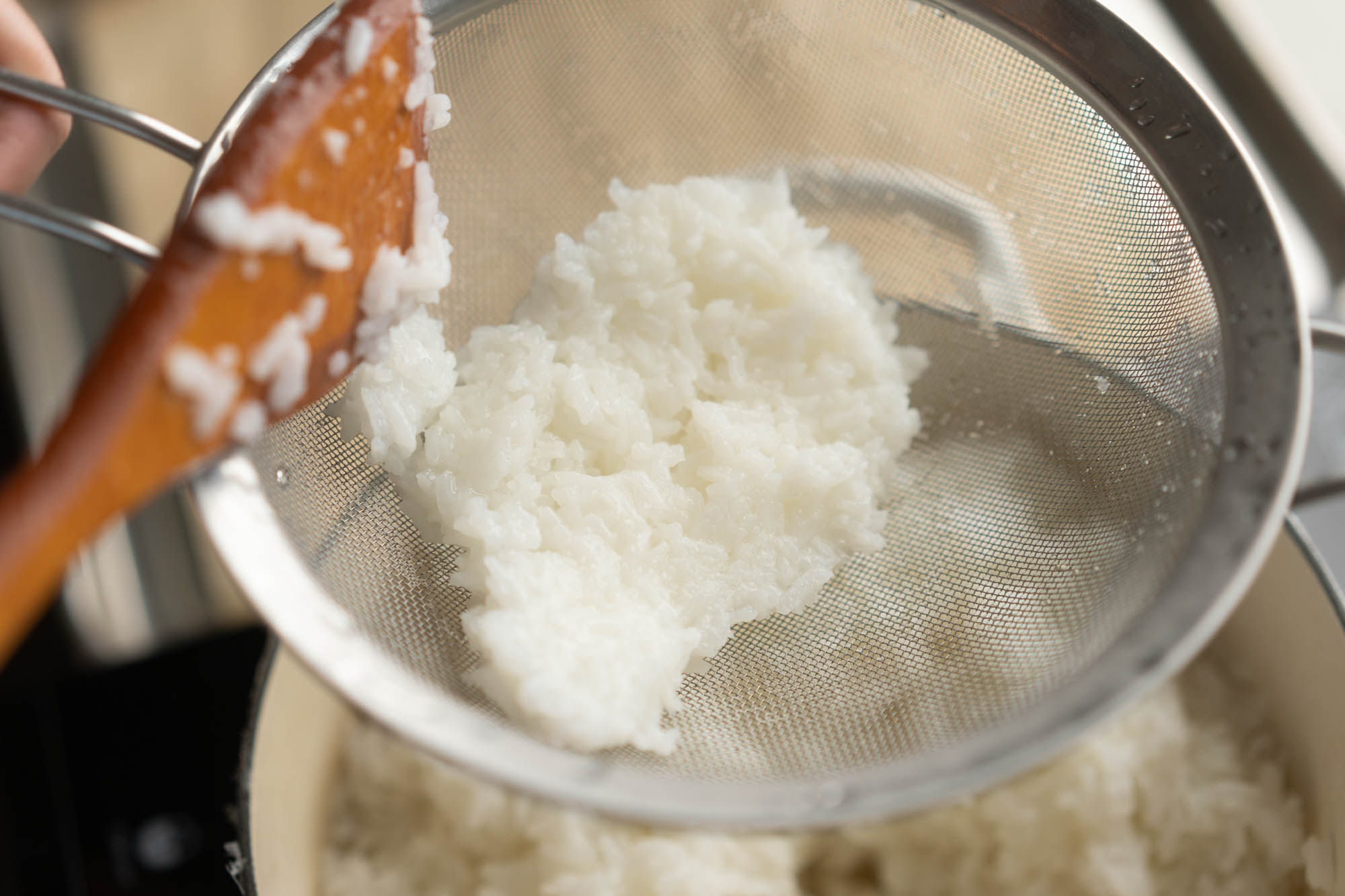
Pour the rice into a fine strainer or colander. Let the water drain completely. Shake the strainer gently to remove as much water as possible. Avoid pressing the rice, or it will get mushier. This step removes extra moisture, which causes mushiness.
Drying Techniques
Spread the rice on a clean kitchen towel or paper towel. Let it sit for 10 to 15 minutes to dry. Pat the rice gently with another towel to absorb moisture. Air drying helps the grains separate. Dry rice feels less sticky and cooks better afterward.
Using Heat To Improve Texture
Place the drained rice in a dry pan on low heat. Stir the rice slowly and evenly for a few minutes. Heat evaporates remaining moisture and firms up the grains. Avoid high heat; it may burn the rice. This method makes rice less sticky and more enjoyable.
Credit: www.reddit.com
Preventing Mushy Rice In Future
Preventing mushy rice in the future starts with simple steps. Controlling water, rice type, and cooking method helps keep rice fluffy. Learning these tips makes cooking rice easier and more consistent.
Proper Measurement Tips
Use the right amount of water for your rice type. Too much water makes rice soft and sticky. Measure rice and water with the same cup. Rinse rice before cooking to remove excess starch.
Choosing The Right Rice
Different rice types cook differently. Long-grain rice stays fluffy. Short-grain rice tends to be stickier. Pick rice that fits your dish and cooking style.
Cooking Methods To Try
Try the absorption method for precise water control. Use a tight lid to keep steam inside. Avoid lifting the lid while cooking. Let rice rest off heat before serving.
Expert Tips For Perfect Rice
Perfect rice is soft but not mushy. It should have separate grains and a nice texture. Many cooks struggle with rice that turns out too wet or sticky. Small changes in cooking methods can help achieve the ideal result. The following tips focus on key steps to improve your rice every time.
Soaking Before Cooking
Soaking rice helps grains absorb water evenly. This step reduces cooking time and prevents mushiness. Rinse the rice first to remove extra starch. Then soak it in water for 20 to 30 minutes. Drain well before cooking for better texture.
Resting Period After Cooking
Let rice rest after cooking to finish steaming. Cover the pot and leave it for 10 minutes. This allows moisture to spread evenly inside the grains. Fluff rice gently with a fork before serving to separate grains.
Using A Rice Cooker
A rice cooker controls temperature and time precisely. It prevents overcooking and burning. Use the right water-to-rice ratio suggested for your cooker. Avoid opening the lid during cooking to keep steam inside. The result is fluffy, well-cooked rice every time.
Credit: www.hungryhuy.com
Frequently Asked Questions
Why Is My Rice Mushy After Cooking?
Mushy rice usually means too much water or overcooking. Use less water and cook on low heat to avoid mushiness. Drain excess water if needed to improve texture.
Should I Cook Mushy Rice Longer?
No, cooking mushy rice longer worsens texture. Instead, try draining excess water or fluffing it gently. Let it rest covered to absorb moisture evenly.
How Can I Prevent Rice From Becoming Mushy?
Use correct rice-to-water ratio and avoid stirring while cooking. Rinse rice before cooking to remove excess starch. Cook on low heat and let it rest off heat.
Can Rinsing Rice Prevent Mushiness?
Yes, rinsing rice removes extra starch, reducing stickiness. Rinse until water runs clear for best results. This helps achieve separate, fluffy grains.
Conclusion
Mushy rice usually means it has too much water or cooks too long. Cooking it longer will not help. Instead, try draining the extra water and letting rice steam with the lid on. Use less water next time to avoid mushiness.
Practice makes perfect. Soon, you will get fluffy rice every time. Simple steps bring better results. Keep these tips in mind for your next meal.

Hello, This is Annie Walker, a 38-year-old blogger, founder, and editor of Cookware Guider from NY, USA. I am a cookware fanatic and passionate cooker. I love to cook with different types of cooking appliances (example: all types of cookware, rice cookers, slow cookers, etc) almost every day in my kitchen. I love to share my experience with my readers in my blog. Also, I enjoy helping people to solve their problems through my website. You can follow me on Twitter & Pinterest. To know details about my blog please check the about us page.