
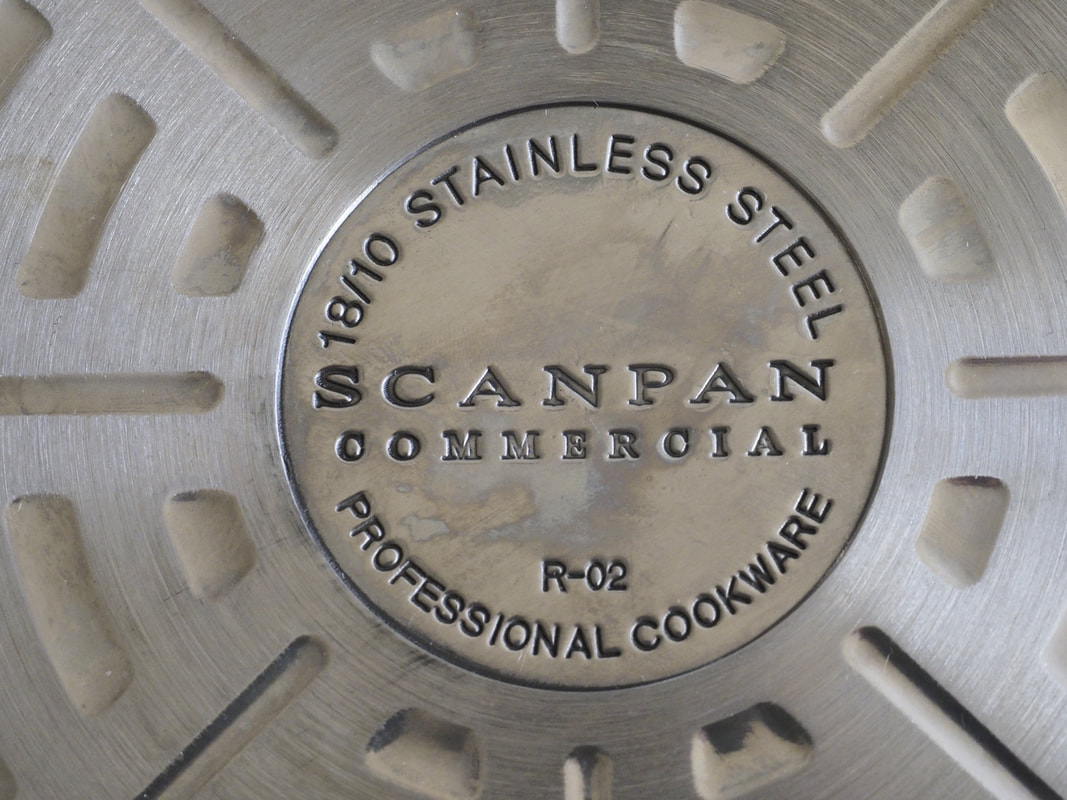
When it comes to choosing the right cookware, you want something that lasts, cooks evenly, and is easy to clean. You may have come across the term “18/10 stainless steel” and wondered if it’s really a good choice for your kitchen.
Is it durable enough? Will it affect the taste of your food? Understanding what 18/10 stainless steel means can help you make smarter decisions about your cookware. Keep reading to find out why this material is trusted by many chefs and home cooks alike—and if it’s the right fit for your cooking needs.
Credit: www.craftnhome.com
What Is 18 10 Stainless Steel
18 10 stainless steel is a popular choice for cookware. It refers to the composition of the steel alloy used. This type of steel offers a good balance of strength, corrosion resistance, and shine. It is often used in kitchen tools and cookware because it lasts long and looks nice.
What Does 18 10 Mean?
The numbers 18 10 stand for the percentages of chromium and nickel in the steel. Chromium makes up 18% of the alloy, while nickel makes up 10%. These metals give the steel its special properties.
- Chromium (18%): Adds rust resistance and hardness.
- Nickel (10%): Improves shine and corrosion resistance.
How Is 18 10 Stainless Steel Made?
To make 18 10 stainless steel, manufacturers mix iron with chromium and nickel. The mix melts at high temperatures. Then, the molten metal cools and solidifies into sheets or shapes for cookware. This process makes the steel strong and smooth.
Properties Of 18 10 Stainless Steel
| Property | Description |
|---|---|
| Corrosion Resistance | Resists rust and stains from food and water. |
| Durability | Strong and long-lasting under heat and daily use. |
| Appearance | Bright, shiny surface that stays polished. |
| Maintenance | Easy to clean and dishwasher safe. |
Common Uses Of 18 10 Stainless Steel
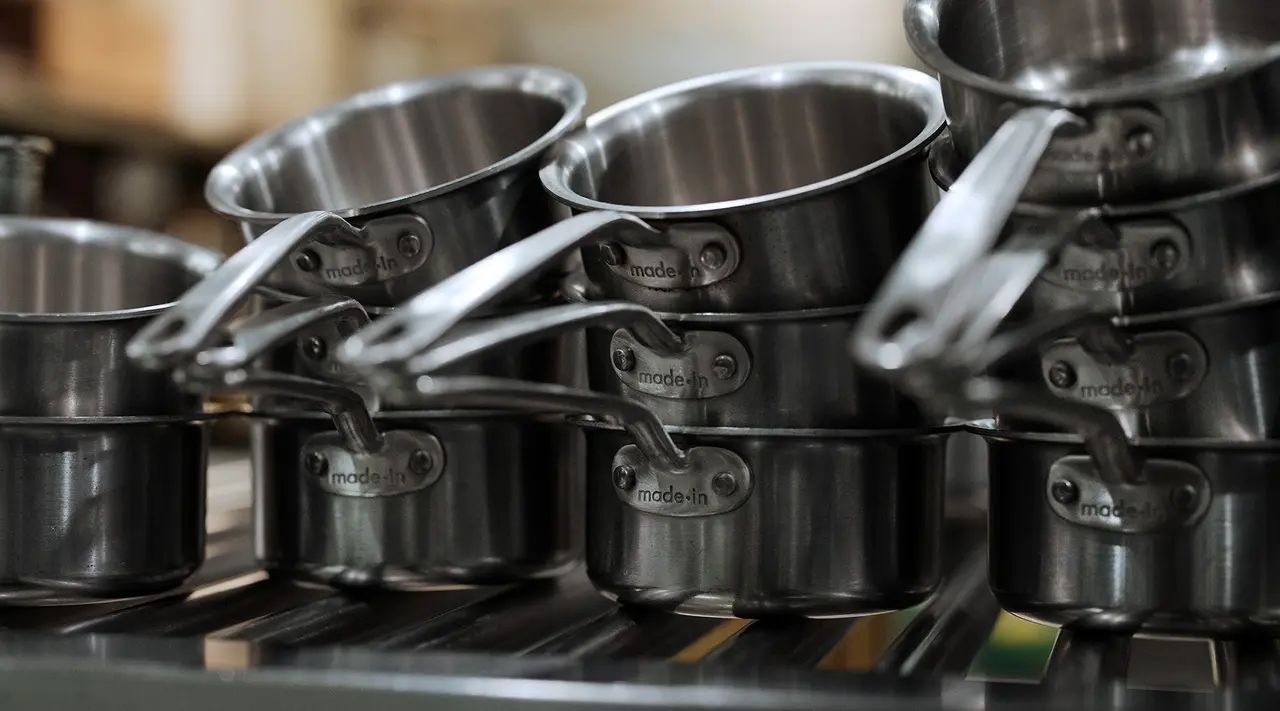
- Cookware such as pots and pans
- Cutlery like knives and forks
- Kitchen sinks and appliances
- Food processing equipment
Credit: madeincookware.com
Benefits For Cookware
18 10 stainless steel is a popular choice for cookware. This type of steel contains 18% chromium and 10% nickel. These metals give cookware special benefits. The main benefits for cookware made from 18 10 stainless steel include durability, resistance to rust, and excellent heat distribution. These features make it a reliable option for everyday cooking. The quality of 18 10 stainless steel helps cookware last longer and perform better.
Durability And Strength
Cookware made from 18 10 stainless steel is very strong and durable. The mix of chromium and nickel adds toughness to the steel. This makes the cookware hard to bend or break, even with heavy use. It can handle high heat and rough handling without damage.
Some key points about durability:
- Scratch resistance: The surface resists scratches from utensils.
- Impact resistance: It can withstand drops or knocks.
- Long lifespan: The cookware keeps its shape and look for years.
Here is a quick comparison of 18 10 stainless steel with other materials:
| Material | Durability | Strength |
|---|---|---|
| 18 10 Stainless Steel | High | High |
| Aluminum | Moderate | Low |
| Copper | Moderate | Moderate |
Strong and durable cookware means less need to replace pots and pans. This saves money and reduces waste.
Corrosion Resistance
One major benefit of 18 10 stainless steel is its corrosion resistance. Chromium in the steel creates a thin layer of oxide on the surface. This layer protects the metal from rust and stains.
The nickel content helps keep the surface shiny and smooth. It stops the steel from reacting with acids or salty foods. This keeps cookware safe and clean.
Benefits of corrosion resistance include:
- Prevents rust even after long use
- Easy to clean and maintain
- Food tastes pure without metallic flavors
Here is how 18 10 stainless steel compares in corrosion resistance:
| Material | Rust Resistance | Stain Resistance |
|---|---|---|
| 18 10 Stainless Steel | Excellent | Excellent |
| Carbon Steel | Low | Low |
| Cast Iron | Moderate | Moderate |
Corrosion resistance means cookware stays safe and attractive for a long time. It also makes cleaning easier and faster.
Heat Distribution
Even heat distribution is important for good cooking results. 18 10 stainless steel conducts heat well but not as fast as copper or aluminum. Most 18 10 stainless steel cookware uses a layered base to improve heat spread.
These layers combine stainless steel with aluminum or copper. The layers help spread heat evenly across the cooking surface. This stops hot spots and burns.
Advantages of good heat distribution:
- Food cooks evenly
- Better control over cooking temperature
- Energy efficient cooking
Example of a common layered base:
Stainless Steel (outer layer) Aluminum or Copper (middle layer) Stainless Steel (inner cooking surface)Efficient heat distribution reduces cooking time and improves food taste. It also prevents sticking and burning, making cooking easier for all skill levels.
Comparison With Other Stainless Steel Grades
Choosing the right stainless steel grade matters for cookware quality and durability. 18 10 stainless steel is popular in kitchens due to its balance of strength and corrosion resistance. Comparing it with other stainless steel grades helps understand its benefits and limits. This section looks at how 18 10 stands against 18 8 stainless steel and the commonly used 304 and 316 grades.
18 8 Stainless Steel
18 8 stainless steel contains 18% chromium and 8% nickel. It is very similar to 18 10 but has slightly less nickel content. The nickel improves the steel’s resistance to rust and adds shine.
Key points about 18 8 stainless steel:
- Good corrosion resistance but less than 18 10
- More affordable due to lower nickel content
- Durable and safe for cookware use
- Less shiny compared to 18 10
Below is a quick comparison table:
| Feature | 18 8 Stainless Steel | 18 10 Stainless Steel |
|---|---|---|
| Chromium (%) | 18 | 18 |
| Nickel (%) | 8 | 10 |
| Corrosion Resistance | Good | Better |
| Cost | Lower | Higher |
18 8 stainless steel offers solid performance for most cooking needs. It is a reliable choice for those who want durable cookware at a lower price. The slightly lower nickel means it may need more care to avoid stains over time.
304 And 316 Stainless Steel
304 and 316 stainless steel are technical grades often mentioned in cookware quality. They relate closely to 18 8 and 18 10 but have specific chemical standards.
304 stainless steel is the most common grade used in cookware. It usually contains 18% chromium and 8-10% nickel, similar to 18 8 and 18 10. It balances corrosion resistance and cost effectively.
316 stainless steel contains molybdenum, which boosts resistance to acids and salt. It is found in high-end cookware for better durability, especially in harsh cooking environments.
Here is a comparison between 304 and 316:
| Feature | 304 Stainless Steel | 316 Stainless Steel |
|---|---|---|
| Chromium (%) | 18-20 | 16-18 |
| Nickel (%) | 8-10 | 10-14 |
| Molybdenum | None | 2-3 |
| Corrosion Resistance | High | Very High |
| Price | Moderate | Higher |
304 stainless steel is the standard for most cookware, combining safety and durability. 316 is ideal for specialized cookware exposed to tough conditions like saltwater cooking. Both grades exceed basic 18 8 and 18 10 in controlled chemical standards.
Safety And Food Contact
Choosing the right cookware affects both health and taste. 18/10 stainless steel ranks high in safety for food contact. This type of stainless steel contains 18% chromium and 10% nickel. These metals make the cookware strong and resistant to rust and corrosion. The material does not react with food, keeping flavors pure and safe. This section explores the safety and food contact features of 18/10 stainless steel cookware.
Non-toxic Properties
18/10 stainless steel is known for its non-toxic nature. It does not release harmful chemicals into food during cooking. The chromium forms a thin layer of oxide on the surface. This layer acts as a shield against rust and metal leaching. Nickel adds to the steel’s strength and smooth finish, reducing the chance of food sticking.
Important points about the non-toxic properties:
- No chemical coatings: Unlike some non-stick pans, 18/10 stainless steel has no synthetic coatings that can wear off.
- High heat resistance: It withstands high cooking temperatures without breaking down.
- Durability: Resistant to scratches and dents, which helps prevent bacteria buildup.
- Safe for all cooking types: Suitable for acidic, alkaline, and neutral foods.
The table below compares 18/10 stainless steel with other common cookware materials:
| Cookware Material | Releases Toxins? | Durability | Heat Resistance |
|---|---|---|---|
| 18/10 Stainless Steel | No | High | Very High |
| Non-stick Coated | Possible with damage | Moderate | Moderate |
| Aluminum | Yes, with acidic food | Low | Moderate |
Allergen Considerations
Nickel in 18/10 stainless steel may cause allergies in some people. Nickel allergy is one of the most common metal allergies worldwide. Symptoms include skin irritation and rash after contact with nickel. Cooking with 18/10 stainless steel rarely causes reactions because the nickel is tightly bound in the alloy.
Key facts about allergens and 18/10 stainless steel cookware:
- Nickel release is minimal: Cooking acidic foods can increase nickel release slightly.
- Allergic individuals should test: Use cookware carefully and observe any skin or digestive reactions.
- Alternatives available: 18/0 stainless steel or ceramic cookware have less or no nickel.
Practical tips for people sensitive to nickel:
- Avoid long cooking times with very acidic foods like tomato sauce.
- Use a ceramic-coated pan for highly acidic dishes.
- Wash cookware thoroughly before use to reduce any surface nickel.
Care And Maintenance Tips
18/10 stainless steel cookware offers durability and a sleek look, but proper care keeps it shining and lasting longer. Knowing how to clean and maintain this cookware preserves its performance and beauty. Simple steps make a big difference in keeping the pots and pans in top shape. Follow easy care tips to avoid stains, scratches, and damage.
Cleaning Best Practices
Cleaning 18/10 stainless steel cookware correctly keeps it bright and safe for cooking. Wash the cookware soon after use to prevent food from sticking and staining. Use warm water, mild dish soap, and a soft sponge or cloth. Avoid steel wool or harsh scrubbers that can scratch the surface.
- Hand wash your cookware rather than using a dishwasher to protect the finish.
- For stuck-on food, soak the pan in warm soapy water for 10-15 minutes before cleaning.
- Use a paste of baking soda and water for tough stains or discoloration.
- Rinse well to remove soap residue and dry immediately with a soft towel to avoid water spots.
Below is a simple cleaning guide for 18/10 stainless steel cookware:
| Cleaning Step | Recommended Method |
|---|---|
| Daily Cleaning | Warm water, mild soap, soft sponge |
| Stubborn Food Residue | Soak in warm soapy water, then scrub gently |
| Stains or Discoloration | Baking soda paste, rinse and dry |
| Drying | Soft towel to prevent water spots |
Avoiding Damage
Protecting 18/10 stainless steel cookware from damage keeps it working well for years. Avoid sudden temperature changes, which can warp the metal. Heat the pan gradually and do not place a hot pan directly into cold water. Use wooden, silicone, or plastic utensils to prevent scratches.
- Do not use metal utensils that can leave marks.
- Avoid stacking cookware without protection; place soft cloths between pieces.
- Never use bleach or harsh chemicals that damage the surface.
- Store cookware in a dry place to prevent rust spots.
Simple steps to avoid damage are easy to follow. Below is a quick checklist:
- Heat slowly and evenly.
- Use non-metal utensils.
- Hand wash gently.
- Dry immediately after washing.
- Store properly to avoid scratches.
Popular Brands Using 18 10 Stainless Steel
18 10 stainless steel is a popular choice for cookware because it offers excellent durability and resistance to rust. Many top brands trust this material to make pots and pans that last long and cook food evenly. This section highlights some popular brands using 18 10 stainless steel for their cookware lines. These brands combine quality material with smart design for better cooking experiences.
All-clad
All-Clad is known for high-quality cookware made with 18 10 stainless steel. Their pans have a polished finish and strong construction. The steel contains 18% chromium and 10% nickel, making it resistant to corrosion and easy to clean. All-Clad cookware heats evenly, which helps prevent hot spots during cooking.
Cuisinart
Cuisinart offers affordable cookware sets that use 18 10 stainless steel. Their products are designed for everyday use and combine durability with style. The nickel content in the steel gives the cookware a shiny look and improves its resistance to staining and rust.
Calphalon
Calphalon’s stainless steel cookware often features 18 10 steel for durability and a sleek appearance. It works well on various stovetops, including induction. The steel’s composition ensures long-lasting shine and strength, making it a good choice for regular cooking.
Kitchenaid
KitchenAid uses 18 10 stainless steel in many of its cookware products. Their pans are sturdy and maintain their look over time. The steel’s nickel content helps prevent rust and makes cleaning easier. This brand focuses on combining classic design with reliable materials.
Comparison Table Of Popular Brands Using 18 10 Stainless Steel
| Brand | Nickel Content | Key Features | Price Range |
|---|---|---|---|
| All-Clad | 10% | Even heating, corrosion-resistant, polished finish | High |
| Cuisinart | 10% | Affordable, stain-resistant, everyday use | Medium |
| Calphalon | 10% | Induction compatible, durable, sleek design | Medium to High |
| KitchenAid | 10% | Rust-resistant, easy to clean, classic look | Medium |

Credit: www.amazon.com
Frequently Asked Questions
What Does 18 10 Stainless Steel Mean In Cookware?
18 10 stainless steel means the alloy contains 18% chromium and 10% nickel. This mix offers excellent rust resistance and durability, making it ideal for cookware.
Is 18 10 Stainless Steel Safe For Cooking?
Yes, 18 10 stainless steel is non-toxic and safe for cooking. It doesn’t react with acidic or alkaline foods, ensuring food safety and flavor preservation.
How Durable Is 18 10 Stainless Steel Cookware?
18 10 stainless steel cookware is highly durable. It resists rust, corrosion, and staining, ensuring long-lasting performance even with heavy daily use.
Does 18 10 Stainless Steel Cookware Distribute Heat Well?
18 10 stainless steel alone has moderate heat conductivity. Most cookware includes an aluminum or copper core for better, even heat distribution.
Conclusion
18 10 stainless steel offers good strength and rust resistance. It cooks food evenly and lasts long with proper care. This type of cookware resists corrosion and keeps flavors pure. It also cleans easily, saving time in the kitchen. Many home cooks trust 18 10 stainless steel for daily use.
It balances quality and price well for most families. Choosing this material means investing in durable and safe cookware. A smart choice for those who want reliable pots and pans.

Hello, This is Annie Walker, a 38-year-old blogger, founder, and editor of Cookware Guider from NY, USA. I am a cookware fanatic and passionate cooker. I love to cook with different types of cooking appliances (example: all types of cookware, rice cookers, slow cookers, etc) almost every day in my kitchen. I love to share my experience with my readers in my blog. Also, I enjoy helping people to solve their problems through my website. You can follow me on Twitter & Pinterest. To know details about my blog please check the about us page.