
Are you tired of guessing the perfect way to cook rice every time? You might wonder if a rice cooker is truly better than using your stove top.
Choosing the right method can save you time, effort, and even improve the taste of your meals. You’ll discover the real benefits and drawbacks of both options. By the end, you’ll know exactly which one fits your kitchen and lifestyle best.
Keep reading to make your rice cooking simple and stress-free!
Rice Cooker Basics
Rice cookers make cooking rice easier and faster. They save time and reduce the chance of burning rice. Many people ask if a rice cooker is better than stove top cooking. Understanding rice cooker basics helps answer this question.
How Rice Cookers Work
Rice cookers use heat to boil water and cook rice evenly. Inside, a heating element warms the pot where rice and water sit. When all water is absorbed, the cooker switches to keep-warm mode. This stops the rice from overcooking. Some cookers use sensors to control temperature and time.
Types Of Rice Cookers
Basic models have simple on/off switches. They cook rice by heating until water evaporates. Micom rice cookers have micro-computers for precise cooking. Fuzzy logic models adjust heat and time during cooking for better results. Induction cookers use magnetic technology for even heat distribution. Each type fits different needs and budgets.
Key Features To Consider
Capacity matters. Choose a size that fits your family. Look for non-stick pots for easy cleaning. Some cookers offer settings for different rice types. A timer helps you plan meals ahead. Keep-warm function keeps rice hot without drying it out. Safety features, like automatic shut-off, add peace of mind.
Stove Top Cooking Essentials
Cooking rice on the stove top is a classic method. It needs some basic skills and tools. Understanding these essentials can help you cook better rice every time.
Stove top cooking is simple but needs attention. Knowing the right steps and equipment can make your rice soft and fluffy.
Traditional Cooking Methods
Cooking rice on the stove usually means boiling or steaming. First, you rinse the rice to remove starch. Then, you boil water, add rice, and cover the pot. After lowering the heat, the rice simmers until water is absorbed. This old method works well and tastes great.
Tools And Equipment Needed
You need a good pot with a tight lid. A heavy-bottomed pot helps cook rice evenly. A measuring cup helps keep the rice and water ratio correct. A fork or spoon is useful to fluff the rice after cooking. These simple tools make the process smooth.
Common Techniques For Cooking Rice
Measure rice and water carefully. Usually, the water is one and a half times the rice. Rinse rice until water is clear. Bring water to boil, then add rice and stir once. Cover the pot and reduce heat. Let it cook without lifting the lid. After cooking, let it rest for a few minutes. Fluff rice gently before serving.
Performance Comparison
Choosing between a rice cooker and stove top depends on how each performs. Performance matters for taste, time, and ease. Both methods have strengths. Understanding these can help you pick the best option.
Cooking Time And Efficiency
Rice cookers use electricity to cook rice evenly. They often take less time than stove top methods. The cooker adjusts heat automatically. Stove top cooking needs constant attention. You must watch to avoid burning or boiling over. Rice cookers save effort and energy by controlling the process.
Texture And Taste Results
Rice cookers produce soft and fluffy rice. They keep moisture balanced during cooking. Stove top rice can be more varied in texture. It depends on how much water you use and heat control. Some prefer stove top for firmer rice. Rice cookers are consistent in delivering tender grains.
Consistency And Reliability
Rice cookers offer consistent results every time. They reduce the risk of overcooking or undercooking. Stove top rice needs skill and practice to get right. Different pots and burners affect cooking. Rice cookers work well across many rice types. They provide peace of mind for everyday cooking.
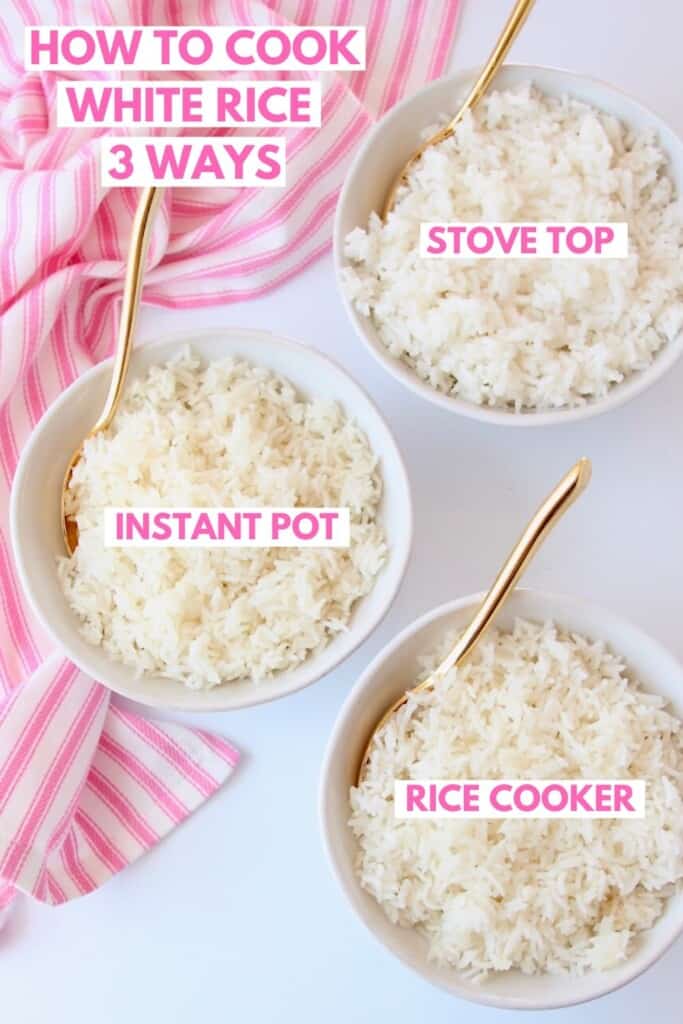
Credit: bowlsarethenewplates.com
Convenience And Usability
Choosing between a rice cooker and stove top can depend on convenience and usability. These factors affect how easy and practical each method is for daily cooking.
Convenience in cooking saves time and effort. Usability ensures a smooth cooking experience without much hassle. Both are important for busy kitchens.
Ease Of Use
Rice cookers are simple to operate. Add rice and water, press a button, and wait. No need to watch or stir the pot.
Stove top cooking requires more attention. You must control heat and check the rice often. It needs experience to get perfect results.
Cleanup And Maintenance
Rice cookers usually have non-stick pots. Cleaning is quick and easy with just a wipe or rinse. Most parts are dishwasher safe.
Cleaning a pot from the stove top can take longer. Rice may stick and need scrubbing. Extra effort is needed to keep it clean.
Portability And Storage
Rice cookers are electric and need a power source. They are bulkier and take more space in the kitchen.
Stove top pots are lightweight and easy to store. You can use them anywhere there is a stove or burner.
Versatility In Cooking
Versatility in cooking is a key factor when choosing between a rice cooker and stove top. Rice cookers offer more than just cooking plain white rice. They can handle various kinds of rice and other foods. This makes them a handy tool in the kitchen. They adapt well to different recipes, saving time and effort.
Cooking Different Types Of Rice
Rice cookers can easily cook many types of rice. White, brown, jasmine, basmati, and even sushi rice. Each type needs different water and cooking time. Rice cookers adjust automatically to these needs. This ensures perfect texture and taste every time. On the stove top, you must watch closely and adjust heat yourself.
Beyond Rice: Other Dishes
Rice cookers also cook more than just rice. They can steam vegetables, cook soups, and make porridge. Some models even bake cakes or cook beans. This versatility is hard to match on a stove top. You can prepare full meals with just one appliance. This saves space and reduces clean-up time.
Adaptability To Various Recipes
Rice cookers adapt well to many recipes. You can add spices, herbs, or ingredients directly into the cooker. It cooks evenly without burning or sticking. This helps in making dishes like pilaf or risotto. On the stove top, constant stirring and attention is necessary. Rice cookers give more freedom to multitask in the kitchen.

Credit: www.youtube.com
Energy Consumption And Cost
Energy use and cost are key factors when choosing between a rice cooker and stove top. Both methods cook rice well but differ in power needs and expenses. Knowing these differences helps save money and energy over time. It also affects the environment.
Power Usage Comparison
A rice cooker uses electricity, often between 300 to 700 watts. It cooks rice steadily and stops automatically. Stove top cooking uses gas or electric heat, which can be higher in power. Gas stoves use about 7,000 to 12,000 BTUs per hour. Electric burners can use 1,200 to 3,000 watts. Rice cookers are more energy efficient because they cook with controlled heat.
Long-term Cost Implications
Rice cookers may cost more upfront but save money on energy bills. They use less power and avoid wasting heat. Stove top cooking might cost less initially but can use more fuel. Frequent cooking increases stove top energy use. Over time, rice cookers reduce electricity costs. Maintenance costs are low for both methods.
Environmental Impact
Rice cookers produce less carbon dioxide due to efficient energy use. Gas stoves release more greenhouse gases from burning fuel. Electric stoves’ impact depends on electricity sources. Using a rice cooker helps reduce your carbon footprint. Choosing energy-efficient appliances supports a cleaner environment. Small changes in cooking habits can make a big difference.
Health And Safety Factors
Health and safety are important when choosing between a rice cooker and stove top. Both methods affect nutrition and risk in different ways. Understanding these factors helps in making a safer choice for cooking rice.
Nutritional Differences
Rice cookers use a steady heat that cooks rice evenly. This helps keep more nutrients inside the rice. Stove top cooking can cause some nutrients to wash away with excess water. Using the right amount of water on the stove can reduce nutrient loss. Rice cooked in a rice cooker often stays moist and fluffy without extra oil or butter. This keeps the dish healthier.
Safety Features
Rice cookers have built-in safety features like automatic shut-off. This stops cooking once the rice is done. It prevents overcooking and burning. Many models also have heat-resistant handles and lids. Stove top cooking needs close attention to avoid boiling over or burning. Pots can get very hot and cause burns. Rice cookers reduce these risks by controlling the heat and timing.
Potential Risks
Stove top cooking carries risks like spills and burns. Water can boil over and cause slippery floors. Leaving the stove unattended may start fires. Rice cookers can also have risks if used incorrectly. Using damaged cords or overfilling the cooker can cause problems. Following instructions is key for safe use. Both methods need care but rice cookers add extra safety controls.

Credit: www.youtube.com
User Preferences And Lifestyle
User preferences and lifestyle play a big role in choosing between a rice cooker and stove top. Each option fits different daily habits and cooking needs. Understanding these can help decide which tool suits your kitchen and life better.
Who Benefits Most From A Rice Cooker
People with busy schedules find rice cookers very helpful. They save time and need little attention during cooking. Those who cook rice often enjoy the consistent results a rice cooker offers. Beginners also benefit because the process is simple and mostly automatic.
Ideal Users For Stove Top Cooking
Stove top cooking suits those who like more control over their food. It works well for cooks who enjoy adjusting heat and texture during cooking. People with larger kitchens and more time prefer this method. It also fits those who cook many types of dishes beyond rice.
Considering Kitchen Space
Rice cookers are compact and easy to store. They fit well in small kitchens or limited counter spaces. Stove tops need more room and sometimes extra pots. Space limits can influence which method is better. Think about your kitchen size before choosing.
Frequently Asked Questions
Is A Rice Cooker Faster Than Stove Top Cooking?
A rice cooker generally cooks rice faster due to automated heat control. Stove top times vary with heat and pot type. Rice cookers also keep rice warm without drying it out. This convenience speeds up meal prep and reduces monitoring time.
Does A Rice Cooker Save Energy Compared To Stove Top?
Rice cookers use less energy as they cook rice efficiently and insulate heat well. Stove top cooking can waste heat and energy, especially on gas ranges. Energy savings depend on rice cooker model and cooking habits, but overall, rice cookers are more energy-friendly.
Can A Rice Cooker Make Better Quality Rice Than Stove Top?
Rice cookers produce consistent, evenly cooked rice with minimal effort. They regulate temperature and cooking time precisely, enhancing texture and flavor. Stove top rice quality can vary due to manual heat adjustments and timing errors, making rice cookers more reliable for perfect results.
Is Cleaning A Rice Cooker Easier Than Cleaning Stove Top Pots?
Rice cookers often have non-stick, removable inner pots that are simple to clean. Stove top pots may require scrubbing and soaking due to rice sticking. Rice cooker parts are usually dishwasher safe, adding convenience and saving cleaning time.
Conclusion
Choosing between a rice cooker and stove top depends on your needs. Rice cookers save time and work well for busy days. Stove tops give you more control and can cook different dishes. Both methods can make tasty rice. Think about your kitchen space and cooking habits.
Try both to see what fits you best. Simple tools can make cooking easy and fun. Rice cooking is not hard with the right choice.

Hello, This is Annie Walker, a 38-year-old blogger, founder, and editor of Cookware Guider from NY, USA. I am a cookware fanatic and passionate cooker. I love to cook with different types of cooking appliances (example: all types of cookware, rice cookers, slow cookers, etc) almost every day in my kitchen. I love to share my experience with my readers in my blog. Also, I enjoy helping people to solve their problems through my website. You can follow me on Twitter & Pinterest. To know details about my blog please check the about us page.