
Are you confused about whether a rice cooker and a pressure cooker are the same thing? You’re not alone.
Many people wonder if these two kitchen appliances do the same job or if one can replace the other. Understanding the difference can save you time, money, and frustration when cooking your meals. You’ll discover how each cooker works, what makes them unique, and which one might be the best fit for your kitchen.
Keep reading—you’ll be surprised by what you learn!
:max_bytes(150000):strip_icc()/sea-tier-3-primary-best-rice-cookers-ahuang-151-372092288b0d4326be8cdb952b9e64c7.jpeg)
Credit: www.seriouseats.com
Rice Cooker Basics
Rice cookers are popular kitchen tools for cooking rice easily and quickly. They simplify cooking by managing heat and time automatically. Many people wonder if rice cookers and pressure cookers are the same. Understanding rice cooker basics helps clear this up.
Rice cookers focus on cooking rice perfectly. They use a simple process to cook rice evenly without much effort. Let’s explore how they work and what features they have.
How Rice Cookers Work
Rice cookers heat water and rice together in a pot. The water boils and cooks the rice by steaming it. A sensor detects when water is gone. Then, the cooker stops heating to avoid burning rice. This process makes rice soft and fluffy.
Most rice cookers use a thermostat to control temperature. It switches off heat once the rice is done. This automatic control makes rice cookers easy and safe to use.
Common Features
Basic rice cookers have a pot, a heating plate, and a lid. The inner pot is usually non-stick for easy cleaning. Many models include a keep-warm function to keep rice hot after cooking.
Some rice cookers offer multiple cooking modes. These include options for white rice, brown rice, or porridge. Timers and delay start functions are common in advanced models. These features add convenience but keep the cooking simple.
Pressure Cooker Essentials
Pressure cookers are popular kitchen tools for fast cooking. They work differently than regular pots or rice cookers. Understanding the basics helps decide if you need one.
They save time and energy by cooking food quickly under high pressure. This section explains how they work and what they are best used for.
Pressure Cooking Mechanism
A pressure cooker traps steam inside a sealed pot. The steam raises the pressure and temperature. This higher heat cooks food much faster than normal methods.
The sealed lid locks in steam and stops it from escaping. As pressure builds, the boiling point of water rises above 212°F (100°C). This cooks food quickly and tenderizes tough ingredients.
Most pressure cookers have safety features to prevent accidents. They release excess pressure automatically. This makes cooking both fast and safe.
Typical Uses
Pressure cookers are great for cooking beans, stews, and tough meats. They can prepare soups, stocks, and even some desserts quickly.
They reduce cooking time by up to 70%. This saves fuel and keeps nutrients in food better than long boiling.
Pressure cooking is also useful for canning and preserving food safely. It works well for dishes that usually take hours on the stove.
Cooking Methods Compared
Rice cookers and pressure cookers serve different cooking needs. Their methods affect how food cooks. Understanding these methods helps choose the right tool for your kitchen.
Both appliances use heat, but they differ in pressure use and cooking speed. These differences impact the texture and taste of your food.
Heat And Pressure Differences
Rice cookers heat food at normal pressure. They use steady, low heat to cook rice evenly. The lid stays closed but does not seal tightly.
Pressure cookers trap steam inside. This raises pressure and temperature above boiling point. Food cooks faster and becomes tender quickly.
The pressure cooker’s sealed lid keeps steam from escaping. This high pressure breaks down tough fibers in food.
Cooking Times
Rice cookers take longer to cook food. Rice usually cooks in 15 to 30 minutes. The process is gentle and slow.
Pressure cookers cook food much faster. They can cook rice or meat in 5 to 15 minutes. This saves time and energy.
Pressure cookers are good for quick meals. Rice cookers work best for simple, steady cooking.
Safety Features
Safety is a key factor when using kitchen appliances like rice cookers and pressure cookers. Both devices have unique safety features to protect users during cooking. Understanding these features helps prevent accidents and ensures safe use.
Pressure Cooker Safety
Pressure cookers use high pressure to cook food fast. This makes safety features very important. Most pressure cookers have a locking lid that stays shut under pressure. This prevents the lid from opening too soon.
They also have pressure release valves to control steam release. This stops the cooker from building too much pressure. Many models include a safety valve as a backup. It releases pressure if the main valve fails.
Modern pressure cookers have sensors to monitor pressure and temperature. These sensors turn off the cooker if unsafe levels are detected. These safety features reduce the risk of explosions and burns.
Rice Cooker Safety
Rice cookers work at lower temperatures and do not build pressure. Their safety features focus on preventing overheating and electrical issues. Most rice cookers have an automatic shut-off function.
This feature turns the cooker off when rice is done or water evaporates. It stops the cooker from burning food or overheating. The inner pot is often non-stick to avoid food sticking and burning.
Many rice cookers have a cool-touch exterior to prevent burns. They also include a lid lock to keep the lid secure during cooking. These features make rice cookers safe and easy to use.
Versatility In The Kitchen
Both rice cookers and pressure cookers bring versatility to the kitchen. They help prepare meals faster and with less effort. Each tool has unique strengths and uses. Knowing what dishes fit each appliance can improve your cooking experience.
Dishes For Rice Cookers
Rice cookers are designed mainly for cooking rice perfectly. White rice, brown rice, and jasmine rice cook evenly. They also steam vegetables and cook grains like quinoa. Some models make soups or porridge. They work well for simple, mostly water-based dishes.
Dishes For Pressure Cookers
Pressure cookers handle a wider range of foods. They cook tough meats quickly and make stews tender. Beans and lentils soften in minutes. You can cook soups, rice, and even desserts. They are ideal for meals needing high heat and pressure.
Energy Efficiency
Energy efficiency matters for saving money and the environment. Both rice cookers and pressure cookers use electricity to cook food. Yet, they differ in how much energy they use and how fast they cook.
How Rice Cookers Use Energy
Rice cookers use steady heat to cook rice evenly. They keep the heat low after cooking to keep rice warm. This uses energy continuously but at a low level. Cooking rice in a rice cooker usually takes more time.
Energy Use In Pressure Cookers
Pressure cookers cook food by trapping steam inside. This raises the temperature and cooks food faster. Because of this, they use energy for a shorter time. Pressure cookers save energy by reducing cooking time significantly.
Which One Is More Energy Efficient?
Pressure cookers generally save more energy than rice cookers. They finish cooking quickly and use less electricity overall. Rice cookers use more energy due to longer cooking and warming time. Choosing depends on what food you cook and how fast you want it.
Cost And Maintenance
Cost and maintenance are key factors when choosing between a rice cooker and a pressure cooker. These appliances differ in price and care needs. Understanding these differences helps in making the right choice for your kitchen.
Price Differences
Rice cookers generally cost less than pressure cookers. Basic rice cookers are affordable and fit most budgets. Pressure cookers, especially electric ones, tend to be pricier. This is due to their complex design and safety features. The price depends on brand, size, and functions. Simple models are cheaper, while advanced ones cost more. Think about your needs before buying.
Cleaning And Care
Rice cookers are easy to clean. Most parts, like the inner pot, can be washed with soap and water. They usually have non-stick surfaces that prevent food from sticking. Pressure cookers need more care. Their sealing rings and valves must be cleaned carefully. These parts ensure safety and proper pressure. Neglecting them can cause problems. Regular cleaning extends the life of both appliances. Follow the user manual for best results.
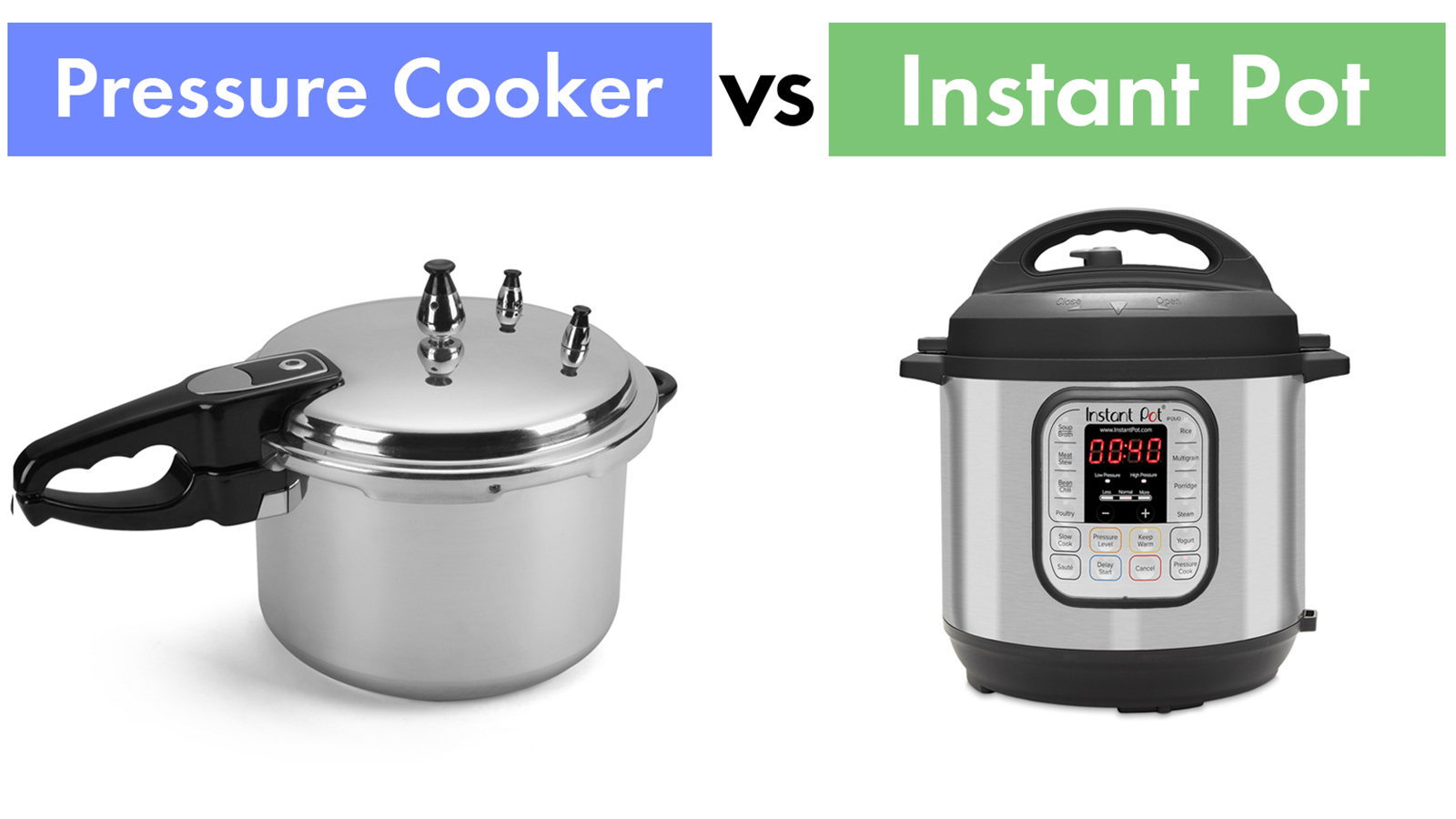
Credit: home.howstuffworks.com
Choosing The Right Appliance
Choosing the right appliance for your kitchen depends on your daily needs. Both rice cookers and pressure cookers serve different purposes. Understanding your lifestyle and kitchen space helps in making the best choice. This section guides you through key factors to consider before buying.
Lifestyle Considerations
Think about your cooking habits. Rice cookers are perfect for people who eat rice often. They cook rice evenly without much effort. Pressure cookers suit those who want to prepare meals quickly. They cook food fast by using high pressure. If you like varied dishes, a pressure cooker offers more options. Rice cookers focus mainly on rice and simple grains. Consider how much time you spend cooking daily. Also, check if you need an appliance that can multitask.
Space And Budget
Kitchen space plays a big role in your choice. Rice cookers usually take less room. Pressure cookers can be bulkier due to extra parts. Measure your counter space before purchasing. Budget is another important factor. Rice cookers are often less expensive than pressure cookers. Think about the cost versus how often you will use the appliance. A higher price might be worth it if you cook many meals fast. Choose an appliance that fits your budget and space comfortably.

Credit: www.milton.in
Frequently Asked Questions
What Is The Main Difference Between Rice Cooker And Pressure Cooker?
A rice cooker is designed specifically for cooking rice perfectly. A pressure cooker uses steam pressure to cook various foods faster, including rice, meat, and vegetables.
Can A Rice Cooker Be Used As A Pressure Cooker?
No, a rice cooker cannot be used as a pressure cooker. It lacks the sealing and pressure mechanisms needed for pressure cooking.
Do Pressure Cookers Cook Rice Faster Than Rice Cookers?
Yes, pressure cookers cook rice faster by using high steam pressure, reducing cooking time significantly compared to rice cookers.
Are Rice Cookers Safer Than Pressure Cookers?
Rice cookers are generally safer as they operate at low pressure. Pressure cookers require careful handling due to high-pressure steam.
Conclusion
A rice cooker and a pressure cooker serve different purposes. Rice cookers make perfect rice with ease. Pressure cookers cook food faster using steam pressure. Each tool fits different cooking needs. Choose based on what you want to cook. Both can save time in the kitchen.
Understanding their differences helps you use them right. This way, you get the best results every time. Simple tools, smart choices.

Hello, This is Annie Walker, a 38-year-old blogger, founder, and editor of Cookware Guider from NY, USA. I am a cookware fanatic and passionate cooker. I love to cook with different types of cooking appliances (example: all types of cookware, rice cookers, slow cookers, etc) almost every day in my kitchen. I love to share my experience with my readers in my blog. Also, I enjoy helping people to solve their problems through my website. You can follow me on Twitter & Pinterest. To know details about my blog please check the about us page.