
Are you wondering if cooking brown rice is the same as white rice? You’re not alone.
Many people treat them the same way, but the truth is, there are important differences that can affect your meal’s taste and texture. Understanding these differences can help you cook rice perfectly every time and make your dishes more enjoyable.
Keep reading to discover simple tips that will change how you cook rice forever. Your kitchen skills are about to get a big boost!
:max_bytes(150000):strip_icc()/__opt__aboutcom__coeus__resources__content_migration__simply_recipes__uploads__2019__08__HT-Stovetop-Brown-Rice-LEAD-2-805ee4ce64084a4c8414ce740569eeb5.jpg)
Credit: www.simplyrecipes.com
Cooking Time Differences
Cooking brown rice and white rice requires different times. This difference affects your meal planning. Knowing why helps you cook rice perfectly every time. Understanding these time differences saves you from overcooked or undercooked rice.
Why Brown Rice Takes Longer
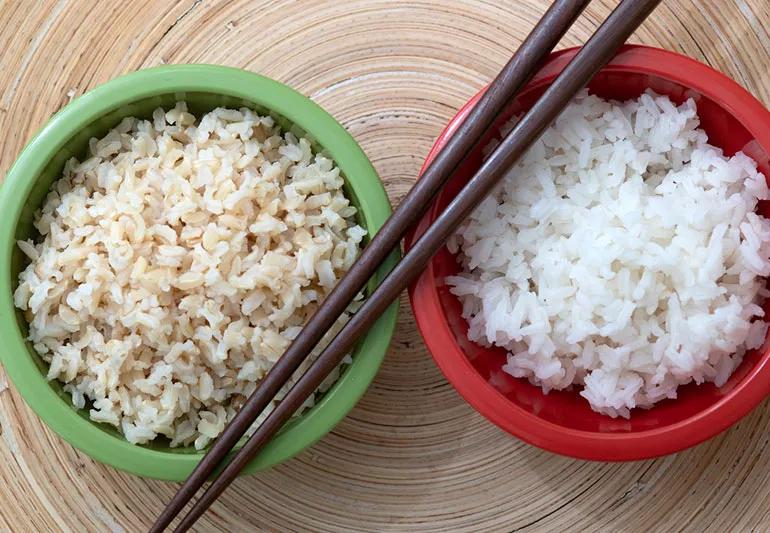
Brown rice has its bran layer intact. This layer is tough and fibrous. It slows down water absorption during cooking. The outer layer keeps the grain harder than white rice. Because of this, brown rice needs more time to soften fully. Usually, brown rice takes 40 to 50 minutes to cook. This is longer than white rice.
Adjusting Cooking Time For White Rice
White rice has the bran and germ removed. This makes it softer and quicker to cook. White rice generally cooks in 15 to 20 minutes. Cooking white rice too long makes it mushy. Watch the time closely to get fluffy grains. Using less water than brown rice also helps. Adjusting cooking time ensures perfect texture and taste.
Credit: health.clevelandclinic.org
Water Ratios For Each Rice
Water ratio is key to cooking rice perfectly. Brown rice and white rice need different amounts of water. This affects texture and cooking time. Using the right water amount makes rice soft and fluffy, not mushy or hard.
Water Needed For Brown Rice
Brown rice requires more water than white rice. It needs about 2 to 2.5 cups of water for every 1 cup of rice. This is because brown rice has the outer bran layer. The bran layer takes longer to cook and absorbs more water. Use enough water to make brown rice tender and chewy.
Water Needed For White Rice
White rice needs less water. Usually, 1.5 to 2 cups of water works for 1 cup of white rice. White rice cooks faster because it has no bran layer. Using too much water can make white rice sticky. Use the right amount to get soft, separate grains.
Texture And Flavor Variations
Texture and flavor are key differences between brown rice and white rice. They affect how each rice type feels and tastes on your plate. Understanding these differences helps you choose the right rice for your meals.
Chewy Texture Of Brown Rice
Brown rice has a firmer, chewier texture than white rice. The bran layer stays on, giving it more bite. This makes brown rice feel hearty and satisfying when eaten. It holds its shape well in dishes like salads and stir-fries.
Softness Of White Rice
White rice cooks up soft and fluffy. It lacks the bran, so it absorbs more water and cooks faster. The grains separate easily, creating a light texture. This softness works well in dishes like sushi and pilaf.
Flavor Profiles Compared
Brown rice tastes nutty and slightly earthy. Its flavor is more complex due to the bran. White rice has a mild, neutral taste. It blends smoothly with sauces and spices. These flavor differences shape how each rice complements a meal.

Credit: www.youtube.com
Nutritional Differences
The nutritional differences between brown rice and white rice are important. Brown rice keeps more of its natural nutrients. White rice loses some nutrients during processing. These differences affect health and energy levels.
Fiber Content In Brown Rice
Brown rice has more fiber than white rice. The outer layer, called bran, stays in brown rice. This layer holds fiber, which helps digestion. Fiber also keeps you full longer. White rice loses this layer, so it has less fiber.
Nutrient Loss In White Rice
White rice is polished to remove the bran and germ. This process removes many vitamins and minerals. Important nutrients like magnesium, phosphorus, and B vitamins decrease. Brown rice keeps these nutrients because it is less processed. Choosing brown rice means getting more natural nutrition.
Preparation Tips For Best Results
Preparing rice properly makes a big difference in taste and texture. Brown rice and white rice need different methods for the best results. These tips help you cook both types perfectly every time. Simple steps can improve your cooking and make rice more enjoyable.
Soaking Brown Rice
Soaking brown rice softens the grains and cuts cooking time. Use cool water and soak for 30 minutes to 1 hour. This step helps brown rice cook evenly. It also makes the rice fluffier and easier to digest. Drain the water before cooking.
Rinsing White Rice
Rinse white rice under cold running water. This removes excess starch and prevents stickiness. Rinse until the water runs clear. Rinsing improves the texture and keeps grains separate. It also cleans the rice, making it healthier to eat.
Using Rice Cookers Effectively
Rice cookers make cooking rice easier and consistent. Use the correct water-to-rice ratio for each type. Brown rice usually needs more water than white rice. Let the rice rest in the cooker for 10 minutes after cooking. This step helps the rice finish steaming and improves texture.
Frequently Asked Questions
Is Cooking Time Different For Brown And White Rice?
Yes, brown rice takes longer to cook than white rice. Brown rice needs about 40-45 minutes, while white rice cooks in 15-20 minutes due to its bran layer.
Does Brown Rice Require More Water Than White Rice?
Brown rice usually needs more water because of its outer bran layer. Typically, use 2 to 2. 5 cups of water per cup of brown rice, compared to 1. 5 to 2 cups for white rice.
Can I Use The Same Cooking Method For Both Rices?
You can use similar cooking methods, but adjust water and time. Brown rice requires longer cooking and more water. White rice cooks faster with less water.
Is The Texture Different After Cooking Brown Vs. White Rice?
Yes, brown rice has a chewier, nuttier texture due to its bran. White rice is softer and fluffier as it lacks the bran layer.
Conclusion
Cooking brown rice is not the same as cooking white rice. Brown rice takes longer to cook and needs more water. It keeps its outer layer, making it chewier and healthier. White rice cooks faster and feels softer. Knowing these differences helps you cook rice the right way.
Try both to find what you like best. Simple changes can improve your meals and nutrition. Cook with care, and enjoy your rice every time.

Hello, This is Annie Walker, a 38-year-old blogger, founder, and editor of Cookware Guider from NY, USA. I am a cookware fanatic and passionate cooker. I love to cook with different types of cooking appliances (example: all types of cookware, rice cookers, slow cookers, etc) almost every day in my kitchen. I love to share my experience with my readers in my blog. Also, I enjoy helping people to solve their problems through my website. You can follow me on Twitter & Pinterest. To know details about my blog please check the about us page.