
Are you wondering if your trusty cast iron cookware will work on your new induction cooktop? You’re not alone.
Many people love cast iron for its durability and heat retention but worry if it’s compatible with the sleek, modern induction technology. Understanding this can save you time, money, and frustration in the kitchen. Keep reading to find out how cast iron and induction cooktops interact—and why this might change the way you cook forever.
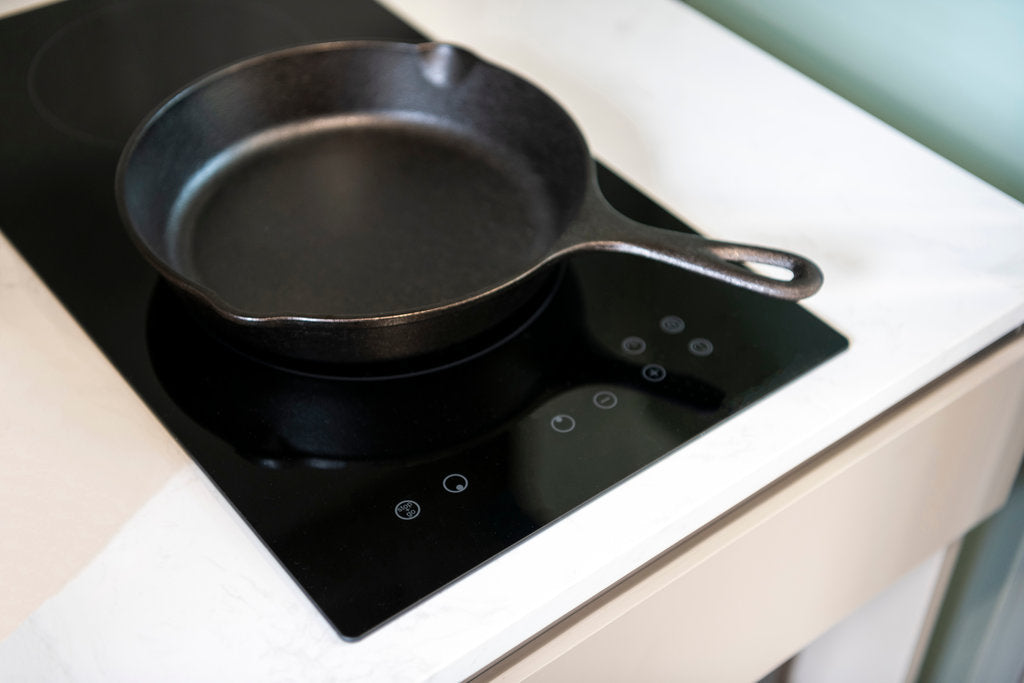
Credit: unocasa.com
How Induction Cooktops Work
Induction cooktops use a unique way to heat cookware. They do not use flames or electric heating elements. Instead, they create heat directly in the pot or pan.
This method makes cooking faster and more energy-efficient. The cooktop surface stays cooler because heat forms inside the cookware. This also makes cleaning easier.
Electromagnetic Fields Create Heat
Under the cooktop surface, coils create an electromagnetic field. This field changes rapidly to produce energy. When a metal pan is placed on the cooktop, it reacts to this field.
The metal inside the pan heats up fast. The heat then cooks the food. The cooktop itself stays mostly cool.
Cookware Must Be Magnetic
Not all pots and pans work on induction cooktops. Cookware must contain iron or another magnetic metal. This metal allows the electromagnetic field to create heat.
Cookware made from aluminum, glass, or copper usually does not work. They do not respond to the magnetic field well. Cast iron is magnetic and heats well on induction cooktops.
Safety And Efficiency Benefits
Induction cooktops turn off quickly when the pan is removed. This feature makes them safer than gas or electric stoves. They also use less energy because heat goes directly to the food.
Less heat escapes into the air. This keeps kitchens cooler and reduces energy waste.

Credit: stahlkitchens.com
Properties Of Cast Iron
Cast iron has strong magnetic properties, making it work well with induction cooktops. Its thick and heavy build holds heat evenly. This helps cook food steadily without hot spots.
Durability And Strength
Cast iron is very strong and lasts for many years. It resists scratches and dents better than many other materials. This makes it ideal for heavy use in the kitchen.
Heat Retention And Distribution
Cast iron holds heat well and spreads it evenly across the surface. This ensures food cooks uniformly, reducing hot spots. It stays hot for a long time after heating.
Magnetic Properties
Cast iron is magnetic, which is important for induction cooktops. Induction stoves use magnets to heat cookware directly. Cast iron’s magnetism makes it compatible with these cooktops.
Weight And Handling
Cast iron is heavy compared to other cookware. This weight helps it stay stable on induction cooktops. It also means extra care is needed when handling and cleaning.
Surface Texture And Seasoning
Cast iron has a rough texture that can hold seasoning. Seasoning creates a natural non-stick layer on the pan. This improves cooking and protects the pan from rust.
Cast Iron And Induction Compatibility
Cast iron cookware often raises questions about its use with induction cooktops. Understanding their compatibility helps you cook better. Cast iron has unique qualities that affect how it works on induction surfaces.
Induction cooktops use magnetic fields to heat pots and pans. Cast iron is naturally magnetic, which makes it a good match for induction cooking. Let’s explore how cast iron and induction cooktops work together.
Magnetic Properties Of Cast Iron
Cast iron contains iron, which is magnetic. This magnetic property allows induction cooktops to detect the pan and heat it quickly. Without a magnetic base, the induction cooktop won’t work.
Because cast iron is strongly magnetic, it heats efficiently on induction surfaces. This feature makes cast iron one of the best materials for induction cooking.
Heat Distribution On Induction
Cast iron heats evenly and holds heat for a long time. Induction cooktops heat the pan directly, so cast iron warms up fast. The thick material spreads heat across the cooking surface.
This even heat helps prevent hot spots. It is perfect for slow cooking or frying. The heat stays steady, making cooking more predictable and easier.
Flat Vs. Warped Cast Iron Pans
Flat cast iron pans work best on induction cooktops. The flat surface makes full contact with the cooking zone. This contact helps the magnetic field heat the pan properly.
Warped pans cause uneven contact. This can reduce heating efficiency and cause uneven cooking. In some cases, the cooktop may not detect the pan at all.
Check your cast iron for flatness before using it on induction. A flat base ensures the best cooking results and protects your cooktop.
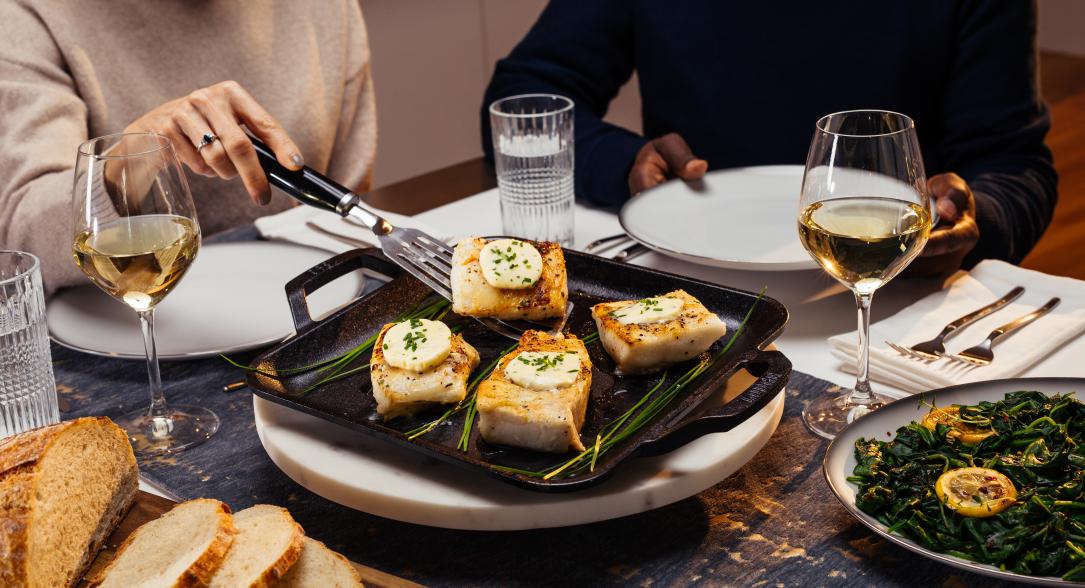
Credit: www.lodgecastiron.com
Benefits Of Using Cast Iron On Induction
Using cast iron on an induction cooktop offers many benefits. Cast iron works well with induction technology. It heats up quickly and holds heat for a long time. This makes cooking more even and efficient. Cast iron also lasts for many years with proper care. It is a versatile tool that fits many cooking styles.
Here are some key benefits of using cast iron on induction cooktops.
Energy Efficiency
Cast iron heats up fast on induction cooktops. It transfers heat directly to the food. This reduces cooking time and energy use. Less heat escapes during cooking. This makes your kitchen cooler. Using cast iron can lower your electricity bills.
Durability And Longevity
Cast iron is strong and tough. It can last for decades without damage. Induction cooktops do not harm cast iron. The heavy material resists scratches and dents. You can use cast iron every day. It stays in good shape over time.
Versatility In Cooking
Cast iron is good for many dishes. It works well for frying, baking, and slow cooking. The even heat helps cook food perfectly. You can use it on the stove or in the oven. Cast iron can handle high and low heat easily.
Potential Drawbacks
Cast iron works well on induction cooktops but has some drawbacks. These issues might affect your cooking experience. Understanding them helps you decide if cast iron suits your kitchen.
Weight And Handling
Cast iron is heavy. Lifting and moving pans can be hard, especially when hot. This weight may cause accidents or spills. It needs careful handling to avoid injuries.
Surface Scratching Risks
Cast iron pans have rough bottoms. They can scratch induction cooktop surfaces. These scratches can damage the cooktop over time. Using a protective pad helps reduce this risk.
Heating Time Considerations
Cast iron heats slowly at first. It takes time to reach the right temperature. But it keeps heat well once hot. This means cooking times might be longer initially.
Tips For Using Cast Iron On Induction
Using cast iron on an induction cooktop works well, but it needs care. Cast iron heats evenly and keeps heat long. It fits induction because it has magnetic properties. Follow simple tips to protect your pan and cooktop. This helps your cooking last longer and stay safe.
Seasoning And Maintenance
Season your cast iron regularly. Use oil and heat to create a non-stick surface. This stops rust and keeps food from sticking. Clean your pan after each use. Dry it well to avoid moisture. Apply a thin oil layer to protect the pan. Store in a dry place to keep it ready.
Avoiding Cooktop Damage
Cast iron is heavy and rough. Lift the pan instead of sliding it on the cooktop. Sliding can scratch and damage the surface. Use smooth bottoms or place a protective pad under the pan. Avoid overheating the cooktop to prevent cracks. Handle your cookware gently to protect both tools.
Cleaning Best Practices
Clean cast iron with warm water and a soft brush. Avoid soap as it can strip the seasoning. For stuck food, use coarse salt as a scrub. Dry the pan immediately after washing. Never soak cast iron in water. Regular cleaning keeps your pan safe and ready to cook.
Alternative Cookware Options For Induction
Induction cooktops need cookware that works with magnetic fields. Cast iron fits well, but many other options exist. These alternatives offer good heat distribution and easy care.
Choosing the right cookware improves cooking results and saves energy. Some materials suit induction better than others. Here are a few common alternatives to cast iron.
Stainless Steel
Stainless steel is popular for induction cooking. It has a magnetic base that heats quickly. This material is light and resists rust. It also cleans easily after use. High-quality stainless steel pans often have layered bottoms for even heat.
Enameled Cast Iron
Enameled cast iron has a smooth coating on the surface. It works well with induction cooktops. The enamel prevents rust and makes cleaning simple. This cookware keeps heat steady and cooks food evenly. It is heavier than stainless steel but easier to maintain than bare cast iron.
Other Magnetic Materials
Some other materials also work on induction stoves. Carbon steel is one example. It heats fast and is lighter than cast iron. Some pans have a magnetic stainless steel base to fit induction. Always check the product label to confirm induction compatibility.
Frequently Asked Questions
Is Cast Iron Cookware Suitable For Induction Cooktops?
Yes, cast iron is highly compatible with induction cooktops. Its magnetic properties allow efficient heat transfer and quick cooking. Cast iron works perfectly on induction surfaces, making it a popular choice for many chefs and home cooks.
Can Cast Iron Damage An Induction Cooktop?
No, cast iron does not damage induction cooktops. However, its heavy weight requires careful handling to prevent scratches. Using a protective layer or lifting instead of sliding helps maintain the cooktop’s surface in good condition.
How To Use Cast Iron On Induction Cooktops Safely?
Place the cast iron cookware gently on the induction cooktop. Avoid sliding it to prevent scratches. Always ensure the cookware base is flat for even heating and better contact with the cooktop surface.
Does Cast Iron Heat Evenly On Induction Stoves?
Yes, cast iron heats evenly on induction cooktops. Its excellent heat retention distributes warmth uniformly, preventing hot spots. This makes it ideal for slow cooking and frying on induction surfaces.
Conclusion
Cast iron works well with induction cooktops. It heats evenly and holds heat long. This type of cookware suits induction’s magnetic surface. Just ensure your cast iron is flat-bottomed for best contact. Avoid rough dragging to protect the cooktop. Cast iron offers durability and great cooking results.
It can be a smart choice for induction users. Simple care keeps both your pan and cooktop safe. So, cast iron and induction cooktops make a good pair.

Hello, This is Annie Walker, a 38-year-old blogger, founder, and editor of Cookware Guider from NY, USA. I am a cookware fanatic and passionate cooker. I love to cook with different types of cooking appliances (example: all types of cookware, rice cookers, slow cookers, etc) almost every day in my kitchen. I love to share my experience with my readers in my blog. Also, I enjoy helping people to solve their problems through my website. You can follow me on Twitter & Pinterest. To know details about my blog please check the about us page.