
Have you ever wondered if an induction cooktop gets hot to touch while cooking? If you’re considering switching to induction or already have one, you might be curious about its safety.
Knowing whether the surface heats up can help you avoid burns and use your cooktop more confidently. You’ll discover the truth about how hot an induction cooktop really gets and what that means for your kitchen safety. Keep reading to learn important facts that could change the way you cook.

Credit: electrafixab.ca
How Induction Cooktops Work
Induction cooktops use a unique method to heat food. Unlike gas or electric stoves, induction uses magnetic energy. This makes cooking faster and safer.
Magnetic Heating Process
Induction cooktops have a coil under the surface. When you turn it on, electricity flows through the coil. This creates a magnetic field. The magnetic field heats the pot or pan directly. The cooktop surface stays cool. Only the cookware gets hot. This helps prevent burns and saves energy.
Difference From Traditional Cooktops
Traditional cooktops heat by using flames or electric coils. These heat the cooktop surface first. Then, heat moves to the cookware. The surface gets very hot and stays hot after cooking. Induction cooktops skip this step. They heat cookware directly. This means the cooktop surface stays mostly cool. It also cooks food faster and uses less energy.
Surface Temperature During Cooking
The surface temperature of an induction cooktop during cooking is different from traditional stoves. It stays cooler because it heats the cookware directly, not the cooktop surface. This feature makes induction cooktops safer to touch while cooking. Understanding how heat transfers and the residual heat on the surface helps explain this better.
Heat Transfer To Cookware
Induction cooktops use magnetic fields to heat metal pots and pans. The cooktop itself does not get hot directly. Instead, the cookware heats up quickly and cooks the food. Since the heat goes straight to the pot, the surface around it stays cooler. This method saves energy and reduces burns risk.
Residual Heat On The Surface
Even though the cooktop does not heat up on its own, the surface can get warm. This happens because heat from the hot cookware transfers back to the glass top. The warmth is usually mild and cools down fast after cooking stops. It is safer than gas or electric stoves, which stay hot longer.
Safety Features Of Induction Cooktops
Induction cooktops are designed with safety in mind. They use advanced technology to reduce risks in the kitchen. The surface of the cooktop stays cooler than traditional stoves. This helps prevent burns and accidents. Several safety features work together to keep users safe during cooking.
Automatic Shutoff
Induction cooktops have an automatic shutoff feature. It turns off the cooktop if no pot is detected. This prevents the surface from heating unnecessarily. The cooktop also shuts off after long periods of inactivity. This feature reduces the chance of fire or overheating. It makes induction cooking safer for busy households.
Child Lock Functions
Child lock functions keep children safe around the cooktop. This feature locks the control panel to stop accidental changes. Kids cannot turn on the cooktop by mistake. The lock stays active until the user unlocks it. This simple safety tool helps avoid burns and injuries. It gives parents peace of mind while cooking.
Common Misconceptions About Heat
Many people misunderstand how heat works on induction cooktops. They often think the surface gets very hot like traditional stoves. This is not always true. Understanding the real heat behavior helps use induction safely and effectively.
Touching The Cooktop While In Use
The induction cooktop itself does not get very hot. The heat is created inside the pan, not on the cooktop surface. When you touch the cooktop during cooking, it may feel warm but not burning hot. The warmth comes from the pan’s heat transferring to the surface. This means the cooktop cools down faster after cooking ends.
Burn Risks Compared To Gas And Electric
Burn risks on induction cooktops are lower than gas or electric stoves. Gas flames can cause direct burns. Electric coils stay hot long after use. Induction cooktops cool quickly because only the pan heats up. Still, caution is needed around hot pans and spills. Understanding these differences helps prevent accidents in the kitchen.
Tips For Safe Use
Using an induction cooktop is safe when you follow simple steps. Knowing how to use it properly helps avoid accidents. Safety starts with understanding the cooktop’s unique features. Always keep safety in mind during cooking.
Proper Cookware Selection
Choose cookware made for induction cooktops. Look for pots and pans with magnetic bottoms. Stainless steel or cast iron works best. Avoid glass, copper, or aluminum without a magnetic base. Proper cookware heats food evenly and keeps the surface cooler. This reduces the risk of burns.
Cleaning And Maintenance Safety
Always clean the cooktop after it cools down. Use a soft cloth and mild cleaner. Avoid abrasive pads or harsh chemicals. Check for cracks or damage regularly. Damaged cooktops can cause electric shocks or fires. Proper care keeps your cooktop safe and working well.

Credit: www.amazon.com
Comparing Heat Levels Across Cooktops
Different cooktops produce heat in different ways. Knowing how hot each cooktop gets helps keep your kitchen safe. It also helps you cook better meals.
Some cooktops get very hot on the surface. Others stay cooler even when cooking at high temperatures. Understanding these differences matters for daily use and safety.
Induction Vs Gas
Gas cooktops produce a visible flame. The flame heats the pot and the cooktop surface around it. The surface can get very hot to the touch.
Induction cooktops use magnetic fields to heat pots directly. The cooktop surface stays cooler. It only gets warm from the pot’s heat.
This makes induction safer to touch during and after cooking. Gas cooktops can stay hot longer and cause burns.
Induction Vs Electric
Electric cooktops use heating elements under a glass surface. The surface heats up to transfer heat to the pot. It can become very hot to the touch.
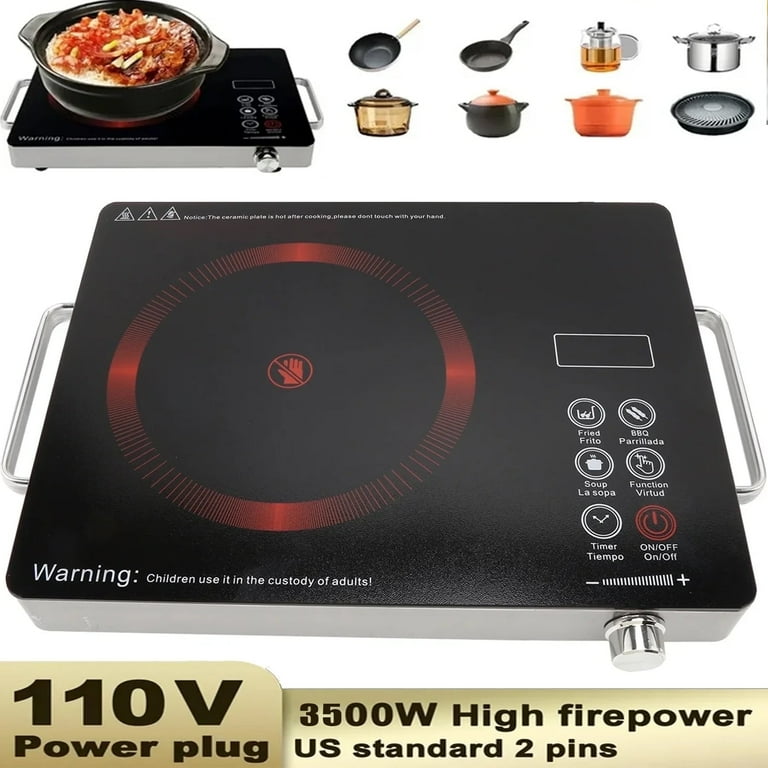
Induction cooktops heat pots without heating the surface much. The surface stays cooler than electric cooktops. It cools faster after cooking.
Electric cooktops can hold heat longer and cause accidental burns. Induction cooktops reduce this risk with cooler surfaces.
Credit: www.walmart.com
Frequently Asked Questions
Is An Induction Cooktop Surface Hot After Cooking?
The induction cooktop surface stays cooler than traditional stoves. It heats the cookware, not the cooktop itself. However, residual heat from the pan can make the surface warm briefly after cooking.
How Does An Induction Cooktop Stay Safe To Touch?
Induction cooktops use electromagnetic fields to heat pots directly. The glass surface remains mostly cool, reducing burn risks. Safety sensors also prevent heating without proper cookware.
Can You Touch An Induction Cooktop While Cooking?
Avoid touching the cooktop directly during cooking. The surface near the pan may get warm from transferred heat. But overall, it is much safer than gas or electric stoves.
Why Does My Induction Cooktop Feel Warm Sometimes?
Warmth on the cooktop usually comes from heat transferred by the pan. The induction process itself doesn’t heat the surface much. This residual heat fades quickly after cooking ends.
Conclusion
Induction cooktops stay cool where you touch. Only the pan gets hot during cooking. This makes them safer than traditional stoves. Still, the cooktop may feel warm from the pan’s heat. Always use caution around any cooking surface. Cleaning is easier since spills do not burn on cool glass.
Choosing induction means quick heating and less heat in your kitchen. Understanding how it works helps you stay safe and cook better. Induction cooktops offer both convenience and safety for your kitchen.

Hello, This is Annie Walker, a 38-year-old blogger, founder, and editor of Cookware Guider from NY, USA. I am a cookware fanatic and passionate cooker. I love to cook with different types of cooking appliances (example: all types of cookware, rice cookers, slow cookers, etc) almost every day in my kitchen. I love to share my experience with my readers in my blog. Also, I enjoy helping people to solve their problems through my website. You can follow me on Twitter & Pinterest. To know details about my blog please check the about us page.