
Are you wondering if your trusty cast iron cookware works well with your induction cooktop? You’re not alone.
Many people ask this because induction cooking is different from traditional methods. If you want to know whether cast iron is a good match for your induction stove, this article is for you. Keep reading to discover the surprising benefits and a few things you should watch out for.
By the end, you’ll feel confident about using cast iron on your induction cooktop—and maybe even excited to try it out!
How Induction Cooktops Work
Induction cooktops use a special way to heat pots and pans. They do not use flames or electric coils. Instead, they create heat directly in the cookware. This method is fast and energy-efficient. It also makes cooking safer because the cooktop stays cooler.
Principles Of Induction Heating
Induction cooktops use magnetic fields to generate heat. Under the glass surface, a coil carries an electric current. This current creates a magnetic field. When a pot with metal touches the cooktop, the magnetic field makes the pot heat up. The pot itself becomes the heat source. The cooktop surface stays mostly cool.
This process is called electromagnetic induction. It heats only the metal in the pan. The heat spreads inside the pot to cook food. This method heats food faster than traditional stoves.
Requirements For Cookware Compatibility
Not all cookware works on induction cooktops. The pot or pan must have a magnetic base. Cast iron and some stainless steel pans work well. Aluminum, copper, or glass pans usually do not work. You can test a pan with a magnet. If the magnet sticks, it will work on induction.
The cookware should also have a flat bottom. This helps the pot touch the cooktop fully. Proper contact allows the magnetic field to work efficiently. Cookware size should match the cooktop zone for best heating.
Credit: unocasa.com
Cast Iron And Induction Compatibility
Cast iron is a popular choice for many cooks due to its durability and heat retention. Many wonder if it works well with induction cooktops. Understanding the compatibility of cast iron with induction surfaces helps to use it safely and effectively. This section explains how cast iron interacts with induction technology.
Magnetic Properties Of Cast Iron
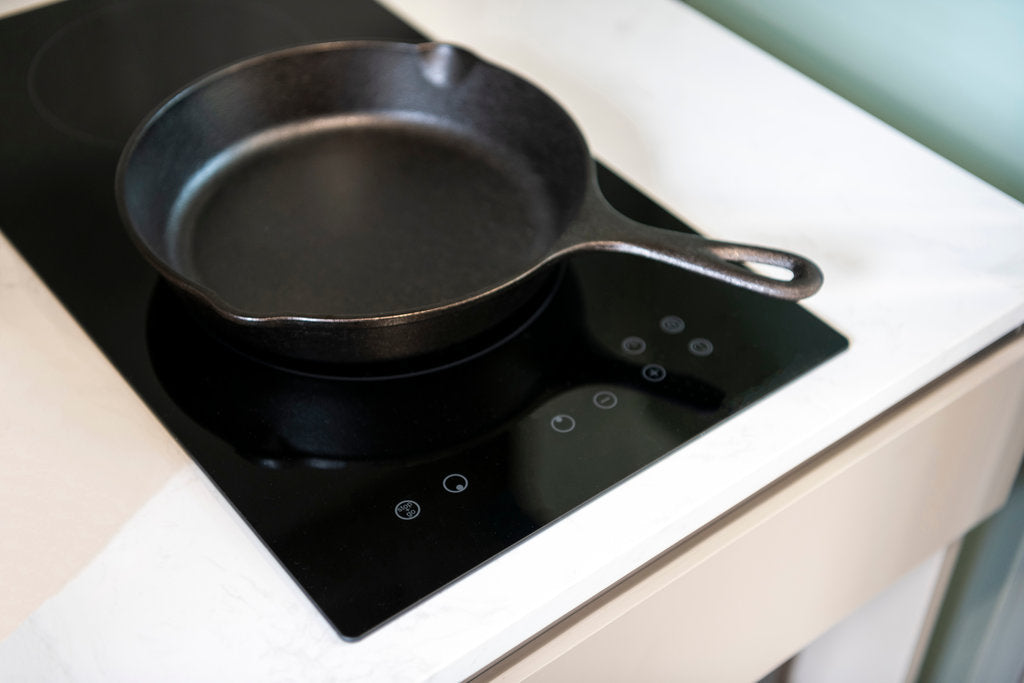
Induction cooktops use magnetic fields to heat pots and pans. Cast iron is magnetic, which makes it compatible with induction cooktops. The magnetic field causes the cast iron to heat up quickly and evenly. This property allows cast iron to work well on induction surfaces without any special adjustments.
Performance On Induction Surfaces
Cast iron heats very evenly on induction cooktops. It holds heat well, making it great for slow cooking and frying. The thick material distributes heat across the cooking surface. This helps prevent hot spots and burns. However, cast iron can be heavy, so handle it carefully on smooth induction glass tops to avoid scratches.
Advantages Of Using Cast Iron On Induction
Cast iron works very well on induction cooktops. It offers several benefits that improve cooking performance and durability. The material’s unique properties match well with induction technology. This makes it a popular choice for many home cooks.
Heat Retention And Distribution
Cast iron holds heat for a long time. This helps food cook evenly without hot spots. The heat spreads slowly across the surface. This steady heat is perfect for simmering and frying. It also saves energy by keeping warmth longer after turning off the heat.
Durability And Longevity
Cast iron is very strong and lasts for many years. It can handle high heat without damage. Scratches and dents are rare with cast iron. Proper care keeps it rust-free and smooth. Many cast iron pans get better with use over time.

Credit: www.theindusvalley.in
Potential Drawbacks To Consider
Cast iron works well on induction cooktops but has some drawbacks. These can affect how easy and safe it is to use. Knowing these downsides helps you decide if cast iron fits your kitchen needs.
Weight And Handling Challenges
Cast iron is very heavy. This weight makes it hard to lift and move around. Pouring food or cleaning the pan can become tough tasks. People with less strength may find it difficult to handle.
The heavy weight can also cause accidents. Dropping a cast iron pan on the cooktop may damage the surface. Extra care is needed when placing and lifting the pan.
Surface Scratching Risks
Cast iron pans often have rough bottoms. These can scratch the smooth glass surface of induction cooktops. Scratches can ruin the look and reduce the lifespan of the cooktop.
Using a cast iron pan without a protective layer risks surface damage. Sliding the pan instead of lifting it can cause deep scratches. Always lift the pan to protect your cooktop.
Tips For Using Cast Iron On Induction Cooktops
Using cast iron on an induction cooktop works well but needs care. Cast iron heats evenly and holds heat long. It can last many years if used right. Following some simple tips helps protect your cookware and cooktop. This keeps cooking safe and efficient.
Preheating Techniques
Start with a low heat setting on the induction cooktop. Let the cast iron warm up slowly. Avoid heating it empty on high heat. This prevents warping and damage. Warm the pan for a few minutes before adding food. This method helps food cook evenly and avoids hot spots.
Cleaning And Maintenance
Clean cast iron after each use with warm water. Use a soft brush or sponge to remove food. Avoid soap or harsh detergents that remove seasoning. Dry the pan immediately to stop rust. Apply a thin layer of oil to keep it smooth and protected.
Protecting Your Cooktop Surface
Lift the cast iron pan instead of sliding it on the cooktop. Sliding can scratch the glass surface. Use a soft cloth or silicone mat under the pan if needed. Check the pan’s bottom for rough edges and smooth them. Keep both your cooktop and cookware in good shape this way.
Credit: www.lodgecastiron.com
Alternatives To Cast Iron For Induction Cooking
Cast iron is popular for induction cooking, but it is not the only choice. Some people want cookware that is lighter or easier to clean. Several good alternatives work well on induction cooktops. These options offer different benefits and styles.
Stainless Steel Options
Stainless steel pans often work on induction cooktops. Look for those labeled “induction compatible.” These pans heat quickly and stay durable. They are lighter than cast iron and easier to maintain. Stainless steel also resists rust and won’t chip or crack.
Enameled Cast Iron
Enameled cast iron has a smooth coating over the metal. This coating stops rust and makes cleaning simpler. It keeps the heat well, like regular cast iron. The enamel adds color and style to the kitchen. These pans work perfectly on induction cooktops.
Other Compatible Materials
Certain other materials also work on induction stoves. Carbon steel is a great choice. It is lighter than cast iron but heats evenly. Some nonstick pans have magnetic bases suitable for induction. Always check the packaging to be sure the pan fits your cooktop.
Frequently Asked Questions
Is Cast Iron Compatible With Induction Cooktops?
Yes, cast iron works well on induction cooktops. Its magnetic properties allow efficient heat transfer and quick cooking.
Can Cast Iron Damage Induction Cooktop Surfaces?
Cast iron is heavy and rough, so it can scratch glass surfaces if handled carelessly. Use caution when moving cookware.
Does Cast Iron Heat Evenly On Induction Cooktops?
Cast iron heats evenly on induction cooktops but takes longer to warm up. It retains heat exceptionally well for cooking.
Is Cast Iron Energy Efficient On Induction Cooktops?
Cast iron is energy efficient because induction directly heats the pan. This reduces wasted heat and saves cooking energy.
Conclusion
Cast iron works well with induction cooktops due to its magnetic nature. It heats evenly and holds heat for a long time. Cast iron pots and pans fit tightly on induction surfaces. They may take longer to heat but cook food thoroughly.
Just avoid dragging cast iron to protect your cooktop. Regular care keeps cast iron in good shape. Overall, cast iron is a solid choice for induction cooking. It offers durability and good heat control. Simple to use, it suits many cooking styles.

Hello, This is Annie Walker, a 38-year-old blogger, founder, and editor of Cookware Guider from NY, USA. I am a cookware fanatic and passionate cooker. I love to cook with different types of cooking appliances (example: all types of cookware, rice cookers, slow cookers, etc) almost every day in my kitchen. I love to share my experience with my readers in my blog. Also, I enjoy helping people to solve their problems through my website. You can follow me on Twitter & Pinterest. To know details about my blog please check the about us page.