
Are you tired of scrubbing stubborn food off your pots and pans? You’ve probably heard about ceramic non-stick cookware and wondered if it’s really worth the hype.
Does it make cooking easier? Is it safe for your health? Most importantly, will it last longer than your old pans? You’ll discover the truth about ceramic non-stick cookware so you can decide if it’s the right choice for your kitchen.
Keep reading to find out how it can change your cooking experience for the better.
Benefits Of Ceramic Non Stick Cookware
Ceramic non stick cookware offers many benefits that appeal to home cooks and health-conscious individuals alike. This type of cookware is known for its smooth surface, which helps food cook evenly and prevents sticking without the need for much oil. Its natural materials and design make it a popular choice for those seeking safer and easier cooking options. Understanding the key benefits of ceramic non stick cookware can help you decide if it fits your kitchen needs.
Health Advantages
Ceramic non stick cookware is prized for its health benefits compared to traditional non stick pans. Most ceramic coatings are free from harmful chemicals like PTFE and PFOA. These chemicals can release toxic fumes when heated too much, which ceramic coatings avoid.
Important health benefits include:
- Non-toxic surface: Ceramic coatings are made from natural materials, reducing risks of chemical exposure.
- Less oil needed: The smooth surface prevents food from sticking, so less oil or butter is required for cooking.
- Safe at high temperatures: Ceramic pans can often withstand higher heat without breaking down or releasing harmful substances.
The table below compares ceramic cookware to traditional non stick coatings:
| Feature | Ceramic Coating | Traditional Non Stick |
|---|---|---|
| Toxic Chemicals | Usually None | May Contain PTFE/PFOA |
| Heat Resistance | High (up to 450°F) | Lower (around 350°F) |
| Oil Usage | Low | Low to Medium |
Choosing ceramic cookware supports a healthier kitchen environment and can help reduce fat in meals.
Easy Cleaning
Ceramic non stick cookware is very easy to clean, saving time and effort after cooking. The ceramic coating creates a slick surface where food rarely sticks. This means less scrubbing and easier cleanup.
Benefits of easy cleaning include:
- Quick wash: Most ceramic pans only need a soft sponge and mild soap.
- Less residue: Food does not cling to the surface, so no stuck-on bits remain.
- Dishwasher safe: Many ceramic pans can go in the dishwasher without damage.
Here is a simple cleaning guide for ceramic cookware:
- Let the pan cool before washing.
- Use warm water with mild detergent.
- Gently scrub with a soft sponge or cloth.
- Rinse thoroughly and dry with a towel.
This ease of cleaning helps keep cookware looking new longer. It also reduces the need for harsh cleaners or steel wool that can damage surfaces.
Heat Distribution
Ceramic non stick cookware offers excellent heat distribution, making cooking more efficient and consistent. The ceramic coating spreads heat evenly across the surface, preventing hot spots that burn food.
Key points about heat distribution:
- Even cooking: Food cooks uniformly, improving texture and taste.
- Energy efficient: Less heat is wasted, so cooking times may be shorter.
- Better control: Heat responds quickly to temperature changes on the stove.
Many ceramic pans have a sturdy base made of aluminum or stainless steel. These materials work with the ceramic coating to distribute heat well.
Heat distribution comparison:
| Cookware Type | Heat Distribution | Common Issue |
|---|---|---|
| Ceramic Non Stick | Even and consistent | May take longer to preheat |
| Cast Iron | Excellent but slow | Hot spots if not preheated well |
| Traditional Non Stick | Good but can have hot spots | Coating may degrade with heat |
Using ceramic cookware supports better cooking results and reduces burnt or unevenly cooked food.
Credit: www.greenlife-cookware.com
Drawbacks To Consider
Ceramic non-stick cookware has grown popular for its eco-friendly appeal and ease of use. Yet, it is important to consider some of its drawbacks before choosing it for your kitchen. These downsides affect performance, lifespan, and safety. Understanding these limits helps decide if ceramic cookware suits your cooking habits and needs.
Durability Issues
Ceramic non-stick cookware often faces challenges with durability. The ceramic coating is prone to chipping and cracking over time. This reduces the cookware’s lifespan significantly compared to traditional metal pans.
Common reasons for durability problems include:
- Using metal utensils that scratch the surface
- Cleaning with abrasive sponges or harsh detergents
- Frequent exposure to sudden temperature changes
- Dropping or banging the cookware accidentally
Here is a simple comparison of ceramic versus other non-stick coatings:
| Type | Durability | Scratch Resistance | Expected Lifespan |
|---|---|---|---|
| Ceramic Coating | Moderate | Low to Medium | 1-3 years |
| PTFE (Teflon) | High | Medium | 3-5 years |
| Hard-Anodized Aluminum | Very High | High | 5+ years |
Care tips to improve durability:
- Use wooden or silicone utensils.
- Hand wash gently with soft sponges.
- Avoid sudden temperature shocks.
Heat Tolerance Limits
Ceramic non-stick pans have strict heat limits. Most ceramic coatings can handle temperatures up to 450°F (232°C). Cooking above this temperature risks damaging the coating and releasing harmful fumes.
Key points about heat tolerance:
- High heat can cause the coating to crack or peel.
- Using ceramic pans on high flame is unsafe.
- Oven use is limited; check manufacturer instructions.
Here is a quick guide for safe cooking temperatures:
| Cookware Type | Max Safe Temperature | Recommended Use |
|---|---|---|
| Ceramic Non-stick | 450°F (232°C) | Low to medium heat cooking |
| Cast Iron | 700°F (371°C)+ | High heat searing, frying |
| Stainless Steel | 600°F (316°C) | Medium to high heat cooking |
Tips for heat safety:
- Always preheat on low or medium heat.
- Use an infrared thermometer to check pan temperature.
- Do not leave empty ceramic pans on heat.
Potential Coating Wear
The ceramic coating on non-stick cookware wears down faster than some expect. This wear reduces the pan’s non-stick performance and may expose the base metal.
Causes of coating wear include:
- Repeated use of metal utensils
- Cleaning with abrasive materials
- Prolonged exposure to high heat
- Stacking pans without protection
Signs your ceramic coating is wearing out:
- Food sticks more often during cooking.
- Visible scratches or dull spots on the surface.
- Chipping or flaking of the ceramic layer.
To extend coating life, follow these steps:
- Use only wooden, silicone, or plastic utensils.
- Hand wash with mild detergent and soft cloth.
- Store carefully, avoiding stacking without liners.
- Replace cookware when coating damage appears.
Comparing Ceramic With Other Cookware
Ceramic cookware has gained popularity as a safer, non-stick option in many kitchens. Comparing ceramic with other common cookware types helps clarify its strengths and weaknesses. This comparison focuses on ceramic versus traditional non-stick, stainless steel, and cast iron cookware. Each material has unique qualities that affect cooking performance, maintenance, and health. Understanding these differences helps choose the best cookware for daily use.
Versus Traditional Non Stick
Ceramic cookware offers a natural, chemical-free non-stick surface. Traditional non-stick pans usually have a coating made from PTFE (like Teflon). Here are key differences:
- Safety: Ceramic is free from PTFE and PFOA chemicals.
- Heat tolerance: Ceramic can handle higher heat without damage.
- Non-stick performance: Traditional non-stick pans often provide smoother release initially.
- Durability: Ceramic coating may wear off faster if not cared for properly.
- Cleaning: Both are easy to clean, but ceramic resists staining better.
Here is a simple comparison table:
| Feature | Ceramic Cookware | Traditional Non Stick |
|---|---|---|
| Coating Material | Mineral-based ceramic | PTFE (e.g., Teflon) |
| Heat Resistance | Up to 450°F (230°C) | Up to 350°F (175°C) |
| Toxicity | Free from PTFE and PFOA | May release fumes if overheated |
| Durability | Moderate; prone to chipping | Good, but coating can scratch |
| Ease of Cleaning | Good; resists staining | Very easy, but avoid abrasive tools |
Ceramic is a safer choice for health-conscious users. Traditional non-stick still excels at effortless food release, but it requires careful temperature control. Both need gentle handling to last longer.
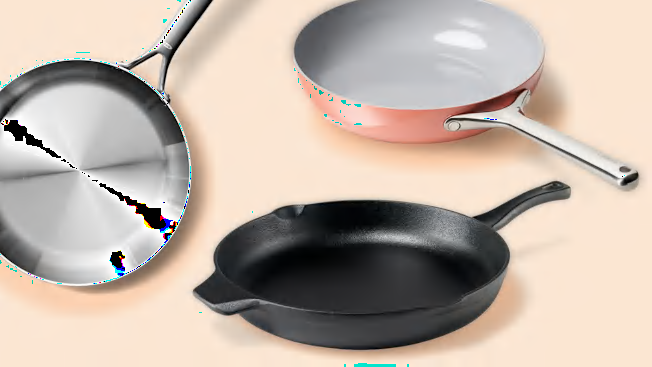
Versus Stainless Steel
Stainless steel cookware is popular for its durability and versatility. Comparing ceramic with stainless steel shows clear differences in cooking style and care.
- Non-stick ability: Ceramic offers a slick surface; stainless steel does not.
- Durability: Stainless steel is extremely tough and resistant to scratches.
- Heat conduction: Stainless steel heats evenly if it has an aluminum or copper core.
- Maintenance: Ceramic needs gentle cleaning; stainless steel can tolerate scrubbing.
- Flavor: Stainless steel can brown and sear food better than ceramic.
Stainless steel pans require oil or butter to prevent sticking. Ceramic coatings allow cooking with less or no oil. Ceramic is often lighter than stainless steel, making it easier to handle.
Consider this quick comparison:
- Cooking Techniques: Stainless steel is ideal for searing, deglazing, and browning.
- Cleaning: Ceramic cleans easily with mild soap; stainless steel may need stronger cleaners.
- Health: Both are generally safe, but ceramic is free from metals leaching into food.
For those who want easy cleanup and low-fat cooking, ceramic is a great pick. Stainless steel suits cooks who enjoy high-heat cooking and don’t mind more cleanup.
Versus Cast Iron
Cast iron cookware is known for its heavy weight and excellent heat retention. Comparing ceramic to cast iron highlights different cooking experiences.
- Weight: Ceramic pans are lighter; cast iron is very heavy.
- Heat retention: Cast iron holds heat longer and distributes it evenly.
- Non-stick surface: Ceramic has a smooth non-stick coating; cast iron develops a natural seasoning.
- Maintenance: Ceramic is easy to clean; cast iron requires seasoning and careful drying.
- Durability: Cast iron lasts for generations if maintained well.
Cast iron improves with use as the seasoning builds a natural non-stick layer. Ceramic stays non-stick from the start but may lose coating over time.
Here is a side-by-side overview:
| Feature | Ceramic Cookware | Cast Iron Cookware |
|---|---|---|
| Weight | Light to medium | Heavy |
| Heat Retention | Moderate | Excellent |
| Non-stick | Mineral-based coating | Seasoned natural surface |
| Maintenance | Simple cleaning | Requires seasoning and drying |
| Durability | Moderate; coating can chip | Very durable; can last decades |
Choose ceramic for lightweight, easy cooking with less fuss. Cast iron suits slow cooking, high heat, and long-lasting use.
Tips For Maintenance
Caring for ceramic non-stick cookware helps keep its surface smooth and effective. Good maintenance extends the life of the cookware and keeps food from sticking. Simple steps in cleaning, storing, and handling can protect the ceramic coating. Following clear tips for maintenance ensures the cookware stays safe and easy to use for a long time.
Proper Cleaning Methods
Cleaning ceramic non-stick cookware properly is key to preserving its coating. Avoid harsh scrubbing tools like steel wool or rough sponges. Use soft cloths or non-abrasive sponges instead. Warm water with mild dish soap works best for cleaning. Let the cookware cool down before washing to prevent warping.
- Rinse the pan with warm water immediately after use to remove food particles.
- Wash gently with soft sponge and mild detergent.
- For stuck food, soak the pan in warm soapy water for 10–15 minutes.
- Dry the cookware thoroughly with a soft towel to prevent water spots.
Here is a simple cleaning routine in a table format:
| Step | Action | Tip |
|---|---|---|
| 1 | Cool down pan | Prevents damage from sudden temperature change |
| 2 | Rinse with warm water | Removes loose food particles |
| 3 | Use soft sponge and mild soap | Protects ceramic coating |
| 4 | Soak if needed | Eases removal of stuck food |
| 5 | Dry completely | Prevents rust and water marks |
Storage Recommendations
Proper storage keeps ceramic cookware safe from scratches and chips. Avoid stacking pans directly on top of each other without protection. Use soft cloths or paper towels between pans to prevent damage. Store cookware in a dry place to avoid moisture build-up, which can harm the coating.
- Place a soft cloth or pan protector between stacked pans.
- Store lids separately or upright to avoid pressure on the ceramic surface.
- Keep cookware away from heavy items that could cause dents or cracks.
- Use hooks or shelves to hang pans if space allows.
Use this checklist for safe storage:
- Separate pans with soft layers
- Keep lids in a safe place
- Avoid tight stacking
- Store in cool, dry area
- Check for damage regularly
Avoiding Common Mistakes
Many people damage ceramic non-stick cookware by using wrong tools or heat levels. Use wooden, silicone, or plastic utensils to protect the surface. Avoid cooking on very high heat, which can break down the coating. Never use aerosol cooking sprays, as they build residue over time.
- Do not use metal utensils that scratch the surface.
- Avoid overheating the pan; medium or low heat is best.
- Do not put hot cookware into cold water suddenly.
- Skip abrasive cleaners and harsh chemicals.
Common mistakes and effects are shown below:
| Mistake | Effect | How to Avoid |
|---|---|---|
| Using metal utensils | Scratches ceramic coating | Use wooden or silicone utensils |
| Cooking on high heat | Coating breaks down faster | Use medium or low heat |
| Cleaning with abrasive scrubbers | Surface damage and loss of non-stick | Use soft sponges |
| Sudden temperature changes | Warping and cracking | Allow pan to cool before washing |
Choosing The Right Ceramic Cookware
Choosing the right ceramic cookware makes a big difference in your kitchen experience. Good ceramic cookware is not just about looks; it affects how you cook and how healthy your meals are. Picking cookware with the right features ensures it lasts long and works well with different foods. This guide helps you understand what to check when buying ceramic cookware.
Material Quality
Material quality is the first thing to consider. Good ceramic cookware has a strong, smooth coating that does not chip or peel easily. This coating is usually made from natural minerals, which makes it safe and non-toxic.
Key points to check in material quality:
- The ceramic layer should be thick and even.
- Look for cookware that uses high-grade aluminum or stainless steel as the base.
- Non-stick properties should last for many uses without scratching.
- It should resist high heat without cracking.
- The cookware should be free from harmful chemicals like PFOA and PTFE.
Here is a simple table showing material features and their benefits:
| Material Feature | Benefit |
|---|---|
| Thick Ceramic Coating | Better durability and non-stick performance |
| Aluminum or Stainless Steel Base | Even heat distribution and faster cooking |
| Chemical-Free Coating | Healthier cooking without toxic fumes |
| Scratch Resistant Surface | Longer life and easy cleaning |
Choose cookware made with quality materials to avoid early wear and poor cooking results.
Brand Reputation
Brand reputation tells a lot about the quality and reliability of ceramic cookware. Brands with good reviews and years of experience usually offer better products. Their customer service and warranties also add value.
Why trust reputable brands?
- They use tested materials and safe manufacturing processes.
- Many customers share honest feedback about their products.
- They provide clear information on use and care.
- Warranties often cover defects or damage.
Check customer ratings and reviews on retail websites. Look for brands that respond well to customer questions and complaints. Also, brands known for innovation often improve their ceramic coatings over time.
Here is a list of common traits in trusted ceramic cookware brands:
- Consistent product quality.
- Transparent ingredient and material lists.
- Strong customer support.
- Positive expert and user reviews.
Choosing a well-known brand reduces the risk of buying low-quality cookware.
Price Considerations
Price is an important factor but does not always mean better quality. Ceramic cookware comes in a wide price range, from budget-friendly to premium models. Finding the right balance matters.
Factors affecting price:
- Material quality and thickness of ceramic coating.
- Size and number of pieces in the set.
- Brand reputation and warranty coverage.
- Additional features like induction compatibility.
Use this simple price guide to compare options:
| Price Range | Typical Features | Who It Suits |
|---|---|---|
| Low ($20 – $50) | Basic coating, smaller sets, limited warranty | Casual cooks, budget-conscious buyers |
| Mid ($50 – $100) | Thicker coating, better base, medium sets | Regular cooks wanting good value |
| High ($100+) | Premium coating, full sets, strong warranty | Serious cooks and gift buyers |
Pick ceramic cookware that fits your budget but offers durability and safety. Avoid the cheapest options as they often wear out fast.
Credit: farberwarecookware.com
Credit: www.consumerreports.org
Frequently Asked Questions
What Are The Benefits Of Ceramic Non Stick Cookware?
Ceramic non stick cookware offers excellent heat distribution and easy food release. It is free from harmful chemicals like PTFE and PFOA. This cookware is eco-friendly, durable, and easy to clean, making it a healthy choice for everyday cooking.
Is Ceramic Non Stick Cookware Safe For Health?
Yes, ceramic non stick cookware is safe for health. It does not release toxic fumes when heated. Its non-toxic coating is free from harmful chemicals, reducing health risks compared to traditional non-stick pans with PTFE or PFOA.
How Does Ceramic Non Stick Compare To Teflon?
Ceramic non stick is more eco-friendly and chemical-free than Teflon. It offers good heat resistance but may wear out faster. Teflon has better durability but risks toxic fumes if overheated. Ceramic is preferred for healthier, environmentally conscious cooking.
Can Ceramic Non Stick Cookware Withstand High Heat?
Ceramic non stick cookware can handle moderate heat well but is not ideal for very high temperatures. Excessive heat may damage the coating, reducing its effectiveness. It’s best to use medium heat to preserve the non stick surface and cookware longevity.
Conclusion
Ceramic non-stick cookware offers a healthy cooking option. It heats evenly and cleans up quickly. The surface resists scratches but needs gentle care. Avoid using metal utensils to keep it safe. It works well for everyday meals and low-fat cooking.
Prices vary, so choose one that fits your budget. Overall, ceramic cookware can be a good choice for many kitchens. Simple to use and easy to clean. Worth trying if you want a non-toxic pan.

Hello, This is Annie Walker, a 38-year-old blogger, founder, and editor of Cookware Guider from NY, USA. I am a cookware fanatic and passionate cooker. I love to cook with different types of cooking appliances (example: all types of cookware, rice cookers, slow cookers, etc) almost every day in my kitchen. I love to share my experience with my readers in my blog. Also, I enjoy helping people to solve their problems through my website. You can follow me on Twitter & Pinterest. To know details about my blog please check the about us page.