
Choosing the right cookware can change the way you cook and enjoy your meals. If you’re standing in front of the cookware aisle wondering whether ceramic or granite cookware is better, you’re not alone.
Both have their fans, but which one truly fits your kitchen needs? You’ll discover the key differences, benefits, and drawbacks of ceramic and granite cookware. By the end, you’ll feel confident making a choice that suits your cooking style and keeps your meals delicious and healthy.
Ready to find out which one is best for you? Let’s dive in.
Material Properties
Choosing between ceramic and granite cookware often comes down to understanding their material properties. These properties affect cooking performance, maintenance, and how long the cookware lasts. Both materials have unique features due to their composition and structure. Knowing these details helps in making a smart choice for your kitchen.
Composition And Structure
Ceramic cookware is made from natural clay that is shaped and fired at high temperatures. It usually has a smooth, glass-like coating called ceramic glaze. This coating is non-stick and provides a safe cooking surface free from chemicals like PTFE or PFOA.
- The clay base gives ceramic excellent heat resistance.
- The glaze creates a smooth surface that prevents food from sticking.
- Ceramic coatings can be pure ceramic or ceramic-infused with other materials.
Granite cookware is not actually made from solid granite stone but often consists of metal (like aluminum or steel) coated with a granite-like non-stick layer. This layer looks like natural granite and is made from a mix of minerals and non-stick materials.
- The base metal ensures quick and even heat distribution.
- The granite coating adds scratch resistance and durability.
- Granite coatings often combine ceramic and other particles for strength.
| Property | Ceramic Cookware | Granite Cookware |
|---|---|---|
| Material Base | Natural clay with ceramic glaze | Metal base with granite-style coating |
| Non-stick Surface | Pure ceramic glaze | Mineral-infused non-stick layer |
| Heat Resistance | High heat tolerance | Good heat conduction |
| Appearance | Glossy, smooth finish | Stone-like, textured finish |
Durability And Strength
Ceramic cookware offers a smooth, hard surface but needs careful handling. It can chip or crack if dropped. The ceramic glaze can wear down over time, especially with metal utensils or harsh cleaning.
- Resistant to scratches but not unbreakable.
- Can lose non-stick properties after heavy use.
- Safe for oven use but avoid sudden temperature changes.
Granite cookware is generally stronger because of its metal base and reinforced coating. It resists scratches better and holds up well to rougher use. The granite coating also resists peeling and damage from utensils.
- Highly durable with proper care.
- Retains non-stick surface longer.
- Good resistance to heat shocks and warping.
| Durability Factor | Ceramic Cookware | Granite Cookware |
|---|---|---|
| Scratch Resistance | Moderate, avoid metal tools | High, better with utensils |
| Resistance to Chipping | Low, fragile if dropped | Moderate, sturdy metal base |
| Heat Shock Resistance | Moderate, avoid sudden changes | High, metal base handles heat well |
| Lifespan | 2-5 years with care | 4-7 years or more |

Credit: www.youtube.com
Heat Conductivity
Choosing between ceramic and granite cookware often depends on how well each material handles heat. Heat conductivity affects cooking speed, food texture, and energy use. Both ceramic and granite have unique ways of conducting heat, which impacts their performance in the kitchen. Understanding these differences helps pick the right cookware for your needs.
Heating Efficiency
Heating efficiency means how fast and evenly cookware heats up. This feature is important for cooking food properly and saving energy.
Ceramic cookware heats up slower than granite but offers even heat distribution. It warms gently, which reduces hot spots and burning risk. However, it takes a bit longer to reach cooking temperature.
Granite cookware heats up faster because granite contains metal layers underneath. This allows quick heat transfer. It is great for searing and frying because it reaches high temperatures quickly.
- Ceramic: Slower to heat, gentle and even warmth.
- Granite: Fast heating, quick response to temperature changes.
| Cookware Type | Heating Speed | Heat Distribution | Best Use |
|---|---|---|---|
| Ceramic | Slow | Even | Simmering, slow cooking |
| Granite | Fast | Good | Searing, frying |
In summary, ceramic suits dishes needing low to medium heat and steady warmth. Granite fits high-heat cooking and quick temperature shifts.
Heat Retention
Heat retention is the cookware’s ability to keep heat after removing from the stove. This factor affects cooking control and energy use.
Ceramic cookware holds heat well due to its thick walls and dense structure. This means food stays warm longer and cooks evenly even after turning off the heat.
Granite cookware also retains heat but cools down faster than ceramic. Its metal core loses warmth quicker, which can be good for recipes needing fast temperature changes.
- Ceramic: Excellent heat holding, steady cooking after heat source is off.
- Granite: Moderate heat holding, cools down faster for better temperature control.
| Cookware Type | Heat Retention | Cooling Speed | Best Use |
|---|---|---|---|
| Ceramic | High | Slow | Slow cooking, keeping food warm |
| Granite | Moderate | Fast | Cooking with quick heat changes |
Cookware with good heat retention can save energy and improve food texture. Ceramic works well for dishes needing steady heat. Granite is better for cooking requiring fast cooling.
Non-stick Performance
Non-stick performance is key when choosing between ceramic and granite cookware. It affects how easily food releases from the pan and how much oil you need for cooking. Both ceramic and granite cookware offer non-stick surfaces, but their performance can vary. Understanding these differences helps pick the best option for your kitchen needs. This section explores the surface coating and ease of cleaning for each type, focusing on their non-stick qualities.
Surface Coating
Ceramic cookware features a coating made from natural minerals. This coating creates a smooth, non-stick surface without harmful chemicals like PTFE or PFOA. Ceramic surfaces are usually bright and glossy, offering a slick finish that helps food slide off easily.
Granite cookware often has a harder, stone-like coating. It combines non-stick layers with mineral particles to improve scratch resistance and durability. The granite finish is usually matte or speckled, giving a rugged look but still allowing food to release well.
| Feature | Ceramic Coating | Granite Coating |
|---|---|---|
| Material | Natural minerals | Non-stick layer + mineral particles |
| Appearance | Glossy and smooth | Matte, stone-like |
| Non-stick quality | Good, especially when new | Very good, often more durable |
| Heat tolerance | Moderate | High |
Key points about surface coating:
- Ceramic coatings work best with gentle heat.
- Granite coatings resist scratches better.
- Both avoid harmful chemicals often found in traditional non-stick pans.
Granite cookware tends to keep its non-stick ability longer due to its tougher surface. Ceramic may lose slickness faster if overheated or scratched.
Ease Of Cleaning
Cleaning non-stick cookware is easier than traditional pans. Both ceramic and granite cookware require less scrubbing because food does not stick as much. This saves time and effort after cooking.
Ceramic cookware cleans well with warm water and mild soap. Avoid abrasive scrubbers to protect the coating. Stains can appear if food is burnt, but soaking helps remove them.
Granite cookware also cleans easily. Its rougher texture may trap less residue, but it is still gentle on cleaning tools. The coating usually withstands scrubbing better than ceramic.
| Cleaning Aspect | Ceramic Cookware | Granite Cookware |
|---|---|---|
| Cleaning method | Warm water, mild soap | Warm water, mild soap |
| Scrubbing | Use soft sponges only | Can use soft to medium sponges |
| Stain resistance | Moderate, needs soaking | High, easier to rinse off |
| Dishwasher safe | Sometimes, but hand wash preferred | Often dishwasher safe, check manufacturer |
Cleaning tips:
- Let cookware cool before washing.
- Use gentle cleaning tools to protect coating.
- Soak stubborn food residues in warm water.
- Dry completely to avoid water spots.
Granite cookware offers a slight advantage in cleaning durability. Ceramic requires more care to keep its non-stick surface intact.
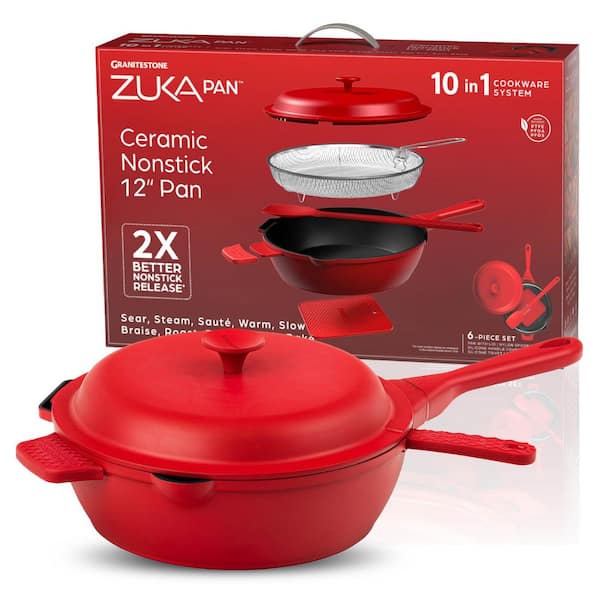
Credit: www.homedepot.com
Health And Safety
Choosing between ceramic and granite cookware involves thinking about health and safety. Both materials are popular for their non-stick surfaces and durability. But, understanding how safe they are for cooking helps make the best choice. Health and safety focus on what chemicals the cookware might release and how they affect the food you eat. Let’s explore these important aspects in detail.
Chemical Concerns
Ceramic cookware is often praised for being free of harmful chemicals. It usually contains no PTFE or PFOA, chemicals found in some non-stick pans. These chemicals can release toxic fumes when overheated. Ceramic coatings use natural minerals, making them a safer choice for many.
Granite cookware, often a type of aluminum pan with a granite-like coating, may contain PTFE or PFOA. But modern granite cookware brands advertise as PFOA-free. Still, overheating any non-stick pan can cause chemical release.
- Ceramic cookware: Usually free of PTFE and PFOA
- Granite cookware: May contain non-stick chemicals but often PFOA-free
- Overheating risk: Both can release chemicals if heated too high (above 450°F)
| Cookware Type | Contains PTFE | Contains PFOA | Safe at High Heat |
|---|---|---|---|
| Ceramic | No | No | Yes, up to 600°F |
| Granite (Non-stick) | Sometimes | No | Up to 450°F |
Tip: Avoid cooking on high heat with any non-stick cookware. Use medium or low heat for safety.
Food Safety
Food safety depends on how cookware interacts with food during cooking. Ceramic cookware is non-reactive. It does not release metals or chemicals into food. This makes it a good choice for people with allergies or sensitivities.
Granite cookware usually has an aluminum base. Aluminum can react with acidic foods like tomatoes or vinegar. This reaction might change the taste and color of food. Most granite cookware has a coating to prevent this, but if scratched, food might contact aluminum.
- Ceramic cookware: Non-reactive, safe for all foods
- Granite cookware: Coated to prevent reactions, but scratched surfaces risk exposure
- Care tips: Use wooden or silicone utensils to avoid scratches
Here is a quick guide to food safety by cookware type:
| Cookware Type | Reacts with Acidic Food | Safe for Allergies | Durability in Cooking |
|---|---|---|---|
| Ceramic | No | Yes | High (coating may chip if mishandled) |
| Granite | Possible if coating damaged | Depends on coating | Medium (coating can wear off with rough use) |
Note: Proper use and care extend cookware life and keep food safe. Avoid metal tools and sudden temperature changes.
Maintenance And Care
Choosing between ceramic and granite cookware involves more than just cooking performance. Maintenance and care play a big role in how long your cookware lasts and how well it performs. Both materials need specific cleaning and handling to keep their non-stick surfaces and appearance intact. Understanding the right way to care for ceramic and granite cookware helps protect your investment and keeps your kitchen tools safe for daily use.
Cleaning Tips
Cleaning ceramic and granite cookware requires gentle methods to avoid damage. Both types have non-stick coatings that can wear out if scrubbed harshly. Use soft sponges or cloths for washing. Avoid steel wool or abrasive pads.
- Hand wash only: Avoid dishwashers; they can cause coating to peel or fade.
- Use mild soap: Harsh detergents may damage the surface.
- Soak stubborn stains: Fill the pan with warm water and soap, then soak for 15-20 minutes.
- Dry immediately: Prevent water spots and rust on metal parts by drying with a soft towel.
Here is a quick comparison table for cleaning ceramic vs. granite cookware:
| Cleaning Aspect | Ceramic Cookware | Granite Cookware |
|---|---|---|
| Water Temperature | Warm or lukewarm water | Warm water preferred |
| Cleaning Tools | Soft sponge, cloth | Soft sponge, non-abrasive brush |
| Detergent Type | Mild dish soap | Mild dish soap |
| Dishwasher Safe? | No | No |
Cleaning regularly after each use prevents food build-up and keeps cookware looking new. Avoid metal utensils during cooking to reduce scratches and cleaning difficulties.
Longevity
Proper care extends the life of both ceramic and granite cookware. Both types have durable coatings but are sensitive to rough handling and high heat.
Ceramic cookware usually lasts 1 to 3 years with proper care. It can lose its non-stick ability if overheated or scratched.
Granite cookware often lasts longer, around 3 to 5 years. It has a tougher surface but still requires gentle treatment to avoid chipping.
- Use low to medium heat to protect coatings.
- Avoid sudden temperature changes, like placing hot pans in cold water.
- Store cookware with soft liners or separate stacking to avoid scratches.
- Use wooden or silicone utensils to prevent surface damage.
Here is a simple table comparing lifespan factors:
| Factor | Ceramic Cookware | Granite Cookware |
|---|---|---|
| Heat Resistance | Moderate (up to 450°F) | High (up to 500°F) |
| Scratch Resistance | Moderate | High |
| Typical Lifespan | 1-3 years | 3-5 years |
| Best Storage Method | Separated with soft cloth | Separated with soft cloth |
Following these simple care tips helps keep cookware safe and functional for years. Regular inspection for scratches or wear helps catch problems early. Replace cookware if coating peels or if cooking performance drops significantly.

Credit: alva-cookware.us
Cost Comparison
Choosing between ceramic and granite cookware involves considering many factors. One key aspect is the cost. Understanding the cost differences helps make a smart choice. This section compares the costs of ceramic and granite cookware to help decide which fits the budget and cooking needs better.
Initial Investment
The initial price of cookware affects the buying decision. Ceramic cookware often costs less upfront. It is usually lighter and simpler to manufacture. Granite cookware tends to have a higher starting price because it includes real stone or heavy-duty coatings.
Here is a quick look at typical price ranges for both:
| Cookware Type | Price Range (USD) | Common Features |
|---|---|---|
| Ceramic | $20 – $80 | Lightweight, non-stick, colorful designs |
| Granite | $50 – $150 | Heavy, durable, natural stone finish |
Cost varies by brand, size, and quality. Ceramic sets can be found at lower prices for basic models. Granite sets usually cost more because of their material and build quality.
- Ceramic: Affordable for small budgets
- Granite: Higher price but often seen as a premium option
Buying ceramic cookware offers a lower barrier to entry. Granite cookware requires more investment upfront but can feel more substantial and lasting.
Value Over Time
Value is not just about the first price. It is about how long the cookware lasts and performs. Ceramic cookware tends to wear out faster. Its coating may chip or lose non-stick ability over time.
Granite cookware is known for its strength and long life. It resists scratches and holds heat well. This durability can save money in the long run.
Consider these points for long-term value:
- Durability: Granite usually outlasts ceramic.
- Maintenance: Ceramic requires gentle care to avoid damage.
- Replacement frequency: Ceramic may need replacing more often.
- Performance: Granite offers consistent heat and cooking results.
Below is a simple comparison of typical lifespan and care needs:
| Cookware Type | Average Lifespan | Care Requirements | Replacement Frequency |
|---|---|---|---|
| Ceramic | 1-3 years | Hand wash, avoid metal utensils | Every 2-3 years |
| Granite | 5-10 years | Hand wash or dishwasher safe, durable | Every 5-10 years |
Granite cookware can save money by lasting longer and needing fewer replacements. Ceramic cookware fits smaller budgets but may need more frequent replacement.
Cooking Performance
Choosing between ceramic and granite cookware often depends on cooking performance. This factor covers how well the cookware heats food, handles different dishes, and affects taste. Both ceramic and granite have unique traits that influence these areas. Understanding these differences helps in picking the right cookware for daily use.
Versatility
Ceramic and granite cookware show different levels of versatility in the kitchen. Ceramic pans heat evenly but work best on low to medium heat. They handle delicate foods like eggs and fish without sticking. Granite cookware, often made with a stone-derived coating, tolerates higher heat levels. This makes it suitable for searing meat or frying vegetables.
Here is a quick comparison:
| Feature | Ceramic Cookware | Granite Cookware |
|---|---|---|
| Heat Tolerance | Low to medium heat | Medium to high heat |
| Best For | Gentle cooking, steaming | Searing, frying, sautéing |
| Oven Safe | Usually up to 350°F | Usually up to 450°F |
| Maintenance | Requires gentle cleaning | More durable, less fragile |
Granite cookware often works well with a wider range of cooking styles. Ceramic is better for slow, even cooking. Both types handle stovetop and oven use but with different temperature limits.
- Ceramic pans excel in low-fat cooking.
- Granite pans allow quick browning and crisping.
- Both provide non-stick surfaces but need careful handling.
Flavor Impact
Ceramic cookware tends to have a neutral effect on food flavor. The non-reactive surface does not change the taste or smell. This makes ceramic pans ideal for recipes where pure flavors matter. The coating prevents food from sticking, so flavors do not mix from previous meals.
Granite cookware also offers a neutral cooking surface but can enhance flavor through better heat retention. It heats quickly and keeps a steady temperature, which helps develop a rich crust on meats and vegetables. This browning adds depth to the overall taste.
Here are flavor-related points to consider:
- Ceramic: Maintains original food taste well.
- Granite: Helps build flavor with high heat cooking.
- Cleaning: Both need thorough cleaning to avoid flavor carryover.
- Seasoning: Granite may benefit from occasional oiling; ceramic does not.
Both cookware types avoid metallic or chemical flavors common in some metal pans. Choosing either ensures food tastes natural and fresh. The choice depends on preferred cooking methods and the types of dishes prepared most often.
Environmental Impact
Choosing between ceramic and granite cookware involves more than just cooking performance. The environmental impact of these materials plays a key role. Understanding how each type affects the planet helps make smarter, greener choices. This section explores their manufacturing process and sustainability.
Manufacturing Process
The manufacturing process of ceramic and granite cookware differs significantly. Both require raw materials and energy, but their steps and emissions vary.
- Ceramic Cookware: Made from natural clay and minerals, shaped and fired at high temperatures.
- Granite Cookware: Usually aluminum or metal base coated with a granite-like finish, involving chemical coatings and treatments.
Ceramic cookware firing involves:
- Mixing clay and minerals
- Molding into shapes
- High-temperature kiln firing (up to 2300°F)
- Glazing for a smooth surface
Granite cookware manufacturing steps include:
- Forming metal base (often aluminum)
- Applying multiple layers of non-stick coating
- Curing coatings under heat
- Adding decorative granite patterns
| Aspect | Ceramic Cookware | Granite Cookware |
|---|---|---|
| Raw Materials | Natural clay, minerals | Aluminum or metal base, chemical coatings |
| Energy Use | High (kiln firing) | Moderate (coating and curing) |
| Emissions | Low to moderate | Potentially higher due to chemicals |
Ceramic cookware uses natural materials but requires high heat. Granite cookware has lower firing temperatures but uses chemical coatings, which may release harmful fumes.
Sustainability
Sustainability measures how cookware affects the environment during and after use. It includes resource use, lifespan, and recyclability.
Ceramic cookware is generally more sustainable because:
- Made from abundant natural materials
- Free from harmful chemicals like PFOA and PTFE
- Long-lasting if handled carefully
- Fully recyclable and biodegradable in some cases
Granite cookware offers:
- Durability due to strong non-stick coatings
- Often contains synthetic materials that may not break down easily
- Limited recyclability because of mixed materials
- Risk of coating wear, requiring replacement
Consider the lifecycle impact:
| Factor | Ceramic Cookware | Granite Cookware |
|---|---|---|
| Material Renewal | Natural, renewable | Synthetic, less renewable |
| End of Life | Recyclable and biodegradable | Hard to recycle, landfill waste |
| Health Impact | Non-toxic | May release toxins if damaged |
Ceramic cookware supports eco-friendly kitchens with safer materials and better disposal options. Granite cookware lasts well but poses challenges in recycling and chemical safety.
User Preferences
User preferences play a big role in choosing between ceramic and granite cookware. People pick cookware based on how they cook and what features matter most. Some want easy cleaning, others want durability or healthy cooking. Understanding what users want helps find the right cookware type.
Common Uses
Ceramic and granite cookware serve different cooking needs. Many users prefer ceramic for gentle cooking tasks. It heats evenly and is good for low to medium heat recipes like:
- Simmering sauces
- Cooking eggs
- Light sautéing
- Baking in the oven
Granite cookware is known for toughness. It works well with high heat and heavy use. Typical uses include:
- Stir-frying vegetables
- Grilling meats
- Deep frying
- Cooking stews and soups
Here is a simple comparison table showing user preferences by cooking style:
| Cooking Style | Ceramic Cookware | Granite Cookware |
|---|---|---|
| Low Heat Cooking | Excellent, gentle heat | Good but can be overkill |
| High Heat Cooking | Not ideal, may damage | Perfect, very durable |
| Non-Stick Properties | Good natural non-stick | Strong, but may need oil |
| Cleaning Ease | Very easy to clean | Moderate, needs scrubbing |
Users who cook simple meals prefer ceramic. Those who cook tough dishes lean towards granite. The choice depends on cooking habits.
Popular Brands
Several brands are popular for ceramic and granite cookware. These brands are trusted for quality and user satisfaction. Ceramic cookware brands focus on health and design. Granite brands highlight strength and longevity.
Popular ceramic cookware brands include:
- GreenLife – Known for eco-friendly coatings
- Bialetti – Offers stylish and affordable sets
- Cuisinart – Durable with various colors
Well-known granite cookware brands are:
- Granite Stone – Famous for scratch resistance
- Gotham Steel – Lightweight and strong
- Swiss Diamond – High quality with diamond coating
Users pick brands based on price, warranty, and customer reviews. Many prefer brands that offer:
- Non-toxic materials
- Long-lasting coatings
- Easy maintenance
- Good heat distribution
Brand choice often depends on budget and cooking style. Ceramic brands attract users wanting simple, healthy cooking. Granite brands appeal to those needing tough, versatile cookware.
Frequently Asked Questions
Is Ceramic Cookware Healthier Than Granite?
Ceramic cookware is often considered healthier because it contains no toxic chemicals. It provides a non-stick surface without harmful coatings. Granite cookware may have synthetic coatings, which can degrade over time. Ceramic’s natural composition reduces the risk of chemical leaching, making it a safer cooking option for health-conscious users.
Which Cookware Heats More Evenly, Ceramic Or Granite?
Granite cookware typically heats more evenly due to its dense construction. Ceramic cookware can have hot spots if not layered properly. Even heat distribution in granite ensures better cooking results and prevents food from burning. Both types perform well, but granite generally offers superior heat retention and uniformity.
Is Ceramic Or Granite Cookware More Durable?
Granite cookware is generally more durable and resistant to scratches and chipping. Ceramic coatings can wear off and may crack if dropped. Granite’s sturdy build withstands heavy use better. Proper care extends the lifespan of both, but granite is preferred for long-term durability in busy kitchens.
Which Cookware Cleans Easier, Ceramic Or Granite?
Ceramic cookware cleans easier because of its smooth, non-stick surface. It usually requires less scrubbing and resists food sticking. Granite cookware can be tougher to clean if food gets trapped in textured coatings. Regular cleaning maintains non-stick properties for both types but ceramic is simpler to maintain.
Conclusion
Choosing between ceramic and granite cookware depends on your needs. Ceramic heats evenly and cleans easily. Granite offers strong durability and scratch resistance. Both types suit different cooking styles. Think about what matters most to you. Your budget and cooking habits also play a role.
Either choice can improve your kitchen experience. Cook with what feels right for you. Enjoy making meals with confidence and ease.

Hello, This is Annie Walker, a 38-year-old blogger, founder, and editor of Cookware Guider from NY, USA. I am a cookware fanatic and passionate cooker. I love to cook with different types of cooking appliances (example: all types of cookware, rice cookers, slow cookers, etc) almost every day in my kitchen. I love to share my experience with my readers in my blog. Also, I enjoy helping people to solve their problems through my website. You can follow me on Twitter & Pinterest. To know details about my blog please check the about us page.