
If you’ve ever wondered whether cooked rice is safe or healthy for your dog, you’re not alone. You want the best for your furry friend, and feeding them the right food is part of that care.
But with so many opinions out there, it’s easy to feel confused. Could something as simple as rice be good for your dog’s digestion? Or might it cause problems you didn’t expect? Keep reading to find out exactly how cooked rice fits into your dog’s diet—and what you should watch out for to keep your pet happy and healthy.
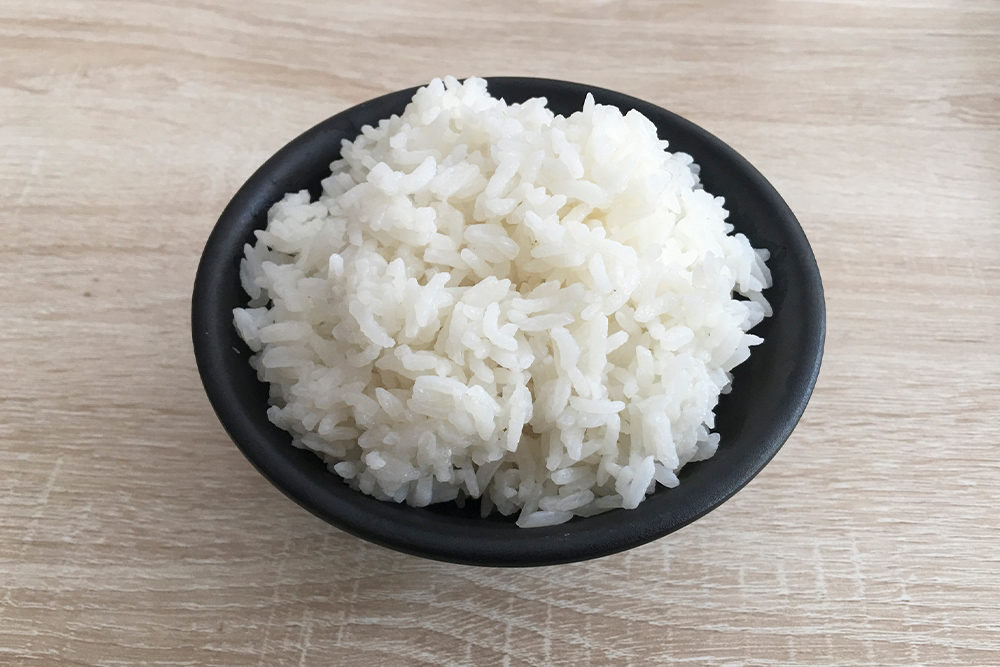
Credit: www.esseg.eu
Benefits Of Cooked Rice For Dogs
Cooked rice is a common food that many dog owners use. It offers several benefits for dogs. Rice is easy to digest and can help with different health needs. It is also a good source of energy and nutrients. Dogs often enjoy the soft texture of cooked rice, making it a useful food option.
Here are some important benefits of cooked rice for dogs.
Nutritional Value
Cooked rice contains carbohydrates that provide fuel for dogs. It also has small amounts of protein and essential vitamins. These nutrients support overall health and well-being. Rice is low in fat, which helps maintain a healthy weight. It is a simple food that adds good nutrition to a dog’s diet.
Digestive Support
Rice is gentle on a dog’s stomach. It can soothe upset digestion and reduce diarrhea. The soft texture helps dogs with sensitive stomachs eat comfortably. Rice also helps absorb excess water in the intestines. This makes it a common choice during digestive issues or after illness.
Energy Source
Dogs need energy for play and daily activities. Cooked rice offers a quick source of energy through carbohydrates. It helps keep dogs active and alert. This food can be mixed with other ingredients to create balanced meals. Rice supports energy levels without causing digestive problems.
Risks Of Feeding Cooked Rice
Cooked rice can be a common addition to a dog’s meal. It seems safe and easy to digest. Yet, feeding rice to dogs has some risks. Knowing these risks helps keep your dog healthy and happy.
Rice is mostly carbohydrates. Dogs need a balanced diet with proteins, fats, and vitamins. Feeding too much rice can cause problems over time. Watch your dog’s reaction after feeding rice for the first time.
Potential Allergies
Some dogs have food allergies. Rice can cause allergic reactions in a few dogs. Symptoms include itching, swelling, or upset stomach. Stop feeding rice if you see these signs. Consult a vet for allergy testing.
Weight Gain Concerns
Rice is high in calories and carbs. Feeding large amounts can lead to weight gain. Overweight dogs face health issues like joint pain and heart problems. Control portion sizes and mix rice with other nutrients.
Nutrient Imbalance
Rice alone lacks essential nutrients dogs need. Relying on rice too much can cause nutrient gaps. Dogs require protein, fats, vitamins, and minerals for energy and growth. Combine rice with quality dog food for a balanced meal.
Best Practices For Feeding Rice
Feeding rice to dogs can be healthy if done correctly. Rice offers energy and is easy to digest. Knowing the right way to serve it keeps dogs safe and happy. Follow these best practices to include rice in your dog’s diet safely and effectively.
Portion Control
Serve rice in small amounts. Too much rice can upset your dog’s stomach. Rice should be a part of a balanced meal. Adjust the portion based on your dog’s size and activity. Watch your dog’s reaction to rice and adjust as needed.
Choosing The Right Rice Type
White rice is easy to digest and safe for dogs. Brown rice has more fiber but may be harder to digest. Avoid flavored or seasoned rice. Plain rice is best for dogs’ health. Always pick rice without added salt or spices.
Cooking Methods
Cook rice thoroughly until soft. Use only water to cook rice—no oils or butter. Avoid using broth with onions or garlic. Let the rice cool before feeding your dog. Proper cooking helps prevent choking and digestion issues.
When To Avoid Rice In Dog Diet
Rice can be a helpful part of a dog’s diet in many cases. It is easy to digest and often used to soothe upset stomachs. Still, there are times when rice should be avoided. Knowing when not to feed rice to your dog helps keep them safe and healthy.
Health Conditions
Some dogs have health issues that make rice a bad choice. Dogs with diabetes need to avoid rice because it can raise blood sugar quickly. Dogs with allergies to grains might react poorly to rice. Also, dogs with kidney problems may need to limit certain foods, including rice. Always check with a vet before adding rice to a dog’s diet if health problems exist.
Signs Of Adverse Reactions
Watch for signs that rice does not suit your dog. Vomiting or diarrhea after eating rice shows a possible problem. Itchy skin, redness, or swelling can mean an allergy. Loss of appetite or unusual tiredness also warns of a reaction. Stop feeding rice and talk to a vet if these signs appear.
Alternatives To Rice For Dogs
Rice is a popular choice for dogs, but some pet owners want other options. Different foods can offer balanced nutrition and variety. Choosing the right alternatives helps keep your dog happy and healthy.
Other Grains And Carbs
Dogs can eat grains like oats, barley, and quinoa. These grains provide energy and fiber for digestion. Sweet potatoes and pumpkin are also good carbs. They are easy to digest and full of vitamins.
Vegetable Options
Vegetables add fiber, vitamins, and minerals to a dog’s diet. Carrots, green beans, and peas are safe and healthy. Cooked spinach and zucchini work well too. Avoid onions, garlic, and raw potatoes as they can harm dogs.
Protein Sources
Protein is important for muscle and body repair. Cooked chicken, turkey, and lean beef are excellent options. Fish like salmon provides healthy omega-3 fats. Eggs are a great protein source and easy to prepare.
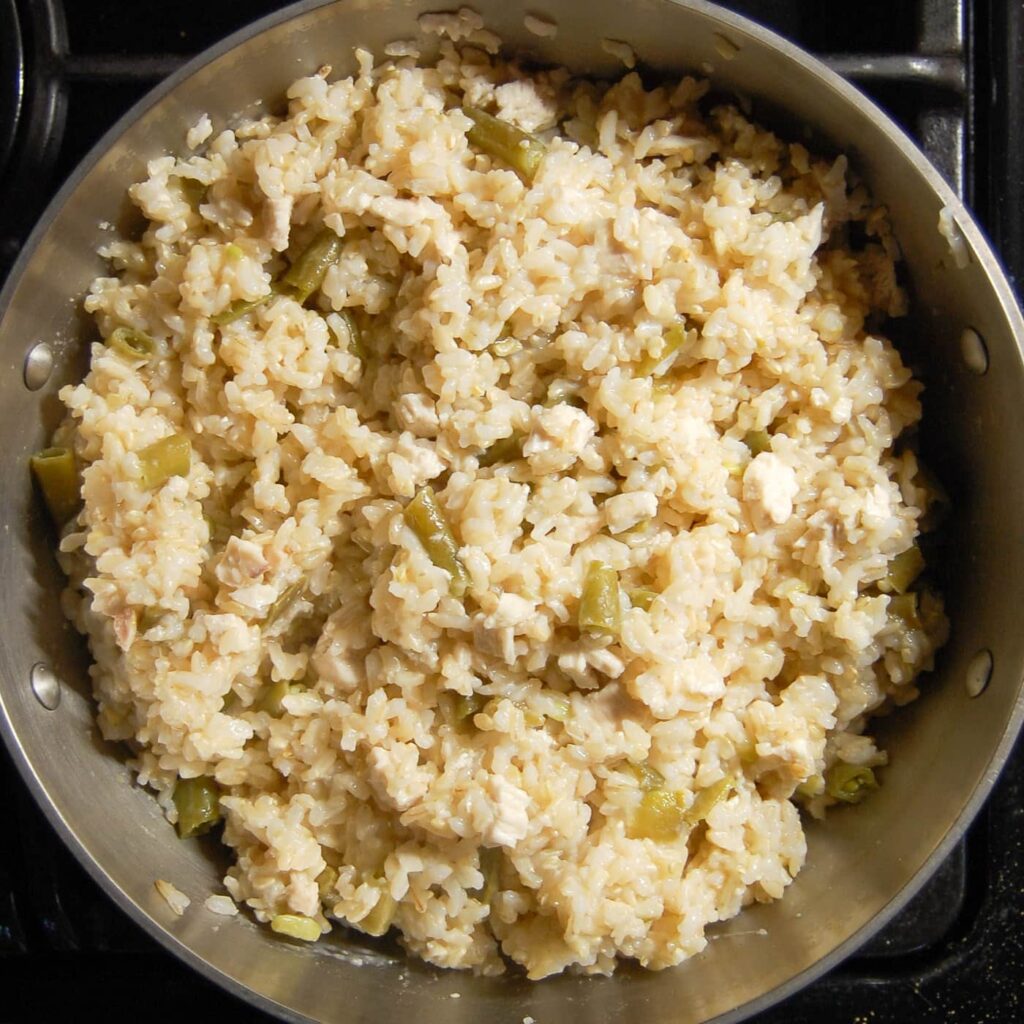
Credit: www.shoshitamam.com
Incorporating Rice Into Homemade Dog Food
Cooked rice is a common ingredient in homemade dog food. It is easy to digest and provides energy. Rice also helps soothe upset stomachs. Many dog owners choose rice to mix with proteins and vegetables. This creates a simple, nutritious meal at home.
Using rice in dog meals requires balance. Dogs need more than just rice to stay healthy. Combining rice with other ingredients is key. This section explores how to use rice well in homemade dog food.
Balanced Meal Ideas
Start with cooked rice as a base. Add lean meats like chicken or turkey. These provide important proteins for muscles. Include cooked vegetables such as carrots or peas. Vegetables add vitamins and fiber. Ensure the meal has a mix of all food types. This keeps your dog’s diet balanced and healthy.
Supplementing With Nutrients
Rice alone lacks some nutrients dogs need. Include sources of healthy fats like fish oil. This supports skin and coat health. Add a dog-safe multivitamin if needed. Calcium and phosphorus are important for bones. Consult a vet for the right supplements. This ensures your dog gets complete nutrition.

Credit: www.shoshitamam.com
Frequently Asked Questions
Is Cooked Rice Safe For Dogs To Eat?
Yes, cooked rice is safe for dogs when served plain. It is gentle on their stomach and aids digestion, especially during upset stomachs.
Can Dogs Eat White Or Brown Rice?
Dogs can eat both white and brown rice. White rice is easier to digest, while brown rice offers more fiber and nutrients.
How Much Cooked Rice Can I Feed My Dog?
Feed cooked rice in moderation as part of a balanced diet. Typically, 1/4 to 1/3 cup mixed with protein is enough for small to medium dogs.
Does Cooked Rice Help Dogs With Diarrhea?
Yes, cooked rice helps firm up stools and soothes the digestive tract. It is often recommended during mild diarrhea episodes in dogs.
Conclusion
Cooked rice can be a safe and gentle food for dogs. It helps with digestion and can soothe upset stomachs. Always serve plain rice without spices or sauces. Avoid giving too much rice to keep your dog balanced. Combine rice with good portions of protein and vegetables.
Watch your dog’s reaction after trying rice for the first time. Simple meals often work best for dogs’ health. Rice is not a full meal but a helpful addition. Keep your pet’s diet varied and nutritious. Rice can support your dog’s diet, but not replace it.

Hello, This is Annie Walker, a 38-year-old blogger, founder, and editor of Cookware Guider from NY, USA. I am a cookware fanatic and passionate cooker. I love to cook with different types of cooking appliances (example: all types of cookware, rice cookers, slow cookers, etc) almost every day in my kitchen. I love to share my experience with my readers in my blog. Also, I enjoy helping people to solve their problems through my website. You can follow me on Twitter & Pinterest. To know details about my blog please check the about us page.