
Are you tired of rice that’s either too mushy or too dry? What if your rice cooker could adjust itself perfectly every time you cook?
That’s exactly what a fuzzy logic rice cooker does for you. It uses smart technology to understand your rice’s needs and cooks it just right. Keep reading to discover how this clever appliance can make your cooking easier and your meals tastier.
Fuzzy Logic Basics
A Fuzzy Logic Rice Cooker uses advanced technology to cook rice perfectly every time. This technology is based on fuzzy logic, a type of computing that handles uncertain or imprecise information. Unlike simple on/off controls, fuzzy logic allows the cooker to adjust cooking time and temperature based on the rice type and environment. Understanding the basics of fuzzy logic helps explain why these rice cookers produce better results.
Core Principles
Fuzzy logic is a method of reasoning that mimics how humans make decisions. It works with data that is not just true or false, but can have values in between. This flexibility makes it ideal for controlling devices like rice cookers, which need to handle many factors that change during cooking.
- Gradual Values: Unlike traditional logic that uses binary 0 or 1, fuzzy logic uses degrees of truth between 0 and 1.
- Multiple Inputs: It considers various inputs such as temperature, moisture, and cooking time to decide the best action.
- Rule-Based System: Uses “if-then” rules to make decisions, for example, “If rice is soft and water is low, then increase cooking time.”
The table below shows a simple example of fuzzy logic values compared to traditional logic:
| Condition | Traditional Logic | Fuzzy Logic |
|---|---|---|
| Water Level | Low (0) or High (1) | 0.3 (Low), 0.7 (Medium) |
| Rice Softness | Soft (1) or Hard (0) | 0.6 (Mostly Soft), 0.4 (Slightly Hard) |
By using these principles, fuzzy logic rice cookers adapt cooking for better texture and taste. The system continuously monitors and adjusts settings during the cooking process.
How It Differs From Traditional Logic
Traditional logic uses simple true or false values to make decisions. This method works well for clear, fixed conditions. For example, a standard rice cooker might just turn heating on or off based on a timer. It does not change settings based on rice type or moisture.
Fuzzy logic offers a more flexible approach. It can handle uncertainty and partial truths, which helps in cooking rice more precisely. The rice cooker can adjust heat and time step-by-step rather than making one fixed decision.
- Traditional Logic: On/off control, fixed timing, no adjustment during cooking.
- Fuzzy Logic: Variable control, real-time adjustments, better for different rice types.
The comparison table below highlights key differences:
| Feature | Traditional Logic | Fuzzy Logic |
|---|---|---|
| Decision Type | Binary (Yes/No) | Gradual (Degrees of truth) |
| Cooking Adjustment | None after start | Continuous real-time changes |
| Handling Uncertainty | Cannot handle | Designed to handle |
| Rice Type Adaptation | Limited or none | Effective and precise |
Fuzzy logic rice cookers deliver better rice by reacting to actual cooking conditions. This leads to a more consistent texture and flavor compared to traditional rice cookers.

Credit: www.philips.com
Fuzzy Logic In Rice Cookers
Fuzzy logic in rice cookers is a smart technology that improves cooking results. Unlike traditional rice cookers with simple on/off settings, fuzzy logic rice cookers use advanced computer chips to adjust cooking times and temperatures. This system helps cook rice perfectly by responding to different conditions like rice type, water amount, and temperature changes. The fuzzy logic system mimics human thinking by making small decisions during cooking. It adjusts heat and cooking time automatically, ensuring fluffy and well-cooked rice every time. This technology makes rice cookers more reliable and easier to use for all types of rice dishes.
Adaptive Cooking Process
The adaptive cooking process is a key feature of fuzzy logic rice cookers. It means the cooker can change its cooking method based on real-time feedback. Instead of following a fixed program, the cooker monitors the rice and water inside and adjusts itself for the best results.
Here are some ways the adaptive cooking process works:
- Adjusting temperature: The cooker changes heat levels to avoid overcooking or undercooking.
- Changing cooking time: It extends or shortens cooking time depending on rice type and moisture.
- Multiple cooking stages: The cooker may use different heat patterns for soaking, cooking, and steaming phases.
This process helps achieve consistent quality no matter how much rice you cook or what variety you use. The cooker adapts to small changes like:
| Factor | How Cooker Adapts |
|---|---|
| Amount of rice | Adjusts cooking time and heat intensity |
| Water level | Changes temperature and steaming duration |
| Rice type (white, brown, etc.) | Modifies soaking and cooking cycles |
The adaptive process means the rice cooker can handle many different cooking needs. It prevents common problems like mushy or dry rice and saves energy by cooking efficiently.
Sensors And Microprocessors
Fuzzy logic rice cookers rely on sensors and microprocessors to make smart cooking decisions. Sensors collect data from the cooking environment, while microprocessors analyze that data to control the cooker.
Common sensors found in fuzzy logic rice cookers include:
- Temperature sensors: Track heat inside the pot.
- Moisture sensors: Detect water levels and steam.
- Pressure sensors: Monitor pressure changes during cooking.
The microprocessor acts like the brain. It reads signals from sensors and runs fuzzy logic algorithms. These algorithms make small adjustments to heat and time based on the sensor data.
Here is a simplified flow of how sensors and microprocessors work:
- Sensors collect real-time data.
- Microprocessor processes the data using fuzzy logic.
- Microprocessor sends commands to heating elements.
- The cooker adjusts temperature and cooking duration.
- Sensors keep monitoring and updating the microprocessor.
These components allow the cooker to respond quickly and accurately. The result is perfectly cooked rice without guesswork.
Benefits Of Fuzzy Logic Rice Cookers
Fuzzy logic rice cookers bring smart technology to your kitchen, improving how rice is cooked. These cookers use micro-computers to adjust the cooking time and temperature. This adjustment happens based on the type of rice and moisture level. The benefits of fuzzy logic rice cookers go beyond just cooking rice perfectly. They help save energy, offer more cooking options, and enhance the texture of your meals. Understanding these benefits can help you choose the right cooker for your needs.
Improved Rice Texture
Fuzzy logic rice cookers control heat and timing precisely. This control results in rice that is cooked evenly and has a better texture. Unlike traditional cookers, fuzzy logic models adjust cooking based on real-time feedback. This means the rice is neither undercooked nor overcooked. The texture becomes soft, fluffy, and consistent every time.
Here are some ways fuzzy logic improves rice texture:
- Automatic moisture control: Keeps the rice from drying out or becoming mushy.
- Temperature adjustment: Prevents burning or sticking to the pot.
- Variety handling: Cooks different rice types like jasmine, basmati, or brown rice perfectly.
Below is a simple comparison of rice texture with and without fuzzy logic cookers:
| Feature | Traditional Cooker | Fuzzy Logic Cooker |
|---|---|---|
| Texture Consistency | Varies, often uneven | Consistent and fluffy |
| Moisture Control | Manual, less precise | Automatic, precise |
| Rice Type Adaptation | Limited | Adjusts for many types |
Energy Efficiency
Fuzzy logic rice cookers use energy smartly. They adjust cooking power based on the rice’s condition. This adjustment means less wasted energy and lower electricity bills. The cooker works at full power only when needed. Then it lowers power to keep rice warm without extra cooking.
Energy-saving benefits include:
- Reduced cooking time: Faster cooking saves electricity.
- Smart heat control: Uses just enough energy to cook rice well.
- Keep-warm mode: Maintains temperature without using much power.
Here is an estimate of energy use for a fuzzy logic cooker versus a regular cooker:
| Type | Average Energy Use (kWh) | Cooking Time (minutes) |
|---|---|---|
| Traditional Cooker | 0.12 | 45 |
| Fuzzy Logic Cooker | 0.08 | 30 |
Versatility In Cooking
Fuzzy logic rice cookers do more than cook rice. They offer multiple cooking modes. These modes handle different grains, soups, stews, and even cakes. The micro-computer adjusts settings for each type of food automatically.
Benefits of versatility include:
- Multiple functions: Cook porridge, steam vegetables, or bake desserts.
- Customizable settings: Save your favorite cooking modes.
- One appliance: Replace several kitchen tools, saving space.
Here is a list of common cooking modes found in fuzzy logic rice cookers:
- White rice
- Brown rice
- Quick cook
- Porridge
- Steam
- Sauté
- Cake baking
Features To Look For
Fuzzy logic rice cookers use smart technology to cook rice perfectly every time. They adjust temperature and cooking time based on the rice type and amount. Choosing the right fuzzy logic rice cooker means focusing on key features. These features make cooking easier and improve your rice quality. Understanding what to look for helps you pick a cooker that fits your needs and kitchen space.
Cooking Programs
Cooking programs are the heart of a fuzzy logic rice cooker. These programs control how the rice is cooked by adjusting time and heat. A good fuzzy logic cooker offers multiple preset programs to handle different rice types and dishes.
Common cooking programs include:
- White rice
- Brown rice
- Sushi rice
- Mixed rice
- Porridge
- Quick cook
- Steam
These programs allow the rice cooker to adapt and deliver consistent texture and flavor. Advanced models even have custom settings for texture preference, like soft or firm rice.
Here is a simple table to compare basic and advanced cooking programs:
| Program Type | Basic Models | Advanced Models |
|---|---|---|
| Rice Types | White, Brown | White, Brown, Sushi, Mixed |
| Additional Functions | None or Steam | Steam, Porridge, Quick Cook, Custom Settings |
More cooking programs mean more flexibility. It also means the rice cooker can handle a wider range of recipes.
User Interface
The user interface makes using the rice cooker simple and clear. A good interface helps you select programs and adjust settings easily. Look for a cooker with a well-designed control panel.
Key interface features include:
- Clear LCD or LED display
- Easy-to-read buttons
- Timer and delay start options
- Simple navigation menus
Some models offer touch screens, but physical buttons are easier for everyday use. The display should show cooking status, remaining time, and selected program clearly.
Ease of use reduces mistakes and frustration. It also helps in setting the cooker for specific rice types or textures quickly. Many fuzzy logic rice cookers have a keep-warm function, which the interface should indicate clearly.
Consider if you want a cooker with voice prompts or sound alerts. These features can improve user experience, especially for beginners.
Capacity And Size
Capacity and size determine how much rice you can cook at once. Rice cookers come in various sizes, from small 3-cup models to large 10-cup or more options.
Common capacities include:
- 3 cups – ideal for singles or couples
- 5 cups – suitable for small families
- 8 cups or more – good for larger families or gatherings
Choose a size that fits your typical rice needs. A too-small cooker may require multiple batches, while a too-large cooker can waste energy and space.
The physical size affects countertop space and storage. Compact models work well in small kitchens. Larger cookers need more room but offer more cooking volume.
Here is a quick reference table for capacity and kitchen size:
| Capacity (Cups Cooked) | Best For | Kitchen Space |
|---|---|---|
| 3-5 cups | 1-3 people | Small kitchens, limited counter space |
| 6-8 cups | 4-6 people | Medium kitchens |
| 9+ cups | Large families or gatherings | Spacious kitchens |
Think about your family size and kitchen space before choosing. The right capacity saves time and energy.
Popular Brands And Models
Fuzzy logic rice cookers use smart technology to cook rice perfectly every time. They adjust cooking times and temperatures based on the rice type and amount. Many brands offer fuzzy logic cookers, each with unique features and designs. Choosing the right model can improve meal quality and convenience. Popular brands provide reliable options for different budgets and needs.
Top Rated Options
Several brands stand out for their fuzzy logic rice cookers. These models receive high ratings for performance, durability, and ease of use. Here are some popular choices:
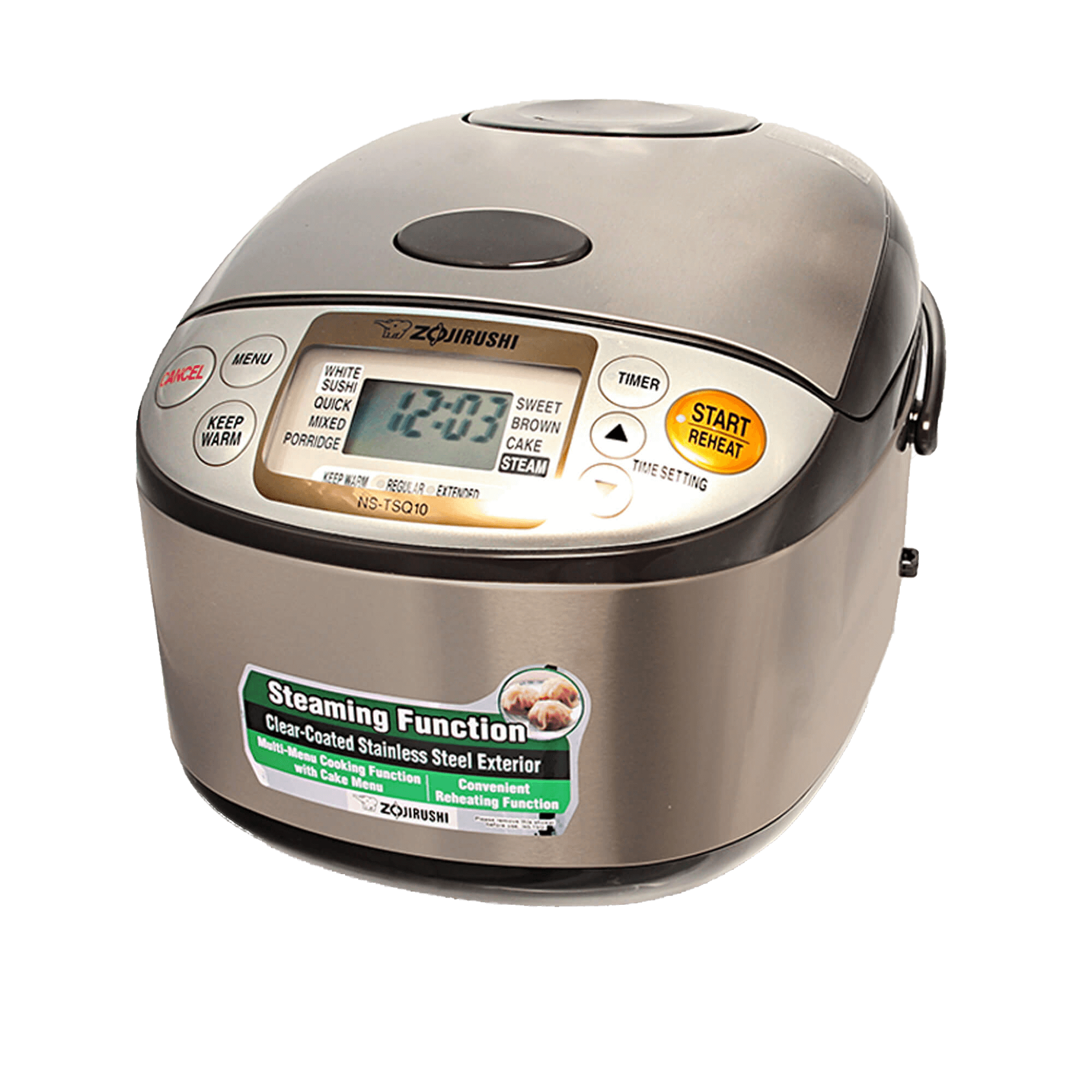
- Zojirushi Neuro Fuzzy Rice Cooker: Known for precise cooking and multiple menu settings.
- Panasonic SR-DF101: Offers consistent results with compact design.
- Aroma Housewares ARC-150SB: Affordable with a variety of cooking functions.
- Tiger JKT-B10U: Features advanced fuzzy logic and a keep-warm timer.
These models use fuzzy logic to sense temperature and adjust cooking automatically. Users praise their ability to make soft, fluffy rice without burning. Many also cook other grains and steam vegetables.
| Brand | Model | Capacity | Key Features |
|---|---|---|---|
| Zojirushi | Neuro Fuzzy NS-ZCC10 | 5.5 cups | Multiple menu settings, Keep warm, Micom technology |
| Panasonic | SR-DF101 | 5 cups | Fuzzy logic, Compact size, Easy clean |
| Aroma | ARC-150SB | 10 cups | Delay timer, Steam tray, Multiple functions |
| Tiger | JKT-B10U | 5.5 cups | Fuzzy logic, Keep warm, Timer |
Price Ranges
Fuzzy logic rice cookers come in different price ranges. This variation depends on size, brand, and features. Small models start at an affordable price, while larger or advanced units cost more.
Here is a general guide:
- Budget Models ($50 – $100): Basic fuzzy logic cookers with fewer functions. Good for small households.
- Mid-Range Models ($100 – $200): Offer more cooking settings and better build quality.
- High-End Models ($200 and above): Include advanced features like multiple menu options, timers, and premium materials.
| Price Range | Features | Example Models |
|---|---|---|
| $50 – $100 | Basic fuzzy logic, smaller capacity | Aroma ARC-150SB, Panasonic SR-DF101 |
| $100 – $200 | More cooking modes, better design | Tiger JKT-B10U, Zojirushi NS-LGC05 |
| $200+ | Premium features, large capacity | Zojirushi NS-ZCC10, Tiger JKT-S10U |
Choosing a model depends on budget and cooking needs. Many find mid-range cookers offer the best balance of price and features.
Credit: www.liftingitalia.com
Maintenance And Care Tips
Fuzzy logic rice cookers use smart technology to cook rice perfectly every time. To keep your cooker working well, regular maintenance and care are important. Proper care helps your cooker last longer and keeps it safe to use. Knowing how to clean and fix simple problems saves time and money. Follow these easy tips to maintain your fuzzy logic rice cooker.
Cleaning Guidelines
Cleaning your fuzzy logic rice cooker after each use is key. Dirt and food stuck inside can cause bad smells and affect cooking quality. Use these steps to clean your cooker safely:
- Unplug the cooker and let it cool before cleaning.
- Remove the inner pot and wash it with warm, soapy water. Avoid harsh scrubbers to keep the non-stick surface safe.
- Wipe the inside of the cooker with a soft, damp cloth. Do not immerse the main body in water.
- Clean the lid carefully. Some lids are removable and dishwasher-safe; check the manual.
- Dry all parts completely before reassembling to prevent mold.
Use this table to understand which parts need special care:
| Part | Cleaning Method | Notes |
|---|---|---|
| Inner Pot | Hand wash with soft sponge | Do not use metal scrubbers |
| Lid | Wipe with damp cloth or hand wash if removable | Check if dishwasher safe |
| Main Body | Wipe outside and inside with damp cloth | Keep away from water immersion |
| Steam Vent | Clean with small brush or toothpick | Remove debris for proper steam release |
Clean the steam vent regularly. It can get clogged with starch, causing pressure issues. Always dry parts fully to avoid rust. Proper cleaning keeps your rice cooker safe and working well.
Troubleshooting Common Issues
Fuzzy logic rice cookers usually work well, but small problems may appear. Many issues are easy to fix with simple steps.
- Rice not cooking properly: Check if the inner pot is correctly placed. Make sure the lid is closed tightly.
- Cooker won’t start: Confirm the cooker is plugged in and the power outlet works. Reset the cooker by unplugging for 5 minutes.
- Steam not releasing: Clean the steam vent and ensure it is not blocked.
- Error codes on display: Refer to your user manual for code meanings. Common codes often signal lid issues or sensor errors.
Use this quick troubleshooting table for easy fixes:
| Issue | Possible Cause | Solution |
|---|---|---|
| Rice undercooked | Improper pot placement, lid not closed | Place pot correctly, close lid tightly |
| Cooker won’t start | No power, faulty plug | Check power, reset cooker |
| Steam not releasing | Clogged steam vent | Clean steam vent |
| Error codes | Sensor or lid issues | Consult manual, check lid and sensors |
Most problems do not need a technician. Basic care and checks keep your fuzzy logic rice cooker running smoothly. Always follow safety instructions when troubleshooting. Avoid using water on electrical parts.

Credit: www.nytimes.com
Frequently Asked Questions
What Is A Fuzzy Logic Rice Cooker?
A fuzzy logic rice cooker uses smart technology to adjust cooking time and temperature. It ensures perfectly cooked rice every time. The cooker senses moisture and heat changes for precise control. This results in consistent texture and flavor.
How Does Fuzzy Logic Improve Rice Cooking?
Fuzzy logic technology adapts cooking settings automatically. It monitors heat and moisture levels during cooking. This creates optimal conditions for different rice types. The result is evenly cooked rice with ideal softness and taste.
Are Fuzzy Logic Rice Cookers Energy Efficient?
Yes, fuzzy logic rice cookers save energy by adjusting power use. They optimize cooking time to prevent overheating or overcooking. This efficient control reduces electricity consumption while maintaining rice quality.
Can Fuzzy Logic Rice Cookers Cook Other Foods?
Many fuzzy logic rice cookers have multifunctional settings. They can cook soups, porridge, and steamed dishes. The smart controls adjust cooking parameters for various recipes, making them versatile kitchen appliances.
Conclusion
Fuzzy logic rice cookers make cooking rice easy and precise. They adjust heat and time for perfect results every time. This technology helps avoid undercooked or burnt rice. You get soft, fluffy rice without much effort. These cookers save time and reduce guesswork in the kitchen.
They suit different types of rice and cooking preferences. Choosing one can improve your daily meals. Simple, smart, and reliable. A good addition to any kitchen.

Hello, This is Annie Walker, a 38-year-old blogger, founder, and editor of Cookware Guider from NY, USA. I am a cookware fanatic and passionate cooker. I love to cook with different types of cooking appliances (example: all types of cookware, rice cookers, slow cookers, etc) almost every day in my kitchen. I love to share my experience with my readers in my blog. Also, I enjoy helping people to solve their problems through my website. You can follow me on Twitter & Pinterest. To know details about my blog please check the about us page.