
Are you thinking about upgrading your kitchen with Cuisinart cookware but wondering if it’s really safe to use? When it comes to cooking your meals, safety is just as important as performance.
You want cookware that won’t release harmful chemicals or wear down quickly. You’ll discover everything you need to know about Cuisinart cookware’s safety, materials, and how it affects your health. By the end, you’ll feel confident making the best choice for your kitchen and your family’s well-being.
Keep reading to find out the truth behind Cuisinart’s reputation and whether it’s the right fit for you.
Cuisinart Cookware Materials
Cuisinart cookware is popular in many kitchens because it offers different materials to suit various cooking needs. Understanding the materials used helps to know if the cookware is safe and fits your cooking style. Cuisinart uses stainless steel, nonstick surfaces, and hard-anodized aluminum. Each material has unique features that affect cooking performance and safety.
Stainless Steel Options
Cuisinart’s stainless steel cookware is made with high-quality metals that provide durability and even heat distribution. This type of cookware is safe to use because it does not react with food or release harmful chemicals. It is also resistant to scratches and dents, making it a long-lasting choice.
Benefits of Cuisinart stainless steel cookware:
- Non-reactive surface keeps food taste pure
- Oven safe at high temperatures
- Dishwasher safe and easy to clean
- Resists corrosion and rust
- Compatible with induction cooktops
Here is a simple comparison of common stainless steel features in Cuisinart cookware:
| Feature | Benefit |
|---|---|
| 18/10 Stainless Steel | High durability and rust resistance |
| Multi-ply Construction | Even heat distribution and stability |
| Polished Finish | Easy to clean and looks attractive |
These features make stainless steel cookware a safe and reliable option for everyday cooking.
Nonstick Surfaces
Cuisinart offers nonstick cookware with coatings designed for easy food release and quick cleaning. The nonstick surfaces reduce the need for oil or butter, helping to prepare healthier meals. Cuisinart uses PFOA-free coatings, making their nonstick pans safer for home use.
Key points about Cuisinart nonstick cookware:
- Coatings are free from harmful chemicals like PFOA and PTFE
- Suitable for low to medium heat cooking
- Use wooden or silicone utensils to avoid scratching
- Hand washing recommended to extend life
- Lightweight and easy to handle
The table below shows some common nonstick coatings Cuisinart uses:
| Coating Type | Safety Feature | Care Tips |
|---|---|---|
| PTFE-based Nonstick | PFOA-free and FDA approved | Avoid high heat and metal utensils |
| Hard-anodized Nonstick | Durable and scratch resistant | Use soft sponges for cleaning |
Nonstick cookware is safe when used properly, but overheating or scratching the surface can reduce safety and performance.
Hard-anodized Aluminum
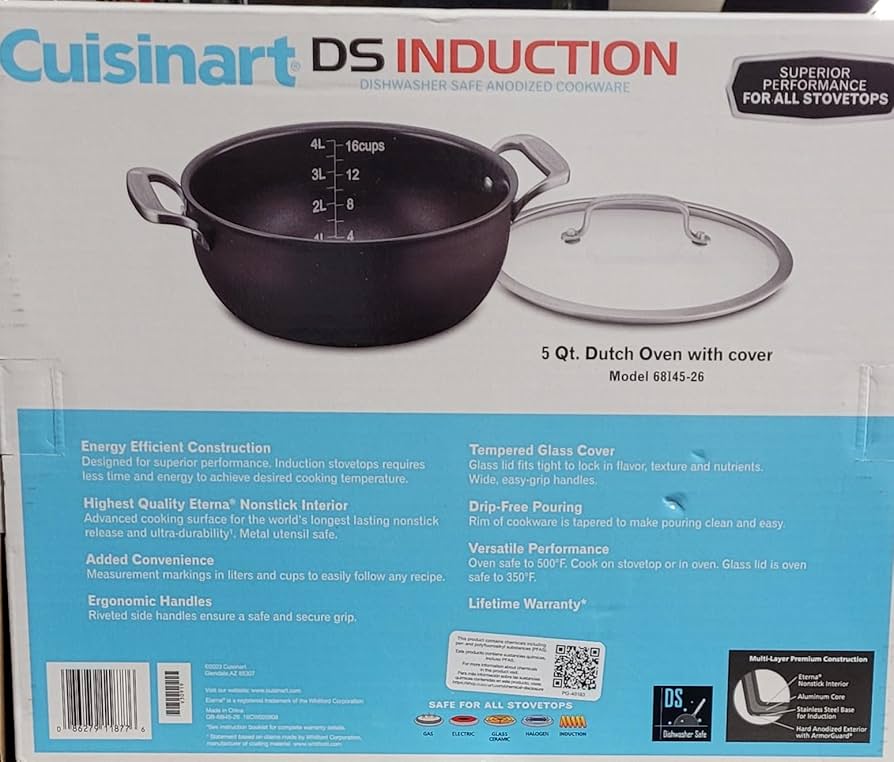
Hard-anodized aluminum cookware from Cuisinart is treated to create a strong, non-reactive surface. This process makes the aluminum harder and more resistant to corrosion. The cookware heats quickly and evenly, which helps cook food thoroughly.
Advantages of hard-anodized aluminum cookware:
- Durable and resistant to scratches
- Non-reactive surface prevents food from absorbing metals
- Good heat conduction for even cooking
- Often combined with nonstick coatings for better release
- Usually dishwasher safe but hand washing recommended
Here is a quick overview of hard-anodized aluminum compared to regular aluminum:
| Aspect | Hard-Anodized Aluminum | Regular Aluminum |
|---|---|---|
| Durability | High – resistant to dents and scratches | Low – prone to damage |
| Reactivity | Non-reactive surface | Reacts with acidic foods |
| Heat Distribution | Excellent and even | Good but less consistent |
Hard-anodized aluminum cookware is a safe choice offering strength and good cooking results.
Credit: www.amazon.com
Health And Safety Concerns
Health and safety concerns are vital when choosing cookware. Many people worry about harmful chemicals, metals, and toxins that might enter food during cooking. Cuisinart cookware is popular, but questions arise about its safety. Understanding the possible risks helps in making smart choices for your kitchen and health.
Chemical Coatings And Risks
Cuisinart cookware often features non-stick coatings that make cooking easier. These coatings can contain chemicals like PTFE (polytetrafluoroethylene) or ceramic materials. PTFE is common in Teflon-type coatings. When overheated, PTFE can release fumes that may cause flu-like symptoms in humans, known as “polymer fume fever.”
Important points about chemical coatings:
- Non-stick coatings prevent food from sticking, reducing oil use.
- Overheating above 500°F can break down coatings and release fumes.
- Scratches or damage to coatings may expose the base metal beneath.
- Ceramic coatings are free from PTFE and PFOA, considered safer alternatives.
Choosing the right Cuisinart cookware means checking the coating type and care instructions. Avoid using metal utensils that can scratch the surface. Heat cookware on medium or low settings to prevent damage. Ceramic-coated pans provide a chemical-free cooking surface but may wear out faster than traditional non-stick coatings.
Metal Leaching Potential
Metal leaching occurs when metals from cookware mix into food. Cuisinart offers stainless steel, aluminum, and hard-anodized cookware, each with different risks. Stainless steel is generally safe and durable. It may leach small amounts of nickel or chromium, especially with acidic foods like tomato sauce.
Aluminum cookware can leach aluminum into food, which some studies link to health issues. Hard-anodized aluminum has a hardened surface that reduces leaching.
Metal leaching factors to consider:
- Cookware material: Stainless steel vs aluminum vs hard-anodized aluminum.
- Food type: Acidic foods increase metal leaching risks.
- Cookware condition: Scratched or worn surfaces may leach more metals.
| Cookware Type | Common Metals | Leaching Risk | Safety Notes |
|---|---|---|---|
| Stainless Steel | Nickel, Chromium, Iron | Low to moderate (with acidic food) | Use high-quality grade for reduced leaching |
| Aluminum | Aluminum | Moderate | Hard-anodized reduces leaching |
| Hard-Anodized Aluminum | Aluminum (hardened) | Low | More durable and safer than regular aluminum |
Bpa And Toxin Presence
BPA (Bisphenol A) is a chemical used in plastics and resins. It can harm health by disrupting hormones. Cuisinart cookware is mostly metal-based and does not contain BPA in the pans themselves. However, some lids, handles, or packaging materials may include plastic parts where BPA could be present.
Many Cuisinart products now advertise BPA-free components. It’s crucial to check product labels or descriptions before buying. Other toxins like PFOA were once common in non-stick coatings but are now mostly phased out by reputable brands, including Cuisinart.
Tips to avoid BPA and toxins:
- Choose BPA-free labeled cookware and accessories.
- Avoid heating plastic lids or containers at high temperatures.
- Check for PFOA-free non-stick coatings.
- Replace old or damaged cookware that might release toxins.
Safe use and proper maintenance reduce exposure to BPA and toxins. Using metal or glass lids instead of plastic can further limit risks. Overall, Cuisinart cookware, when chosen carefully, offers a low-toxin cooking option.
Durability And Longevity
Durability and longevity are key factors when choosing cookware. Cuisinart cookware is known for its solid build and lasting performance. Many users trust it for daily cooking because it holds up well over time. The materials used, like stainless steel and hard-anodized aluminum, contribute to its strength. These materials resist damage better than cheaper alternatives. This makes Cuisinart a reliable choice for those who want pots and pans that last.
Scratch And Wear Resistance
Cuisinart cookware offers good resistance to scratches and wear. The exterior and interior surfaces are designed to handle regular use without losing quality. For example, hard-anodized aluminum pans have a tough, non-porous surface. This prevents scratches from metal utensils or abrasive cleaning pads.
- Stainless steel cookware: Resists dents and scratches but can show wear over time.
- Non-stick coatings: Durable but require gentle use to avoid damage.
- Hard-anodized finishes: Highly scratch-resistant and long-lasting.
Below is a quick comparison of scratch resistance:
| Material | Scratch Resistance | Notes |
|---|---|---|
| Stainless Steel | High | Can dull but rarely scratches deeply |
| Hard-Anodized Aluminum | Very High | Strong surface resists metal tools |
| Non-Stick Coating | Medium | Needs careful handling to avoid damage |
Regular use without harsh scrubbing keeps cookware looking new longer. Avoiding metal utensils also helps keep surfaces intact.
Maintenance Tips
Proper care extends the life of Cuisinart cookware. Following simple maintenance steps prevents damage and keeps pans performing well. Cleaning after each use stops food residue from building up and causing stains or corrosion.
- Use mild dish soap and a soft sponge for washing.
- Avoid steel wool or abrasive scrubbers on non-stick surfaces.
- Dry cookware immediately to prevent water spots and rust.
- For stainless steel, use a paste of baking soda and water to remove stubborn stains.
- Season hard-anodized pans occasionally if recommended by the manufacturer.
Storing cookware properly also matters:
- Stack with protective liners or cloth between pans.
- Keep lids separate or inverted to avoid scratching.
- Store in a dry place to prevent moisture damage.
These simple steps maintain the cookware’s finish and non-stick abilities. Proper care prevents warping and discoloration too.
Warranty And Customer Support
Cuisinart offers warranties that protect against defects in materials and workmanship. The warranty length depends on the product line but typically ranges from 3 years to a lifetime. This shows confidence in their product durability.
| Cookware Type | Warranty Length | Coverage |
|---|---|---|
| Stainless Steel Sets | Limited Lifetime | Manufacturing defects only |
| Hard-Anodized Pans | 3 to 5 years | Coating and workmanship |
| Non-Stick Cookware | 3 years | Coating failure |
Customer support is available for questions and warranty claims. Contact methods include phone, email, and online chat. Many users report helpful and quick responses. This support helps solve issues and adds peace of mind.
Registering products after purchase can simplify warranty claims. Keep receipts and product details handy for faster service.

Credit: www.ecoparkcampogrande.com.br
Performance And Cooking Results
Cuisinart cookware is known for its solid build and user-friendly design. Many home cooks wonder about its performance and cooking results. This section breaks down how well Cuisinart cookware performs in three key areas: heat distribution, stick resistance, and cleaning ease. Understanding these factors helps decide if this cookware fits your kitchen needs.
Heat Distribution
Cuisinart cookware often features aluminum or stainless steel bases. These materials help spread heat evenly across the cooking surface. Even heat means food cooks at a steady rate, avoiding hot spots that can burn or undercook.
How heat distribution benefits cooking:
- Prevents uneven cooking
- Reduces food burning in specific spots
- Speeds up cooking time by heating all areas simultaneously
Some Cuisinart pans use a multi-ply construction. This means layers of metal are bonded together for better heat conduction. The table below compares heat conduction ratings of common cookware metals:
| Material | Heat Conductivity (W/m·K) | Notes |
|---|---|---|
| Aluminum | 237 | Excellent heat distribution |
| Stainless Steel | 16 | Durable but slower heat spread |
| Copper | 401 | Best heat conductor, often expensive |
Cuisinart uses aluminum layers often combined with stainless steel. This mix improves heat flow while keeping durability high. Users report consistent cooking results with minimal hot spots.
Stick Resistance
Stick resistance is crucial for hassle-free cooking. Cuisinart offers both nonstick and stainless steel cookware options. Nonstick pans have coatings that prevent food from sticking, making cooking and flipping easier.
Nonstick cookware features:
- Smooth surfaces for easy food release
- Requires less oil or butter for cooking
- Great for eggs, pancakes, and delicate foods
Stainless steel cookware, while not nonstick, can still reduce sticking with proper use. Preheating the pan and using oil correctly helps create a natural nonstick effect.
Tips to improve stick resistance in Cuisinart pans:
- Preheat the pan on medium heat before adding food
- Use a small amount of oil or butter
- Avoid overcrowding the pan to maintain heat
Overall, Cuisinart nonstick pans perform well for everyday cooking. Users notice easy food release and smooth cooking experiences. Stainless steel pans require a bit more care but deliver good results when used properly.
Cleaning Ease
Cleaning cookware quickly is important for busy kitchens. Cuisinart cookware is designed to be easy to clean, saving time and effort.
Cleaning tips for Cuisinart cookware:
- Let pans cool before washing to prevent warping
- Use warm, soapy water and a soft sponge
- Avoid abrasive cleaners that can damage surfaces
- Nonstick pans often clean with just a quick wipe
Many Cuisinart pieces are dishwasher safe, but hand washing is recommended to extend cookware life. Stainless steel pans might develop stains or discoloration but can be restored with special cleaners.
Here is a quick comparison of cleaning ease:
| Cookware Type | Cleaning Effort | Durability After Cleaning |
|---|---|---|
| Nonstick | Low | Good, but coating wears over time |
| Stainless Steel | Medium | Very durable, resists scratches |
In summary, Cuisinart cookware offers simple cleaning routines. Proper care keeps pans performing well and looking new for years.
Comparing Cuisinart With Other Brands
Choosing the right cookware means weighing many factors. Cuisinart stands out among popular brands, known for its variety and durability. Comparing Cuisinart with other brands helps you understand its value and safety. This section breaks down the differences in price, safety features, and what real users say. It helps decide if Cuisinart cookware fits your kitchen needs.
Price Vs Quality
Cuisinart offers a wide range of cookware sets, from budget-friendly to premium options. Its price points are competitive compared to brands like All-Clad, Calphalon, and T-fal. The quality of materials and construction often matches or exceeds what you get for the price.
Price comparison table:
| Brand | Average Price for 10-Piece Set | Material | Expected Durability |
|---|---|---|---|
| Cuisinart | $150 – $300 | Stainless Steel, Non-stick | 4-6 years |
| All-Clad | $400 – $700 | Stainless Steel, Copper Core | 8-10 years |
| Calphalon | $200 – $400 | Hard-Anodized Aluminum | 5-7 years |
| T-fal | $80 – $150 | Non-stick Aluminum | 3-5 years |
The table shows Cuisinart sits in the middle range. It gives decent durability and versatile cooking performance. The brand’s stainless steel options resist rust and scratches well. Non-stick sets provide easy cleaning but may wear out sooner than stainless steel.
Benefits of choosing Cuisinart:
- Affordable for most budgets
- Good balance of durability and performance
- Wide product variety for different cooking needs
Overall, Cuisinart offers solid quality for the price. It suits cooks who want reliable cookware without spending too much.
Safety Features
Cuisinart cookware follows strict safety standards. The brand uses materials free from harmful chemicals like PFOA and lead. Most non-stick coatings are PFOA-free, which reduces health risks during cooking.
Key safety features in Cuisinart cookware:
- PFOA-free non-stick surfaces prevent toxic fumes and chemical exposure.
- Stainless steel construction offers a non-reactive cooking surface safe for all food types.
- Oven-safe designs tested for heat resistance, often up to 500°F.
- Cool-touch handles reduce burn risks while cooking.
Some other brands may use cheaper materials or coatings that degrade faster. Cuisinart focuses on long-lasting safety and performance. Its cookware pieces often carry certifications from safety organizations.
Safety comparison overview:
| Feature | Cuisinart | Other Brands |
|---|---|---|
| PFOA-Free Non-stick | Yes | Varies (some yes, some no) |
| Lead-Free Materials | Yes | Mostly yes |
| Oven-Safe Temperature | Up to 500°F | 400°F – 600°F |
| Cool-Touch Handles | Yes (on many models) | Varies |
Cuisinart cookware scores well in safety. It fits kitchens where food health and handling safety matter. The brand updates products to meet modern standards.
User Reviews
Real user feedback reveals how Cuisinart performs daily. Many customers praise its cooking results and durability. Users highlight the even heat distribution and easy cleaning.
Common positive points:
- Consistent heat for better cooking control
- Durable build with minimal warping
- Comfortable handles and lids fit well
- Good value for price paid
Some users note the non-stick coating may wear after heavy use. A few mention the handles get hot on the stove. These issues appear rare and often depend on care.
Ratings summary from top retailers:
| Retailer | Average Rating | Number of Reviews |
|---|---|---|
| Amazon | 4.3 / 5 | 1,200+ |
| Walmart | 4.0 / 5 | 850+ |
| Bed Bath & Beyond | 4.2 / 5 | 400+ |
User reviews confirm Cuisinart as a reliable cookware brand for everyday cooking. The feedback shows a good mix of quality and performance with manageable minor drawbacks.
Credit: www.target.com
Safe Usage Practices
Using Cuisinart cookware safely helps keep your kitchen healthy and your pots and pans lasting longer. These products are made with safe materials, but how you use them matters a lot. Following safe usage practices protects the cookware’s coating and ensures your food stays free from harmful substances. Simple steps can make your cooking experience better and safer.
Proper Heating Techniques
Heating Cuisinart cookware correctly prevents damage and keeps it safe. Avoid using very high heat, as it can harm the non-stick surface or cause warping. Medium or low heat is best for most cooking tasks.
- Start on low heat: Let the pan warm up slowly before increasing the temperature.
- Use heat settings: Keep the heat at medium or below for regular cooking.
- Avoid empty heating: Do not heat an empty pan for a long time; it can damage the coating.
Here is a simple guide for heat levels:
| Heat Level | Use | Effect on Cookware |
|---|---|---|
| Low | Simmering, gentle cooking | Safe and preserves coating |
| Medium | Regular frying, sautéing | Safe for most uses |
| High | Boiling water, searing | Use briefly; avoid long exposure |
Proper heating improves cooking results and extends cookware life.
Avoiding Damage
Protect Cuisinart cookware by handling it carefully. Damage can occur from rough use or wrong tools.
- Use wooden or silicone utensils: Metal tools can scratch the surface.
- Do not use abrasive cleaners: Avoid steel wool or harsh scrubbers that remove coatings.
- Avoid sudden temperature changes: Don’t put a hot pan in cold water; this causes warping.
- Check for chips or cracks: Stop using damaged cookware to keep food safe.
Follow these tips to keep your cookware in good shape:
- Clean gently with soft sponges and mild soap.
- Never stack pans without a protective layer between them.
- Handle lids and handles carefully to avoid dropping or bending.
Damage prevention keeps your cookware safe and effective for cooking every day.
Storage Recommendations
Proper storage helps maintain Cuisinart cookware’s condition and safety. Store items to avoid scratches, dents, or other damage.
- Use pan protectors or cloth: Place a soft cloth or paper towel between pans when stacking.
- Store in a dry place: Moisture can cause rust on stainless steel parts.
- Keep lids separate: Store lids in a rack or upright to avoid scratching the cookware.
- Avoid overcrowding: Give space to each piece to prevent damage.
Here is a simple storage checklist:
| Storage Tip | Why It Helps |
|---|---|
| Use separators or cloth | Prevents scratches on surfaces |
| Dry storage area | Prevents rust and corrosion |
| Separate lids | Avoids damage to lids and pans |
| Avoid overcrowding | Maintains shape and coating quality |
Good storage keeps your cookware safe and ready for use at any time.
Frequently Asked Questions
Is Cuisinart Cookware Made From Safe Materials?
Yes, Cuisinart cookware uses high-quality, non-toxic materials like stainless steel and hard-anodized aluminum. These materials are safe for daily cooking and do not release harmful chemicals into food.
Does Cuisinart Cookware Have Harmful Coatings?
Most Cuisinart cookware features PFOA-free nonstick coatings. These coatings are designed to be safe and durable, minimizing the risk of toxic chemical exposure during normal use.
Can Cuisinart Cookware Withstand High Cooking Temperatures?
Cuisinart cookware is designed to handle moderate to high cooking temperatures safely. Avoid overheating nonstick pans to maintain their coating and prevent potential health risks.
Is Cuisinart Dishwasher Safe And Non-toxic?
Many Cuisinart cookware pieces are dishwasher safe, which helps maintain hygiene without damaging the materials. This feature supports safe and convenient cleaning without harmful residue buildup.
Conclusion
Cuisinart cookware offers reliable quality and safety for everyday cooking. Its materials meet common health standards and resist harmful chemicals. Regular care helps keep the pans in good shape for years. Choose the right set that fits your cooking style and needs.
Safe cooking starts with good tools and smart use. Trust your own experience to judge what works best in your kitchen. Keep enjoying meals made with cookware you can rely on.

Hello, This is Annie Walker, a 38-year-old blogger, founder, and editor of Cookware Guider from NY, USA. I am a cookware fanatic and passionate cooker. I love to cook with different types of cooking appliances (example: all types of cookware, rice cookers, slow cookers, etc) almost every day in my kitchen. I love to share my experience with my readers in my blog. Also, I enjoy helping people to solve their problems through my website. You can follow me on Twitter & Pinterest. To know details about my blog please check the about us page.