
Choosing the right cookware can change the way you cook—and enjoy—your meals. You might be wondering, is granite or ceramic cookware better for your kitchen?
Both have their fans, but which one truly fits your needs? This article will help you make a clear choice by breaking down the benefits and drawbacks of each. By the end, you’ll feel confident picking the cookware that makes your cooking easier, healthier, and more enjoyable.
Keep reading to discover what suits your style and kitchen best!
Granite Cookware Features
Granite cookware is popular in many kitchens for its strong build and natural look. It offers a unique cooking experience compared to other materials like ceramic. Understanding the features of granite cookware helps decide if it suits your cooking needs. These features include its material makeup, how strong it is, how well it spreads heat, and how to keep it in good shape. Let’s explore each feature to see what granite cookware offers.
Material Composition
Granite cookware is not made from pure granite stone. Instead, it usually consists of an aluminum or steel base coated with a granite-like layer. This coating is made by mixing natural minerals and non-stick substances. The combination gives the cookware a stone-like appearance and some non-stick properties.
Key points about granite cookware material:
- Base Material: Often aluminum or stainless steel for light weight and durability.
- Coating: Contains natural stone particles mixed with non-stick layers.
- Non-Toxic: Free from harmful chemicals like PFOA and PTFE in many brands.
- Appearance: Speckled finish that looks like real granite stone.
The table below compares granite cookware material with ceramic cookware:
| Feature | Granite Cookware | Ceramic Cookware |
|---|---|---|
| Base Material | Aluminum or Stainless Steel | Metal with Ceramic Coating |
| Coating | Stone Particles + Non-stick Layer | Pure Ceramic Layer |
| Non-Toxic | Usually Yes | Yes |
| Appearance | Speckled Stone Look | Smooth and Glossy |
Durability And Strength
Granite cookware is known for its strong and durable build. The aluminum or steel base provides solid support. The granite coating adds extra scratch and chip resistance. This makes granite cookware last longer than some other non-stick pans.
Granite coating handles everyday kitchen wear well. It resists peeling and cracking under normal use. You can use metal utensils carefully without much damage. But harsh scrubbing or dropping can still harm the surface.
Durability advantages:
- Scratch-resistant surface
- Chip-resistant coating
- Long-lasting with proper care
- Sturdy base prevents warping
Things to avoid:
- Do not use sharp metal tools roughly.
- Avoid sudden temperature changes.
- Do not drop or hit hard surfaces.
Granite cookware offers good strength and durability for daily cooking. It stands up well to normal kitchen use.
Heat Distribution
Granite cookware has good heat distribution due to its aluminum or steel base. These metals heat quickly and spread heat evenly. Even heat helps cook food better and prevents hot spots.
The granite coating does not affect heat flow much. It mainly protects the base and offers a non-stick surface. Because of the metal base, granite pans warm up faster than pure ceramic pans.
Heat distribution features:
- Fast heating with aluminum or steel base
- Even heat spread across the cooking surface
- Prevents burning or uneven cooking
- Compatible with gas, electric, and induction stoves
Good heat distribution helps save cooking time and energy. It also improves food texture and flavor.
Maintenance Tips
Taking care of granite cookware keeps it working well for years. Proper cleaning and use prevent damage to the coating and base.
Follow these tips for granite cookware maintenance:
- Wash with warm, soapy water after use.
- Use soft sponges or cloths; avoid abrasive scrubbers.
- Do not use metal scouring pads or steel wool.
- Dry cookware fully before storing to stop rust.
- Avoid cooking sprays that build residue on the surface.
- Use wooden, silicone, or plastic utensils to protect coating.
- Do not overheat empty pans; heat slowly.
- Store pans stacked with soft cloth between to avoid scratches.
Proper care keeps the granite coating intact and extends cookware life. It also keeps food from sticking and improves cooking results.

Credit: alva-cookware.us
Ceramic Cookware Features
Ceramic cookware is a popular choice for many kitchens due to its unique features and benefits. Understanding these features helps decide if ceramic cookware suits your cooking style better than granite. The following sections cover the main aspects of ceramic cookware that affect its performance and care.
Material Composition
Ceramic cookware is made from natural materials, mainly clay, which is shaped and fired at high temperatures. This process creates a hard, non-metallic surface that is often coated with a ceramic glaze. The glaze gives the cookware its smooth, non-stick finish without harmful chemicals.
Key points about ceramic cookware material:
- Base Material: Usually aluminum or stainless steel for strength and heat conduction.
- Ceramic Coating: Made from silica and other natural minerals, free from PTFE and PFOA.
- Eco-Friendly: Non-toxic and often biodegradable, making it safer for the environment.
| Feature | Details |
|---|---|
| Core | Aluminum or stainless steel |
| Coating | Natural ceramic glaze |
| Safety | Free from toxic chemicals like PTFE, PFOA |
| Eco-Impact | Biodegradable and non-toxic |
Durability And Strength
Ceramic cookware is known for its smooth, hard surface, but its durability depends on the quality of the ceramic coating and the base material. The coating can chip or crack if handled roughly.
Consider these durability aspects:
- Scratch Resistance: Ceramic is fairly resistant but not as strong as metal coatings.
- Chipping Risk: Sudden impacts or dropping can cause chips in the ceramic layer.
- Lifespan: Typically lasts 1-3 years with proper care before the coating wears off.
- Heat Tolerance: Can handle moderate heat but not sudden temperature changes.
| Durability Factor | Description |
|---|---|
| Scratch Resistance | Moderate; avoid metal utensils |
| Chipping | Possible with rough handling |
| Heat Shock | Sensitive to rapid temperature changes |
| Coating Lifespan | 1-3 years with care |
Heat Distribution
Ceramic cookware generally provides even heat distribution, which is important for cooking food thoroughly. The base material plays a big role in how heat spreads across the surface.
Important points on heat distribution:
- Aluminum Base: Offers fast and even heating across the pan.
- Stainless Steel Base: Heats slower but retains heat longer.
- Ceramic Coating: Does not conduct heat but creates a smooth cooking surface.
- Heat Retention: Good for simmering and slow cooking.
Heat distribution affects cooking results. Uneven heat can cause hot spots, burning food, or undercooked areas.
| Base Material | Heat Conductivity | Heat Retention |
|---|---|---|
| Aluminum | High | Moderate |
| Stainless Steel | Moderate | High |
Maintenance Tips
Taking care of ceramic cookware can extend its life and keep it performing well. Follow simple steps to prevent damage.
- Cleaning: Use warm soapy water and a soft sponge. Avoid abrasive pads.
- Utensils: Use wooden, silicone, or plastic tools to prevent scratches.
- Storage: Place a cloth or paper towel between pans to avoid chipping.
- Temperature: Avoid sudden temperature changes, like placing hot pans in cold water.
- Oiling: Lightly oil the surface before cooking to enhance non-stick properties.
Regular care helps maintain the ceramic coating and keeps cookware safe for food.
Cooking Performance
Choosing between granite and ceramic cookware means thinking about how well each cooks food. Cooking performance matters most because it affects taste, ease, and cleaning. Both types offer unique benefits, so understanding their strengths helps make the right choice. This section breaks down key cooking features like non-stick ability, heat retention, and versatility.
Non-stick Properties
Granite cookware often has a natural non-stick surface created by a special coating that includes stone particles. This coating makes food less likely to stick, reducing the need for oil or butter. It is durable and usually stays effective after many uses.
Ceramic cookware features a smooth, glass-like coating made from inorganic materials. It is naturally non-stick but tends to lose this property faster than granite coatings. Over time, ceramic surfaces may develop small scratches, which reduce their non-stick ability.
| Feature | Granite Cookware | Ceramic Cookware |
|---|---|---|
| Non-Stick Surface | Stone particle coating, very durable | Glass-like coating, smooth but less durable |
| Oil Needed | Minimal | Minimal to moderate |
| Scratch Resistance | High | Moderate |
| Maintenance | Easy, lasts long | Requires gentle use to keep coating |
Granite cookware is better for those wanting long-lasting non-stick performance. Ceramic works well but needs careful use to keep the surface smooth.
Heat Retention
Heat retention is how well cookware holds and spreads heat during cooking. Good heat retention means food cooks evenly and stays warm longer.
Granite cookware heats up evenly due to its thick base and stone particles. It holds heat well, which helps with slow cooking and frying. It also cools down slowly, keeping food warm after cooking.
Ceramic cookware heats quickly but does not retain heat as well as granite. It cools faster, which is good for quick temperature changes but less ideal for dishes that need steady heat.
- Granite: Thick base, even heating, slow cooling
- Ceramic: Fast heating, uneven heat spread, quick cooling
| Aspect | Granite Cookware | Ceramic Cookware |
|---|---|---|
| Heat Distribution | Very even | Less even |
| Heat Retention | High | Moderate |
| Suitable For | Slow cooking, frying, simmering | Quick cooking, sautéing |
Granite cookware suits recipes needing steady heat. Ceramic is better for fast cooking and temperature control.
Versatility In Cooking
Versatility means how many cooking methods the cookware supports. Both types can do many tasks, but some differences exist.
Granite cookware works well on various heat sources like gas, electric, and ceramic stoves. It can handle frying, simmering, baking, and sautéing. Its sturdy build resists scratches and dents, so it lasts through heavy use.
Ceramic cookware excels in gentle cooking methods like steaming, poaching, and light frying. It is often oven-safe but with lower temperature limits than granite. Careful handling is necessary to avoid chipping or cracking.
- Granite Cookware:
- Compatible with multiple stove types
- Suitable for frying, baking, simmering
- Durable and scratch-resistant
- Ceramic Cookware:
- Best for low to medium heat cooking
- Oven-safe with temperature limits
- Requires careful handling
The choice depends on cooking style. Granite offers broad use and toughness. Ceramic fits gentle cooking and easy cleanup.

Credit: www.youtube.com
Health And Safety
Choosing between granite and ceramic cookware often depends on health and safety concerns. Cooking tools directly affect the food and, ultimately, your well-being. Understanding how these materials interact with food and heat can help make a safer choice for your kitchen. This section explores important health and safety aspects of granite and ceramic cookware.
Chemical Coatings
Granite cookware usually has a non-stick coating made from synthetic chemicals. These coatings make cooking easier and cleanup faster. However, some coatings may contain substances that raise health concerns over time. Ceramic cookware, on the other hand, often boasts a natural, non-stick surface without synthetic chemicals.
Key points about chemical coatings:
- Granite cookware: Often coated with PTFE or PFOA-based materials.
- Ceramic cookware: Uses a silica-based, chemical-free coating.
- Granite coatings may wear off with heavy use.
- Ceramic coatings tend to be more durable but can chip if dropped.
| Feature | Granite Cookware | Ceramic Cookware |
|---|---|---|
| Coating Type | Synthetic non-stick (PTFE/PFOA) | Natural silica-based |
| Toxic Chemicals | Possible presence | None |
| Durability | Can wear off | More chip-resistant |
Choosing cookware without harmful chemical coatings reduces health risks and improves safety in the kitchen.
Toxin Release Risks
Cooking at high temperatures can cause some cookware to release toxins. Granite cookware with synthetic coatings may emit fumes if overheated. These fumes can irritate the lungs and cause health issues. Ceramic cookware generally remains stable at high heat and does not release harmful substances.
Important facts about toxin release:
- Granite cookware: Risk of toxic fumes if heated above 500°F (260°C).
- Ceramic cookware: Can handle higher temperatures safely.
- Damaged coatings in granite cookware increase toxin risk.
- Proper use and temperature control reduce toxin exposure.
Table showing safe temperature limits:
| Cookware Type | Safe Maximum Temperature | Toxin Release Risk |
|---|---|---|
| Granite (with synthetic coating) | Up to 500°F (260°C) | High if overheated |
| Ceramic | Up to 850°F (454°C) | Very low or none |
Careful temperature management ensures safer cooking and reduces health risks.
Allergen Considerations
Allergies can influence cookware choices. Both granite and ceramic cookware are usually safe for allergy sufferers. They do not contain common allergens like nickel or latex. Still, cross-contamination can occur if cookware is shared with allergenic foods.
Points to consider for allergens:
- Granite and ceramic surfaces are non-porous, limiting allergen absorption.
- Cleaning thoroughly prevents allergen buildup.
- Some ceramic coatings may contain trace metals; check manufacturer details.
- Using separate cookware for allergen-free meals is safer.
Here is a quick allergen comparison:
| Aspect | Granite Cookware | Ceramic Cookware |
|---|---|---|
| Nickel Content | Low to none | Low to none |
| Latex or Latex-Based Materials | None | None |
| Risk of Cross-Contamination | Depends on cleaning | Depends on cleaning |
Good hygiene and careful use reduce allergen risks, making both cookware types suitable for sensitive users.
Cost And Value
Choosing between granite and ceramic cookware often comes down to cost and value. These two materials offer different price points and durability levels. Understanding the financial impact helps make a better choice. Budget and how long the cookware lasts are key factors. Both options have pros and cons that affect your spending over time.
Initial Investment
Granite cookware usually costs more upfront than ceramic. This higher price reflects the material’s strength and often the brand’s reputation. Ceramic cookware is generally cheaper and fits smaller budgets better.
- Granite Cookware: Prices range from $50 to $150 per piece.
- Ceramic Cookware: Usually priced between $20 and $80 per piece.
Granite pots and pans often have thicker bases and better heat distribution. This adds to their cost. Ceramic cookware might come with colorful designs but can be less durable. The initial cost depends on:
- Brand and quality
- Set size or individual pieces
- Coating and finish type
| Cookware Type | Price Range | Typical Features |
|---|---|---|
| Granite | $50 – $150 | Thick base, durable, heat retention |
| Ceramic | $20 – $80 | Lightweight, colorful, less durable |
Longevity And Replacement
Granite cookware tends to last longer than ceramic. Its solid build resists scratches and warping. Ceramic coatings can chip or wear out faster, especially with frequent use.
Granite’s durability means fewer replacements over time. Ceramic might need replacing every few years, depending on care.
- Granite lifespan: 5 to 10 years or more with proper care.
- Ceramic lifespan: 2 to 5 years before coating degrades.
Replacing ceramic cookware too often can add up. Granite’s sturdiness reduces this cost. Longevity factors include:
- Cooking frequency
- Cleaning methods
- Storage and handling
Proper use extends life for both types. Avoid metal utensils and harsh cleaners. Granite can handle higher heat better, reducing damage risk.
Cost-effectiveness
Cost-effectiveness measures price against how long cookware lasts and how well it performs. Granite may cost more first, but lasts longer. Ceramic is cheaper but may need replacing sooner.
Consider these points:
- Granite offers better value over years due to durability.
- Ceramic is good for those on tight budgets or less frequent cooks.
- Both types save money by being non-stick and easy to clean.
Here is a simple comparison of cost-effectiveness over 10 years:
| Cookware Type | Initial Cost | Average Lifespan | Replacement Frequency | Estimated 10-Year Cost |
|---|---|---|---|---|
| Granite | $100 | 10 years | 1 time | $100 |
| Ceramic | $50 | 3 years | 3 times | $150 |
Granite’s longer life and fewer replacements make it more cost-effective in the long run. Ceramic suits those who want low upfront costs and replace cookware often. Both choices depend on your cooking habits and budget.
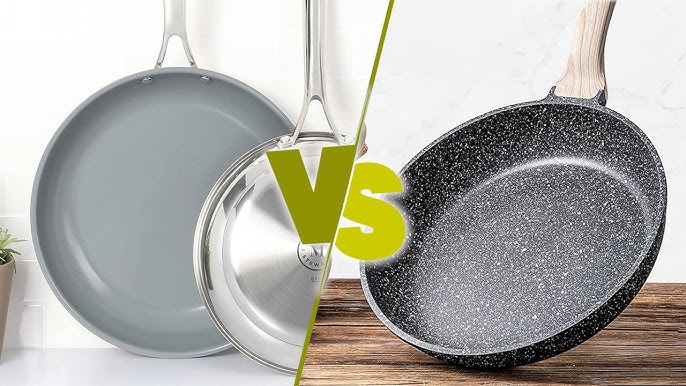
Credit: www.youtube.com
Environmental Impact
Choosing between granite and ceramic cookware involves understanding their environmental impact. The way these materials are made, reused, and disposed of affects the planet. This section explores how granite and ceramic cookware compare in terms of their environmental footprint. It breaks down the manufacturing process, recyclability, and sustainability factors for each type.
Manufacturing Process
The manufacturing of granite and ceramic cookware differs greatly. Each process uses raw materials and energy in unique ways, influencing the environment.
- Granite Cookware: Granite cookware usually consists of a metal base coated with a granite-like non-stick layer. The metal base often is aluminum or stainless steel.
- Ceramic Cookware: Ceramic cookware is made from natural clay mixed with minerals, then fired at high temperatures to form a hard, non-stick surface.
Energy Use and Emissions:
| Cookware Type | Energy Consumption | Emissions Released |
|---|---|---|
| Granite | Moderate energy to produce metal base and apply coating | Some VOCs from coating process |
| Ceramic | High energy for kiln firing | Minimal emissions, mostly from kiln fuel |
Granite cookware’s coating involves chemicals that may release volatile organic compounds (VOCs). Ceramic production uses natural materials but requires intense heat. Both processes consume resources, but ceramic tends to have fewer harmful emissions.
Recyclability
Recyclability matters in reducing waste and conserving resources. Granite and ceramic cookware have different recycling potentials.
- Granite Cookware: The metal base can be recycled easily. The granite-like coating, however, is hard to separate and may end up as landfill waste.
- Ceramic Cookware: Ceramics are brittle and cannot be melted down for recycling. They often break and are discarded.
Here is a simple comparison table:
| Cookware Type | Metal Base Recyclability | Coating/Recycled Material | Overall Recycling Potential |
|---|---|---|---|
| Granite | High – metal can be recycled | Low – coating is not recyclable | Medium |
| Ceramic | N/A – no metal base | None – ceramic not recyclable | Low |
Granite cookware offers better recycling options due to its metal parts. Ceramic cookware usually ends in waste because it cannot be reused or recycled easily.
Sustainability Factors
Sustainability includes the whole lifecycle: sourcing, production, use, and disposal. Both cookware types have benefits and challenges.
- Raw Material Sourcing: Granite coatings use synthetic materials; mining impacts the environment. Ceramic uses natural clay, often abundant and low impact.
- Durability and Lifespan: Granite cookware tends to last longer if cared for. Ceramic cookware can chip or crack more easily, reducing lifespan.
- Health and Safety: Ceramic coatings are free from harmful chemicals like PTFE and PFOA. Granite coatings sometimes contain these chemicals, raising concerns.
- Energy Efficiency in Use: Both types heat efficiently, but granite’s metal base may conduct heat faster, saving cooking time and energy.
Summary of Sustainability Factors:
- Ceramic uses natural materials but is fragile.
- Granite has longer life but uses synthetic coatings.
- Both need proper care to maximize lifespan and reduce waste.
- Choosing cookware with fewer harmful chemicals supports health and environment.
User Experience
Choosing between granite and ceramic cookware often depends on user experience. How cookware feels during daily use affects satisfaction. Factors like cleaning ease, weight, and appearance matter a lot. These details shape how pleasant cooking becomes. Understanding these aspects helps pick the best fit for your kitchen.
Ease Of Cleaning
Cleaning cookware can be a hassle or a joy. Granite cookware usually has a rougher surface than ceramic. This texture can trap food bits, making cleaning harder. Scrubbing gently with a soft sponge works best. Avoid abrasive cleaners to keep the surface intact.
Ceramic cookware features a smooth, non-stick coating. This makes washing easier and faster. Most food residues slide off easily after cooking. Warm soapy water and a soft cloth clean ceramic pans well.
| Aspect | Granite Cookware | Ceramic Cookware |
|---|---|---|
| Surface Texture | Rough, may trap food | Smooth, non-stick |
| Cleaning Method | Soft sponge, gentle scrubbing | Soft cloth or sponge, easy wipe |
| Dishwasher Safe | Usually no, hand wash preferred | Often yes, check brand instructions |
| Stain Resistance | Moderate, may discolor | High, resists stains well |
Ceramic cookware saves time cleaning. Granite requires more care but offers durability. Users who want quick cleanup favor ceramic.
Weight And Handling
Weight affects comfort when cooking. Granite cookware tends to be heavier due to thick construction. This weight helps even heat distribution but tires arms quickly.
Ceramic cookware is lighter and easier to lift. The thinner body makes it better for frequent stirring or flipping. Handle designs also impact handling ease.
- Granite handles: Usually sturdy but bulkier.
- Ceramic handles: Lightweight and often ergonomic.
| Feature | Granite Cookware | Ceramic Cookware |
|---|---|---|
| Average Weight | Heavier, 3-5 lbs per pan | Lighter, 1.5-3 lbs per pan |
| Heat Distribution | Excellent, holds heat well | Good, heats quickly |
| Ease of Handling | Requires more strength | Easy to manage |
| Handle Comfort | Sturdy but less ergonomic | Often designed for grip |
Ceramic cookware suits those preferring light tools. Granite works well for steady heat but needs care in handling.
Aesthetics And Design
Looks influence kitchen style and mood. Granite cookware often features a speckled, natural stone look. This adds a rustic or classic touch to the kitchen.
Ceramic cookware comes in many colors and smooth finishes. Its bright, clean appearance fits modern kitchens well.
- Granite: Earthy tones, textured surface.
- Ceramic: Glossy, vibrant color options.
Design details affect user delight:
- Shape: Both offer round and square pans.
- Handles: Some ceramic handles match the pan color.
- Lids: Granite lids often have metal knobs.
Choosing cookware that fits kitchen decor boosts joy in cooking. Ceramic pans brighten the room. Granite pans add warmth and texture.
Choosing Based On Cooking Style
Choosing the right cookware depends heavily on your cooking style. Both granite and ceramic cookware offer unique benefits that suit different ways of preparing food. Understanding which material works best for your common cooking methods can improve your kitchen experience. This section helps you decide based on how you cook, whether you need to handle high heat, prepare delicate dishes, or cook indoors or outdoors.
High-heat Cooking
High-heat cooking requires cookware that can handle strong temperatures without damage or warping. Granite cookware excels here because it often contains a durable base that tolerates high heat well. Ceramic cookware, on the other hand, may not always withstand extreme temperatures as effectively.
Why choose granite for high-heat cooking?
- Granite pans can handle temperatures up to 500°F or more.
- They distribute heat evenly, reducing hot spots.
- Granite coatings resist scratching and chipping under strong heat.
Ceramic cookware heats quickly but can be sensitive to sudden temperature changes. It is better for medium to low heat to avoid cracking or discoloration.
| Feature | Granite Cookware | Ceramic Cookware |
|---|---|---|
| Max Heat Tolerance | Up to 500°F (260°C) | Usually up to 450°F (232°C) |
| Heat Distribution | Excellent | Good |
| Resistance to Scratches | High | Moderate |
For searing steaks, stir-frying, or frying at high temperatures, granite cookware is often the safer choice.
Delicate Dishes
Cooking delicate dishes requires gentle heat and even cooking surfaces. Ceramic cookware suits this style well because it heats evenly and maintains consistent temperatures at low to medium heat.
Delicate foods include:
- Eggs and omelets
- Fish fillets
- Vegetables
- Sauces and custards
Benefits of ceramic cookware for delicate dishes:
- Non-stick surface reduces the need for excessive oil.
- Easy to clean after cooking sticky or soft foods.
- Prevents burning or sticking of fragile ingredients.
Granite cookware also works for delicate dishes but often requires a bit more oil due to its surface texture. Ceramic’s smooth coating helps keep delicate foods intact and prevents tearing.
In this case, ceramic cookware helps keep flavors pure and textures tender.
Outdoor Vs Indoor Use
Cooking outdoors often demands durability and heat resistance. Granite cookware is more suitable for outdoor cooking because of its toughness and ability to handle uneven heat sources such as grills or campfires.
Advantages of granite cookware outdoors:
- Resistant to chipping and cracking from rough handling.
- Handles open flames and hot coals better.
- Maintains heat well on grills or camp stoves.
Indoor cooking benefits from ceramic cookware’s ease of use and clean-up. Ceramic pans work well on electric or gas stoves and in ovens at moderate temperatures.
Indoor use points for ceramic cookware:
- Lightweight and easy to maneuver.
- Non-stick surface reduces mess and cleaning time.
- Safe for oven use up to moderate temperatures.
Here is a quick comparison:
| Use | Granite Cookware | Ceramic Cookware |
|---|---|---|
| Outdoor | Strong and heat-resistant | Less durable for rough conditions |
| Indoor | Durable but heavier | Light, easy to clean |
Choosing based on where you cook ensures your cookware lasts longer and performs better.
Frequently Asked Questions
Is Granite Cookware More Durable Than Ceramic?
Granite cookware is generally more durable due to its hard stone composition. Ceramic coatings can chip or wear over time. Granite resists scratches better, making it ideal for heavy use. However, both require careful handling to maintain longevity and performance.
Which Cookware Heats Food More Evenly, Granite Or Ceramic?
Granite cookware heats food more evenly because of its dense material. Ceramic heats quickly but may have hot spots. Even heating ensures better cooking results and prevents burning. Granite’s heat retention makes it suitable for slow cooking and simmering.
Are Granite Or Ceramic Cookware Safer For Health?
Both granite and ceramic cookware are safe when free of harmful chemicals. Granite often has non-toxic coatings, while ceramic is naturally non-stick and chemical-free. Avoid cookware with PTFE or PFOA for better health. Proper use ensures no toxic leaching into food.
Which Cookware Is Easier To Clean, Granite Or Ceramic?
Ceramic cookware is generally easier to clean due to its smooth, non-stick surface. Granite may require more gentle cleaning to avoid damaging the coating. Both types are often dishwasher safe, but hand washing extends their lifespan. Prompt cleaning prevents food residue buildup.
Conclusion
Granite and ceramic cookware each have their own strengths and weaknesses. Granite offers durability and even heat, while ceramic is lightweight and easy to clean. Choose based on your cooking style and care preferences. Both types can help you cook tasty meals at home.
Think about what matters most: weight, maintenance, or heat control. The right choice makes cooking more enjoyable and efficient. Simple and practical.

Hello, This is Annie Walker, a 38-year-old blogger, founder, and editor of Cookware Guider from NY, USA. I am a cookware fanatic and passionate cooker. I love to cook with different types of cooking appliances (example: all types of cookware, rice cookers, slow cookers, etc) almost every day in my kitchen. I love to share my experience with my readers in my blog. Also, I enjoy helping people to solve their problems through my website. You can follow me on Twitter & Pinterest. To know details about my blog please check the about us page.