
When you cook for yourself and your loved ones, the last thing you want is to worry about harmful chemicals in your cookware. You might have heard about HexClad cookware and wondered, “Is HexClad cookware non-toxic?”
This question is important because what touches your food affects your health. If you want to keep your kitchen safe and your meals healthy, understanding the materials and safety behind HexClad is a must. Keep reading to discover everything you need to know about HexClad’s safety and whether it belongs in your kitchen.
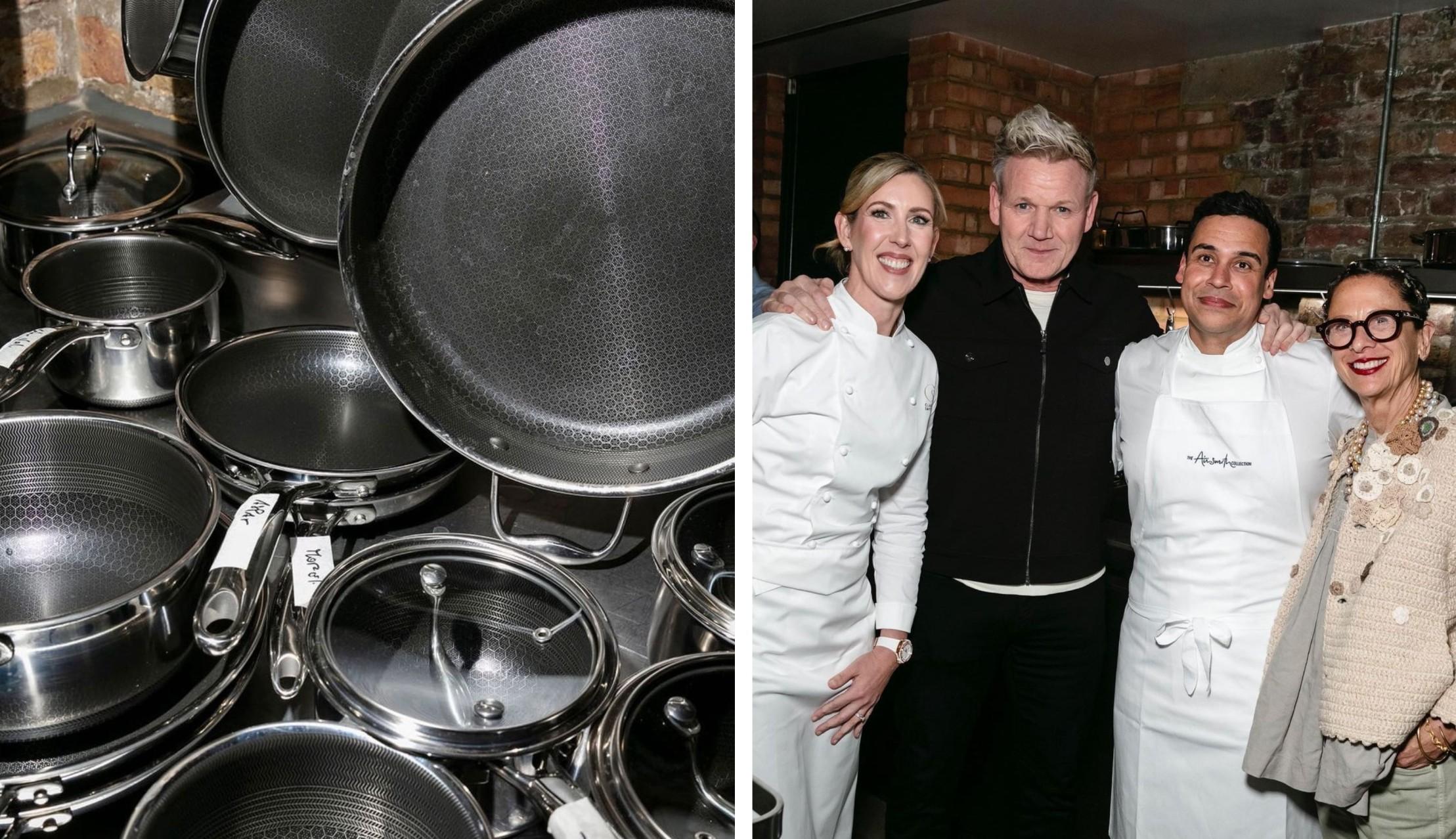
Credit: www.greenmatters.com
Hexclad Cookware Materials
HexClad cookware materials blend innovation with safety. Many cooks ask, Is HexClad cookware non toxic? To answer, we explore the materials used. HexClad uses a mix of metals and coatings designed for durability and safe cooking. Each part of the cookware plays a role in its performance and health safety. Understanding the composition helps you trust the product in your kitchen.
Stainless Steel Composition
HexClad cookware features a high-quality stainless steel base. This steel is known for its strength and resistance to rust. It is made mainly of iron, chromium, and nickel. These metals make the surface tough and safe for cooking.
- Chromium (18%): Adds corrosion resistance.
- Nickel (8-10%): Provides shine and durability.
- Iron: The main metal, forms the core.
The stainless steel layer is food-safe and does not leach harmful chemicals. It holds heat well, ensuring even cooking. This steel also withstands high temperatures without breaking down. The composition used in HexClad meets industry safety standards.
| Metal | Function | Percentage |
|---|---|---|
| Chromium | Rust and corrosion resistance | ~18% |
| Nickel | Durability and shine | 8-10% |
| Iron | Core metal | Balance |
In short, the stainless steel in HexClad is durable, safe, and non reactive. It creates a sturdy cooking surface that does not release toxins into food.
Nonstick Coating Details
HexClad cookware uses a unique nonstick coating. This coating is different from traditional Teflon or ceramic coatings. It is made without harmful chemicals like PFOA or PTFE, which can release toxins at high heat.
- The nonstick layer is a laser-etched stainless steel surface.
- This surface creates a smooth, easy-to-clean finish.
- No synthetic chemicals or polymers are used in the coating.
The design combines stainless steel with a thin nonstick layer for safe cooking. This coating does not peel or flake, reducing risk of ingestion. It also allows cooking with less oil, promoting healthier meals.
HexClad’s coating stands out because it:
- Is free of toxic chemicals.
- Maintains nonstick properties over time.
- Is safe for use at high temperatures.
This makes HexClad a great option for cooks who want non toxic, durable cookware. The coating holds up during daily use without harming food or health.
Hexagonal Pattern Purpose
The hexagonal pattern on HexClad cookware is more than just a design. It serves a key role in performance and safety. This pattern is created by laser etching the surface, mixing stainless steel peaks with nonstick valleys.
- The pattern provides a hybrid cooking surface that combines metal with nonstick.
- It allows food to contact stainless steel areas for searing and browning.
- Nonstick valleys prevent sticking and make cleaning easier.
This hybrid surface reduces the need for chemical nonstick coatings alone. The hexagonal design also improves heat distribution. Food cooks evenly, reducing burnt spots and sticking.
| Feature | Benefit |
|---|---|
| Stainless steel peaks | Good searing and durability |
| Nonstick valleys | Easy food release and cleaning |
| Hexagonal shape | Even heat and less sticking |
This pattern creates a safe cooking surface that is both strong and easy to use. It helps keep the cookware non toxic by reducing reliance on synthetic coatings. The design is a smart balance of safety, function, and durability.
Safety Standards And Certifications
Understanding the safety standards and certifications of Hex Clad cookware is essential for anyone concerned about non-toxic kitchen tools. These standards ensure the cookware meets strict health and environmental guidelines. They also confirm the product is safe to use daily. Hex Clad’s commitment to safety comes from following important regulatory requirements and industry best practices. This section breaks down how Hex Clad measures up in terms of federal compliance and harmful chemical presence. Clear knowledge about these factors helps you make a smart choice for your home and family.
Fda And Epa Compliance
Hex Clad cookware meets key FDA (Food and Drug Administration) and EPA (Environmental Protection Agency) regulations. These agencies set rules to protect consumers from harmful substances in food-contact products.
The FDA focuses on materials that touch food. Hex Clad uses stainless steel and non-toxic coatings that comply with FDA standards. This means the cookware does not release harmful chemicals into food during cooking.
The EPA regulates environmental safety and chemical use. Hex Clad avoids using substances banned or restricted by the EPA. This reduces the risk of pollution and health hazards.
- FDA approval ensures materials are safe for cooking.
- EPA compliance confirms no harmful environmental impact.
- Hex Clad’s manufacturing process follows strict safety protocols.
| Agency | Focus Area | Hex Clad Compliance |
|---|---|---|
| FDA | Food Contact Safety | Fully Compliant with Stainless Steel and Coatings |
| EPA | Chemical & Environmental Safety | Meets Restrictions, No Harmful Chemicals Used |
This compliance guarantees Hex Clad cookware is safe for everyday cooking without health risks.
Pfoa And Ptfe Status
Hex Clad cookware is free from PFOA (Perfluorooctanoic Acid) and uses very little PTFE (Polytetrafluoroethylene) in its non-stick coating. Both chemicals have raised health concerns in many cookware brands.
PFOA is a synthetic chemical once common in non-stick coatings. It can cause harmful effects if ingested over time. Hex Clad eliminated PFOA from its manufacturing process, making the cookware safer.
PTFE provides non-stick properties but can release toxic fumes at very high temperatures. Hex Clad’s design uses a thin layer of PTFE combined with stainless steel, reducing risk of overheating.
- No PFOA: Safer for health and environment.
- Minimal PTFE: Used carefully to avoid toxic fumes.
- Durable non-stick surface: Lasts longer without damage.
| Chemical | Status in Hex Clad | Health Impact |
|---|---|---|
| PFOA | Not Used | Potentially Harmful if Present |
| PTFE | Used in Thin Layer | Safe Below High Temperatures |
This careful use of chemicals supports Hex Clad’s non-toxic claim and food safety.
Heavy Metal Concerns
Heavy metals like lead, cadmium, and arsenic can be dangerous in cookware. Hex Clad uses high-quality stainless steel that does not contain harmful heavy metals. This helps prevent metal leaching into food.
Testing confirms Hex Clad cookware meets safety limits for heavy metals. The company avoids cheap materials that might contain toxic metals.
Key points about heavy metals in Hex Clad cookware:
- No lead or cadmium: Certified safe for cooking.
- Stainless steel base: Resistant to corrosion and metal leaching.
- Regular product testing: Ensures ongoing safety.
| Heavy Metal | Hex Clad Status | Safety Notes |
|---|---|---|
| Lead | Not Present | Below FDA Safety Levels |
| Cadmium | Not Present | Safe for Food Use |
| Arsenic | Not Present | No Health Risk |
Hex Clad’s focus on heavy metal safety protects users from long-term health risks.
Health Impacts Of Hexclad Cookware
Choosing cookware affects health. HexClad cookware blends stainless steel and non-stick surfaces. Understanding its health impacts helps buyers decide. This section explains if HexClad cookware is safe and non-toxic. It covers chemical exposure, heat resistance, and allergy concerns.
Potential Chemical Exposure
HexClad cookware uses a unique hybrid design with stainless steel and a non-stick layer. The non-stick coating is made without harmful chemicals like PFOA and PTFE. These chemicals are often linked to health risks in traditional non-stick pans.
Key points about chemical safety:
- The non-stick surface in HexClad is free from PFOA, a chemical banned in many countries.
- PTFE is present but stable and does not release toxic fumes below 500°F (260°C).
- Stainless steel layers add durability and reduce the chance of chemical leaching.
Here is a simple comparison of common cookware chemicals:
| Chemical | Presence in HexClad | Health Concern | Notes |
|---|---|---|---|
| PFOA | None | Linked to cancer and hormone disruption | HexClad does not use this chemical |
| PTFE | Present | Can release fumes at very high heat | Safe under normal cooking temperatures |
| Stainless Steel | Present | Generally safe | Does not release harmful chemicals when intact |
Cooking at recommended temperatures keeps HexClad safe. Avoid overheating to prevent chemical breakdown. Overall, HexClad offers a non-toxic cooking surface with minimal risk of harmful chemical exposure.
Heat Resistance And Stability
HexClad cookware is designed to handle high heat without damage. Its hybrid material improves heat distribution and stability. This makes it safe for various cooking methods, including searing and frying.
Benefits of HexClad’s heat resistance:
- Can withstand oven temperatures up to 500°F (260°C)
- Resists warping and damage from quick temperature changes
- Maintains non-stick properties even after repeated use
The stainless steel component adds strength and prevents common problems like scratching and peeling. The non-stick layer is reinforced with a laser-etched hexagonal pattern. This design helps the coating last longer and stay intact.
Heat stability also reduces risks of toxic fumes. Some non-stick pans release fumes if overheated. HexClad’s materials remain stable at high cooking temperatures, lowering this risk.
Heat Resistance Summary Table:
| Feature | HexClad Cookware | Typical Non-Stick Pan |
|---|---|---|
| Max Oven Temperature | 500°F (260°C) | 350-400°F (175-205°C) |
| Warp Resistance | High | Moderate to Low |
| Non-Stick Longevity | Long-lasting | Shorter lifespan |
This heat resistance makes HexClad safe for most cooking styles without health concerns related to overheating or coating breakdown.
Allergy And Sensitivity Considerations
People with metal allergies or sensitivities should consider HexClad’s materials carefully. The cookware contains stainless steel, which has nickel and chromium. These metals can cause reactions in some individuals.
Important allergy factors:
- Stainless steel contains low levels of nickel; possible allergen for sensitive skin
- Non-stick surface limits direct contact with metals during cooking
- HexClad’s design reduces metal exposure compared to fully stainless steel pans
For most users, HexClad does not cause allergy symptoms during cooking. The food mostly touches the non-stick surface. People with severe nickel allergies should test cautiously or consult a doctor.
HexClad is free from latex and other common allergens. It is safe for kitchens with allergy concerns unrelated to metals.
Quick Allergy Advice:
- Check metal sensitivity before buying.
- Use non-stick side to minimize metal contact.
- Replace cookware if skin irritation occurs after use.
This cookware suits most users but requires care for metal allergy sufferers. Awareness helps prevent health issues linked to allergies.
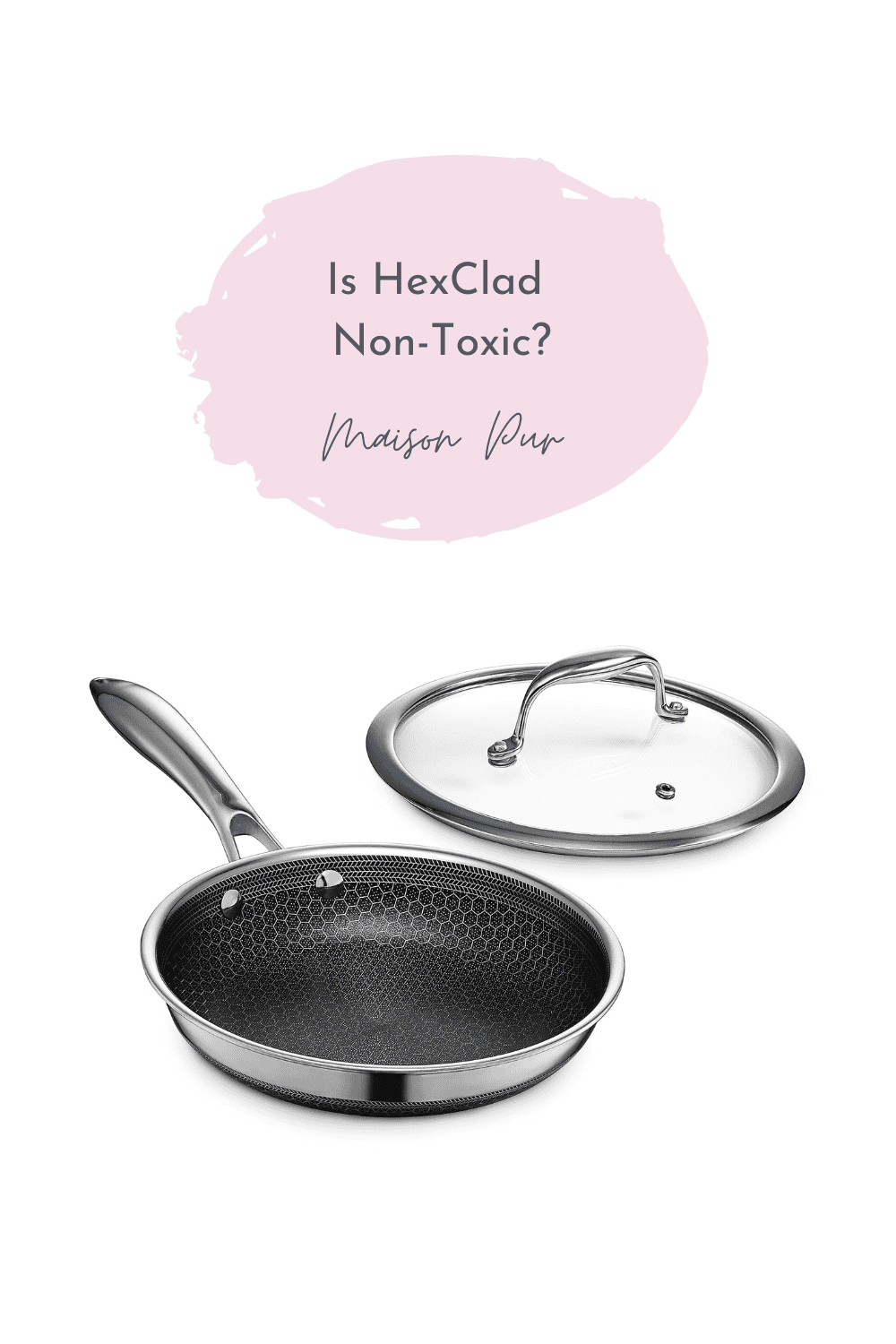
Credit: maisonpur.com
Comparing Hexclad To Other Cookware
Choosing cookware involves more than just looks and price. Safety and health impact matter a lot. HexClad cookware is popular for its hybrid design, promising a non-toxic cooking experience. Comparing HexClad to other cookware types helps understand its benefits and drawbacks clearly. This comparison covers traditional nonstick pans, cast iron, and ceramic options. It also looks at how durable and long-lasting HexClad pans are.
Traditional Nonstick Vs Hexclad
Traditional nonstick cookware usually has a coating made from PTFE or similar materials. These coatings make cooking and cleaning easier. But, they can release harmful chemicals if heated too high. HexClad uses a unique stainless steel and nonstick hybrid surface.
- Traditional nonstick: Easy to clean, but can scratch and lose coating.
- HexClad: Combines stainless steel’s strength with nonstick convenience.
HexClad’s surface has a laser-etched hexagon pattern. This design protects the nonstick layer under steel peaks. It reduces the risk of chemicals leaching into food. Traditional nonstick coatings often wear off faster and may contain PFOA or PFAS in older models.
| Feature | Traditional Nonstick | HexClad |
|---|---|---|
| Non-toxic | May release toxins at high heat | Safe up to high temperatures |
| Scratch resistance | Low | High due to stainless steel layer |
| Ease of cleaning | Very easy | Easy but requires care |
| Cooking surface | Fully nonstick coating | Hybrid steel and nonstick |
HexClad cookware offers a safer, more durable alternative to traditional nonstick pans. It suits cooks wanting a non-toxic option with less wear and tear.
Cast Iron And Ceramic Alternatives
Cast iron and ceramic pans are popular for their natural cooking properties. Both are considered non-toxic choices. Cast iron heats evenly and adds iron to food, which some people find healthy.
- Cast iron: Very durable, needs seasoning, can rust.
- Ceramic: Naturally nonstick, chemical-free, but less durable.
HexClad offers benefits of both worlds:
- It heats quickly like stainless steel but has a nonstick surface.
- It does not require seasoning like cast iron.
- It is more resistant to chipping than ceramic.
Here’s a quick look:
| Cookware Type | Non-toxic | Maintenance | Weight |
|---|---|---|---|
| Cast Iron | Yes | Seasoning needed | Heavy |
| Ceramic | Yes | Gentle cleaning | Light to medium |
| HexClad | Yes | Hand wash recommended | Medium |
HexClad combines easy care with a safe cooking surface. It avoids the rust and heavy weight of cast iron and the fragility of ceramic.
Durability And Longevity
Durability matters for cookware. Buying pans that last saves money and reduces waste. HexClad stands out with its stainless steel and nonstick hybrid design.
The steel peaks protect the nonstick layer from scratches and wear. This means the pan stays effective longer than regular nonstick cookware.
- HexClad pans resist metal utensils better than traditional nonstick.
- They withstand higher heat without damage.
- They do not chip or peel easily.
Cast iron can last a lifetime but requires care to avoid rust. Ceramic pans often lose their coating within a few years.
HexClad offers a middle ground:
- Longer lifespan than typical nonstick.
- Less maintenance than cast iron.
- Strong resistance to scratches and heat.
Overall, HexClad cookware delivers lasting performance and safety. It supports healthy cooking without frequent replacement.
User Experiences And Reviews
Many users have shared their experiences with Hex Clad cookware to assess its safety and non-toxicity. Reviews provide valuable insights into how this cookware performs in real kitchens. Users often mention how the materials and design affect cooking and health. This section highlights common praises, reported issues, and feedback from long-term users. Such information helps understand if Hex Clad cookware truly is a safe choice for everyday cooking.
Common Praise
Users frequently commend Hex Clad cookware for its non-stick surface that requires little or no oil. This feature appeals to health-conscious cooks aiming to reduce fat intake. Many appreciate the stainless steel and ceramic hybrid design, which feels sturdy and safe. The cookware is often described as easy to clean, saving time and effort in the kitchen.
- Non-toxic materials: Users report no plastic or harmful chemicals.
- Durable build: The cookware resists scratches and dents.
- Efficient heat distribution: Food cooks evenly, avoiding burnt spots.
- Compatibility: Works well on gas, electric, and induction stoves.
| Feature | User Rating (out of 5) | Comments |
|---|---|---|
| Non-Toxic Surface | 4.7 | Feels safe and chemical-free while cooking |
| Durability | 4.5 | Handles heavy use without damage |
| Ease of Cleaning | 4.6 | Food doesn’t stick, cleans easily |
| Heat Distribution | 4.4 | Even cooking, no hot spots |
Reported Issues
Some users mention concerns about the cookware’s price and weight. Hex Clad pans tend to be heavier than standard non-stick pans. This can be uncomfortable for some, especially during long cooking sessions. A few users report that the cookware requires special care to maintain its surface. Harsh scrubbing or metal utensils may damage the finish.
- Weight: Heavier than typical pans, which might tire some cooks.
- Price: Higher cost compared to other non-toxic cookware.
- Surface care: Needs gentle cleaning to avoid scratches.
- Initial seasoning: Some users find a break-in period necessary.
In rare cases, users noticed minor peeling or discoloration after intense use. This may affect the cookware’s non-toxic claims if the surface degrades. Users recommend following manufacturer guidelines strictly to avoid such problems.
Long-term Usage Feedback
Long-term users generally confirm the cookware remains safe and functional after months or years. Most report no harmful effects or chemical smells. The hybrid design holds up well under frequent use. Many appreciate that Hex Clad pans maintain their non-stick quality without toxic coatings wearing off. Some users mention that the cookware’s performance improves with regular seasoning.
Here is a summary of long-term feedback:
- Durability: Stays in good shape after regular use.
- Non-toxicity: No signs of harmful substances leaching.
- Cooking quality: Consistently even heat and easy food release.
- Maintenance: Requires occasional seasoning for best results.
Few users noted slight wear on the surface but no safety issues. Overall, the cookware remains a trusted option for those seeking non-toxic, high-quality kitchen tools.
Maintenance And Care Tips
Hex Clad cookware is known for its durability and non-toxic materials, making it a popular choice for health-conscious cooks. Proper maintenance and care keep the cookware safe and efficient for years. Following simple steps helps maintain its non-toxic qualities and performance. This section covers essential tips to clean, protect, and extend the life of Hex Clad cookware.
Cleaning Recommendations
Cleaning Hex Clad cookware correctly keeps it free from harmful residues and maintains its non-toxic nature. Use warm water and mild dish soap to clean after each use. Avoid harsh chemicals or abrasive scrubbers that can damage the surface.
- Hand wash with a soft sponge or cloth.
- For stuck-on food, soak in warm, soapy water for 10-15 minutes.
- Use a non-abrasive cleaner or baking soda paste for tough stains.
- Rinse thoroughly to remove soap residue.
- Dry immediately with a soft towel to prevent water spots.
Dishwashers may cause discoloration or weaken the cookware’s coating over time. Hand washing extends the cookware’s life and keeps it non-toxic. Below is a quick guide for cleaning Hex Clad cookware:
| Cleaning Step | Do | Don’t |
|---|---|---|
| Daily Cleaning | Use mild soap and soft sponge | Use steel wool or harsh scrubbers |
| Stubborn Residue | Soak and use baking soda paste | Scrape with metal utensils |
| Drying | Dry immediately with cloth | Leave wet to air dry |
Avoiding Damage
Protecting Hex Clad cookware from damage preserves its non-toxic coating and cooking performance. Avoid metal utensils that can scratch the surface. Use wooden, silicone, or plastic tools instead.
Do not use high heat settings. Hex Clad heats quickly and retains heat well. Too much heat can warp or discolor the cookware.
- Never slide cookware on rough surfaces.
- Do not stack cookware without protection between pans.
- Avoid sudden temperature changes to prevent warping.
- Store cookware in a dry place away from moisture.
Following these simple rules keeps the cookware safe and non-toxic for cooking. The table below lists common causes of damage and how to prevent them:
| Cause of Damage | Prevention |
|---|---|
| Scratches from metal utensils | Use wooden or silicone tools |
| Warping from high heat | Cook on medium or low heat |
| Discoloration from dishwasher | Hand wash only |
| Rust from moisture | Dry thoroughly after washing |
Extending Cookware Lifespan
Regular care extends the life of Hex Clad cookware and preserves its non-toxic quality. Store cookware properly to avoid damage. Use pan protectors or cloth between stacked pans to prevent scratches.
Seasoning the pan occasionally helps maintain its non-stick properties. Apply a thin layer of cooking oil and heat the pan gently for a few minutes. This step is especially useful for cast iron elements in Hex Clad pans.
- Clean and dry the pan thoroughly.
- Apply a small amount of vegetable oil on the cooking surface.
- Heat on low for 5 minutes, then cool and wipe excess oil.
Store cookware in a dry, cool place. Avoid putting heavy items on top to prevent warping. Use the cookware regularly to keep it in good condition.
Below is a checklist for maintaining Hex Clad cookware lifespan:
- Clean after every use with gentle methods.
- Use appropriate utensils to avoid scratches.
- Season the pan periodically to maintain non-stick surface.
- Store properly with protection between pans.
- Avoid extreme temperature changes.

Credit: www.amazon.com
Frequently Asked Questions
Is Hex Clad Cookware Safe For Health?
Hex Clad cookware is made with non-toxic materials. It contains no harmful chemicals like PFOA or PTFE. This makes it safe for everyday cooking and prevents toxins from leaching into food.
Does Hex Clad Cookware Contain Harmful Chemicals?
No, Hex Clad cookware is free from harmful chemicals. It uses a stainless steel and ceramic non-stick surface that avoids toxic substances. This ensures safe cooking without releasing dangerous fumes.
Can Hex Clad Cookware Cause Chemical Leaching?
Hex Clad cookware does not cause chemical leaching. Its patented design uses stainless steel and ceramic layers that are stable under heat. This prevents any toxic materials from contaminating your food.
Is Hex Clad Better Than Traditional Non-stick Pans?
Yes, Hex Clad is a safer alternative to traditional non-stick pans. It avoids toxic coatings and offers durable, non-toxic cooking surfaces. It combines stainless steel strength with ceramic non-stick benefits.
Conclusion
Hex Clad cookware offers a strong, safe option for your kitchen. Its materials do not release harmful chemicals during cooking. The design helps food cook evenly without sticking. Cleaning is easy, so you use less soap and water. Many users find it durable and reliable over time.
Choosing cookware without toxins matters for your health. Hex Clad fits well if you want a non-toxic choice. Trust your cooking to a pan that cares for your family. Safe cooking starts with the right tools.

Hello, This is Annie Walker, a 38-year-old blogger, founder, and editor of Cookware Guider from NY, USA. I am a cookware fanatic and passionate cooker. I love to cook with different types of cooking appliances (example: all types of cookware, rice cookers, slow cookers, etc) almost every day in my kitchen. I love to share my experience with my readers in my blog. Also, I enjoy helping people to solve their problems through my website. You can follow me on Twitter & Pinterest. To know details about my blog please check the about us page.