
Are you wondering if ceramic cookware is truly safe for your kitchen? You want to cook healthy meals without worrying about harmful chemicals or toxins sneaking into your food.
But with so many options out there, it’s hard to know what’s best for you and your family. This article will clear up the confusion and give you the facts about ceramic cookware safety. By the end, you’ll feel confident about whether ceramic pots and pans belong in your home.
Keep reading to discover what you need to know before your next cooking adventure.
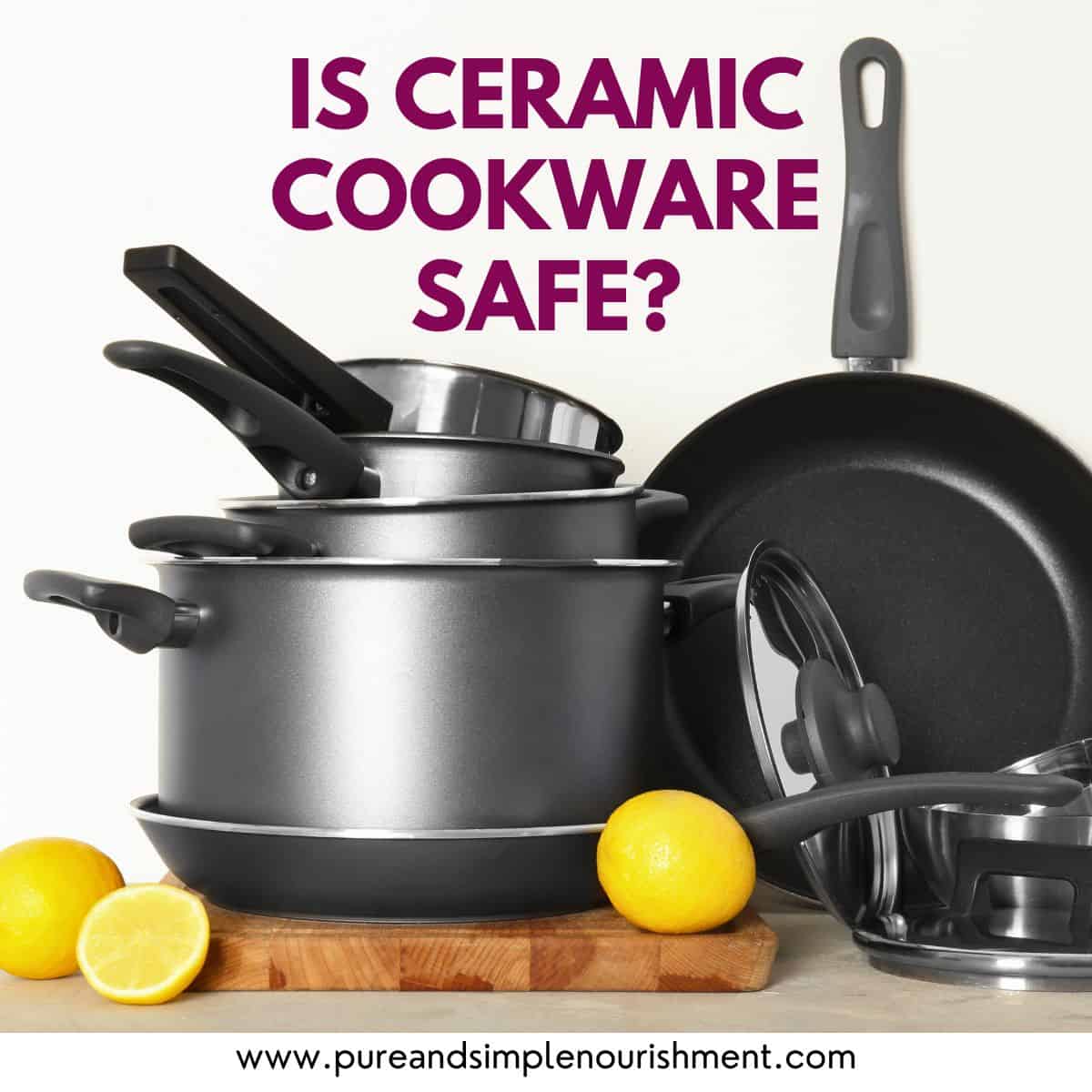
Credit: www.pureandsimplenourishment.com
Ceramic Cookware Basics
Ceramic cookware has grown in popularity for its clean look and non-stick properties. It offers an alternative to traditional metal pans and often claims to be safer and healthier. Understanding the basics of ceramic cookware helps to decide if it fits your kitchen and cooking style. This section breaks down the key facts about ceramic cookware, focusing on its types and the materials used in making it.
Types Of Ceramic Cookware
Ceramic cookware comes in several forms. Each type has unique features and uses. Knowing these types helps choose the right cookware for your needs.
- 100% Ceramic Cookware: Made entirely from natural clay and baked at high temperatures. It is fully ceramic with no metal parts. These are durable but can be fragile if dropped.
- Ceramic-Coated Cookware: Metal cookware coated with a ceramic layer. The base is usually aluminum or stainless steel, and the ceramic coating provides a non-stick surface.
- Hybrid Ceramic Cookware: Combines ceramic coating with other materials for better heat distribution and durability.
Each type offers different benefits:
| Type | Durability | Heat Conductivity | Non-Stick Quality | Care Needed |
|---|---|---|---|---|
| 100% Ceramic | Medium | Low | Good | Gentle cleaning |
| Ceramic-Coated | High | High | Very Good | Avoid metal tools |
| Hybrid Ceramic | High | Very High | Excellent | Follow manufacturer instructions |
Choosing the right ceramic cookware depends on your cooking habits and how much care you can give to your pans.
Materials Used
Ceramic cookware materials affect safety, durability, and cooking performance. These materials vary between 100% ceramic and ceramic-coated types.
For 100% ceramic cookware:
- Natural Clay: The base material, shaped and hardened by high heat.
- Mineral Glaze: A glassy coating that makes the surface smooth and non-porous.
This type has no metals or chemicals, which many find safer for cooking. It also resists scratching and staining but can chip or crack if dropped.
For ceramic-coated cookware:
- Aluminum or Stainless Steel Base: Metal core for even heat distribution and strength.
- Ceramic Non-Stick Coating: Made from silica-based substances, this coating provides a non-stick surface without PTFE or PFOA chemicals.
The ceramic coating is free from harmful chemicals found in some traditional non-stick pans. It is safe for cooking but can wear out faster than pure ceramic surfaces. Proper care avoids scratches and extends life.
| Material | Source | Benefits | Considerations |
|---|---|---|---|
| Natural Clay | Earth | Non-toxic, heat resistant | Fragile, heavy |
| Mineral Glaze | Natural minerals | Non-porous, smooth surface | Can chip |
| Aluminum Base | Metal | Lightweight, good heat conduction | Not induction compatible alone |
| Stainless Steel Base | Metal | Durable, induction compatible | Heavier, costlier |
| Ceramic Coating | Silica-based | Non-stick, chemical-free | Prone to wear |
Understanding these materials helps ensure safer cooking and proper care of ceramic cookware.
Health And Safety Factors
Ceramic cookware is popular for its sleek look and cooking performance. Many wonder about its safety, especially about health and safety factors. Understanding these factors helps in choosing cookware that does not harm health. This section covers key points about chemical leaching and the non-toxic nature of ceramic cookware.
Chemical Leaching Risks
Chemical leaching happens when harmful substances from cookware enter food during cooking. Some cookware may release metals or chemicals at high heat. Ceramic cookware usually has a glaze that acts as a barrier. This glaze reduces the chance of chemicals mixing with food.
Yet, not all ceramic cookware is equal. Poor-quality ceramics may contain lead or cadmium in their glaze. These metals are toxic and can cause health problems if they leach into food.
Factors that affect chemical leaching include:
- Type of glaze used
- Quality and certification of the cookware
- Cooking temperature
- Wear and tear of the ceramic surface
Table: Common Chemicals in Ceramic Glazes and Their Risks
| Chemical | Source | Health Risk |
|---|---|---|
| Lead | Low-quality glaze | Kidney damage, neurological issues |
| Cadmium | Old or cheap ceramics | Lung and kidney problems |
| Arsenic | Some traditional glazes | Cancer risk, skin irritation |
Choosing certified ceramic cookware helps avoid these risks. Safe ceramics meet strict regulations limiting toxic metals. Always check for certification marks like FDA or EU food safety standards.
Non-toxic Properties
Ceramic cookware is often praised for its non-toxic qualities. It does not contain harmful chemicals like PTFE or PFOA, found in some non-stick pans. This makes ceramic a safer option for daily cooking.
Key benefits of ceramic cookware’s non-toxic nature:
- No harmful fumes: Ceramic does not release toxic gases even at high heat.
- Safe for all diets: It does not react with acidic or alkaline foods, keeping food pure.
- Natural materials: Made from clay and natural minerals, it is eco-friendly.
- Durability: Properly cared for, it does not chip or crack easily, preventing exposure to raw materials.
Many ceramic cookware brands highlight their non-toxic features. Look for labels such as:
- Free from PTFE and PFOA
- Lead-free glaze
- BPA-free components (if any plastic parts exist)
Using ceramic cookware supports a healthier kitchen environment. It reduces risks of chemical exposure and keeps cooking safer for families.
Cooking Performance
Ceramic cookware is popular for its clean look and health-friendly appeal. Many wonder about its cooking performance and safety. Cooking performance matters a lot because it affects how evenly food cooks and how long the cookware lasts. Ceramic pots and pans offer unique benefits that make cooking easier and safer. Understanding these benefits helps in choosing the right cookware for daily use.
Heat Distribution
Ceramic cookware usually heats up evenly. This means food cooks at a steady pace without hot spots. Hot spots can burn food or leave it undercooked in some areas. Ceramic’s smooth surface spreads heat well across the pan or pot.
Benefits of ceramic cookware heat distribution:
- Even cooking: Food cooks uniformly, so you get better taste and texture.
- Energy efficient: Less heat loss means you use less stove energy.
- Temperature control: Ceramic holds heat well, giving you time to adjust cooking temperature.
Here is a simple comparison of heat distribution among common cookware types:
| Cookware Type | Heat Distribution | Heat Retention |
|---|---|---|
| Ceramic | Good, even heat spread | Moderate, holds heat fairly well |
| Cast Iron | Moderate, some hot spots | Excellent, stays hot long |
| Stainless Steel | Poor, uneven heat | Low, cools quickly |
Choosing ceramic cookware helps avoid burnt or unevenly cooked meals. It works well for frying, simmering, and baking. The smooth ceramic surface also prevents food from sticking easily, improving the cooking experience.
Durability And Scratch Resistance
Ceramic cookware is quite durable but requires care. The ceramic coating resists scratches better than traditional non-stick surfaces. Still, sharp metal tools can damage it. Using wooden or silicone utensils is best to keep the surface intact.
Important points about ceramic cookware durability:
- Scratch resistance: Ceramic coatings are harder than typical non-stick layers.
- Care tips: Avoid metal tools and harsh cleaning pads.
- Heat tolerance: Ceramic can handle high heat but sudden temperature changes may cause cracks.
- Longevity: Proper use can keep ceramic cookware in good shape for years.
Here is a quick guide to protect ceramic cookware:
- Use low to medium heat settings.
- Clean with soft sponges and mild soap.
- Do not stack heavy pots on top of ceramic pans.
- Store cookware carefully to avoid chips.
With proper care, ceramic cookware stays strong and scratch-free. It offers a safe cooking surface without harmful chemicals. This durability makes ceramic a reliable choice for everyday cooking tasks.
Credit: www.youtube.com
Maintenance Tips
Proper maintenance of ceramic cookware keeps it safe and effective for cooking. Taking care of your ceramic pots and pans prevents damage and extends their life. Simple habits and cleaning methods protect the cookware’s surface and ensure safe cooking every time.
Cleaning Methods
Cleaning ceramic cookware requires gentle care to avoid scratches and preserve the non-stick surface. Use warm water and mild dish soap for daily cleaning. Avoid harsh chemicals or abrasive scrubbers that can wear down the ceramic coating.
- Let the cookware cool before washing to prevent cracking.
- Use a soft sponge or cloth instead of steel wool or rough brushes.
- For stuck-on food, soak the pan in warm soapy water for 10-15 minutes.
- Use baking soda paste (baking soda + water) to gently scrub tough stains.
Avoid dishwasher use unless the manufacturer states it is safe. High dishwasher heat may damage the ceramic surface over time. Hand washing ensures better control and care.
| Cleaning Method | Recommended Use | Not Recommended |
|---|---|---|
| Warm Water + Mild Soap | Daily cleaning | None |
| Soaking | Stuck-on food removal | Prolonged soaking (over 1 hour) |
| Baking Soda Paste | Stain removal | Heavy scrubbing with abrasive tools |
| Dishwasher | Check manufacturer instructions | Frequent use |
Avoiding Damage
Ceramic cookware is durable but requires careful handling. Avoid sudden temperature changes to prevent cracks. For example, do not place a hot pan into cold water. This thermal shock can damage the ceramic coating.
Use wooden, silicone, or plastic utensils to protect the cookware surface. Metal tools can scratch and wear down the ceramic layer.
- Do not use high heat settings; medium or low heat is best.
- Store pans carefully to avoid chipping the edges or surfaces.
- Avoid stacking heavy items on top of ceramic cookware.
- Preheat pans slowly to allow even heat distribution.
Follow this simple checklist to avoid damage:
- Cool cookware before cleaning or storing.
- Use non-metal utensils only.
- Cook on medium or low heat.
- Do not stack heavy cookware on ceramic pans.
- Handle with care to avoid drops or knocks.
Comparing With Other Cookware
Choosing the right cookware affects your health and cooking results. Ceramic cookware has gained popularity for its safety and eco-friendliness. Comparing ceramic with other common types helps understand its benefits and drawbacks. This section compares ceramic cookware with nonstick and stainless steel options, focusing on safety, durability, and cooking performance.
Ceramic Vs. Nonstick
Ceramic cookware uses a natural, inorganic coating that is free from harmful chemicals like PFOA and PTFE. This makes it a safer choice for people concerned about toxins released at high heat. Nonstick pans often contain synthetic coatings that can degrade and release fumes when overheated.
Key differences:
- Safety: Ceramic coatings are generally free from toxic chemicals. Nonstick coatings may emit harmful gases if overheated above 500°F (260°C).
- Durability: Ceramic coatings can chip or wear faster than some nonstick coatings but do not peel off.
- Cooking: Ceramic offers good heat distribution but may require more oil than nonstick pans.
- Cleaning: Both are easy to clean, but ceramic can sometimes need gentle scrubbing if food sticks.
| Feature | Ceramic Cookware | Nonstick Cookware |
|---|---|---|
| Coating Material | Natural ceramic | PTFE or PFOA-based synthetic |
| Heat Resistance | Safe up to 450°F – 500°F | Safe up to 500°F, but toxic fumes if overheated |
| Durability | Moderate, can chip | Good, but can peel over time |
| Cleaning | Easy, may need gentle scrubbing | Very easy, food rarely sticks |
Summary: Ceramic cookware is safer and eco-friendlier but might need more care. Nonstick pans offer convenience but carry risks at high heat.
Ceramic Vs. Stainless Steel
Stainless steel cookware is known for its strength and long life. It does not have a coating, so no risk of peeling or chipping. However, stainless steel can cause food to stick without enough oil or proper cooking technique.
Differences in safety and use:
- Safety: Both ceramic and stainless steel are safe and free from harmful coatings.
- Heat Conductivity: Ceramic heats evenly but slower. Stainless steel heats quickly but may have hot spots.
- Durability: Stainless steel is very durable and resists dents and scratches better than ceramic.
- Maintenance: Ceramic is easier to clean when non-stick quality is good. Stainless steel may need more scrubbing and special cleaners.
| Feature | Ceramic Cookware | Stainless Steel Cookware |
|---|---|---|
| Material | Aluminum or metal base with ceramic coating | Alloy of iron, chromium, nickel |
| Heat Distribution | Even, gentle heating | Fast, can have hot spots |
| Durability | Moderate, coating can wear | Very high, resists damage |
| Cleaning | Easy if used well | Requires effort, may discolor |
Summary: Stainless steel lasts longer and resists damage but needs skill to avoid sticking. Ceramic is easier to clean and safer at moderate heat.
:strip_icc()/Stocksy_txp6df66a89OY1300_Medium_2702210-b63ac899180a4d9a8b383ffee5d14770.jpg)
Credit: www.mydomaine.com
Expert Opinions
Expert opinions offer clear insights into the safety of cooking with ceramic cookware. Many specialists have studied its materials, heat resistance, and possible health risks. Their findings help consumers make informed choices about ceramic pots and pans. Safety is a key concern for everyone who cooks daily. Experts focus on toxicology and user feedback to provide balanced views. This section breaks down those expert insights into two parts: toxicology studies and consumer reviews.
Toxicology Studies
Scientists and health organizations have conducted toxicology studies to check if ceramic cookware releases harmful substances. Most ceramics are made from natural clay fired at high temperatures. This firing process creates a hard, non-porous surface that resists leaching chemicals.
Key findings from these studies include:
- No heavy metals: Properly made ceramic cookware does not release lead, cadmium, or other dangerous metals.
- Non-reactive surface: The smooth glaze prevents food from reacting with the cookware.
- Heat resistance: Ceramic can handle high cooking temperatures without breaking down.
- Safe coatings: Many ceramic coatings are free from PTFE and PFOA, chemicals found in some non-stick pans.
Here is a simple table summarizing typical toxicology results:
| Test Aspect | Result | Health Implication |
|---|---|---|
| Lead leaching | Below safety limits | No risk when used properly |
| Cadmium leaching | Non-detectable | Safe for cooking |
| PTFE/PFOA presence | Absent in ceramic coatings | Lower chemical risk |
| Heat stability | Up to 450°C (842°F) | Safe for most cooking methods |
Follow manufacturer instructions. Overheating or scratching the surface can affect safety. Studies confirm that ceramic cookware is safe if used correctly and comes from trusted brands.
Consumer Reviews
Consumers share real-world experiences that add depth to expert findings. Many users praise ceramic cookware for its non-stick properties and easy cleaning. They also report better taste preservation and even cooking.
Common positive points from reviews include:
- Food does not stick easily.
- Cookware heats evenly.
- Safe for people with allergies to metals.
- Looks attractive on the stove.
Some users note minor downsides:
- Chipping can occur if dropped or handled roughly.
- Not all ceramic cookware works well on induction stoves.
- Some brands lose their shine after prolonged use.
Here is a summary of average consumer ratings from popular online stores:
| Aspect | Rating (out of 5) | Comments |
|---|---|---|
| Durability | 4.0 | Good, with careful use |
| Non-stick performance | 4.5 | Highly effective |
| Safety | 4.7 | Trusted by most users |
| Ease of cleaning | 4.6 | Simple and quick |
Overall, consumer feedback aligns with expert opinions. People feel safe cooking with ceramic when they follow usage tips. Proper care extends the life and safety of ceramic cookware.
Frequently Asked Questions
Is Ceramic Cookware Safe For Everyday Cooking?
Yes, ceramic cookware is safe for daily use. It contains no harmful chemicals like PFOA or PTFE. It provides a non-toxic, non-stick surface that cooks food evenly and retains heat well.
Can Ceramic Cookware Release Harmful Toxins?
No, high-quality ceramic cookware does not release toxins. It is made from natural materials and is free from toxic coatings. Always choose reputable brands to ensure safety and durability.
Does Ceramic Cookware Withstand High Temperatures?
Ceramic cookware can handle moderate to high heat but avoid extreme temperatures. Sudden temperature changes may cause cracking. Use medium heat for the best cooking results and cookware longevity.
How To Clean Ceramic Cookware Safely?
Use mild dish soap and a soft sponge to clean ceramic cookware. Avoid abrasive cleaners or metal scrubbers to prevent surface damage. Proper cleaning maintains its non-stick properties and extends its lifespan.
Conclusion
Ceramic cookware offers a safe way to cook meals every day. It does not release harmful chemicals or metals into food. This makes it a good choice for healthy cooking. Just avoid sudden temperature changes to keep your cookware strong.
Cleaning it gently also helps maintain its quality. Many people enjoy cooking with ceramic pots and pans. They provide even heat and easy food release. Overall, ceramic cookware combines safety with good cooking results. It fits well in any kitchen looking for simple, safe tools.

Hello, This is Annie Walker, a 38-year-old blogger, founder, and editor of Cookware Guider from NY, USA. I am a cookware fanatic and passionate cooker. I love to cook with different types of cooking appliances (example: all types of cookware, rice cookers, slow cookers, etc) almost every day in my kitchen. I love to share my experience with my readers in my blog. Also, I enjoy helping people to solve their problems through my website. You can follow me on Twitter & Pinterest. To know details about my blog please check the about us page.