
Are you worried about the safety of your cookware? If you’ve come across Hexclad cookware, you might be asking, “Is Hexclad cookware toxic?” You want to make sure the pans you use won’t harm your health or affect your food’s taste.
This question matters because what you cook in can impact your well-being every day. Keep reading, and you’ll discover the truth about Hexclad’s materials, how safe they really are, and whether they’re a good choice for your kitchen. By the end, you’ll feel confident about whether Hexclad is the right cookware for you.
Credit: www.reddit.com
Hexclad Cookware Materials
Understanding the materials used in Hexclad cookware helps to answer questions about its safety and toxicity. Hexclad pans combine different metals and coatings to create a unique cooking surface. This blend aims to offer durability, nonstick performance, and heat distribution without harmful chemicals. Exploring the composition and coating details sheds light on whether Hexclad cookware is safe for everyday use.
Composition Of Hexclad Pans
Hexclad pans are made from a combination of stainless steel and aluminum. This hybrid design improves heat conduction and pan strength. The core of the pan consists of aluminum, which heats up quickly and evenly. Surrounding this core is a layer of stainless steel, which adds durability and a sleek finish.
- Stainless Steel: Provides a strong outer layer that resists rust and corrosion.
- Aluminum Core: Ensures fast and even heating across the cooking surface.
- Hexagonal Pattern: The surface features a unique hexagon design that blends stainless steel and nonstick areas.
The hexagonal pattern creates a raised stainless steel grid on the pan’s surface. This design reduces the amount of nonstick coating exposed to food, making it more durable and less prone to scratching.
| Material | Function | Benefits |
|---|---|---|
| Aluminum Core | Heat conduction | Fast, even heating |
| Stainless Steel | Outer layer | Durability, rust resistance |
| Hexagonal Surface | Cooking surface design | Reduced coating wear, better scratch resistance |
Nonstick Coating Details
Hexclad uses a special nonstick coating applied in the hexagonal pattern. This coating is a type of ceramic and PTFE blend, designed to be safe and long-lasting. It allows food to release easily without using much oil or butter.
This coating is free from harmful chemicals often found in traditional nonstick pans. It does not contain PFOA, PFAS, or PTFE in harmful amounts. These chemicals have raised safety concerns in some cookware brands.
- PTFE and PFOA Free: No toxic fumes at normal cooking temperatures.
- Scratch Resistant: The hexagonal stainless steel grid protects the nonstick surface.
- Safe Up to High Temperatures: Can handle heat up to 500°F without breaking down.
Cleaning is easy because food does not stick to the surface. The coating also resists discoloration and peeling. Users should still avoid metal utensils to keep the coating intact for longer.
Safety Of Hexclad Cookware
Hexclad cookware combines stainless steel and non-stick surfaces for versatile cooking. Safety is a common question for users concerned about toxins. This section explains key safety aspects of Hexclad cookware. It covers toxicity concerns, chemical coatings like PFOA and PTFE, and metal leaching risks. Understanding these factors helps decide if Hexclad is safe for daily use.
Toxicity Concerns
Many people worry about harmful chemicals released from cookware. Hexclad cookware uses a hybrid design with stainless steel and a patented non-stick surface. This design aims to reduce toxicity risks.
Key points about toxicity:
- Hexclad uses a ceramic titanium non-stick coating, which is more stable than traditional coatings.
- The cookware is free from harmful heavy metals like lead and cadmium.
- The design prevents food from sticking, reducing the chance of burnt residues that can release toxins.
Independent lab tests show Hexclad cookware does not emit harmful fumes when heated to normal cooking temperatures. The non-stick surface is resistant to scratching, which lowers the risk of coating breakdown and toxin release.
Common safety features:
| Safety Feature | Benefit |
|---|---|
| Ceramic titanium coating | Heat stable and durable, less toxic than PTFE |
| Stainless steel base | Non-reactive and safe for cooking acidic foods |
| Scratch resistance | Prevents release of particles into food |
Overall, toxicity concerns with Hexclad cookware are minimal due to its safe materials and strong design.
Pfoa And Ptfe Presence
PFOA (perfluorooctanoic acid) and PTFE (polytetrafluoroethylene) are chemicals often used in non-stick cookware. PFOA is linked to health risks and is mostly phased out. PTFE, known as Teflon, can release toxic fumes if overheated.
Hexclad’s stance on these chemicals:
- Hexclad cookware is 100% PFOA-free. It does not use PFOA in any part of its manufacturing.
- The non-stick surface contains PTFE, but it is coated with ceramic titanium for extra protection.
- This coating allows safe cooking temperatures up to 500°F (260°C) without breakdown.
Cooking at normal temperatures does not release PTFE fumes from Hexclad. Users should avoid overheating any cookware above recommended limits to prevent chemical release.
Here is a quick comparison:
| Chemical | Presence in Hexclad | Health Risk |
|---|---|---|
| PFOA | Not present | Linked to cancer and liver damage |
| PTFE | Present but protected | Safe below 500°F; fumes above 660°F harmful |
Hexclad’s materials reduce risks related to these chemicals. Safe cooking habits keep the cookware healthy for years.
Metal Leaching Risks
Metal leaching occurs when metals from cookware enter food, especially with acidic or salty dishes. It can cause health issues over time. Hexclad uses high-quality 304 stainless steel for its base. This steel contains iron, chromium, and nickel.
Metal leaching factors with Hexclad:
- 304 stainless steel is corrosion-resistant and limits metal release.
- The non-stick ceramic titanium layer acts as a barrier.
- Cooking acidic foods for short periods does not cause significant leaching.
Some people may be sensitive to nickel or chromium. Hexclad is generally safe for most users. Proper use and care reduce metal exposure risks.
Tips to minimize metal leaching:
- Avoid storing acidic foods in Hexclad pans for long times.
- Do not use abrasive cleaners or steel wool.
- Inspect cookware regularly for damage.
This table summarizes metal leaching safety:
| Material | Leaching Potential | Safety Notes |
|---|---|---|
| 304 Stainless Steel | Low | Resistant to corrosion; safe for cooking |
| Ceramic Titanium Coating | Negligible | Acts as protective barrier |
Hexclad cookware offers strong protection against metal leaching. Proper handling keeps food safe and flavors pure.
Health Impacts Of Using Hexclad
Hexclad cookware combines stainless steel and non-stick surfaces, attracting many home cooks. People often ask about its safety and health impacts. Understanding the health effects helps you decide if Hexclad fits your kitchen. This section explores the potential risks and benefits related to using Hexclad cookware.
Potential Chemical Exposure
Hexclad cookware uses a hybrid design with stainless steel and a non-stick coating. The non-stick layer is made without PFOA, a chemical linked to health problems. This makes Hexclad safer than some traditional non-stick pans.
Still, cooking at very high temperatures can release chemicals from any non-stick surface. Hexclad claims it can handle heat up to 500°F without damage. To reduce risks, avoid overheating the pan and never heat it empty.
- No PFOA or PTFE: Hexclad does not use these harmful chemicals.
- Durable coating: Resistant to scratches, reducing chemical release.
- Safe temperature range: Up to 500°F without toxic fumes.
Here is a quick comparison of common cookware coatings and their chemical concerns:
| Coating Type | Common Chemicals | Health Concerns | Hexclad Status |
|---|---|---|---|
| Traditional Non-stick | PFOA, PTFE | Possible toxic fumes if overheated | Not used |
| Stainless Steel | None | Safe, no chemical exposure | Used in Hexclad |
| Hexclad Hybrid | Non-stick without PFOA/PTFE | Low risk of toxic fumes | Yes |
Hexclad is safer than many non-stick pans but still requires mindful use. Avoid overheating to keep chemical exposure low.
Allergen Considerations
Hexclad cookware mainly contains stainless steel and a special non-stick coating. These materials rarely cause allergic reactions. Stainless steel is hypoallergenic for most people. It does not release allergens during cooking.
People allergic to metals like nickel should check Hexclad’s composition. Stainless steel often contains small amounts of nickel. This can cause skin allergies in sensitive individuals. However, cooking with stainless steel usually does not trigger food allergies.
- Nickel content: May affect those with nickel sensitivity.
- Non-stick coating: Free from common allergens.
- Safe for most users: No food-related allergen risk.
For those with metal allergies, consider testing Hexclad cookware carefully:
- Check product details for nickel content.
- Use a small test meal to monitor reactions.
- Consult a doctor if you have metal allergies.
Hexclad does not contain food allergens like gluten or dairy. It is suitable for people with common food allergies. Cleaning thoroughly after cooking different foods prevents cross-contamination.
:max_bytes(150000):strip_icc()/HexlcadPansOverhead-6edb78c30310417c928b5856e2732860.jpg)
Credit: www.seriouseats.com
Comparing Hexclad With Other Cookware
Understanding whether Hexclad cookware is toxic requires a comparison with other popular cookware types. This helps clarify safety, durability, and cooking performance. Hexclad uses a hybrid technology combining stainless steel and nonstick surfaces. This makes it different from traditional nonstick pans and classic options like stainless steel and cast iron. Comparing these helps reveal the pros and cons of each, especially in terms of health and cooking results.
Traditional Nonstick Pans
Traditional nonstick pans often use coatings like PTFE (polytetrafluoroethylene) to prevent food from sticking. These coatings make cooking and cleaning easier. Yet, concerns exist about chemical safety. When overheated above 500°F (260°C), PTFE coatings can release toxic fumes. These fumes may cause flu-like symptoms in humans and can be deadly to birds.
- Pros of Traditional Nonstick Pans:
- Easy food release
- Simple cleaning
- Usually lightweight
- Cons of Traditional Nonstick Pans:
- Coating may wear off with use
- Risk of toxic fumes if overheated
- Not suitable for high-heat cooking
| Feature | Traditional Nonstick | Hexclad |
|---|---|---|
| Coating Type | PTFE or ceramic | Hybrid stainless steel with nonstick |
| Heat Resistance | Up to 500°F (260°C) | Safe above 600°F (315°C) |
| Durability | Coating can scratch and peel | Scratch resistant with laser-etched surface |
| Toxicity Risk | Possible if overheated | Minimal risk due to design |
Hexclad’s design reduces the risk of toxic fumes. Its hybrid surface allows safe cooking at higher temperatures. The stainless steel layer protects the nonstick coating. This makes Hexclad more durable than traditional pans. It also offers better safety for everyday use.
Stainless Steel And Cast Iron
Stainless steel and cast iron are classic cookware types. Both are known for durability and heat retention. They contain no synthetic coatings, which means no risk of toxic fumes. Yet, their cooking experiences differ from nonstick pans.
- Stainless Steel:
- Very durable and resistant to scratches
- Good for searing and browning
- Does not stick easily if preheated properly
- Requires more oil to prevent sticking
- Cast Iron:
- Excellent heat retention
- Develops natural nonstick patina over time
- Heavy and requires seasoning
- Can rust if not cared for properly
| Feature | Stainless Steel | Cast Iron | Hexclad |
|---|---|---|---|
| Nonstick Ability | Low without oil | Improves with seasoning | High due to hybrid surface |
| Heat Retention | Moderate | Excellent | Good |
| Maintenance | Easy to clean | Needs seasoning and drying | Low maintenance |
| Toxicity Risk | None | None | Minimal |
Hexclad combines benefits of stainless steel and nonstick. Its surface allows healthier cooking with less oil. The hybrid design also offers easy cleaning like nonstick pans. Unlike cast iron, Hexclad does not require seasoning or special care. It also avoids issues like rust and heavy weight.
Cleaning And Maintenance Tips
Hexclad cookware combines stainless steel and non-stick surfaces for versatile cooking. Proper cleaning and care keep it safe and durable for years. Understanding how to clean Hexclad cookware without harming its special coating helps maintain its quality and avoids toxic risks. Follow simple steps to protect your investment and enjoy healthy meals.
Safe Cleaning Methods
Cleaning Hexclad cookware safely is easy with the right approach. Use warm water and mild dish soap for everyday cleaning. Avoid harsh chemicals or abrasive cleaners that can damage the surface.
- Let the pan cool before washing to prevent warping.
- Use a soft sponge or cloth to clean the surface gently.
- For stuck-on food, soak the pan in warm soapy water for 10-15 minutes.
- Rinse thoroughly to remove soap residue.
- Dry immediately with a soft towel to prevent water spots.
Hexclad cookware is dishwasher safe, but hand washing extends its life. The dishwasher’s strong detergents may dull the finish over time. Hand washing ensures the coating stays intact and food residues are fully removed.
| Cleaning Method | Recommended | Notes |
|---|---|---|
| Hand Washing | Yes | Best for preserving coating and finish |
| Dishwasher | Allowed | May dull finish after long-term use |
| Abrasive Cleaners | No | Can scratch and damage the surface |
| Soaking | Yes | Helps loosen stuck food easily |
Avoiding Damage To Coating
Protect Hexclad’s coating with careful use and cleaning. The cookware’s unique surface blends stainless steel and non-stick material. Scratches or harsh treatment reduce its effectiveness and safety.
Follow these key points:
- Use only wooden, silicone, or plastic utensils to avoid scratching.
- Avoid metal scrubbers or scouring pads during cleaning.
- Do not use cooking sprays; they can leave buildup and damage the surface.
- Heat the pan gradually to prevent thermal shock and warping.
- Store pans carefully, avoiding stacking without protection.
Regularly check the surface for signs of wear. Minor scratches are normal but deep damage reduces non-stick ability and may affect food safety. Treat your cookware gently and clean it properly to keep it non-toxic and efficient.
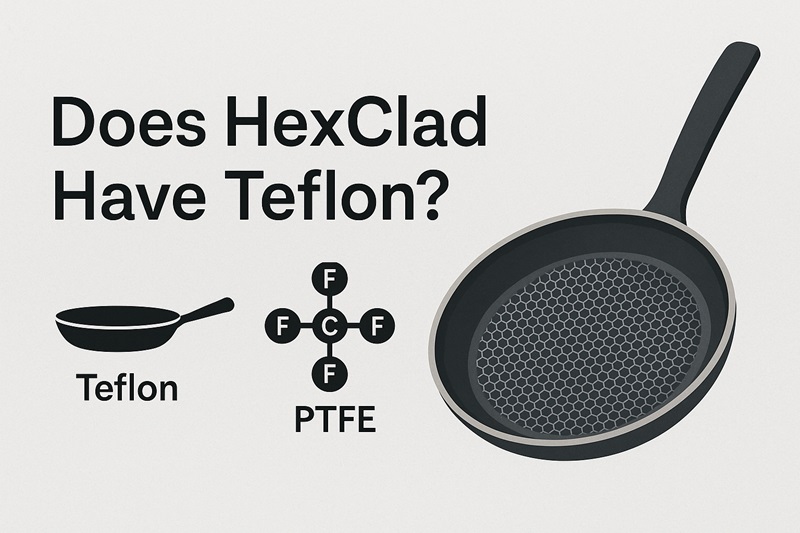
Credit: www.theenvironmentalblog.org
User Experiences And Reviews
Many people wonder about the safety of Hexclad cookware. User experiences and reviews give real insights into whether Hexclad is toxic or safe. These reviews come from diverse users who cook daily and test the cookware’s limits. Their feedback helps reveal any health concerns and shows how well the cookware performs in real kitchens. Reading these honest opinions helps others decide if Hexclad fits their needs.
Reported Safety Issues
Most users report no major safety problems with Hexclad cookware. The brand claims to use a combination of stainless steel and non-stick surfaces without harmful chemicals. Many reviews confirm the cookware does not release toxins when heated properly.
- No signs of coating peeling: Users say the non-stick layer stays intact after months of use.
- No strange odors or smoke: Few users mention any unusual smells during cooking.
- Safe at high temperatures: Several reviews note the pans handle heat well without degradation.
Some users mention rare issues, but these often relate to misuse or accidents:
- Overheating empty pans causing slight discoloration.
- Scratches from metal utensils, which may expose the surface but not cause toxicity.
- Concerns about nickel allergy due to stainless steel, though this affects only a small group.
| Issue | Frequency | User Notes |
|---|---|---|
| Coating damage | Very low | Usually from improper cleaning or metal tools |
| Heat discoloration | Low | Only if pan is overheated empty |
| Allergic reactions | Rare | Nickel sensitivity possible |
Overall, the safety issues reported are minimal and uncommon. Most users feel confident cooking with Hexclad cookware every day.
Satisfaction With Performance
Users praise Hexclad cookware for its strong performance and versatility. Many enjoy the hybrid design that mixes stainless steel and non-stick features. This design offers easy food release and quick cleaning.
Common points mentioned in positive reviews include:
- Even heat distribution: Food cooks uniformly without hot spots.
- Durability: The cookware holds up well after months of use.
- Easy to clean: Food slides off, reducing scrubbing time.
- Oven safe: Many use it for stovetop and oven cooking.
Some users provide helpful tips for best results:
- Use silicone or wooden utensils to avoid scratches.
- Avoid overheating empty pans to protect the coating.
- Hand wash recommended for longer cookware life.
| Feature | User Rating (out of 5) | Comments |
|---|---|---|
| Heat Distribution | 4.7 | Consistent heat, no burning spots |
| Non-stick Performance | 4.5 | Easy food release, minimal oil needed |
| Cleaning Ease | 4.6 | Quick cleaning, no stubborn residues |
| Build Quality | 4.8 | Sturdy, feels solid in hand |
Most users find Hexclad cookware meets or exceeds their expectations. They appreciate the blend of convenience and durability in everyday cooking.
Frequently Asked Questions
Is Hexclad Cookware Safe For Everyday Use?
Yes, Hexclad cookware is safe for daily cooking. It features a non-toxic, stainless steel and ceramic hybrid surface. This design prevents harmful chemicals from leaching into food, ensuring a healthy cooking experience.
Does Hexclad Release Toxic Chemicals When Heated?
No, Hexclad does not release toxic chemicals when heated. Its non-stick surface is PFOA and PTFE free, making it safe at high cooking temperatures. This makes Hexclad a reliable choice for safe, non-toxic cookware.
Can Hexclad Cookware Cause Health Issues?
Hexclad cookware is unlikely to cause health issues. It uses safe, non-toxic materials approved for cooking use. Proper care and cooking at recommended temperatures keep the cookware safe and free from harmful substances.
What Materials Make Hexclad Cookware Non-toxic?
Hexclad combines stainless steel and ceramic in a patented hybrid design. Both materials are non-toxic and durable. This unique construction ensures safe cooking without harmful chemical coatings or toxins.
Conclusion
Hexclad cookware does not release harmful chemicals during cooking. Its hybrid design keeps food safe and healthy. The materials used are tested for safety and durability. Cleaning is easy and does not require harsh chemicals. Many users trust Hexclad for everyday cooking.
Choosing safe cookware matters for your family’s health. This option offers a good balance of safety and performance. You can cook confidently without worrying about toxins. Simple, safe, and reliable cookware makes cooking better.

Hello, This is Annie Walker, a 38-year-old blogger, founder, and editor of Cookware Guider from NY, USA. I am a cookware fanatic and passionate cooker. I love to cook with different types of cooking appliances (example: all types of cookware, rice cookers, slow cookers, etc) almost every day in my kitchen. I love to share my experience with my readers in my blog. Also, I enjoy helping people to solve their problems through my website. You can follow me on Twitter & Pinterest. To know details about my blog please check the about us page.