
Are you thinking about upgrading your kitchen gear and wondering if titanium cookware is the right choice for you? You’ve probably heard that titanium is strong and lightweight, but does that really make it good for cooking?
Choosing the right cookware can change the way you prepare meals and even affect the taste and healthiness of your food. You’ll discover the real benefits and drawbacks of titanium cookware, so you can decide if it’s the perfect fit for your cooking style and needs.
Keep reading to find out what makes titanium cookware stand out—and if it’s worth adding to your kitchen.
Benefits Of Titanium Cookware
Titanium cookware offers many benefits that make it a popular choice in kitchens. Its unique properties bring advantages in strength, safety, and ease of use. Understanding these benefits helps decide if titanium cookware suits your cooking needs.
Durability And Strength
Titanium is known for its excellent durability and strength. It stands up well to daily use without bending or breaking. This toughness means titanium cookware lasts for years without losing shape or performance.
- Scratch resistance: Titanium resists scratches better than many metals.
- Impact resistance: It can handle drops or knocks without damage.
- Heat tolerance: Titanium holds up under high cooking temperatures.
The table below compares titanium with other common cookware materials in terms of strength and durability:
| Material | Scratch Resistance | Impact Resistance | Heat Tolerance |
|---|---|---|---|
| Titanium | High | High | Very High |
| Aluminum | Moderate | Moderate | Moderate |
| Stainless Steel | High | Moderate | High |
The strong nature of titanium means cookware keeps its shape and performance for a long time. It reduces the need to replace pots and pans often, saving money in the long run.
Lightweight Design
Titanium cookware is much lighter than other metal cookware. This light weight makes it easy to handle, especially during cooking or cleaning.
- Easy to lift: Less strain on wrists and hands.
- Portable: Great for camping or travel cooking.
- Fast heating: Titanium heats up quickly, reducing cooking time.
Here is a quick weight comparison of common cookware types for a 10-inch pan:
| Material | Weight (approx.) |
|---|---|
| Titanium | 1.2 lbs (0.54 kg) |
| Cast Iron | 5.0 lbs (2.27 kg) |
| Stainless Steel | 3.5 lbs (1.59 kg) |
The lightweight design of titanium cookware means less effort while cooking. It suits people who prefer easy-to-use tools or have weaker grip strength.
Non-toxic And Safe
Titanium cookware is safe for health. It does not release harmful chemicals or metals into food. This feature is important for people who want clean and healthy cooking.
- Non-reactive surface: Does not react with acidic or alkaline foods.
- Hypoallergenic: Safe for people with metal allergies.
- No coating needed: Pure titanium means no risk from peeling non-stick layers.
Cooking with titanium reduces risks linked to harmful substances sometimes found in other cookware. It also keeps food tasting pure and fresh.
Corrosion Resistance
Titanium resists corrosion better than most metals. This resistance protects cookware from rust and damage caused by moisture or acidic foods.
- Rust-proof: Does not corrode even with frequent washing.
- Acid resistance: Safe to cook tomato sauces or citrus without damage.
- Long-lasting shine: Maintains appearance over time.
The corrosion resistance of titanium cookware means it stays strong and attractive even after years of use. It also lowers maintenance needs compared to other materials.
Drawbacks Of Titanium Cookware
Titanium cookware is praised for its strength and light weight, but it has some downsides. Understanding these drawbacks helps decide if this type of cookware suits your kitchen needs. While titanium offers durability and rust resistance, certain factors can affect its cooking performance and cost-effectiveness. Below are some important drawbacks to consider before choosing titanium cookware.
High Cost
Titanium cookware usually comes with a much higher price tag than other materials. This cost can be a barrier for many home cooks. The reason lies in the extraction and manufacturing process of titanium, which is complex and energy-intensive.
Price comparison table:
| Cookware Material | Average Price Range (per piece) |
|---|---|
| Aluminum | $20 – $60 |
| Stainless Steel | $30 – $100 |
| Titanium | $80 – $200+ |
People often pay more for titanium cookware expecting long-term value. Yet, the initial investment is significantly higher. This might not suit casual cooks or those on a budget.
- High upfront cost compared to common cookware
- Limited availability can drive prices up further
- Replacement or additional pieces add to expenses
Think about your cooking frequency and budget before choosing titanium. Sometimes, other materials offer better value without losing much in quality.
Heat Conductivity Issues
Titanium itself is not a good heat conductor. This means cookware made of pure titanium may heat unevenly or slowly. Uneven heat can cause food to cook unevenly, leading to hot spots and burnt areas.
Most titanium cookware products solve this by adding a layer of aluminum or copper. These metals conduct heat better and help distribute it evenly.
Heat Conductivity Ratings (W/m·K):
| Material | Thermal Conductivity |
|---|---|
| Titanium | 21.9 |
| Aluminum | 237 |
| Copper | 401 |
Pure titanium cookware heats slower than aluminum or copper pans. It may require more patience and attention during cooking.
- Slower heating can increase cooking time
- Uneven heat may burn food in some spots
- Extra layers add weight and complexity
Cookware with titanium combined with better conductors offers a good balance but often costs more. Without these layers, titanium cookware might not perform well for all recipes.
Limited Non-stick Properties
Titanium is naturally not non-stick. Food can stick easily to bare titanium surfaces. Most titanium cookware has a non-stick coating applied to solve this issue.
These coatings vary in quality and durability. Cheaper coatings may wear off quickly, exposing the titanium underneath.
Non-stick options for titanium cookware include:
- PTFE-based coatings (like Teflon)
- Ceramic coatings
- Hard-anodized titanium surfaces
Even with coatings, titanium cookware often does not match the non-stick ease of dedicated non-stick pans.
- Coatings can scratch or peel over time
- Requires gentle cleaning and utensils
- May need replacement sooner than other types
Choosing titanium cookware means accepting some trade-offs in ease of food release. If non-stick performance is a priority, other materials might work better.
Comparison With Other Cookware Materials
Titanium cookware offers unique benefits, but comparing it with other common materials helps to understand its value better. Each cookware type has strengths and weaknesses in weight, heat conduction, durability, and maintenance. This section breaks down how titanium stands against stainless steel, aluminum, and cast iron. The goal is to highlight key differences so you can choose the right cookware for your needs.
Titanium Vs Stainless Steel
Titanium and stainless steel are popular metals for cookware, but they serve different purposes.
- Weight: Titanium is much lighter than stainless steel. This makes titanium cookware easier to handle and carry.
- Durability: Both are strong, but stainless steel resists scratches and dents better. Titanium is very strong but can be more prone to surface marks.
- Heat conduction: Stainless steel does not conduct heat well alone, so it often has an aluminum or copper core. Pure titanium cookware may heat unevenly without a core.
- Maintenance: Stainless steel is easy to clean and dishwasher safe. Titanium may require gentle washing to avoid damage.
| Feature | Titanium | Stainless Steel |
|---|---|---|
| Weight | Very Light | Heavy |
| Durability | Strong but surface marks possible | Very Durable, Scratch Resistant |
| Heat Conduction | Poor without core | Moderate with core |
| Maintenance | Hand wash recommended | Dishwasher safe |
Summary: Choose titanium for lightness and stainless steel for durability and even heating.
Titanium Vs Aluminum
Aluminum and titanium both offer lightweight cookware options but differ in key ways.
- Weight: Titanium is lighter than aluminum, making it ideal for camping and travel.
- Heat conduction: Aluminum conducts heat very well, offering quick and even cooking. Titanium alone does not conduct heat well.
- Durability: Titanium is stronger and more resistant to dents and corrosion than aluminum.
- Reactivity: Aluminum can react with acidic foods, affecting taste and safety. Titanium is non-reactive and safe for all foods.
| Feature | Titanium | Aluminum |
|---|---|---|
| Weight | Lighter | Light |
| Heat Conduction | Poor without core | Excellent |
| Durability | Very Strong | Prone to dents |
| Reactivity | Non-reactive | Reacts with acid |
Summary: Aluminum suits quick cooking; titanium is better for strength and food safety.
Titanium Vs Cast Iron
Cast iron and titanium are very different cookware materials with unique uses.
- Weight: Cast iron is very heavy, while titanium is extremely light.
- Heat retention: Cast iron holds and distributes heat evenly for long periods. Titanium heats up quickly but cools fast.
- Durability: Cast iron is tough and long-lasting but can rust if not cared for. Titanium resists rust and corrosion naturally.
- Maintenance: Cast iron needs seasoning and careful cleaning. Titanium is low-maintenance and easy to clean.
| Feature | Titanium | Cast Iron |
|---|---|---|
| Weight | Light | Heavy |
| Heat Retention | Low | High |
| Durability | Rust-resistant | Can rust without care |
| Maintenance | Easy | Requires seasoning |
Summary: Cast iron is best for heat retention; titanium is best for portability and rust resistance.

Credit: www.reddit.com
Types Of Titanium Cookware
Titanium cookware offers a range of options for home cooks and professionals. The types of titanium cookware vary based on how titanium is used in the product. Each type brings unique benefits and features. Understanding these types helps choose the right cookware for your kitchen needs. The main categories include pure titanium cookware, titanium-infused cookware, and titanium-coated cookware. Below, you will find clear explanations of each type and their key qualities.
Pure Titanium Cookware
Pure titanium cookware is made entirely from titanium metal. It is lightweight, strong, and resistant to corrosion. This type is popular for camping and outdoor cooking because it is easy to carry and very durable.
Key features of pure titanium cookware:
- Lightweight: Easier to handle than steel or cast iron.
- Corrosion-resistant: Does not rust or stain.
- Non-reactive: Does not react with acidic or alkaline foods.
- Durable: Can last many years without damage.
Pure titanium cookware has some drawbacks:
- It can be expensive compared to other metals.
- Titanium alone does not conduct heat well, leading to uneven cooking.
- Usually lacks non-stick properties.
| Pros | Cons |
|---|---|
| Very lightweight and portable | Poor heat conduction |
| Highly resistant to corrosion | Generally no non-stick surface |
| Non-reactive with foods | Usually higher price |
Titanium-infused Cookware
Titanium-infused cookware combines titanium with other metals like aluminum or stainless steel. This blend improves heat distribution and durability. The titanium strengthens the base metal while keeping the cookware lighter.
Benefits of titanium-infused cookware include:
- Better heat conduction: Metals like aluminum help spread heat evenly.
- Scratch resistance: Titanium particles make the surface harder.
- Lightweight but strong: Easier to handle than pure steel cookware.
- Suitable for everyday cooking: Works well on various stovetops.
This cookware type often comes with a smooth surface for easy cleaning. It balances cost and performance well.
Common combinations in titanium-infused cookware:
| Base Metal | Benefit |
|---|---|
| Aluminum + Titanium | Lightweight, excellent heat conduction |
| Stainless Steel + Titanium | Durable, corrosion-resistant, good heat retention |
Titanium-coated Cookware
Titanium-coated cookware has a metal base covered with a thin layer of titanium or titanium-based material. The coating creates a non-stick surface that is stronger than regular coatings.
Advantages of titanium-coated cookware:
- Non-stick surface: Food releases easily and cleanup is quick.
- Durable coating: More resistant to scratches and peeling.
- Healthy cooking: Requires less oil or butter.
- Cost-effective: Less expensive than pure titanium.
Limitations include:
- The coating may wear off after extended use.
- Not as lightweight as pure titanium cookware.
- Usually needs careful handling to avoid damage.
Typical base materials for titanium-coated cookware:
- Aluminum for fast heating.
- Stainless steel for strength and durability.
Care And Maintenance Tips
Titanium cookware is popular for its strength and light weight. To keep it in good shape, proper care and maintenance are important. This section shares easy tips to clean, protect, and store titanium pots and pans. Following these steps helps cookware last longer and cook better every time.
Cleaning Methods
Cleaning titanium cookware is simple but requires gentle care. Avoid harsh scrubbing that can scratch the surface. Here are effective ways to clean titanium pots and pans:
- Hand wash only: Use warm water and mild dish soap. Avoid dishwasher use as detergents can dull the finish.
- Soft sponge or cloth: Clean with a non-abrasive sponge or soft cloth. Steel wool or rough pads may damage the surface.
- Remove stuck food: Soak the cookware in warm soapy water for 10-15 minutes before washing.
- For tough stains: Make a paste with baking soda and water. Gently scrub the stain with this paste using a soft cloth.
- Rinse and dry: Rinse well with clean water and dry immediately with a soft towel to prevent water spots.
Use the table below for quick cleaning do’s and don’ts:
| Do | Don’t |
|---|---|
| Wash by hand with mild soap | Use dishwasher detergents |
| Use soft sponges or cloths | Use steel wool or abrasive pads |
| Dry immediately after washing | Let cookware air dry wet |
Avoiding Damage
Preventing damage ensures titanium cookware stays strong and safe. Follow these simple tips to avoid scratches, dents, or discoloration:
- Use wooden or silicone utensils: Metal tools can scratch the titanium surface.
- Do not overheat empty cookware: Heating an empty pan can cause warping or damage the coating.
- Avoid sudden temperature changes: Do not put hot cookware directly into cold water. This can cause warping or cracking.
- Handle with care: Avoid dropping or banging the cookware. Titanium is strong but can dent or crack if hit hard.
- Use low to medium heat: High heat can damage non-stick coatings or the surface finish.
Here is a quick damage prevention checklist:
- Use soft cooking utensils
- Heat cookware gradually
- Do not place hot cookware in cold water
- Store carefully to avoid bumps
- Use moderate heat settings
Storage Recommendations
Proper storage keeps titanium cookware clean and ready for use. Poor storage can cause scratches or stains. Follow these guidelines to store cookware safely:
- Stack with protection: Place paper towels or soft cloths between stacked pans to avoid scratches.
- Keep dry: Store cookware in a dry place. Moisture can lead to discoloration or spots.
- Avoid overcrowding: Give each piece enough space to prevent dents or damage.
- Hang if possible: Use hooks or racks to hang pots and pans, reducing contact and damage.
- Cover non-stick surfaces: Use protective liners or cloth to protect delicate coatings.
Use this storage tips table for quick reference:
| Storage Action | Why It Helps |
|---|---|
| Place soft cloth between stacked pans | Prevents scratches and surface damage |
| Store cookware dry | Stops water spots and stains |
| Give enough space between items | Avoids dents and pressure marks |
| Hang pots and pans if possible | Reduces contact and damage risk |
| Use liners on non-stick surfaces | Protects delicate coating |
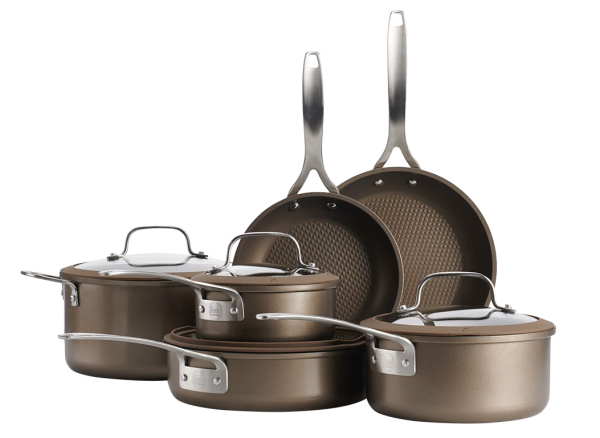
Credit: www.consumerreports.org
Best Uses For Titanium Cookware
Titanium cookware stands out for its light weight, durability, and resistance to corrosion. These qualities make it suitable for various cooking scenarios. Understanding the best uses for titanium cookware helps you get the most value and performance from it. Whether outdoors or in the kitchen, titanium pans and pots serve different roles effectively.
Camping And Outdoor Cooking
Titanium cookware is perfect for camping and outdoor cooking. Its light weight makes it easy to carry in backpacks, reducing load during hikes. The metal heats quickly and evenly, allowing you to cook meals efficiently over a campfire or portable stove.
- Durability: Titanium resists dents and scratches, standing up to rough outdoor use.
- Corrosion Resistance: It won’t rust even after exposure to rain or wet conditions.
- Easy Cleaning: Titanium’s smooth surface cleans quickly with minimal effort.
Common uses include boiling water, frying eggs, or simmering soups. Titanium cookware also works well for backpackers who need compact and reliable gear.
| Feature | Benefit for Outdoor Use |
|---|---|
| Light Weight | Easy to carry on long hikes |
| Fast Heat Transfer | Quick cooking times save fuel |
| Strong and Durable | Handles rough terrain and use |
Everyday Kitchen Use
Titanium cookware suits everyday kitchen tasks well. The material’s strength means pans last longer without warping or damage. Titanium is non-reactive, so it won’t alter the taste of acidic or alkaline foods.
It heats evenly, preventing hot spots and burning. Cleaning is simple since food sticks less compared to some metals.
- Cooking stir-fries, sautéing vegetables, and frying meats
- Boiling pasta or making sauces
- Use on gas, electric, or induction stovetops
Because titanium pans are lightweight, they reduce wrist strain during cooking. They also work well in ovens at moderate temperatures, adding to their versatility.
| Use | Advantages |
|---|---|
| Daily frying and sautéing | Even heat, easy clean-up |
| Boiling and simmering | Non-reactive, maintains flavor |
| Baking (oven-safe) | Lightweight and durable |
Specialty Cooking Techniques
Titanium cookware also performs well in specialty cooking methods. Its fast heat conduction helps with precise temperature control needed for delicate dishes.
Examples of specialty uses include:
- Seared meats: Titanium pans get hot quickly, creating a nice crust.
- Reduction sauces: Even heat helps reduce sauces without burning.
- Steaming: Lightweight steamers made of titanium heat fast and resist rust.
Titanium’s strength allows it to hold up under high heat for searing or frying. The pans are also safe for acidic ingredients like tomatoes or citrus without metal taste transfer.
For delicate cooking, titanium offers good control but may not be as non-stick as ceramic or Teflon coatings. Using a little oil or butter helps prevent sticking.
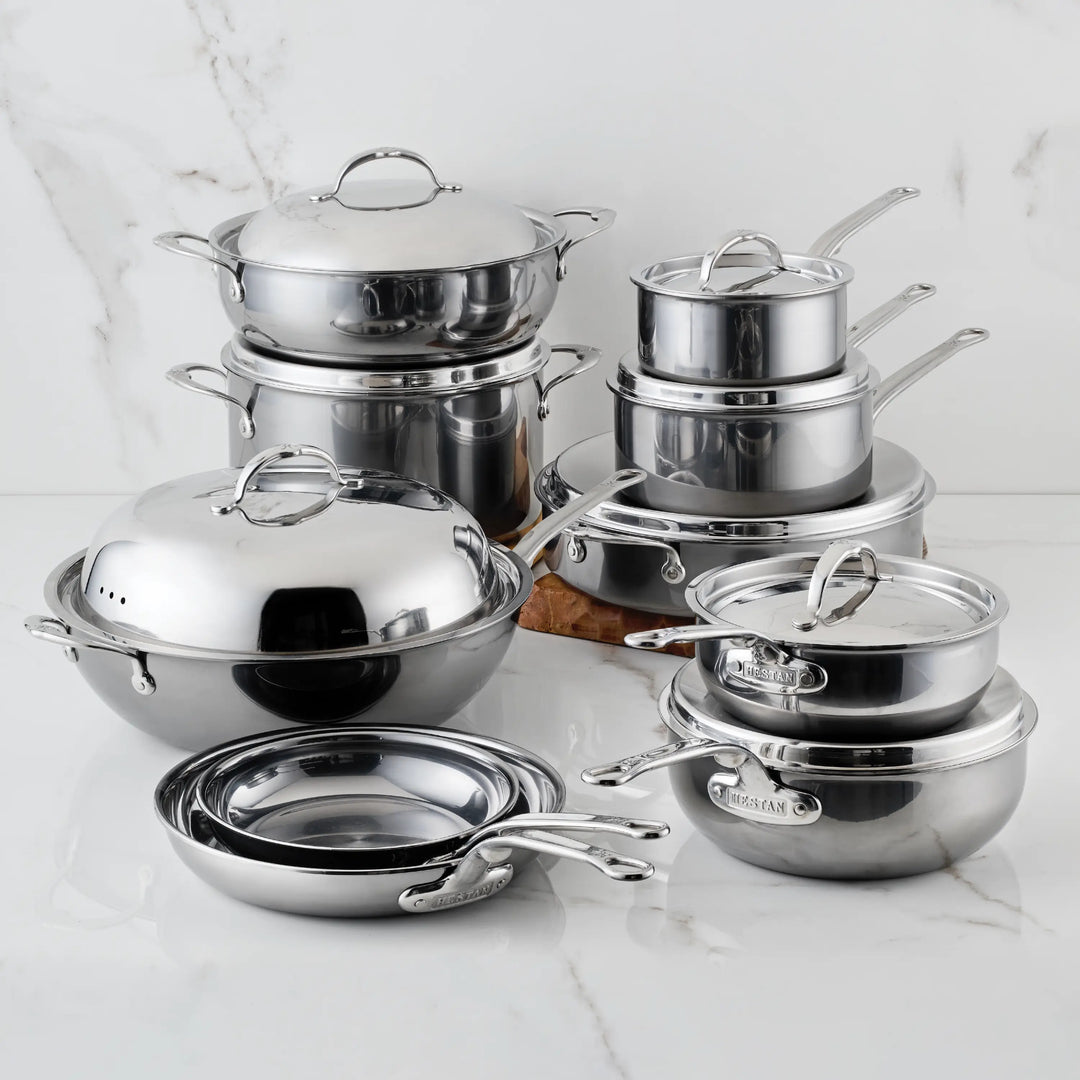
Credit: hestanculinary.com
Frequently Asked Questions
Is Titanium Cookware Safe For Everyday Cooking?
Yes, titanium cookware is non-toxic and safe for daily use. It doesn’t react with food or release harmful chemicals, making it ideal for healthy cooking.
Does Titanium Cookware Offer Good Heat Distribution?
Titanium itself is not the best heat conductor, but titanium cookware often includes aluminum or copper layers. These layers improve heat distribution and ensure even cooking.
How Durable Is Titanium Cookware Compared To Others?
Titanium cookware is extremely durable and resistant to scratches, dents, and corrosion. It lasts longer than traditional stainless steel or nonstick pans, providing excellent long-term value.
Is Titanium Cookware Lightweight And Easy To Handle?
Yes, titanium is a lightweight metal, making cookware easy to lift and maneuver. This feature is especially beneficial for people who prefer lighter kitchen tools.
Conclusion
Titanium cookware offers strength and long-lasting use. It heats food evenly and cleans up easily. This type of cookware resists rust and scratches well. It stays light and easy to handle. Cooking with titanium can save time and effort. Not the cheapest option, but worth the cost for many.
Choose titanium if you want durable and safe pots. Great for daily cooking and busy kitchens. A smart choice for those who cook often.

Hello, This is Annie Walker, a 38-year-old blogger, founder, and editor of Cookware Guider from NY, USA. I am a cookware fanatic and passionate cooker. I love to cook with different types of cooking appliances (example: all types of cookware, rice cookers, slow cookers, etc) almost every day in my kitchen. I love to share my experience with my readers in my blog. Also, I enjoy helping people to solve their problems through my website. You can follow me on Twitter & Pinterest. To know details about my blog please check the about us page.