
When you’re choosing cookware, safety is probably at the top of your list. You want pots and pans that won’t harm you or change the taste of your food.
If you’ve been thinking about titanium cookware, you might be wondering: is titanium safe for cooking? You deserve to know the truth before making a decision that affects your health and your kitchen. Keep reading, because the answer might surprise you—and it could change the way you cook forever.
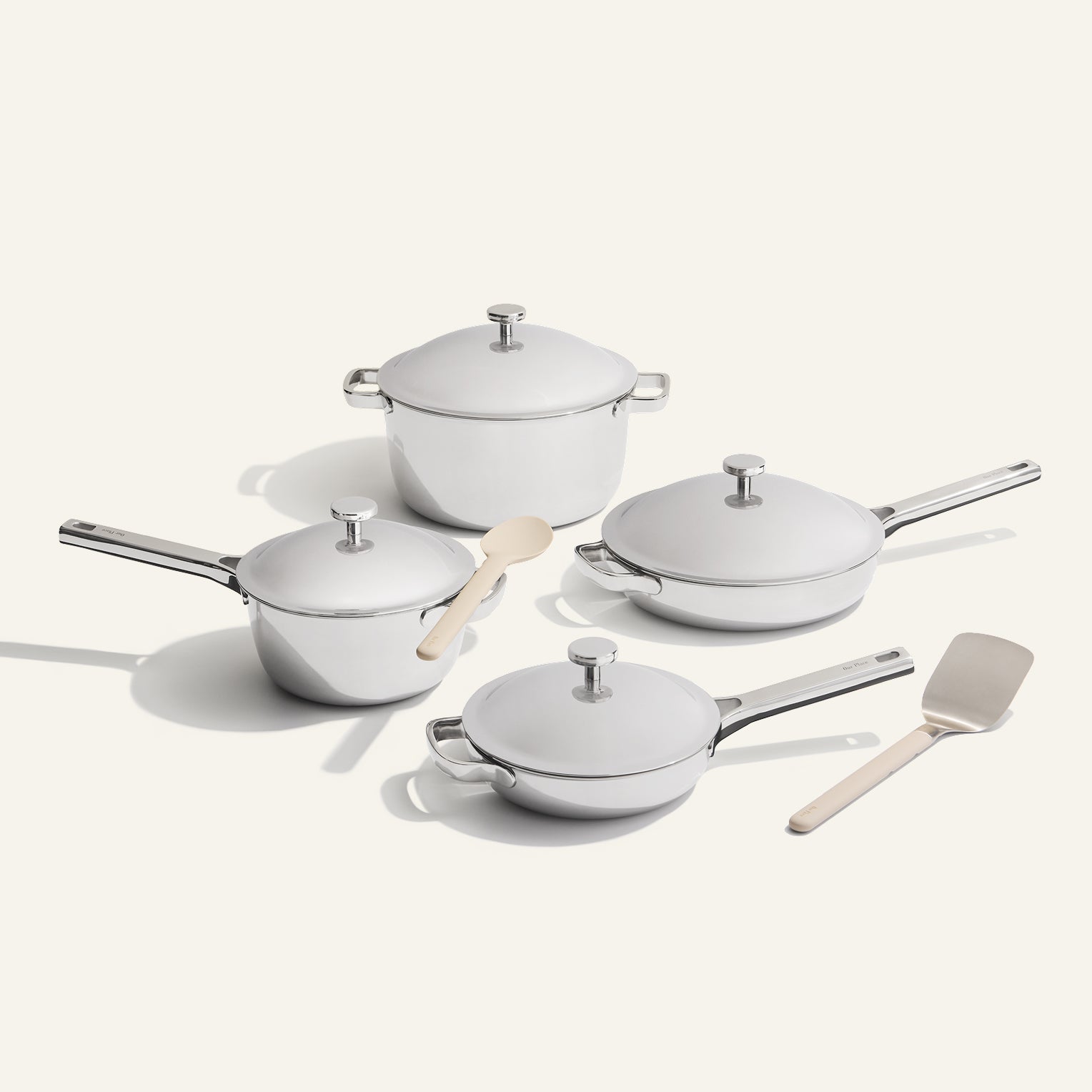
Credit: fromourplace.com
Properties Of Titanium
Titanium is a popular choice for cookware due to its unique properties. It is a metal known for being lightweight and strong. These features make it ideal for pots, pans, and other kitchen tools. Understanding the properties of titanium helps to know why it is safe and effective for cooking. This section explains three main properties: durability and strength, corrosion resistance, and non-toxic nature. Each property plays a key role in making titanium cookware reliable and healthy to use.
Durability And Strength
Titanium is one of the strongest metals used in cookware. It offers high durability without adding much weight. This makes titanium cookware easy to handle and long-lasting. It resists dents, scratches, and warping better than many other metals.
- High strength-to-weight ratio: Titanium is very strong but lighter than steel or cast iron.
- Impact resistance: It can withstand drops and rough use without damage.
- Heat tolerance: Titanium keeps its strength even at high cooking temperatures.
Here is a quick comparison of titanium with other common cookware materials:
| Material | Weight | Strength | Durability |
|---|---|---|---|
| Titanium | Light | Very High | Excellent |
| Stainless Steel | Medium | High | Good |
| Cast Iron | Heavy | High | Good |
The strength of titanium means cookware lasts for years without bending or breaking. This durability saves money over time.
Corrosion Resistance
Titanium does not rust or corrode easily. This is a key reason why it is safe for cooking. The metal forms a thin oxide layer on its surface. This layer protects it from damage by acids, salts, and other foods.
- Natural oxide layer: Prevents metal from reacting with food or water.
- Resistance to acids: Safe to cook acidic foods like tomatoes and lemon.
- No peeling or flaking: The surface stays smooth and intact.
Many metals used in cookware can corrode or degrade over time. Titanium stays strong and clean. Its corrosion resistance means it does not release harmful metals into food.
Here is a summary of how titanium compares to other metals in corrosion resistance:
| Material | Corrosion Resistance | Effect of Acidic Foods |
|---|---|---|
| Titanium | Very High | No effect |
| Aluminum | Low | Can corrode |
| Cast Iron | Medium | Can rust |
Non-toxic Nature
Titanium is a safe material for cookware because it does not release harmful substances. It is biocompatible, which means it does not cause reactions in the body. This property makes titanium popular in medical implants too.
Cookware made from titanium does not leach metals or chemicals into food. This helps keep meals pure and healthy. The metal’s stable surface prevents contamination, even with long cooking times.
- Non-reactive: Titanium does not react with food or spices.
- Hypoallergenic: Safe for people with metal allergies.
- Free from toxins: Does not contain harmful elements like lead or cadmium.
Compared to some non-stick coatings or cheaper metals, titanium offers a clean cooking experience. It supports healthy eating without worrying about toxins.
Titanium In Cookware
Titanium has grown popular in cookware due to its strength and light weight. Many wonder if titanium is safe for cooking. It is a metal that does not react easily with food or chemicals. This makes it a good choice for pots and pans. Titanium in cookware offers durability, resistance to rust, and a sleek look. The metal is often mixed with other materials to improve cooking performance. Understanding the types of titanium cookware, coatings, and heat behavior helps choose the right product for the kitchen.
Common Types Of Titanium Cookware
Titanium cookware comes in several forms. Pure titanium pans are very light and strong but expensive. Most cookware uses titanium in an alloy or as a coating. Here are common types:
- Pure Titanium Pans: Made from 99% titanium, these are durable and corrosion-resistant.
- Titanium Alloy Cookware: Mixed with aluminum or other metals for better heat conduction.
- Titanium-Coated Cookware: Stainless steel or aluminum pans coated with titanium for a non-stick surface.
Each type has pros and cons. Pure titanium is light but does not conduct heat well. Alloys improve heat distribution but weigh more. Titanium coatings add a hard layer that helps food release easily and makes cleaning simple.
| Type | Weight | Heat Conductivity | Durability | Cost |
|---|---|---|---|---|
| Pure Titanium | Very Light | Low | High | High |
| Titanium Alloy | Medium | Medium | High | Medium |
| Titanium-Coated | Medium | High (base metal) | Medium | Medium |
Coatings And Composites
Titanium often appears as a coating or part of a composite in cookware. These forms improve cooking quality and safety. Titanium coatings are very hard and resist scratches. They make pans non-stick without toxic chemicals.
Common coatings include:
- Titanium Ceramic: A ceramic layer mixed with titanium for a tough, non-stick surface.
- Titanium Non-Stick: Traditional non-stick coatings enhanced with titanium for durability.
- Titanium-Reinforced PTFE: Polytetrafluoroethylene (PTFE) coated pans with titanium particles for strength.
Composite cookware mixes titanium with aluminum or stainless steel. This blend gives lightweight strength and good heat control. The outer layers protect the titanium core and improve cooking results.
| Coating/Composite | Benefit | Safety | Cleaning |
|---|---|---|---|
| Titanium Ceramic | Non-stick, scratch-resistant | Non-toxic | Easy |
| Titanium Non-Stick | Durable, prevents food sticking | Safe if not overheated | Simple |
| Titanium-Reinforced PTFE | Strong, long-lasting coating | Safe at normal cooking temps | Easy |
| Composite (Titanium + Aluminum) | Good heat, light weight | Very safe | Varies |
Heat Distribution
Titanium alone does not spread heat evenly. It heats slowly and can form hot spots. Many manufacturers mix titanium with other metals to fix this problem. Aluminum and copper are common partners because they conduct heat well.
Key points about heat distribution:
- Pure Titanium: Poor heat conductor, best for boiling or low-heat cooking.
- Alloys: Mix titanium with aluminum for faster and even heating.
- Multi-layer Pans: Layers of metal improve heat spread and prevent warping.
Good heat distribution means food cooks evenly without burning. Titanium’s strength helps pans last longer, even with frequent heating and cooling.
Use pans with a titanium base or coating combined with other metals. This ensures better heat flow and more control during cooking.
Health Implications
Health implications matter a lot when choosing cookware. Titanium is popular for its strength and light weight. Many wonder if it is safe for cooking and eating. Titanium cookware is known for being durable and resistant to corrosion. This means it does not easily break down or release harmful substances into food. Understanding how titanium interacts with food and the body helps decide if it is a good choice for your kitchen.
Reactivity With Food
Titanium is very stable and does not react with most foods. This means it will not change the taste or color of your meals. It also does not release metals into the food, keeping it safe to eat.
- Acidic foods: Titanium does not corrode or react with acidic foods like tomatoes or lemon juice.
- Alkaline foods: It remains safe when cooking with alkaline ingredients such as baking soda.
- Heat resistance: Titanium can handle high cooking temperatures without breaking down.
The non-reactive nature of titanium makes it ideal for people who want pure food taste. Unlike some metals, titanium does not cause food to develop a metallic flavor or discolor. This is a big advantage over cookware that may leach harmful substances.
| Metal | Reacts with Acidic Foods? | Risk of Leaching | Effect on Food Taste |
|---|---|---|---|
| Titanium | No | Very Low | None |
| Aluminum | Yes | Moderate | Metallic |
| Copper | Yes | High | Metallic |
| Stainless Steel | Minimal | Low | None |
Potential Allergies
Titanium is known for being hypoallergenic. This means it rarely causes allergic reactions. It is often used in medical implants because the body usually accepts it well.
Some people worry about metal allergies from cookware. Titanium is very safe for most users due to its inert nature.
- Nickel allergies: Titanium cookware contains no nickel, a common allergen in metals.
- Skin contact: Even with prolonged skin contact, titanium rarely causes irritation.
- Ingestion safety: No known titanium food allergies exist, making it safe to eat from.
Compared to other metals, titanium has one of the lowest allergy risks. This is why doctors use it in devices inside the body. It suits people with sensitive skin or metal allergies who want safe cookware.
Comparison With Other Metals
Titanium offers several health benefits over common cookware metals. Below is a comparison of titanium, stainless steel, aluminum, and cast iron.
| Property | Titanium | Stainless Steel | Aluminum | Cast Iron |
|---|---|---|---|---|
| Reactivity with Food | Very Low | Low | High | Moderate |
| Risk of Allergies | Very Low | Low (due to nickel) | Moderate | Low |
| Durability | High | High | Low | High |
| Weight | Light | Moderate | Light | Heavy |
| Corrosion Resistance | Excellent | Good | Poor | Poor |
Titanium excels in safety and durability, with very low health risks. It is lighter than cast iron and more stable than aluminum. Stainless steel is also safe but may contain nickel, causing allergies in some people.

Credit: kitchenpluse.com
Safety Standards And Regulations
Titanium cookware has grown popular for its strength and light weight. Many wonder about its safety for daily cooking. Safety standards and regulations ensure that titanium products are safe to use with food. These rules help protect consumers from harmful materials and chemicals. Understanding these standards shows why titanium cookware is trusted in kitchens worldwide.
Food Safety Certifications
Food safety certifications prove that titanium cookware meets strict health guidelines. These certifications come from official organizations that test and approve products. They check for harmful substances that could mix with food during cooking.
Common certifications for titanium cookware include:
- FDA Approval: The U.S. Food and Drug Administration ensures materials are safe for food contact.
- LFGB Certification: A German standard that tests for chemical safety and food contact suitability.
- NSF International: Focuses on sanitation and safety in food equipment.
These certifications require titanium cookware to pass tests for:
- Heavy metals release (such as lead and cadmium)
- Chemical leaching during cooking
- Durability and resistance to corrosion
Below is a simple comparison of these certifications:
| Certification | Focus Area | Region |
|---|---|---|
| FDA | Food contact safety, chemical limits | USA |
| LFGB | Food safety, chemical release, odor | Germany / EU |
| NSF | Sanitation, safety, equipment hygiene | International |
Choosing titanium cookware with these certifications helps ensure safe cooking and peace of mind.
Industry Testing Procedures
Titanium cookware undergoes thorough testing before it reaches store shelves. These tests check safety, quality, and durability. Testing follows industry standards set by regulatory bodies and organizations.
Key testing procedures include:
- Material Composition Analysis: Confirms the purity of titanium and absence of harmful metals.
- Leach Testing: Simulates cooking conditions to check if metals or chemicals leach into food.
- Corrosion Resistance Testing: Ensures the cookware withstands acids and salts in food.
- Thermal Shock Tests: Checks resistance to cracking when exposed to sudden temperature changes.
Testing labs use advanced equipment like:
- Inductively Coupled Plasma Mass Spectrometry (ICP-MS)
- Chromatography for chemical analysis
- High-precision microscopes for surface inspection
These tests confirm that titanium cookware is safe and durable. Manufacturers must keep detailed records of all test results. Regulatory agencies may audit these records for compliance.
Testing ensures consumers get cookware that:
- Does not release harmful substances
- Maintains strength and integrity over time
- Is safe for everyday cooking use
Care And Maintenance
Caring for titanium cookware ensures it stays safe and effective for years. Proper maintenance keeps its surface smooth and prevents damage. Titanium is strong but needs gentle handling. Cleaning, avoiding scratches, and storing correctly all help protect the cookware. This section explains how to care for titanium cookware with easy tips for cleaning, avoiding damage, and extending its life.
Cleaning Tips
Cleaning titanium cookware is simple and keeps it looking new. Use warm water and mild dish soap for daily cleaning. Avoid harsh cleaners that can scratch the surface or wear down any coating. Here are key points to remember:
- Use a soft sponge or cloth to clean. Avoid steel wool or abrasive pads.
- For stuck food, soak the cookware in warm soapy water for 10-15 minutes.
- Rinse well to remove all soap residues.
- Dry immediately with a soft towel to prevent water spots.
For tougher stains, a paste of baking soda and water works well. Apply it gently with a soft cloth. Rinse and dry thoroughly. Avoid dishwasher use, as strong detergents and high heat can damage titanium cookware over time.
| Cleaning Method | Recommended | Not Recommended |
|---|---|---|
| Hand wash with mild soap | Yes | No |
| Use soft sponge or cloth | Yes | No (avoid steel wool) |
| Dishwasher cleaning | No | Yes |
| Use baking soda paste for stains | Yes | No (avoid harsh chemicals) |
Avoiding Damage
Titanium cookware is durable but not indestructible. Protect it by avoiding common mistakes. High heat can cause discoloration or warping. Use medium or low heat settings for best results. Never heat an empty pan; it can damage the surface quickly.
Metal utensils may scratch titanium cookware. Choose wooden, silicone, or plastic utensils to keep the surface smooth. Avoid dropping or banging the cookware on hard surfaces, which can cause dents or cracks.
Here are key tips to avoid damage:
- Cook on medium or low heat settings.
- Never preheat empty cookware.
- Use non-metal utensils only.
- Handle cookware carefully to avoid drops.
- Store cookware properly to prevent scratches.
Proper storage also matters. Stack cookware with soft cloth or paper towels between pieces. This prevents scratches and keeps the surface intact. Avoid storing titanium cookware in damp places to reduce corrosion risk.
Longevity Of Titanium Cookware
Titanium cookware can last many years with good care. It resists rust, stains, and corrosion better than many metals. Its strength means it can handle daily cooking without losing shape. Careful cleaning and gentle use extend its lifespan significantly.
Factors affecting longevity include:
- Quality of the titanium alloy used.
- Frequency of use and cooking styles.
- How well the cookware is cleaned and stored.
Regular maintenance prevents buildup and damage. Avoid harsh chemicals and extreme temperature changes. Replace cookware if it develops deep scratches or cracks, which can affect safety and cooking quality.
| Care Practice | Effect on Longevity |
|---|---|
| Gentle cleaning with mild soap | Prevents surface damage |
| Avoiding high heat and empty heating | Maintains shape and finish |
| Using non-metal utensils | Prevents scratches |
| Proper storage with padding | Protects from dents and scratches |
With care, titanium cookware remains safe, durable, and efficient for many years.

Credit: siraatskitchen.com
Cost And Accessibility
Titanium cookware is known for its strength and light weight. Many wonder about its cost and how easy it is to find. Understanding the price and availability helps decide if titanium is the right choice for your kitchen. This section breaks down the cost and where to buy titanium cookware.
Price Range
Titanium cookware usually costs more than traditional pots and pans. This is because titanium is a rare metal and hard to process. The price varies based on size, brand, and features.
- Basic titanium pans start around $50 to $100.
- High-end sets can cost $300 to $700 or more.
- Cookware with titanium coating is often cheaper than solid titanium pieces.
Here is a simple price comparison:
| Type of Titanium Cookware | Typical Price Range |
|---|---|
| Single Titanium Frying Pan | $50 – $150 |
| Titanium-Coated Cookware | $40 – $100 |
| Full Titanium Cookware Set | $300 – $700+ |
Buying titanium cookware is an investment. The price reflects durability and safety benefits. It lasts longer than many other materials, saving money over time.
Availability In Market
Titanium cookware is not as common as stainless steel or aluminum. It is available but may require some searching. Many stores offer titanium cookware online and in physical shops.
- Large kitchen stores often carry titanium cookware or can order it.
- Online marketplaces have many options and brands.
- Specialty outdoor or camping stores sell lightweight titanium pots and pans.
Shopping tips for titanium cookware:
- Check multiple sellers to compare prices and shipping costs.
- Look for customer reviews to ensure quality and safety.
- Watch for sales or discounts to reduce the cost.
Some brands focus on titanium cookware, making it easier to find trusted products. Still, solid titanium cookware is less common than coated versions. Planning your purchase helps find the best options available.
Frequently Asked Questions
Is Titanium Cookware Non-toxic And Safe To Use?
Yes, titanium cookware is non-toxic and safe. It doesn’t leach harmful chemicals or metals into food, making it ideal for health-conscious cooking.
Does Titanium Cookware React With Acidic Foods?
No, titanium cookware is non-reactive. It resists corrosion and won’t alter the taste or color of acidic foods like tomatoes or citrus.
How Durable Is Titanium Cookware Compared To Other Materials?
Titanium cookware is extremely durable. It’s lightweight, scratch-resistant, and can withstand high heat without warping or damage, lasting much longer than many metals.
Is Titanium Cookware Easy To Clean And Maintain?
Yes, titanium cookware is easy to clean. Its non-stick properties and corrosion resistance reduce food sticking and simplify maintenance.
Conclusion
Titanium cookware offers a safe option for everyday cooking. It does not release harmful chemicals or metals into food. The material is strong and resists scratches and dents easily. Cleaning titanium pots and pans is simple and fast. Many people prefer it for its light weight and durability.
Choosing titanium cookware supports healthy cooking habits. It fits well in kitchens that need reliable tools. Overall, titanium stands as a safe and practical choice for cooking needs. Consider your cooking style and budget when picking cookware.

Hello, This is Annie Walker, a 38-year-old blogger, founder, and editor of Cookware Guider from NY, USA. I am a cookware fanatic and passionate cooker. I love to cook with different types of cooking appliances (example: all types of cookware, rice cookers, slow cookers, etc) almost every day in my kitchen. I love to share my experience with my readers in my blog. Also, I enjoy helping people to solve their problems through my website. You can follow me on Twitter & Pinterest. To know details about my blog please check the about us page.