
Choosing the right cookware can make a big difference in your kitchen. You want something that cooks well, cleans easily, and lasts a long time.
When it comes to non-stick or ceramic cookware, which one is better for you? Both have their benefits, but also some drawbacks you should know about before making a decision. Keep reading to discover which option fits your cooking style and needs perfectly.
Your next meal could depend on it!
Non Stick Cookware Features
Choosing between non stick and ceramic cookware often depends on their features. Non stick cookware is popular for easy cooking and cleaning. It has unique qualities that make it a favorite in many kitchens. Understanding these features helps in making the right choice. Below, we explore the key features of non stick cookware.
Materials Used
Non stick cookware is made from different base materials that affect performance and price. The common bases include:
- Aluminum: Lightweight and heats quickly. It is the most popular base for non stick pans.
- Stainless Steel: Durable and resistant to rust but heats slower than aluminum.
- Copper: Excellent heat conductor but expensive and requires more care.
The base material affects heat distribution and weight. Most non stick pans use aluminum because it balances price and performance well.
| Material | Weight | Heat Conductivity | Cost |
|---|---|---|---|
| Aluminum | Light | High | Low |
| Stainless Steel | Medium | Medium | Medium |
| Copper | Heavy | Very High | High |
Besides the base, the handle materials also matter. Heat-resistant handles improve safety. Some non stick pans have silicone or plastic handles to stay cool while cooking.
Coating Types
The non stick surface comes from special coatings. These coatings stop food from sticking and make cleaning easy. The main types include:
- PTFE (Teflon): The most common coating. It offers excellent non stick properties but can degrade at very high heat.
- Ceramic-based coatings: Made from inorganic materials. They are free from PTFE and PFOA but may wear faster.
- Anodized coatings: Harder surface created by treating aluminum. Offers some non stick features and is scratch-resistant.
Each coating has pros and cons. PTFE is great for low to medium heat cooking. Ceramic coatings are better for those avoiding chemicals but need gentle care. Anodized pans are tough but less non stick.
Comparison of Coating Types:
| Coating | Non Stick Quality | Heat Resistance | Care Required |
|---|---|---|---|
| PTFE (Teflon) | Excellent | Up to 260°C (500°F) | Use soft utensils only |
| Ceramic | Good | Up to 450°C (840°F) | Avoid harsh detergents |
| Anodized | Moderate | High | Durable but avoid metal tools |
Heat Distribution
Non stick cookware must distribute heat evenly for good cooking results. Uneven heat causes hot spots, burning food in some places and leaving others undercooked.
Aluminum bases are the best for heat distribution. They heat quickly and spread warmth evenly. This means food cooks at the same rate across the pan.
Some non stick pans include a layered base to improve heat spread:
- Multi-layer bottom: Combines aluminum with stainless steel for durability and even heat.
- Encapsulated base: Aluminum core sealed within stainless steel to prevent warping.
Thicker pans usually hold heat better and avoid hot spots. Thin pans heat faster but may cool down quickly when food is added.
Gas stoves need pans with fast heat response. Electric stoves benefit from flat, heavy bases for better contact. Induction cooktops require magnetic bases, usually stainless steel.
Durability
Durability varies by material and coating quality. Non stick pans can lose their coating over time, reducing their usefulness.
Factors affecting durability:
- Coating quality: Thicker, well-applied coatings last longer.
- Care and use: Avoid metal utensils and high heat to extend life.
- Cleaning method: Hand wash with soft sponges to protect the surface.
PTFE coatings usually last 3–5 years with proper care. Ceramic coatings tend to wear faster, around 1–3 years.
Base materials also affect durability. Stainless steel bases resist dents and warping better than aluminum. Some pans have reinforced rims to protect edges from damage.
Note these tips for longer non stick life:
- Use wooden, silicone, or plastic utensils.
- Cook on medium or low heat.
- Hand wash; avoid dishwasher.
- Do not stack pans without protection.
:max_bytes(150000):strip_icc()/sea-ceramicskillet-lead-image-madeline-muzzi-02-0ad4abbde9bc42589564bcc3491367a0.jpeg)
Credit: www.seriouseats.com
Ceramic Cookware Features
Ceramic cookware stands out as a popular choice in kitchens worldwide. It offers a unique blend of style and function. Understanding its features helps decide if it suits your cooking needs better than traditional non-stick options. Ceramic cookware is known for its natural composition and healthy cooking benefits. Its features cover material makeup, coating advantages, heat handling, and how long it lasts. These aspects make ceramic cookware a solid contender for everyday use.
Material Composition
Ceramic cookware is made from natural materials like clay and minerals. It undergoes a firing process at high temperatures to create a hard, smooth surface. This surface is free from synthetic chemicals often found in other cookware types.
- Core Material: Usually aluminum or stainless steel provides strength and even heat distribution.
- Ceramic Layer: A silica-based glaze forms the cooking surface, making it non-stick and safe.
- Free from Toxins: No PTFE, PFOA, lead, or cadmium, which are common in some non-stick pans.
The natural composition makes ceramic cookware eco-friendly and safe for everyday cooking. It also gives a smooth, shiny finish that looks attractive on any stovetop.
| Material | Purpose | Benefit |
|---|---|---|
| Aluminum/Stainless Steel | Base/core | Durability and heat conduction |
| Ceramic Glaze | Cooking surface | Non-stick, chemical-free, easy cleaning |
Coating Benefits
The ceramic coating on cookware offers several advantages. It is a non-stick surface made from natural materials rather than synthetic chemicals. This makes cooking healthier and cleanup easier.
- Non-Stick Without Chemicals: No harmful chemicals like PTFE or PFOA release during cooking.
- Easy to Clean: Food slides off smoothly, reducing scrubbing time.
- Scratch Resistance: Ceramic coating resists scratches better than traditional non-stick surfaces.
- Safe for High Heat: Can handle higher temperatures without breaking down or releasing toxins.
These benefits make ceramic cookware ideal for those wanting a safe, easy-to-use, and low-maintenance option. It also keeps food tasting pure, without any chemical aftertaste.
Heat Retention
Ceramic cookware holds heat well, making it efficient for cooking. The thick ceramic layer keeps warmth evenly distributed. This helps food cook more evenly and stay hot longer after turning off the stove.
- Even Heat Distribution: Prevents hot spots that can burn food.
- Good Heat Retention: Maintains temperature, saving energy and time.
- Suitable for Various Cooking Methods: Works well for simmering, sautéing, and frying.
Compared to some non-stick pans, ceramic can keep food warmer for longer periods. It also cools down slowly, which is useful for serving dishes directly from the pan.
Durability
Ceramic cookware is known for its strong and long-lasting build. The firing process creates a tough surface that resists chipping and cracking under normal use. Proper care extends its lifespan even more.
- Scratch Resistant: Ceramic coating stands up to metal utensils better than many non-stick coatings.
- Thermal Shock Resistant: Can handle temperature changes without damage.
- Maintenance Tips: Use wooden or silicone utensils and avoid sudden temperature changes.
With good care, ceramic cookware can last several years. It does not peel or flake easily, unlike some traditional non-stick pans. This durability makes it a smart investment for regular kitchen use.
Health And Safety Factors
Choosing between non-stick and ceramic cookware often comes down to health and safety concerns. Both types promise easy cooking and cleaning, but their materials and coatings differ greatly. Understanding their chemical makeup, heat resistance, and potential toxicity helps make a safer choice for your kitchen and family.
Chemical Concerns
Non-stick cookware usually has a coating made from polytetrafluoroethylene (PTFE), commonly known as Teflon. This coating prevents food from sticking but can release harmful fumes if overheated. Ceramic cookware features a natural, inorganic coating made from silica and other minerals. It does not contain PTFE or perfluorooctanoic acid (PFOA), chemicals often linked to health risks.
Key points about chemical concerns:
- Non-stick coatings can degrade at temperatures above 260°C (500°F).
- Ceramic coatings are free from PTFE and PFOA.
- Non-stick fumes can cause flu-like symptoms, called “polymer fume fever.”
- Ceramic coatings are less likely to emit harmful gases.
| Cookware Type | Main Chemical | Potential Chemical Risk |
|---|---|---|
| Non-stick | PTFE (Teflon) | Releases toxic fumes if overheated |
| Ceramic | Mineral-based coating | No known harmful chemical emissions |
Choosing ceramic cookware reduces exposure to synthetic chemicals. Non-stick pans require careful temperature control to avoid chemical risks.
Heat Resistance
Heat resistance is vital for safety and cooking performance. Non-stick pans typically have a lower heat tolerance compared to ceramic pans. Overheating non-stick surfaces damages the coating and releases harmful fumes. Ceramic cookware withstands higher temperatures, making it safer for various cooking methods.
Heat tolerance comparison:
- Non-stick pans: safe up to about 260°C (500°F).
- Ceramic pans: can handle up to 450°C (842°F) or higher.
| Cookware Type | Maximum Safe Temperature | Effect of Overheating |
|---|---|---|
| Non-stick | ~260°C (500°F) | Coating breaks down, fumes released |
| Ceramic | >450°C (842°F) | Coating remains stable, no fumes |
Because ceramic cookware tolerates high heat, it suits searing, frying, and oven use. Non-stick pans require medium or low heat to maintain safety and coating life.
Toxicity Risks
Toxicity risk is a major factor in cookware choice. Non-stick coatings may release toxic substances when scratched or overheated. Ceramic coatings are generally inert and safer, but low-quality ceramic pans may contain heavy metals like lead or cadmium in the glaze. Always choose certified, reputable brands to reduce this risk.
Toxicity risk factors to consider:
- Non-stick pans can release fumes harmful to birds and humans.
- Ceramic coatings are free of toxic chemicals if properly made.
- Cheap ceramic cookware may have unsafe glaze materials.
- Proper care extends cookware safety and lifespan.
| Cookware Type | Potential Toxicity Source | Safety Tips |
|---|---|---|
| Non-stick | Fumes from overheated PTFE | Use low to medium heat, avoid scratched pans |
| Ceramic | Heavy metals in low-quality glaze | Buy certified products, check for safety labels |
Safe cookware use means avoiding overheating and damage. Ceramic pans generally pose fewer toxicity risks but require careful selection.
Performance And Cooking Experience
Choosing between non stick and ceramic cookware often depends on how they perform during cooking and the overall experience they offer. Both types promise easy cooking and cleanup, but their actual performance varies. Understanding these differences helps pick the right pan for your kitchen needs. Let’s explore how non stick and ceramic cookware compare in terms of effectiveness, cooking quality, and maintenance.
Non Stick Effectiveness
Non stick cookware is popular for its smooth surface, which stops food from sticking. This feature makes cooking delicate items like eggs and pancakes simple and fast. The coating usually consists of polytetrafluoroethylene (PTFE), known for its excellent non-stick properties.
- Heat distribution: Non stick pans heat quickly but may have hot spots in cheaper models.
- Sticking: Food rarely sticks, even with little oil or butter.
- Durability: The coating can wear off after 2-3 years with heavy use.
Here is a quick comparison of non stick features:
| Feature | Details |
|---|---|
| Surface | Smooth, PTFE coating |
| Stick Resistance | Very high |
| Heat Tolerance | Up to 500°F (260°C) |
| Best For | Low to medium heat cooking |
Non stick pans make cooking fast and cleanup easier. They are ideal for beginners and quick meals.
Ceramic Cooking Quality
Ceramic cookware uses a natural, inorganic coating that feels smooth but is free from PTFE and PFOA chemicals. It offers a different cooking experience compared to non stick pans. Ceramic handles higher heat well and often provides more even heat distribution.
- Heat retention: Ceramic holds heat longer, which helps in slow cooking.
- Stick resistance: Food sticks less than in stainless steel but more than in non stick pans.
- Flavor: Ceramic surfaces do not affect food flavor or release odors.
Compare ceramic cookware qualities below:
| Feature | Details |
|---|---|
| Surface | Natural ceramic coating |
| Stick Resistance | Moderate |
| Heat Tolerance | Up to 850°F (450°C) |
| Best For | Searing, frying, and slow cooking |
Ceramic cookware suits cooks who want higher heat options and a natural cooking surface.
Cleaning And Maintenance
Cleaning and care vary for non stick and ceramic cookware. Both need gentle handling but differ in durability and cleaning ease.
- Non stick pans: Use soft sponges and mild detergents. Avoid metal utensils to prevent scratching.
- Ceramic pans: Also require soft cleaning tools but are more resistant to scratches.
- Dishwasher use: Non stick pans often lose coating faster in dishwashers. Ceramic pans handle dishwashers better but hand washing is best for both.
Here is a simple care guide:
- Wash with warm, soapy water after each use.
- Do not use steel wool or harsh scrubbers.
- Season non stick pans lightly with oil to extend life.
- Store carefully to avoid scratching surfaces.
Proper cleaning keeps cookware effective and safe for cooking. Both types last longer with gentle maintenance.
Cost And Longevity
Choosing between non-stick and ceramic cookware often depends on cost and how long each lasts. These two factors affect your budget and cooking experience. Understanding price differences and lifespan helps make a smart buy. Cookware that costs less but breaks fast may not save money in the end. Cookware with a higher price but longer life can be a better choice.
Price Comparison
Non-stick pans usually cost less than ceramic ones at the start. Basic non-stick pans can be found under $30. Ceramic cookware often starts around $40 and can go higher. Prices rise with brand, size, and quality for both types.
- Non-stick cookware: $20 to $100
- Ceramic cookware: $40 to $150+
Here is a simple price comparison table:
| Cookware Type | Starting Price | High-End Price |
|---|---|---|
| Non-stick | $20 | $100 |
| Ceramic | $40 | $150+ |
Non-stick pans offer good value for daily cooking on a budget. Ceramic pans cost more but appeal to those wanting chemical-free cooking surfaces. The price gap narrows with mid-range options. Some ceramic sets are affordable and durable, yet still pricier than basic non-stick sets.
Lifespan Expectations
The lifespan of cookware varies by material and use. Non-stick pans often last 1 to 3 years. Their coating can scratch or peel with heavy use. Ceramic cookware tends to last longer, from 3 to 5 years or more, if well cared for.
- Non-stick: 1–3 years
- Ceramic: 3–5+ years
Care affects lifespan greatly. Avoid metal utensils and high heat for non-stick pans. Ceramic pans resist scratches but can chip if dropped.
Here are factors that shorten lifespan:
- Using metal tools on non-stick surfaces
- Cooking at very high temperatures
- Cleaning with abrasive sponges
Proper care extends both types’ lives. Clean gently, avoid overheating, and store carefully.
Replacement Frequency
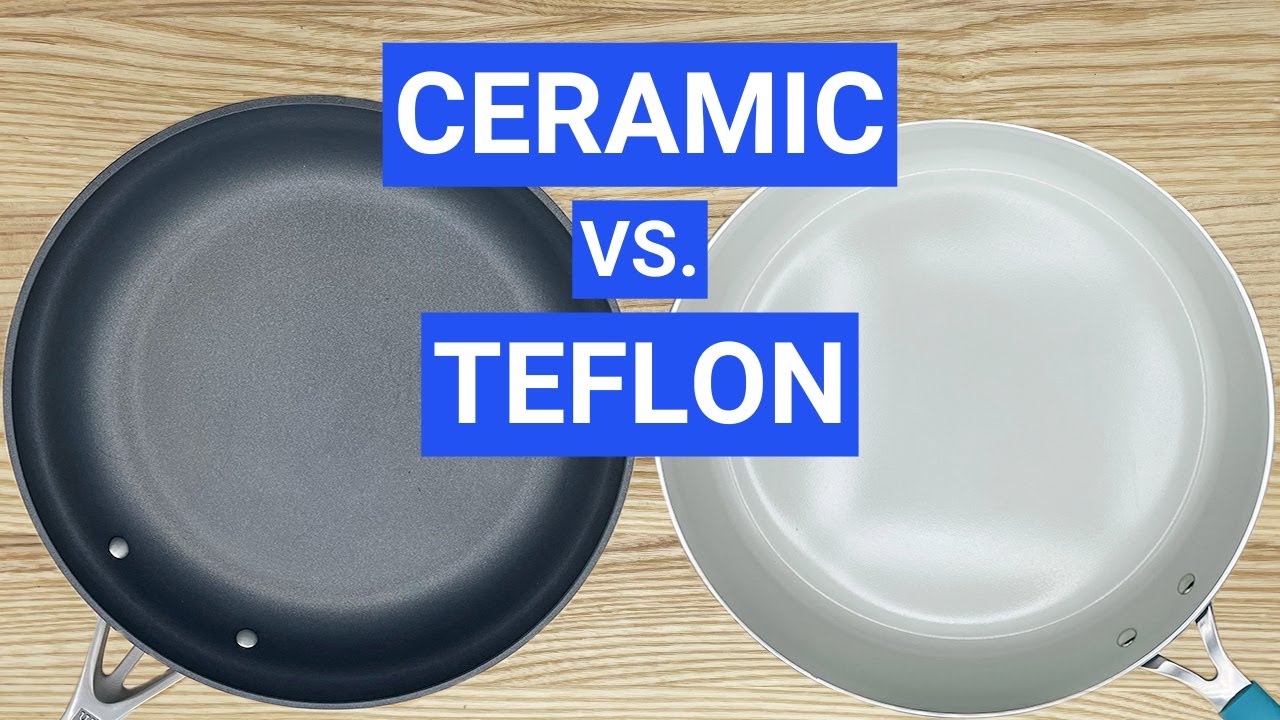
Non-stick pans need replacement more often due to coating wear. Users might replace them every 2 years. Ceramic cookware, with stronger surfaces, may last 4 to 6 years before replacement is needed.
Signs to replace cookware:
- Peeling or flaking coating (non-stick)
- Chips or cracks in ceramic surface
- Uneven heating or warping
Replacing cookware too late risks health and cooking quality. Old non-stick pans with damaged coating can release harmful substances. Cracked ceramic pans lose non-stick ability and may affect food safety.
Summary of replacement frequency:
| Cookware Type | Average Replacement Time |
|---|---|
| Non-stick | Every 2 years |
| Ceramic | Every 4–6 years |
Choosing cookware with longer life reduces how often you buy new pans. It saves money and reduces waste.
Credit: www.youtube.com
Environmental Impact
Choosing between non-stick and ceramic cookware involves more than just cooking performance. The environmental impact plays a key role in deciding which option is better for the planet. This section explores how both types affect the environment through their manufacturing, disposal, and availability of eco-friendly choices.
Manufacturing Process
The manufacturing of non-stick and ceramic cookware differs greatly, affecting their environmental footprints.
Non-stick cookware usually involves coating metal pans with substances like PTFE (polytetrafluoroethylene). This process requires chemical treatments and high temperatures. The production of PTFE and related chemicals can release harmful gases and use non-renewable resources.
- PTFE production emits greenhouse gases.
- High energy consumption during coating application.
- Use of fluorinated compounds, which are persistent in the environment.
Ceramic cookware is made by applying a natural mineral-based coating over metal or clay. This process involves heating at high temperatures but uses fewer chemicals.
- Uses natural minerals like silica and oxygen.
- Lower chemical emissions compared to non-stick coatings.
- Energy use mostly from kiln firing during production.
| Feature | Non-Stick Cookware | Ceramic Cookware |
|---|---|---|
| Raw Materials | PTFE, metals, fluorinated chemicals | Natural minerals, metals, clay |
| Energy Use | High (chemical coating process) | Moderate (kiln firing) |
| Chemical Emissions | Significant (greenhouse gases) | Low |
Disposability
How cookware is disposed of impacts the environment and waste management systems. Non-stick and ceramic cookware have different lifespans and recyclability.
Non-stick pans often have a shorter lifespan due to coating wear and damage. Once the coating peels or scratches, the pan is usually discarded.
- Non-stick coatings are hard to recycle.
- Discarded pans add to landfill waste.
- Coating materials can release toxins if burned.
Ceramic cookware tends to last longer if cared for properly. The ceramic coating is more durable but can still chip. Disposal options vary.
- Can be recycled if separated from metal base.
- Broken ceramic pieces may end up in landfill.
- Non-toxic if discarded properly.
| Aspect | Non-Stick Cookware | Ceramic Cookware |
|---|---|---|
| Lifespan | 2–5 years (depends on use) | 5–10 years or more |
| Recyclability | Low | Moderate (metal parts recyclable) |
| Environmental Risk | High if burned or discarded improperly | Low |
Eco-friendly Options
Eco-friendly cookware choices help reduce the environmental impact of cooking tools. Both non-stick and ceramic cookware have greener alternatives.
For non-stick cookware:
- Look for PFOA-free coatings to avoid harmful chemicals.
- Choose brands using recycled materials for the pan base.
- Consider ceramic-based non-stick coatings as a safer option.
For ceramic cookware:
- Select 100% natural, lead-free ceramic coatings.
- Buy cookware made with sustainably sourced raw materials.
- Opt for durable designs to extend lifespan and reduce waste.
Both types benefit from proper care to lengthen use and reduce waste. Eco-labels and certifications can guide buyers to greener products.
Choosing The Right Cookware
Choosing the right cookware is essential for a smooth and enjoyable cooking experience. Non stick and ceramic cookware both offer unique benefits, but selecting the best option depends on your cooking habits, budget, and safety concerns. Understanding these factors helps you pick cookware that fits your kitchen and lifestyle perfectly.
Cooking Style Considerations
Your cooking style plays a big role in deciding between non stick and ceramic cookware. Each type suits different cooking needs and methods. Non stick pans heat quickly and allow easy food release, making them great for frying eggs, pancakes, and delicate foods. They require less oil, promoting healthier meals.
- Non stick cookware: Ideal for low to medium heat cooking.
- Ceramic cookware: Better for higher heat and slow cooking.
Ceramic pans have a hard coating that handles a range of cooking styles, including sautéing and simmering. They maintain heat well and often work on induction stoves. Non stick pans may wear out faster if used on high heat.
| Cooking Need | Non Stick Cookware | Ceramic Cookware |
|---|---|---|
| Frying eggs and pancakes | Excellent, easy release | Good, but may need more oil |
| High heat cooking | Not recommended | Suitable and durable |
| Slow cooking and simmering | Fair | Very good, retains heat |
| Use on induction stove | Depends on base material | Usually compatible |
Budget And Preferences
Cost and personal taste impact cookware choice. Non stick cookware tends to be more affordable, especially in entry-level models. Ceramic cookware usually costs more but can last longer with proper care.
Consider these points:
- Non stick pans: Lower initial cost, but may need replacement every few years.
- Ceramic pans: Higher price but resist scratches and wear better.
Your kitchen style also matters. Non stick cookware often has a sleek, modern look. Ceramic cookware offers a more natural or colorful finish. Both come in various sizes and shapes to suit different cooking needs.
| Factor | Non Stick Cookware | Ceramic Cookware |
|---|---|---|
| Price range | $20 – $80 | $40 – $150 |
| Durability | 3-5 years | 5-10 years |
| Appearance options | Mostly dark, smooth surface | Varied colors, matte finish |
Safety Priorities
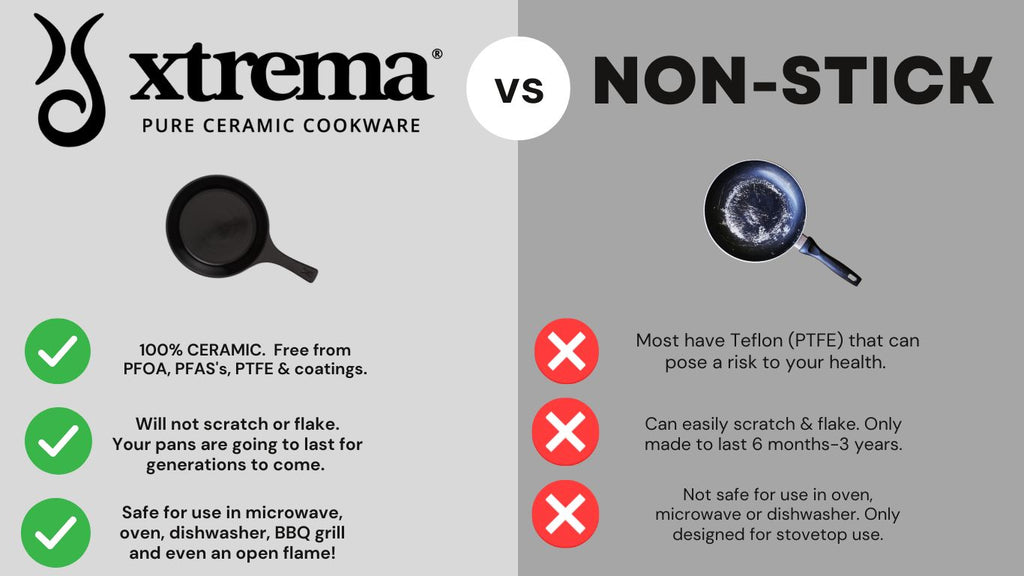
Safety is a key factor when choosing cookware. Non stick pans often use coatings like PTFE, which are safe if the pan is not overheated. Overheating can release harmful fumes. Ceramic cookware uses a natural, non-toxic coating that does not release fumes, making it safer for some users.
Keep these safety tips in mind:
- Do not heat non stick pans above medium heat.
- Check for cracks or chips in ceramic coating before use.
- Avoid metal utensils to protect both coatings.
- Choose cookware free from harmful chemicals like PFOA and lead.
Both types can be safe when used correctly. Ceramic cookware suits those who want chemical-free cooking surfaces. Non stick cookware offers convenience but needs careful heat control to stay safe.
Credit: xtrema.com
Frequently Asked Questions
Which Cookware Is Safer: Non-stick Or Ceramic?
Ceramic cookware is generally safer as it is free from harmful chemicals like PFOA and PTFE. Non-stick coatings may release toxins if overheated. Ceramic offers a natural, non-toxic cooking surface, making it a healthier choice for everyday use.
Does Ceramic Cookware Last Longer Than Non-stick?
Ceramic cookware tends to wear out faster due to chipping and cracking risks. Non-stick pans usually have a longer lifespan if used carefully. However, both require proper care to extend their durability and maintain performance.
Which Cookware Heats Food More Evenly?
Ceramic cookware provides more even heat distribution due to its dense material. Non-stick pans may have hot spots, causing uneven cooking. For consistent heat, ceramic is often preferred by home cooks and professionals alike.
Is Non-stick Or Ceramic Better For High-temperature Cooking?
Ceramic cookware handles high temperatures better without releasing toxins. Non-stick coatings can degrade and emit harmful fumes if overheated. For high-heat cooking like searing, ceramic is a safer and more durable option.
Conclusion
Choosing between non-stick and ceramic cookware depends on your needs. Non-stick pans heat quickly and clean easily. Ceramic cookware offers a natural, chemical-free surface. Both types cook food well and save time. Think about your cooking habits and care routine.
Durability and safety matter too. Pick the one that feels right for your kitchen. Either way, you can enjoy tasty meals with less hassle. Simple, smart choices make cooking easier and more fun.

Hello, This is Annie Walker, a 38-year-old blogger, founder, and editor of Cookware Guider from NY, USA. I am a cookware fanatic and passionate cooker. I love to cook with different types of cooking appliances (example: all types of cookware, rice cookers, slow cookers, etc) almost every day in my kitchen. I love to share my experience with my readers in my blog. Also, I enjoy helping people to solve their problems through my website. You can follow me on Twitter & Pinterest. To know details about my blog please check the about us page.