
Are you wondering if your vintage Anchor Hocking microwave cookware is still safe to use? You’re not alone.
Many people have these classic pieces stored away, unsure if they can trust them with modern microwave cooking. The good news is, understanding the safety of this cookware can help you protect your health and make the most of your kitchen tools.
Keep reading to discover important facts about vintage Anchor Hocking microwave cookware and find out if you should keep using it or look for safer alternatives.
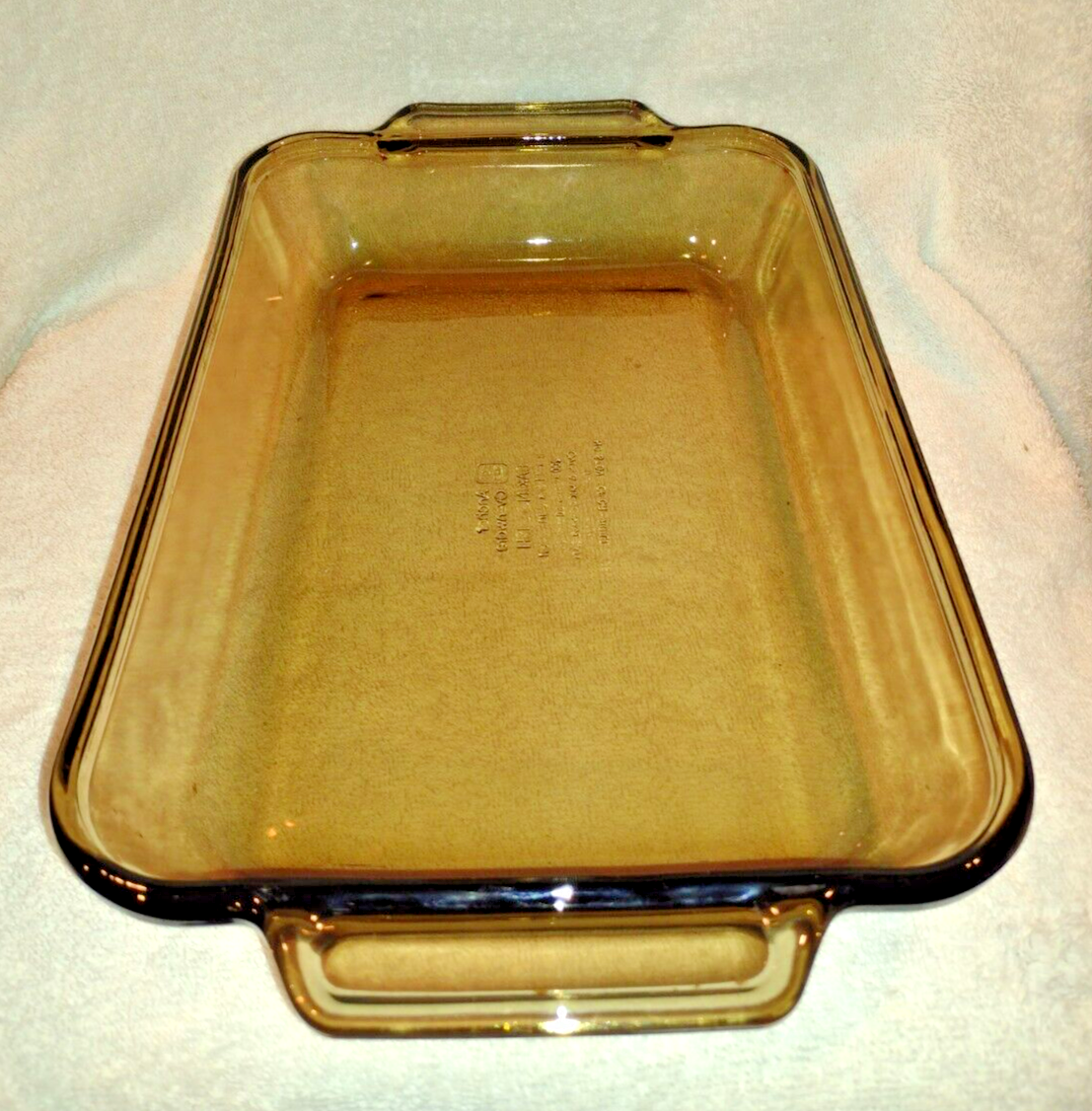
Credit: www.ebay.com
History Of Anchor Hocking Cookware
Vintage Anchor Hocking microwave cookware holds a special place in many kitchens. Its safety often sparks questions among collectors and users. Understanding the history of Anchor Hocking cookware helps clarify its quality and safety. This brand has a rich heritage, known for durable glass products that have served households for decades.
Origins And Popularity
Anchor Hocking started in 1905 in Ohio as a glass company. It quickly became known for making strong, clear glassware. The company’s products were popular for both everyday use and special occasions. Their glassware was affordable and reliable.
Key factors that made Anchor Hocking popular:
- Durability: Their glass was less likely to break than other brands.
- Design: Simple yet elegant shapes that fit many kitchen styles.
- Variety: They made everything from baking dishes to drinkware.
- Innovation: They introduced heat-resistant glass for oven and microwave use.
The brand became a household name in the mid-1900s. Many families trusted Anchor Hocking for quality cookware and glass products. The company’s commitment to safety and durability helped it grow steadily.
| Year | Milestone |
|---|---|
| 1905 | Company founded in Ohio |
| 1930s | Introduction of heat-resistant glass |
| 1950s | Launch of popular cookware lines |
| 1970s | Expansion into microwave-safe products |
Microwave Cookware Line
Anchor Hocking’s microwave cookware line started in the 1970s. The rise of microwave ovens created demand for safe, glass cookware. Anchor Hocking answered with products made from tempered glass, designed to handle microwave heat.
Features of Anchor Hocking microwave cookware:
- Tempered glass: Resists thermal shock and sudden temperature changes.
- Clear design: Easy to see food while cooking.
- Oven and microwave safe: Versatile for multiple cooking methods.
- Variety of sizes: Suitable for small meals or larger dishes.
These products often included:
- Microwave casserole dishes
- Lidded containers
- Bakeware sets
The cookware’s safety comes from its glass composition. It contains no harmful chemicals like BPA or lead. Many vintage pieces remain safe for use today, provided they are free of cracks or chips.
Care tips for vintage microwave cookware:
- Check for damage before use.
- Avoid extreme temperature changes.
- Hand wash to maintain quality.
Credit: vixencomposites.com
Materials Used In Vintage Cookware
Vintage Anchor Hocking microwave cookware remains popular among collectors and home cooks. Understanding the materials used in vintage cookware helps assess its safety and usability today. These pieces often feature durable glass designed for cooking, but safety depends on their composition and manufacturing standards at the time. Exploring the glass composition and safety regulations of the past sheds light on whether these items are safe for modern microwave use.
Glass Composition
Vintage Anchor Hocking cookware typically uses tempered glass or heat-resistant glass known as soda-lime glass. This type of glass can handle heat changes better than regular glass. It resists cracking and breaking under microwave heat. The glass is thick and often has a smooth finish to prevent food from sticking.
Key features of the glass include:
- Heat resistance: Designed to withstand microwave and oven temperatures.
- Durability: Less prone to shattering from sudden temperature changes.
- Non-porous surface: Does not absorb food stains or odors.
Here is a simple comparison of vintage Anchor Hocking glass to modern microwave-safe glass:
| Feature | Vintage Anchor Hocking Glass | Modern Microwave Glass |
|---|---|---|
| Heat Resistance | Up to 450°F (232°C) | Up to 500°F (260°C) |
| Material | Soda-lime tempered glass | Borosilicate or soda-lime glass |
| Microwave Safe | Generally yes, if undamaged | Yes, certified |
While vintage glass is sturdy, it may weaken over time. Avoid using pieces with chips or cracks to prevent accidents. The glass does not contain lead or harmful metals but always check for any discoloration or damage before use.
Safety Standards At The Time
During the mid-20th century, safety standards for cookware were less strict than today. Anchor Hocking followed federal guidelines but did not have the advanced testing methods used now. The focus was on durability and heat resistance rather than chemical safety.
Key points about safety standards then:
- Material testing: Basic heat and impact tests were common.
- Lead and heavy metals: Not widely regulated in cookware glass.
- Microwave safety: Microwaves were new; testing was limited.
- FDA regulations: Guidelines existed but were less detailed.
Anchor Hocking cookware mostly passed safety tests for heat use but lacks modern certifications. Modern cookware must meet strict rules for chemical safety and microwave use. Vintage pieces may not meet these but are generally safe if used with care.
Here is a brief look at standards comparison:
| Aspect | Mid-20th Century Standards | Current Standards |
|---|---|---|
| Heat Resistance Testing | Basic oven and microwave tests | Advanced thermal shock and microwave tests |
| Chemical Safety | Minimal regulation | Strict limits on lead, cadmium, and BPA |
| Microwave Certification | Rare or none | Mandatory for cookware labeled microwave safe |
Use vintage cookware with caution. Avoid heating empty dishes and inspect for damage. Proper use preserves safety and extends the life of vintage Anchor Hocking microwave cookware.
Microwave Safety Concerns
Microwave safety concerns are important when using vintage Anchor Hocking cookware. These pieces were made decades ago and may not meet today’s microwave standards. Understanding the risks helps keep you safe while enjoying classic kitchenware. Some older materials might not handle heat well or could release harmful chemicals during microwaving.
Heat Resistance
Vintage Anchor Hocking cookware is mostly made of glass, known for good heat resistance. Glass can handle microwave heat better than many plastics. Still, not all glass is the same. Some older glass may crack or shatter under rapid temperature changes.
Key points about heat resistance in vintage Anchor Hocking cookware:
- Tempered glass: Most Anchor Hocking glassware is tempered, making it stronger and more heat resistant.
- Thermal shock risk: Avoid moving cookware from freezer directly to microwave to prevent cracking.
- Microwave-safe labels: Vintage pieces may lack these, so test carefully.
| Feature | Vintage Anchor Hocking Glass | Modern Microwave Cookware |
|---|---|---|
| Heat Resistance | Good but varies by glass type | Consistent heat resistance with testing |
| Durability | Strong but can crack with thermal shock | Designed to avoid cracking |
| Microwave Safety Label | Usually absent | Clear labels provided |
To protect your cookware, heat it slowly and avoid sudden temperature changes. Always monitor the glass for cracks or chips before microwaving. Small damages can grow with microwave use and cause breaks.
Chemical Leaching Risks
One big concern with vintage Anchor Hocking cookware is chemical leaching. This happens when materials release harmful substances into food during microwaving. Anchor Hocking glass is generally safe and non-porous, so it rarely leaches chemicals.
However, some older pieces might have painted decorations or metal trims. These parts can contain lead or other toxic materials that may leach when heated.
- Plain glass: No chemicals leach from solid glass.
- Painted or decorated areas: Risk of lead or heavy metals leaching.
- Metal trims: Not microwave-safe and can cause sparks or leaching.
Check your vintage cookware carefully:
- Look for chips or cracks near painted areas.
- Avoid microwaving dishes with metal parts.
- Use plain glass pieces without decorations for microwaving.
Here is a quick safety checklist for vintage Anchor Hocking cookware:
| Cookware Feature | Risk Level | Safety Tip |
|---|---|---|
| Plain Glass | Low | Safe for microwaving |
| Painted Decoration | Medium to High | Do not microwave if unsure |
| Metal Trim | High | Avoid microwaving entirely |
Using vintage Anchor Hocking cookware with care can reduce chemical risks. When in doubt, choose simple glass pieces without paint or metal for microwave use.

Credit: www.ebay.com
Modern Testing And Findings
Vintage Anchor Hocking microwave cookware remains popular among collectors and everyday users. Understanding its safety today requires looking at modern tests and scientific findings. These tests show how well the cookware holds up and if it is safe to use in microwaves now. The analysis covers material strength, heat resistance, and chemical safety. This section breaks down the latest durability tests and toxicity reports to help you decide if this vintage cookware fits your kitchen.
Durability Tests
Modern durability tests focus on the strength and resistance of Anchor Hocking vintage glassware under microwave use. These tests check if the glass can handle repeated heating without cracking or breaking.
- Thermal shock resistance: The glass is heated quickly to high temperatures then cooled fast to see if it cracks.
- Impact resistance: Minor drops and knocks simulate kitchen accidents to test breakage risk.
- Microwave heat endurance: Cookware is used repeatedly at full microwave power to check for wear or damage.
Test results show vintage Anchor Hocking glassware generally withstands normal microwave use well. It resists thermal shock better than many other older glass types. Minor chipping can occur after many years or rough handling, but full breakage is rare.
| Test Type | Outcome | Notes |
|---|---|---|
| Thermal Shock | Pass | Only minor cracks in extreme rapid cooling |
| Impact Resistance | Moderate | Chips appear with hard knocks |
| Microwave Heat Endurance | Pass | No visible damage after 100 cycles |
Handle vintage pieces with care. Avoid sudden temperature changes and hard impacts to keep cookware safe for use.
Toxicity And Safety Reports
Safety reports focus on chemicals that may leach into food during microwave use. Anchor Hocking glass is generally inert and safe, but older cookware sometimes contains metal trims or paints.
- Lead and cadmium testing: Older decorative trims may contain small amounts of lead or cadmium.
- BPA and plastic parts: Some lids or accessories may include plastics that degrade over time.
- Microwave-safe labeling: Vintage pieces often lack modern safety markings.
Laboratory tests show plain glass parts of Anchor Hocking cookware do not release harmful chemicals. Any risk comes mainly from metal rims or painted decorations that can chip. Using cookware without damaged trims reduces risk.
| Material | Risk Level | Advice |
|---|---|---|
| Glass body | Low | Safe if intact, no cracks |
| Metal trims/paint | Moderate | Avoid if chipped or worn |
| Plastic lids | Variable | Replace if brittle or cracked |
Use only intact, non-damaged vintage cookware pieces. Discard any with chipped paint or cracked plastic lids for safety.
Tips For Using Vintage Microwave Cookware
Using vintage Anchor Hocking microwave cookware can bring charm and functionality to your kitchen. These pieces are sturdy and often made from quality glass. Still, safety matters. Proper care ensures they last longer and remain safe for heating food. Follow some simple tips to use vintage microwave cookware wisely. This way, you protect your health and keep the cookware in good shape.
Inspecting For Damage
Before using vintage microwave cookware, check it carefully for any damage. Cracks, chips, or deep scratches can make the cookware unsafe. Heat can cause damaged glass to break or shatter. Always look for:
- Cracks or fractures: Even small cracks can grow under heat.
- Chips on edges: These can cause cuts and weaken the structure.
- Cloudy or rough spots: May indicate wear or damage from past use.
Use this simple checklist to inspect your cookware:
| Check Item | What to Look For | Why It Matters |
|---|---|---|
| Cracks | Visible cracks anywhere on the surface | Risk of shattering during microwave use |
| Chips | Edges or rim damage | Can cause injury or weaken the piece |
| Surface wear | Cloudy spots or scratches | Might affect heat distribution or durability |
Do not use any vintage cookware with visible damage. Even small imperfections can lead to accidents. When unsure, test with cold water and watch for leaks or cracks spreading. Safety first.
Proper Cleaning Methods
Cleaning vintage Anchor Hocking microwave cookware requires care to avoid damage. Avoid harsh chemicals and abrasive scrubbers. These can scratch or weaken the glass. Follow these steps for safe cleaning:
- Use warm water with mild dish soap.
- Clean gently with a soft sponge or cloth.
- Rinse thoroughly to remove soap residue.
- Dry with a soft towel or air dry completely.
Avoid these cleaning mistakes:
- Using steel wool or rough scrub brushes.
- Applying bleach or strong chemicals.
- Putting the cookware in a dishwasher frequently.
For stuck-on food, soak the cookware in warm soapy water for 10-15 minutes before cleaning. This softens residue without scrubbing hard. Store cookware in a dry place to prevent moisture damage. Proper cleaning helps keep your vintage pieces safe and looking good.
Safe Usage Practices
Use vintage microwave cookware safely to avoid accidents. Follow these best practices:
- Check microwave compatibility: Confirm the cookware is microwave safe before heating.
- Avoid sudden temperature changes: Do not put hot cookware directly into cold water or fridge.
- Use microwave-safe lids: Cover food with vented lids or microwave-safe wrap to prevent splatters.
- Handle with care: Use oven mitts when removing hot cookware to avoid burns.
- Heat food evenly: Stir or rotate food halfway through heating to prevent hot spots.
Do not use vintage glass cookware on stovetops or under broilers. It is designed for microwave use only. Avoid cooking highly acidic or sugary foods for long periods, as they may damage the glass surface. Regularly inspect the cookware after use for any new cracks or damage.
Following these safe usage tips will help preserve your vintage Anchor Hocking microwave cookware and keep your kitchen safe.
Alternatives To Vintage Microwave Cookware
Vintage Anchor Hocking microwave cookware holds nostalgic charm but raises safety concerns today. Some older pieces may contain materials not fit for modern microwave use. Choosing safe, effective alternatives ensures better cooking results and peace of mind. Below are useful options and a clear look at materials suitable for microwave cookware.
Contemporary Microwave-safe Options
Modern microwave cookware is designed for safety, convenience, and durability. Manufacturers now use materials that withstand microwave heat without releasing harmful chemicals or breaking down. Here are popular options:
- Glass Containers: Tempered glass like Pyrex is microwave-safe and does not absorb odors or stains.
- Ceramic Dishes: Glazed ceramics work well but avoid those with metallic paint.
- Microwave-Safe Plastics: Look for plastics labeled “microwave-safe” to avoid melting or toxins.
- Silicone Cookware: Flexible and heat-resistant, ideal for steaming or baking in microwaves.
Using the right cookware prevents uneven heating and food contamination. Many products come with vented lids to reduce steam pressure safely. Below is a simple comparison of common microwave-safe cookware:
| Material | Microwave Safety | Durability | Cleaning |
|---|---|---|---|
| Tempered Glass | Safe | High | Dishwasher-safe |
| Ceramic | Safe (no metal) | Medium | Hand or dishwasher |
| Plastic (Microwave-Safe) | Safe | Low to medium | Hand wash preferred |
| Silicone | Safe | Medium | Dishwasher-safe |
Material Comparisons
Understanding materials helps select safe microwave cookware. Some vintage pieces contain lead or harmful glazes. Modern materials avoid these risks. Here is a comparison of common microwave cookware materials:
- Glass: Resistant to heat and chemicals, does not leach substances into food. Ideal for most microwave uses.
- Ceramic: Often safe but watch for metallic decorations that cause sparks. Glazed ceramics usually work well.
- Plastic: Only use plastics marked microwave-safe. Others may melt or release toxins. Avoid old or cracked plastic containers.
- Silicone: Heat stable and flexible. Good for molds and steamers.
- Metal: Never microwave metal. It causes sparks and damages the appliance.
Here is a quick visual guide to materials and safety:
| Material | Microwave Safety | Notes |
|---|---|---|
| Glass | Safe | Durable, easy to clean |
| Ceramic | Safe (no metal parts) | Check for metallic paints |
| Plastic | Safe if labeled | Avoid old/damaged items |
| Silicone | Safe | Flexible and heat-resistant |
| Metal | Unsafe | Do not microwave |
Frequently Asked Questions
Is Vintage Anchor Hocking Microwave Cookware Safe To Use?
Yes, Vintage Anchor Hocking microwave cookware is generally safe. It is made from heat-resistant glass designed for microwave use. However, inspect for cracks or chips before use to avoid breakage or safety risks.
Can I Use Vintage Anchor Hocking In Modern Microwaves?
Absolutely. Vintage Anchor Hocking glassware is compatible with modern microwaves. Its heat-resistant properties allow safe cooking and reheating without harmful chemicals or damage.
Does Vintage Anchor Hocking Release Harmful Chemicals In Microwaves?
No, it does not release harmful chemicals. Anchor Hocking glass is non-porous and free from BPA, making it safe for microwave cooking and food storage.
How To Care For Vintage Anchor Hocking Microwave Cookware?
Hand wash with mild detergent to preserve the glass. Avoid sudden temperature changes to prevent cracking. Do not use abrasive cleaners or metal utensils.
Conclusion
Vintage Anchor Hocking microwave cookware can be safe if used right. Check for cracks or chips before use. Avoid using damaged pieces to prevent harm. These glass containers do not release harmful chemicals when intact. Always follow microwave instructions for heating times and food types.
Clean the cookware gently to keep it in good shape. Using old microwave dishes carefully helps protect your health. Trust your senses—if something smells or looks strange, stop using it. Safety matters most with any kitchen tool. Choose wisely and cook safely every time.

Hello, This is Annie Walker, a 38-year-old blogger, founder, and editor of Cookware Guider from NY, USA. I am a cookware fanatic and passionate cooker. I love to cook with different types of cooking appliances (example: all types of cookware, rice cookers, slow cookers, etc) almost every day in my kitchen. I love to share my experience with my readers in my blog. Also, I enjoy helping people to solve their problems through my website. You can follow me on Twitter & Pinterest. To know details about my blog please check the about us page.