
Are you wondering if your favorite pots and pans will work with your new induction cooktop? Choosing the right cookware can be confusing, especially when induction technology uses a different heating method than traditional stoves.
If you want to cook efficiently and avoid wasted time or money, it’s important to know which cookware is compatible. You’ll discover exactly what makes cookware work with induction cooktops and how to pick the best pieces for your kitchen.
Keep reading to make sure your cooking experience is smooth and enjoyable every time.
Credit: www.frigidairearabia.com
How Induction Cooktops Work
Induction cooktops heat pots and pans using magnetic energy. This method is different from traditional gas or electric stoves. It heats cookware directly, not the cooktop surface.
Because of this, induction cooktops are very fast and energy-efficient. They also stay cooler, making cooking safer and easier to clean.
How Magnetic Fields Create Heat
Induction cooktops use a coil of copper wire under the glass surface. When electricity passes through this coil, it creates a magnetic field. This field changes quickly, creating an electric current in the cookware.
The electric current heats the cookware directly. This heat cooks the food inside the pot or pan.
Why Cookware Material Matters
The magnetic field only works with cookware made from certain metals. Cookware must be ferromagnetic to work. This means the metal can be magnetized.
Common compatible materials include cast iron and some stainless steel. Aluminum, copper, and glass pots usually do not work unless they have a magnetic base.
Safety And Efficiency Benefits
The cooktop stays cool because heat comes from the pan. This reduces burns and accidents. Energy is not wasted heating the air or cooktop surface.
Heat transfers quickly and evenly, so cooking times are shorter. This saves energy and keeps food tasting better.
Key Cookware Materials For Induction
Choosing the right cookware is important for induction cooktops. Not all pots and pans work with this type of stove. The key factor is the material of the cookware. It must have magnetic properties to heat properly on induction surfaces.
Here are the main materials that work well with induction cooktops. Each has its own benefits and cooking styles.
Magnetic Stainless Steel
Magnetic stainless steel cookware is great for induction cooking. It heats quickly and evenly. This material is also durable and resists rust. Many stainless steel pans have a layered base to improve heat distribution. This cookware is easy to clean and looks modern in any kitchen.
Cast Iron
Cast iron is a classic choice for induction cooktops. It holds heat very well and cooks food evenly. This material is heavy but lasts for many years. Cast iron needs to be seasoned to keep it non-stick. It works well for frying, searing, and slow cooking.
Enamel-coated Cast Iron
Enamel-coated cast iron combines cast iron strength with a smooth surface. The enamel coating prevents rust and does not need seasoning. It is easy to clean and comes in many colors. This cookware is perfect for soups, stews, and baking.
Carbon Steel
Carbon steel heats up fast and is lighter than cast iron. It works well on induction cooktops and is very durable. Carbon steel pans need regular seasoning to keep a non-stick surface. This type is popular for stir-frying and high-heat cooking.
Cookware Not Compatible With Induction
Not all cookware works on induction cooktops. Induction uses magnets to heat pots and pans. Cookware must have a magnetic base to work. Some materials do not have this property. Using incompatible cookware means your cooktop will not heat up. Knowing which cookware does not work helps avoid frustration and wasted money.
Aluminum And Copper
Aluminum and copper are popular for cooking. Both heat quickly and evenly. Yet, these metals are not magnetic. Induction cooktops cannot detect them. Unless they have a special magnetic layer added, they will not work. Plain aluminum and copper pans will not heat on induction surfaces.
Glass And Ceramic
Glass and ceramic cookware look nice and are safe to use. They do not contain metal, so they cannot generate heat on induction cooktops. These materials stay cool and only get hot from the heat of other sources. Glass and ceramic pots and pans are not compatible with induction cooking.
Non-magnetic Stainless Steel
Stainless steel is common in kitchens. Some types of stainless steel are magnetic, while others are not. Non-magnetic stainless steel will not work on induction cooktops. You can test with a magnet. If the magnet does not stick, the pan will not heat. Only magnetic stainless steel pans are good for induction cooking.

Credit: stahlkitchens.com
Testing Cookware For Induction Compatibility
Testing cookware for induction compatibility is simple and quick. It helps you avoid buying pots and pans that won’t work on your cooktop. You can check your existing cookware at home without special tools.
Two easy methods help you know if your cookware suits induction cooktops. One is the magnet test, and the other is checking manufacturer labels. Both give clear answers about your pots and pans.
Magnet Test
Take a small magnet and place it on the bottom of your cookware. If the magnet sticks well, the cookware is induction compatible. This means the base contains magnetic materials like iron or steel.
If the magnet does not stick, the cookware will not work with induction cooktops. Glass, aluminum, and copper pots usually fail this test unless they have a magnetic layer at the bottom. The magnet test is the fastest and easiest way to check.
Manufacturer Labels And Symbols
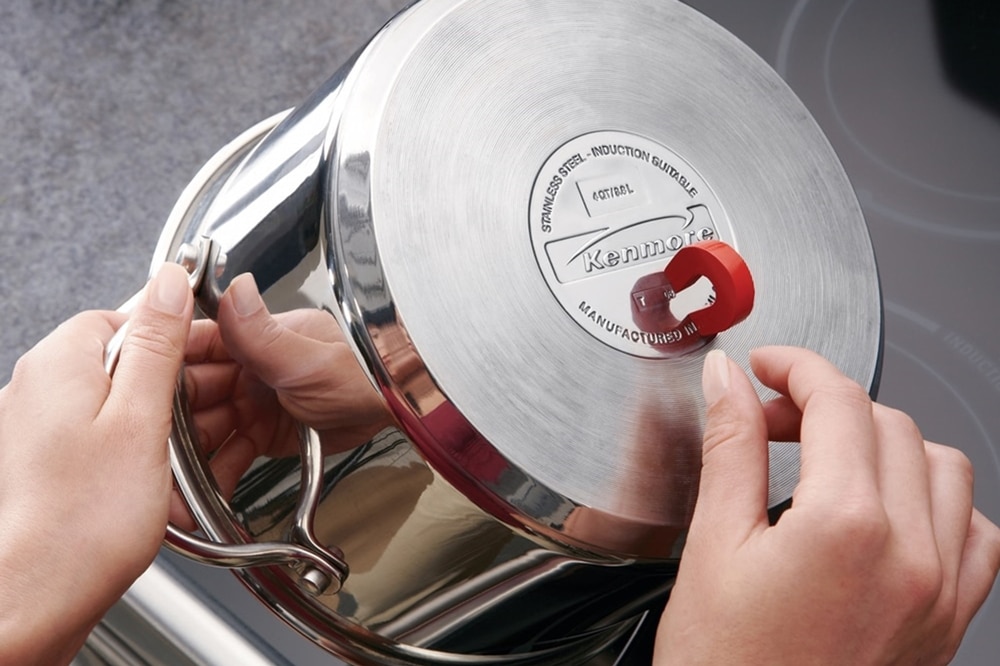
Check the bottom or packaging of your cookware for specific symbols. Induction-compatible cookware often has a coil or spiral symbol. This mark shows the pot or pan works with induction heat.
Some manufacturers write “induction ready” or “induction compatible” on their labels. These words confirm the cookware suits your cooktop. Always look for these signs before buying new pots and pans.
Choosing The Right Induction Cookware
Choosing the right cookware for your induction cooktop is important. Not all pots and pans work well with induction technology. Selecting the correct cookware improves cooking results and saves energy. This guide helps you pick the best options for your kitchen.
Size And Shape Considerations
Choose cookware that matches the size of your induction burner. Small pans on large burners waste energy. Large pans on small burners may not heat evenly. Round, flat bottoms work best. Avoid warped or curved bases that reduce contact with the cooktop.
Weight And Handle Design
Cookware should feel balanced and comfortable to hold. Heavy pots stay stable on the cooktop but can be hard to lift. Lightweight pans are easy to move but may slide. Handles must be heat-resistant and secure. Stay-cool handles improve safety during cooking.
Maintenance And Durability
Pick materials that resist rust and damage. Stainless steel and cast iron last long with proper care. Avoid cookware that stains or scratches easily. Non-stick coatings should be safe for induction and durable. Easy cleaning saves time and keeps your cookware looking new.
Popular Brands And Sets For Induction
Choosing the right cookware for induction cooktops is key. Popular brands offer sets designed to work well on induction surfaces. These sets combine quality, durability, and style. They help cooks save time and energy.
Many brands create cookware with magnetic bases. This feature makes them perfect for induction cooking. Cookware sets often include pots, pans, and lids. This variety suits many cooking needs.
All-clad
All-Clad is known for premium stainless steel cookware. Their sets have a magnetic base for induction use. The material heats evenly and resists warping. Many chefs prefer All-Clad for reliable performance.
Calphalon
Calphalon offers affordable induction-compatible cookware. Their sets use hard-anodized aluminum with stainless steel bottoms. This design ensures quick and even heat. Calphalon cookware is durable and easy to clean.
Le Creuset
Le Creuset features cast iron cookware with enamel coating. Their pots and pans work well on induction cooktops. Cast iron holds heat for steady cooking. The colorful designs add charm to any kitchen.
T-fal
T-fal makes non-stick cookware sets compatible with induction. Their products have magnetic stainless steel bases. These sets heat fast and clean easily. T-fal offers good value for everyday cooking.
Duxtop
Duxtop specializes in induction-ready cookware sets. Their stainless steel pieces offer strong magnetic properties. Duxtop sets are lightweight and dishwasher safe. They suit both beginners and experienced cooks.
Tips For Using Induction Cookware Efficiently
Using induction cookware correctly can improve your cooking experience. It helps save energy and cooks food evenly. Knowing how to handle your pots and pans will keep them in good shape and prevent problems. These tips focus on heat, cleaning, and common issues to help you use your induction cookware efficiently.
Heat Distribution
Induction cooktops heat cookware quickly. Use pans with a flat, smooth bottom for best results. Cookware made from magnetic materials spreads heat evenly. Avoid using warped or damaged pans. Keep the pan centered on the burner for uniform heating. Use medium heat settings for most cooking tasks. This prevents food from burning and saves energy.
Cleaning And Care
Clean your cookware after every use. Use a soft cloth or sponge with mild soap. Avoid abrasive cleaners that can scratch the surface. Dry pots and pans immediately to prevent rust. For stuck-on food, soak the pan in warm water before cleaning. Keep the induction cooktop surface clean to avoid marks. Regular care extends the life of both cookware and cooktop.
Avoiding Common Issues
Do not use cookware without a magnetic base. Test with a magnet before buying new pans. Avoid sliding pots on the cooktop to prevent scratches. Use cookware that matches the size of the burner. Small pans on large burners may not heat properly. Check for cracks or damage regularly. Replace any cookware that shows wear to ensure safety.

Credit: linarie.com.au
Frequently Asked Questions
What Types Of Cookware Work On Induction Cooktops?
Cookware must be magnetic to work on induction cooktops. Cast iron, stainless steel with magnetic bases, and enameled steel are compatible. Aluminum, copper, and glass alone won’t work unless they have a magnetic layer on the bottom.
How To Test If Cookware Is Induction Compatible?
Use a magnet to test cookware compatibility. If a magnet sticks firmly to the bottom, it works on induction cooktops. This simple test helps ensure your pots and pans will heat efficiently on induction surfaces.
Can You Use Stainless Steel On Induction Cooktops?
Yes, stainless steel cookware works if it has a magnetic base. Not all stainless steel is compatible, so check for induction-ready labels or test with a magnet. It offers durability and even heating for induction cooking.
Is Cast Iron Safe For Induction Cooktops?
Cast iron is excellent for induction cooktops. Its magnetic properties make it highly compatible. However, be careful handling as it is heavy and can scratch the cooktop surface if dragged.
Conclusion
Choosing the right cookware for induction cooktops is key. Cast iron and stainless steel work best. Cookware must have a magnetic base to heat properly. Non-magnetic pots and pans won’t heat up well. Check your cookware with a magnet to be sure.
This helps save time and avoids frustration. Using the right pots makes cooking easier and safer. Keep these tips in mind for smooth cooking. Enjoy the benefits of your induction cooktop fully. Simple steps lead to great meals every time.

Hello, This is Annie Walker, a 38-year-old blogger, founder, and editor of Cookware Guider from NY, USA. I am a cookware fanatic and passionate cooker. I love to cook with different types of cooking appliances (example: all types of cookware, rice cookers, slow cookers, etc) almost every day in my kitchen. I love to share my experience with my readers in my blog. Also, I enjoy helping people to solve their problems through my website. You can follow me on Twitter & Pinterest. To know details about my blog please check the about us page.