
Have you ever struggled to get perfectly smooth mashed potatoes or wondered how chefs make fluffy, light dishes without lumps? The secret tool behind these kitchen wonders might be something you haven’t tried yet—a ricer.
If you want to take your cooking to the next level and impress your family with restaurant-quality textures, understanding what a ricer is used for could change the way you prepare meals forever. Keep reading, and you’ll discover how this simple gadget can transform your everyday cooking.
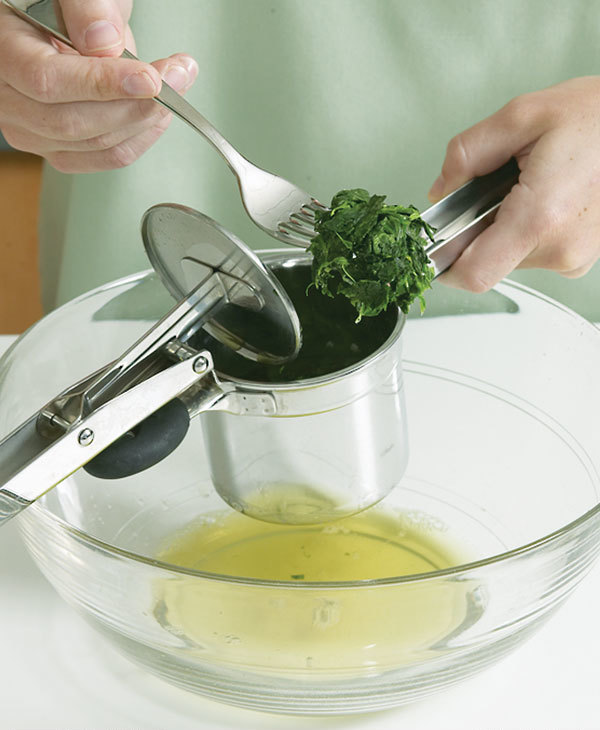
Credit: www.cuisineathome.com
Purpose Of A Ricer
A ricer is a kitchen tool designed to create soft, fluffy, and smooth food textures. It pushes cooked vegetables or fruits through small holes, breaking them into fine pieces. This process helps achieve a delicate consistency that is difficult to get with other tools.
Its main purpose is to improve texture and make food easier to eat. It is commonly used for potatoes but works well with other soft foods too. The ricer helps cook dishes look and taste better by creating a uniform texture.
Achieving Smooth Texture
The ricer makes food very smooth without lumps. It gently breaks down cooked potatoes or vegetables into tiny, even pieces. This results in a creamy texture that feels light and airy. The smoothness improves the taste and presentation of dishes.
Alternatives To Mashing
Many people mash potatoes with a fork or masher. The ricer offers a different method that creates finer results. It avoids overworking the food, which can make it sticky or gluey. Using a ricer is a simple way to get perfect softness every time.
Benefits Over Other Tools
The ricer is easy to use and clean. It requires less effort than traditional mashing tools. It also reduces the chance of lumps, making food look better. The tool keeps food light and fluffy, unlike blenders or food processors that can make it dense.
Common Foods For Ricing
A ricer is a handy kitchen tool for making soft, smooth food textures. It works well with many types of foods beyond just potatoes.
Using a ricer helps create light, fluffy dishes. It also keeps the food lump-free and easy to mix with other ingredients.
Potatoes
Potatoes are the most popular food for ricing. They become creamy and airy, perfect for mashed potatoes. Ricing removes lumps and makes the texture smooth. It works best with boiled or steamed potatoes. This method keeps the potatoes light and fluffy.
Vegetables
A ricer works well with cooked vegetables like carrots, cauliflower, and sweet potatoes. It turns them into a soft puree. This helps make baby food or vegetable sides. The riced vegetables blend easily with sauces or seasonings. They cook quickly and have a nice texture after ricing.
Fruits And Berries
Soft fruits and berries can be riced for sauces or desserts. Cooked apples, pears, and berries become smooth and easy to spread. A ricer removes seeds and skins for a clean texture. This method is great for making jams, fruit purees, or fillings.
How To Use A Ricer
Using a ricer in cooking helps create smooth, fluffy textures. It works well for potatoes, vegetables, and fruits. Learning to use a ricer properly makes your dishes better and easier to prepare.
Preparing Ingredients
Start by cooking the food until it is soft. Potatoes should be boiled or steamed until tender. Remove any skins or tough parts before ricing. Cut large pieces into smaller chunks for easier handling. Make sure the food is warm, not hot, for safe use.
Step-by-step Process
Place the cooked food inside the ricer basket. Hold the handles firmly with both hands. Press the handles together slowly and evenly. The food will pass through small holes, creating soft strands. Collect the riced food in a bowl or pan. Repeat until all food is processed. Avoid forcing the handles too hard to prevent damage.
Tips For Best Results
Use a ricer immediately after cooking for best texture. Avoid overfilling the basket to keep the process smooth. Clean the ricer right after use to prevent sticking. Use gentle pressure for even and fluffy results. Ricing warm food helps it mix well with butter or cream.
Ricer Vs. Other Kitchen Tools
The ricer is a unique kitchen tool with a special purpose. It creates smooth, fluffy textures in foods by pressing them through small holes. Many cooks wonder how it compares to other common tools. Understanding these differences helps you choose the best tool for your cooking needs.
Ricer Vs. Masher
A masher crushes food by pressing or smashing. It leaves a chunkier texture with some lumps. A ricer pushes food through tiny holes. It creates a finer, smoother result. The ricer works well for soft foods like potatoes or vegetables. The masher is quicker but less smooth. The ricer takes more effort but gives a silky finish.
Ricer Vs. Food Mill
A food mill separates seeds and skins from soft foods. It uses a hand crank and different discs. The ricer only presses food through holes. The food mill handles larger amounts at once. It is good for sauces and purees. The ricer is simpler and easier to clean. It works best for soft foods without skins.
When To Choose A Ricer
Use a ricer when you want very smooth, lump-free results. It is perfect for making mashed potatoes or baby food. It also works well for cooked vegetables and fruits. The ricer keeps food light and airy. Choose it when texture matters most in your dish. It is a helpful tool for refined cooking tasks.
Maintaining Your Ricer
Maintaining your ricer is key to keeping it in good shape. A well-kept ricer works better and lasts longer. Simple care steps prevent rust and food buildup.
Regular cleaning and proper storage help your tool stay ready for use. Pay attention to the material of your ricer for the best care methods.
Cleaning Tips
Rinse your ricer right after use to stop food from drying. Use warm, soapy water and a soft brush to clean holes. Avoid harsh scrubbing that can damage the surface. Dry your ricer fully to stop rust from forming.
Storage Advice
Store your ricer in a dry place to keep it rust-free. Use a drawer or cupboard where it won’t get bent or crushed. Hanging it can save space and keep it safe. Keep it away from heavy items that can cause damage.
Material Considerations
Stainless steel ricers resist rust and need less care. Aluminum ricers are light but can discolor if not dried well. Plastic ricers are easy to clean but may break more easily. Choose care steps that match your ricer’s material type.

Credit: en.wikipedia.org
Creative Uses Beyond Potatoes
The ricer is not just for potatoes. It works well with many soft foods. Its design helps create smooth textures without lumps. This makes it useful beyond mashed potatoes.
Many cooks use a ricer to prepare gentle, fine purees. It can handle fruits, vegetables, and even dough. This tool brings a new level of ease and quality to cooking.
Pureeing Soft Fruits
Use the ricer to mash soft fruits like berries and bananas. It creates smooth, lump-free fruit purees. These are perfect for desserts, sauces, or toppings. The ricer keeps seeds and skins separate for a clean texture.
Preparing Baby Food
A ricer is great for making homemade baby food. It gently breaks down cooked vegetables and fruits. This creates soft, easy-to-eat meals for babies. The tool helps keep food natural without added chemicals or preservatives.
Making Gnocchi Dough
The ricer helps prepare light and fluffy gnocchi dough. It evenly crushes cooked potatoes, key for soft dough. This makes shaping gnocchi easier and prevents tough texture. Using a ricer improves the final dish’s quality.

Credit: www.youtube.com
Frequently Asked Questions
What Is A Ricer Used For In Cooking?
A ricer is used to create smooth, fluffy textures in foods like potatoes. It forces cooked ingredients through small holes, breaking them down evenly. This tool helps avoid lumps and creates light mashed potatoes or purees with a consistent texture.
Can A Ricer Be Used For Vegetables Other Than Potatoes?
Yes, a ricer can puree vegetables like carrots, cauliflower, and squash. It helps achieve a smooth consistency without overworking the food. This makes it ideal for baby food or silky vegetable side dishes.
How Does A Ricer Improve Mashed Potatoes?
A ricer produces lump-free, airy mashed potatoes by gently pressing cooked potatoes. It prevents overmixing, which can make potatoes gluey. The result is a light, creamy texture that enhances flavor and presentation.
Is A Ricer Better Than A Potato Masher?
A ricer provides a finer, smoother texture than a traditional masher. It avoids lumps and overworking the potatoes. However, mashers are quicker and simpler for rustic mashed potatoes. The choice depends on desired texture and effort.
Conclusion
A ricer helps make soft, smooth mashed potatoes. It also works well with other vegetables like carrots or cauliflower. Using a ricer saves time and effort in the kitchen. It creates a finer texture than mashing by hand. Many cooks enjoy the light and fluffy results.
This simple tool can improve your meals quietly but effectively. Try it to see the difference in your cooking. A ricer is a small tool with a big impact.

Hello, This is Annie Walker, a 38-year-old blogger, founder, and editor of Cookware Guider from NY, USA. I am a cookware fanatic and passionate cooker. I love to cook with different types of cooking appliances (example: all types of cookware, rice cookers, slow cookers, etc) almost every day in my kitchen. I love to share my experience with my readers in my blog. Also, I enjoy helping people to solve their problems through my website. You can follow me on Twitter & Pinterest. To know details about my blog please check the about us page.