
Are you tired of cookware that scratches easily or loses its shine after a few uses? Hard anodized cookware might be just what your kitchen needs.
It offers a durable, non-stick surface that stands up to everyday cooking without wearing out. You’ll discover what hard anodized cookware is, why it’s gaining popularity, and how it can make your cooking experience easier and more enjoyable. Keep reading to find out if this could be the upgrade your kitchen deserves.
Hard Anodized Cookware Basics
Hard anodized cookware is popular for its durability and even heating. It stands out from regular cookware because of its strong surface. This cookware type lasts longer and resists scratches and corrosion. Understanding its basics helps in choosing the right pans for your kitchen.
Material Composition
Hard anodized cookware is made primarily from aluminum. Aluminum is a lightweight metal known for excellent heat conduction. The cookware goes through a special process that changes the aluminum’s surface. This process creates a hard, non-reactive layer that protects the metal underneath.
Key materials and features include:
- Aluminum base: Provides fast, even heating.
- Anodized surface: Extra hard and scratch-resistant.
- Non-reactive layer: Prevents food from reacting with metal.
- Optional non-stick coating: Some cookware has a non-stick finish on top.
| Material | Function | Benefit |
|---|---|---|
| Aluminum | Base metal | Lightweight, good heat conductor |
| Hard Anodized Layer | Surface treatment | Durable, scratch and corrosion-resistant |
| Non-stick Coating (optional) | Surface finish | Easy food release and cleaning |
The hard anodized layer is thicker and tougher than regular aluminum oxide. This makes the cookware strong and ideal for daily use. It also reduces the chance of warping or bending during cooking.
Manufacturing Process
The manufacturing of hard anodized cookware involves several careful steps. The process changes the aluminum surface to make it harder and more durable. This is done through a controlled electrochemical reaction.
Steps of the manufacturing process include:
- Cleaning: Aluminum is cleaned to remove dirt and oils.
- Electrolytic anodizing: The aluminum is dipped in an acid bath and electric current passes through it.
- Oxide layer formation: A thick oxide layer forms on the surface.
- Sealing: The surface pores are sealed to lock in durability and resistance.
- Optional coating: A non-stick layer may be applied for easier cooking.
| Step | Description | Purpose |
|---|---|---|
| Cleaning | Remove impurities from aluminum | Prepare surface for anodizing |
| Electrolytic anodizing | Use acid bath and electric current | Form hard oxide layer |
| Oxide layer formation | Oxide builds up on surface | Increase durability and hardness |
| Sealing | Close surface pores | Improve corrosion resistance |
| Optional coating | Apply non-stick finish | Enhance food release and cleaning |
This process results in cookware that is strong, long-lasting, and safe for cooking. The anodized surface does not peel or chip. It also stands up well to metal utensils and high heat.
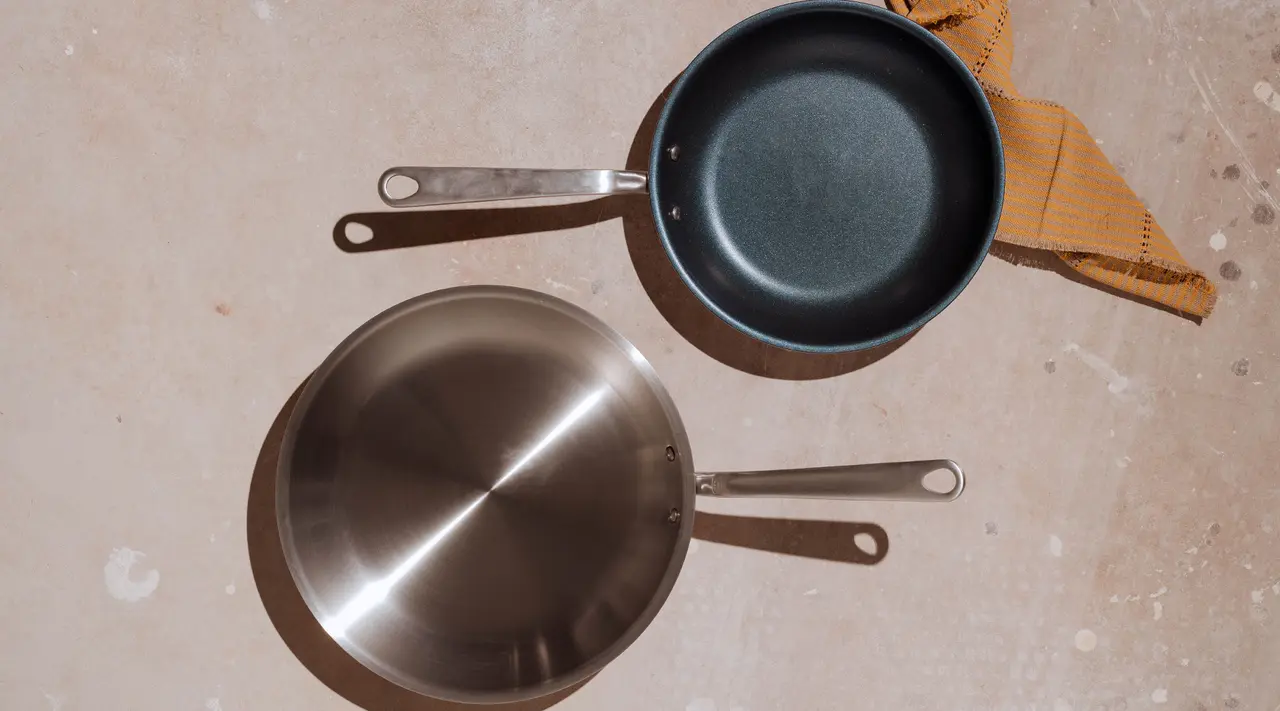
Credit: madeincookware.com
Durability And Strength
Hard anodized cookware stands out for its impressive durability and strength. The anodizing process creates a tough, protective layer on the cookware’s surface. This layer makes the cookware harder than regular aluminum, offering excellent resistance to wear and tear. Durability and strength are key reasons many home cooks choose hard anodized pots and pans. These qualities ensure the cookware stays in good shape through regular use, maintaining performance and appearance over time.
Scratch Resistance
Hard anodized cookware features a surface that resists scratches better than many other materials. The anodizing process transforms the aluminum surface into a hard, ceramic-like layer. This layer is much tougher than the original metal underneath. As a result, it can handle metal utensils and abrasive cleaning tools without easily showing marks.
Key points about scratch resistance:
- Hard surface: The anodized layer is harder than stainless steel in some cases.
- Protection: Resists scratches from forks, knives, and spatulas.
- Cleaning: Safe to scrub with non-metal brushes or pads.
Below is a comparison of scratch resistance between common cookware materials:
| Cookware Material | Scratch Resistance Level |
|---|---|
| Hard Anodized Aluminum | High |
| Nonstick Coated Aluminum | Low to Medium |
| Stainless Steel | Medium |
| Ceramic | Low to Medium |
This high scratch resistance helps keep the cookware looking new for years. It also prevents damage that can affect cooking performance.
Impact On Longevity
The durability of hard anodized cookware directly affects its lifespan. The strong anodized layer protects the cookware from common damage sources. This protection means the cookware lasts longer compared to untreated aluminum or some nonstick pans.
Factors contributing to longer lifespan:
- Corrosion resistance: The anodized surface prevents rust and corrosion.
- Heat resistance: Handles high cooking temperatures without warping.
- Wear and tear: Withstands daily use without peeling or chipping.
Hard anodized cookware requires less frequent replacement, saving money in the long run. It retains its shape and cooking quality even after years of use.
| Cookware Type | Average Lifespan | Durability Features |
|---|---|---|
| Hard Anodized Aluminum | 8-15 years | Scratch-resistant, corrosion-proof, heat stable |
| Nonstick Coated Aluminum | 3-5 years | Scratch-prone, coating may peel |
| Stainless Steel | 10-20 years | Rust-resistant, durable but can dent |
Strong durability extends the cookware’s usability. It also helps maintain safe, even cooking over time.
Cooking Performance
Hard anodized cookware offers excellent cooking performance that suits everyday kitchen use. Its unique surface enhances how heat moves and how food cooks. This cookware type is popular for its durability and ease of use. It helps prepare meals faster and cleaner, making cooking more enjoyable for everyone.
Heat Distribution
Hard anodized cookware heats up evenly, which is key to good cooking. The anodizing process creates a thick, hard layer on aluminum, which spreads heat quickly and uniformly. This means food cooks without hot spots that burn or undercook parts.
Benefits of heat distribution in hard anodized cookware:
- Even cooking: Food cooks at the same rate across the pan.
- Energy efficient: Less heat is wasted, saving energy and time.
- Better control: Easier to maintain the right cooking temperature.
The table below compares heat distribution in hard anodized cookware to other common types:
| Cookware Type | Heat Distribution Quality | Common Issue |
|---|---|---|
| Hard Anodized | Excellent | Minimal hot spots |
| Stainless Steel | Good | Can have uneven heating |
| Cast Iron | Very Good | Slow to heat up |
| Non-Anodized Aluminum | Good | Soft surface, scratches easily |
Nonstick Properties
Hard anodized cookware features a naturally nonstick surface that resists food sticking. This surface is created by the anodizing process, which forms a hard oxide layer on aluminum. It is not a chemical coating but a part of the metal itself, making it very durable.
Advantages of the nonstick surface include:
- Easier cooking: Food slides off easily, reducing the need for oil.
- Simple cleaning: Less scrubbing is needed after cooking.
- Healthier meals: Uses less fat or oil for cooking.
- Scratch resistance: The surface stays smooth and intact longer.
This nonstick property differs from traditional coatings. It does not peel or chip and lasts longer under normal use. Care is still needed to avoid metal utensils, which may damage the surface.
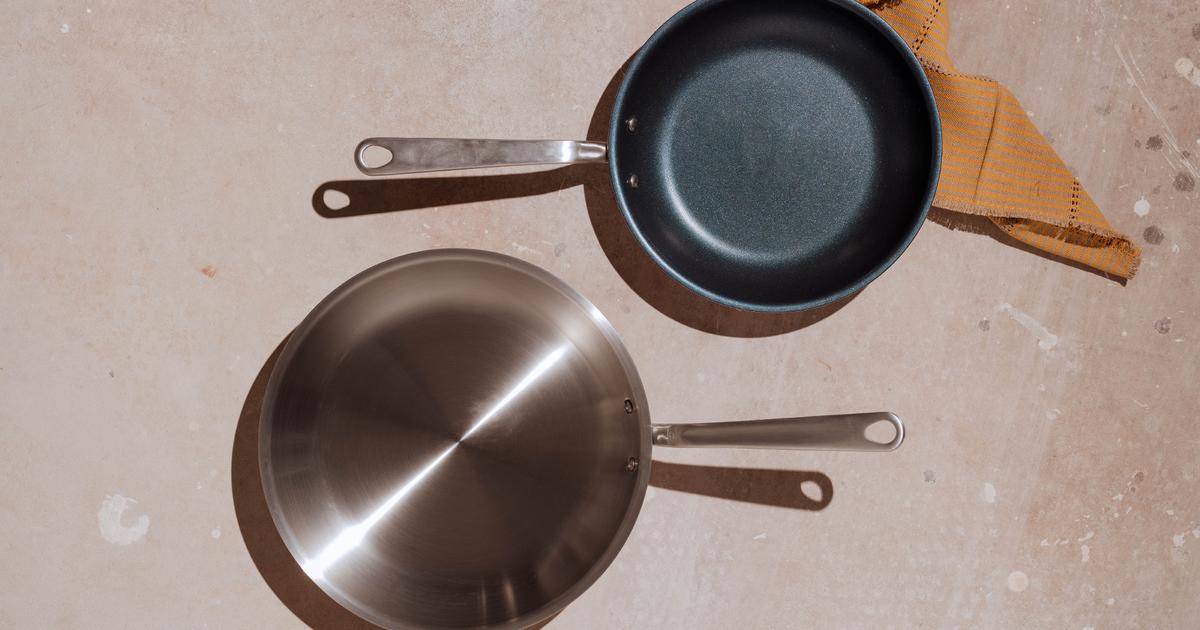
Credit: madeincookware.com
Health And Safety
Health and safety are key concerns when choosing cookware. Hard anodized cookware offers a durable and safe option for daily cooking. This type of cookware undergoes an electrochemical process that makes the aluminum surface harder and more resistant. It creates a non-reactive layer, reducing the chance of chemicals mixing with food. Understanding how hard anodized cookware interacts with food and heat helps ensure safe meal preparation.
Chemical Resistance
Hard anodized cookware is known for its excellent chemical resistance. The anodizing process forms a thick oxide layer on the aluminum surface. This layer is very hard and does not react with acidic or alkaline foods.
- Prevents aluminum from leaching into food
- Resists corrosion from vinegar, tomato sauce, and citrus juices
- Maintains a stable cooking surface even with high heat
This resistance helps preserve the taste and safety of your meals. It also means the cookware lasts longer without damage from food acids.
| Feature | Hard Anodized Cookware | Regular Aluminum Cookware |
|---|---|---|
| Chemical Reactivity | Low (non-reactive surface) | High (reacts with acids) |
| Corrosion Resistance | High | Low |
| Durability | Very Durable | Less Durable |
The anodized surface is also scratch-resistant, preventing damage that can expose raw aluminum. This makes it safer than non-coated aluminum cookware.
Potential Risks
Despite many benefits, hard anodized cookware has some potential risks to consider. The anodized layer is strong but not indestructible.
- Using metal utensils can scratch or chip the surface
- Severe damage can expose aluminum underneath
- Overheating empty cookware might weaken the coating
Exposed aluminum can react with food and cause off-flavors or metal ingestion. People with aluminum sensitivity should be cautious.
Some hard anodized cookware uses non-stick coatings on top. These coatings can emit harmful fumes if overheated above 500°F (260°C).
- Avoid high heat cooking without food in the pan
- Use silicone, wood, or plastic utensils
- Follow manufacturer care instructions
Proper use and care reduce health risks. Choose cookware with quality anodizing and non-toxic coatings for added safety.
Care And Maintenance
Hard anodized cookware is known for its durability and nonstick surface. To keep it in top shape, proper care and maintenance are essential. Regular cleaning and correct storage help protect the cookware’s finish and performance. Simple habits extend its life and keep food tasting great.
Cleaning Tips
Cleaning hard anodized cookware requires gentle methods to avoid damage. Avoid harsh scrubbers and strong chemicals. Use warm water, mild dish soap, and soft sponges. Here are some key tips:
- Cool down first: Let the cookware cool before washing to prevent warping.
- Hand wash only: Avoid dishwashers, which can dull the surface.
- Use gentle tools: Soft cloths or non-abrasive sponges work best.
- Tackle stuck-on food: Soak the pan in warm soapy water for 10-15 minutes before cleaning.
- Remove stains naturally: Make a paste of baking soda and water. Apply it gently with a soft cloth to brighten the surface.
Here is a quick cleaning guide:
| Step | Action | Tip |
|---|---|---|
| 1 | Cool down cookware | Prevents warping and damage |
| 2 | Wash with mild soap and warm water | Protects the nonstick surface |
| 3 | Use a soft sponge or cloth | Avoids scratches |
| 4 | Soak for tough stains | Loosens stuck food |
| 5 | Dry thoroughly | Prevents rust on handles or rims |
Storage Recommendations
Proper storage keeps hard anodized cookware safe from scratches and dents. Store each piece carefully to keep the finish smooth. Avoid piling pans directly on top of each other. Use soft liners or cloths between them.
Follow these storage tips to keep cookware in good condition:
- Stack with protection: Place a paper towel or cloth between pans to prevent scratches.
- Hang if possible: Use hooks or racks to hang pans by their handles.
- Keep lids separate: Store lids in a separate rack or stand to avoid damage.
- Store in a dry place: Avoid damp areas to prevent corrosion on metal parts.
- Use dedicated drawers: Keep cookware in drawers designed for pots and pans.
Here is a simple storage checklist:
- Use soft liners between pans
- Hang pans to save space
- Store lids separately
- Choose dry storage areas
- Keep cookware organized
:max_bytes(150000):strip_icc()/faw-detail-kitchenaid-hard-anodized-induction-10-piece-nonstick-cookware-set-14-wdickey-272-ab10854e2a2e4c37b365f13cc9a1c70e.jpeg)
Credit: www.foodandwine.com
Comparisons With Other Cookware
Hard anodized cookware offers a durable and non-reactive cooking surface, making it a popular choice in many kitchens. Comparing it with other cookware types helps understand its benefits and limitations. This section explores how hard anodized pans stack up against stainless steel and traditional nonstick cookware. The goal is to see which suits different cooking needs best.
Versus Stainless Steel
Hard anodized cookware and stainless steel are both strong and long-lasting. Yet, they differ in heat conduction and maintenance. Hard anodized pans heat evenly, reducing hot spots and burning. Stainless steel heats slower but tolerates very high temperatures better.
- Heat Distribution: Hard anodized heats faster and spreads heat more evenly.
- Durability: Both are tough, but stainless steel resists scratches better.
- Maintenance: Hard anodized is easier to clean due to its nonstick nature.
- Reactivity: Hard anodized is non-reactive, stainless steel can react with acidic foods.
| Feature | Hard Anodized Cookware | Stainless Steel Cookware |
|---|---|---|
| Heat Conductivity | Excellent and even | Moderate |
| Durability | Very durable but can scratch | Highly durable and scratch-resistant |
| Maintenance | Easy to clean, usually nonstick | Needs more scrubbing, can discolor |
| Reactivity | Non-reactive | May react with acidic foods |
Hard anodized pans suit those who want easy cleanup and even cooking. Stainless steel works better for very high heat and metal utensil use.
Versus Traditional Nonstick
Hard anodized cookware and traditional nonstick pans both offer easy food release. The key difference lies in the coating and durability. Hard anodized surfaces are tougher and less prone to peeling or scratching. Traditional nonstick coatings can wear off faster over time.
- Coating Strength: Hard anodized is harder and lasts longer.
- Safety: Hard anodized coatings usually do not contain PFOA or PTFE.
- Cleaning: Both are easy to clean but hard anodized resists staining better.
- Cooking Style: Hard anodized suits searing and browning better than traditional nonstick.
| Feature | Hard Anodized Cookware | Traditional Nonstick Cookware |
|---|---|---|
| Coating Durability | Very durable, scratch-resistant | Less durable, prone to peeling |
| Heat Tolerance | Can handle higher heat | Lower heat recommended |
| Food Release | Good, improves with use | Excellent but may degrade over time |
| Health Safety | Usually free from harmful chemicals | Depends on brand and coating type |
Hard anodized cookware suits cooks who want a tough, versatile pan. Traditional nonstick pans work well for low-heat, delicate cooking.
Popular Brands And Options
Hard anodized cookware is popular for its durability and even heat distribution. Many brands offer quality options that suit different budgets and cooking needs. Choosing the right brand can make a big difference in your kitchen experience. Here are some of the popular brands and their top options.
Calphalon
Calphalon is known for its reliable hard anodized cookware sets. Their products have a sturdy build and nonstick surfaces that last long. Many home cooks trust Calphalon for everyday cooking.
- Durable hard anodized aluminum construction
- Nonstick interior for easy food release
- Oven safe up to 450°F
- Comfortable, stay-cool handles
Circulon
Circulon offers cookware with a unique nonstick system called Total Nonstick System. It adds extra durability to the hard anodized base. Circulon is a good choice for those who want long-lasting nonstick cookware.
- Hard anodized aluminum for even heating
- Raised circles to reduce surface abrasion
- Oven safe up to 400°F
- Dishwasher safe for easy cleaning
All-clad
All-Clad is a premium brand famous for high-quality cookware. Their hard anodized pieces combine strength and excellent heat control. They are perfect for serious home cooks and chefs.
- Heavy-gauge hard anodized aluminum
- Nonstick coating that withstands metal utensils
- Oven safe up to 500°F
- Ergonomic stainless steel handles
Comparison Table Of Popular Hard Anodized Cookware Brands
| Brand | Nonstick Technology | Oven Safe Temp | Dishwasher Safe | Price Range |
|---|---|---|---|---|
| Calphalon | Standard Nonstick | 450°F | Yes | $$ |
| Circulon | Total Nonstick System | 400°F | Yes | $$ |
| All-Clad | Durable Nonstick | 500°F | Yes | $$$ |
Frequently Asked Questions
What Is Hard Anodized Cookware Made Of?
Hard anodized cookware is made from aluminum treated with an electrochemical process. This creates a durable, non-reactive surface that resists scratches and corrosion. It offers excellent heat distribution and is often coated with a non-stick layer for easy cooking and cleaning.
Is Hard Anodized Cookware Non-stick?
Yes, hard anodized cookware usually features a non-stick coating. The anodizing process creates a smooth surface that enhances non-stick properties. This makes cooking and cleaning easier while reducing the need for excessive oil or butter during food preparation.
How Durable Is Hard Anodized Cookware?
Hard anodized cookware is highly durable and resistant to scratches, dents, and corrosion. The anodizing process strengthens the aluminum, making it harder than stainless steel. Proper care can ensure it lasts for many years without losing its quality or performance.
Can Hard Anodized Cookware Be Used On Induction Stoves?
Most hard anodized cookware is not compatible with induction stoves unless it has a magnetic base. Standard hard anodized aluminum lacks magnetic properties. Always check the manufacturer’s specifications to ensure compatibility with induction cooktops.
Conclusion
Hard anodized cookware offers strong, long-lasting cooking tools. It resists scratches and heats food evenly. This type of cookware is easy to clean and works well on many stovetops. It also avoids harmful chemicals often found in other pans. Choosing hard anodized pots and pans can improve your cooking experience.
Durable and safe, they fit well in any kitchen. Consider them for everyday meals or special dishes. Simple care keeps them working great for years. A smart choice for those wanting reliable cookware.

Hello, This is Annie Walker, a 38-year-old blogger, founder, and editor of Cookware Guider from NY, USA. I am a cookware fanatic and passionate cooker. I love to cook with different types of cooking appliances (example: all types of cookware, rice cookers, slow cookers, etc) almost every day in my kitchen. I love to share my experience with my readers in my blog. Also, I enjoy helping people to solve their problems through my website. You can follow me on Twitter & Pinterest. To know details about my blog please check the about us page.