
Have you ever wondered what’s really inside your pots and pans? When you cook, the last thing you want is harmful chemicals sneaking into your meals.
That’s where non toxic cookware comes in. It’s designed to keep your food safe and your kitchen healthy. But what exactly makes cookware non toxic? And how can you tell if your current pots and pans are putting you at risk?
Keep reading, because understanding this simple switch could change the way you cook—and protect your health every time you step into the kitchen.
Non Toxic Cookware Basics
Non toxic cookware means pots and pans made without harmful chemicals. These products keep your food safe and healthy. They do not release dangerous substances when heated. Choosing non toxic cookware helps protect your family’s health.
Understanding the basics of non toxic cookware is important. It helps you pick the right items for your kitchen. Below are key points to know about these safe cooking tools.
What Makes Cookware Non Toxic?
Non toxic cookware is free from chemicals like:
- PTFE (Teflon)
- PFOA
- Lead
- Cadmium
- BPA
These chemicals can cause health problems if they enter food. Non toxic cookware uses safe materials that do not leach harmful toxins. Examples include stainless steel, cast iron, and ceramic.
Common Materials Used In Non Toxic Cookware
| Material | Benefits | Care Tips |
|---|---|---|
| Stainless Steel | Durable, rust-resistant, non reactive | Hand wash recommended, avoid harsh scrubbers |
| Cast Iron | Heats evenly, adds iron to food | Season regularly, dry after washing |
| Ceramic | Non stick, chemical free coating | Use soft sponges, avoid metal utensils |
| Glass | Non reactive, easy to clean | Avoid sudden temperature changes |
Signs Of Safe Non Toxic Cookware
- Labels mention “PFOA free” and “PTFE free”
- Made from natural materials like cast iron or ceramic
- Have certifications from safety organizations
- Do not have a strong chemical smell
How To Maintain Non Toxic Cookware
- Clean with gentle dish soap and soft sponges
- Avoid overheating pans to prevent damage
- Store cookware in a dry place
- Re-season cast iron pans regularly
- Use wooden or silicone utensils to prevent scratching
Credit: gurlgonegreen.com
Common Materials Used
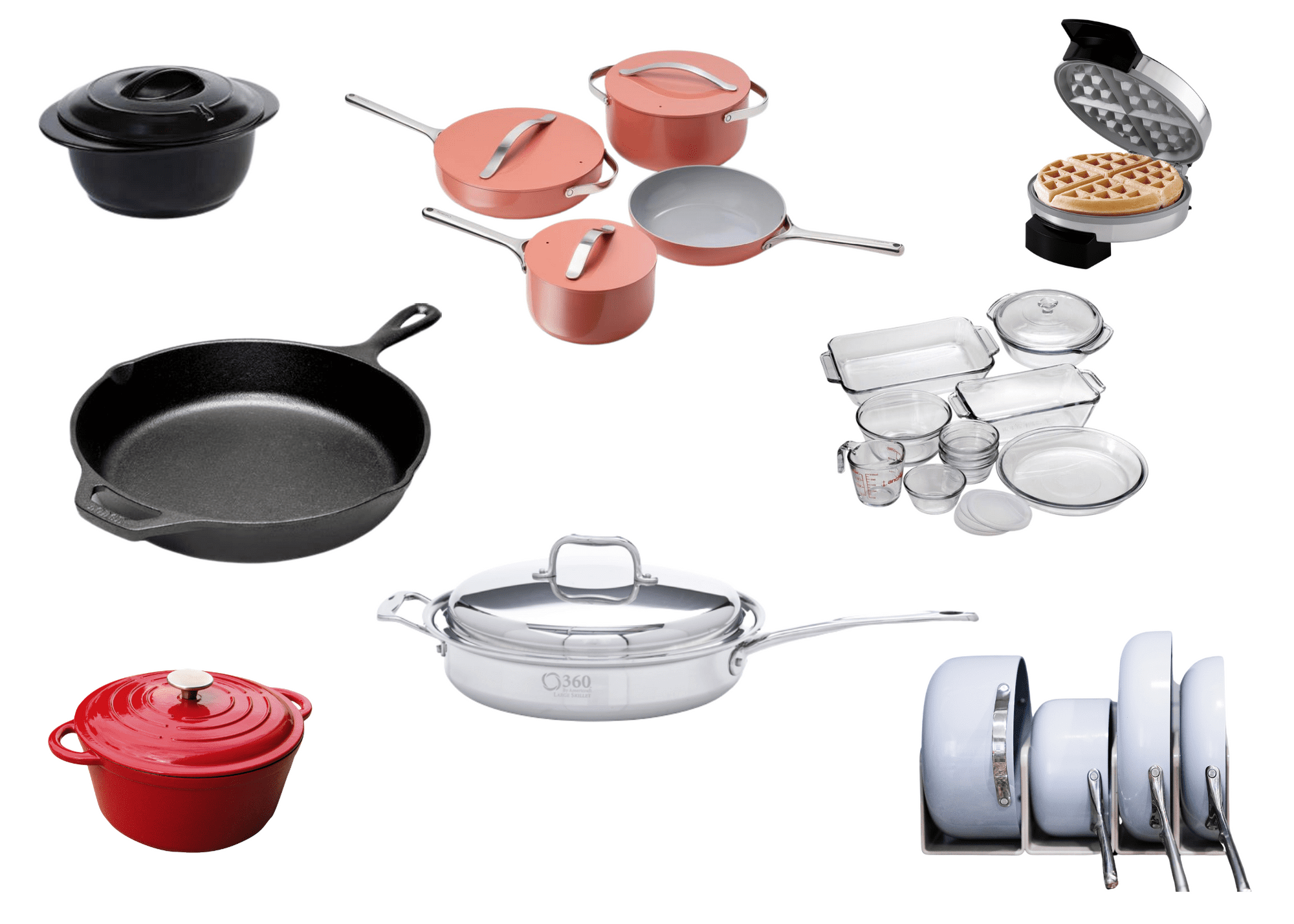
Non toxic cookware means pots and pans made without harmful chemicals. These materials do not release dangerous substances into your food. Choosing the right cookware is important for healthy cooking. Several common materials are popular for non toxic cookware. They include ceramic, cast iron, stainless steel, and glass. Each material has its own benefits and care methods. Understanding these materials helps pick safe and durable kitchen tools.
Ceramic Cookware
Ceramic cookware is made from natural clay and baked at high temperatures. It often has a smooth, non-stick surface without using chemicals like PFOA or PTFE. This makes ceramic safe for cooking and easy to clean. The surface is non-reactive, so it does not change the taste or color of food.
- Non-stick without toxins: Ceramic coating avoids harmful chemicals.
- Even heat distribution: It cooks food uniformly.
- Easy cleaning: Food slides off easily.
- Scratch resistance: Less prone to scratches than traditional non-stick.
Care tips:
- Use wooden or silicone utensils to avoid scratching.
- Wash with mild soap and soft sponges.
- Avoid sudden temperature changes to prevent cracks.
| Feature | Details |
|---|---|
| Material | Natural clay with ceramic coating |
| Non-toxic | Yes, no PFOA or PTFE |
| Durability | Moderate, avoid sharp tools |
| Heat Conductivity | Good for even cooking |
Cast Iron
Cast iron cookware is heavy and very durable. It is made by pouring molten iron into molds. This material is excellent for heat retention and even cooking. Cast iron can last for decades with proper care. It needs seasoning, which means coating it with oil and heating it to create a natural non-stick layer.
- Natural non-stick: Developed through seasoning over time.
- High heat tolerance: Great for frying and searing.
- Durable: Can withstand rough use.
- Adds iron to food: May boost dietary iron intake.
Care tips:
- Dry completely after washing to avoid rust.
- Apply a thin layer of oil after each use.
- Avoid soap or harsh detergents that remove seasoning.
| Feature | Details |
|---|---|
| Material | Pure cast iron |
| Non-toxic | Yes, no chemical coatings |
| Durability | Very high, lasts lifetime |
| Heat Conductivity | Excellent heat retention |
Stainless Steel
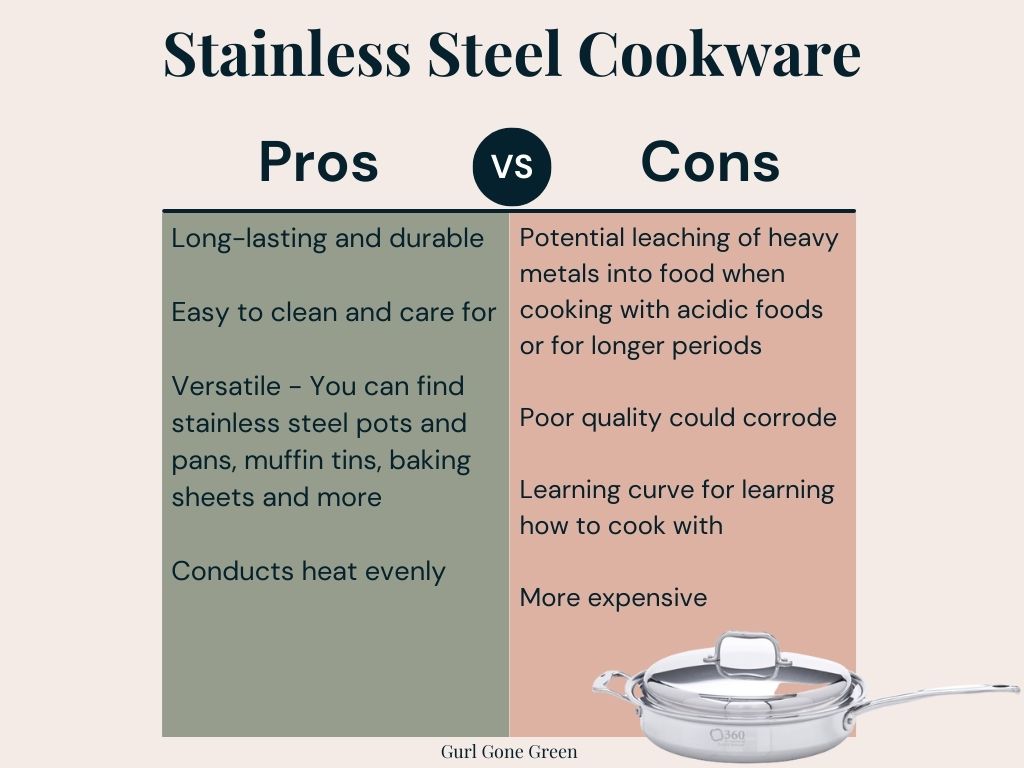
Stainless steel cookware combines iron with chromium and nickel. This makes it resistant to rust and corrosion. It is a popular choice for non toxic cookware because it does not release harmful chemicals. Stainless steel is durable and ideal for many cooking methods, including boiling, frying, and sautéing.
- Non-reactive surface: Does not affect food flavor.
- Easy maintenance: Dishwasher safe and scratch resistant.
- Strong and durable: Lasts many years with care.
- Varied heat conduction: Often paired with aluminum or copper layers.
Care tips:
- Clean with warm soapy water or dishwasher.
- Avoid high heat without food to prevent discoloration.
- Use non-metal utensils to reduce scratches.
| Feature | Details |
|---|---|
| Material | Iron alloy with chromium and nickel |
| Non-toxic | Yes, no coatings |
| Durability | High, resistant to rust |
| Heat Conductivity | Moderate, improved with layers |
Glass Cookware
Glass cookware is made from tempered or borosilicate glass. It is transparent and non-porous, so it does not absorb odors or flavors. Glass is completely non-reactive and safe for cooking and baking. It works well in ovens and microwaves but is not suitable for direct stovetop heat.
- Non-reactive: No chemicals leach into food.
- Easy to clean: Dishwasher safe and stain resistant.
- Visibility: See food cooking through the glass.
- Oven safe: Ideal for baking and roasting.
Care tips:
- Avoid sudden temperature changes to prevent cracking.
- Use oven mitts as glass gets hot.
- Handle carefully to avoid chips or breaks.
| Feature | Details |
|---|---|
| Material | Tempered or borosilicate glass |
| Non-toxic | Yes, fully inert |
| Durability | Fragile, needs careful handling |
| Heat Conductivity | Slow, best for oven use |
Harmful Chemicals To Avoid
Choosing cookware without harmful chemicals is vital for healthy cooking. Many pots and pans contain substances that can leach into food. These chemicals may cause health problems over time. Knowing which harmful chemicals to avoid helps pick safer, non toxic cookware. This guide explains the main chemicals to watch out for and why they matter.
Ptfe And Pfoa
PTFE stands for polytetrafluoroethylene. It is a chemical used in many non-stick coatings, like Teflon. PTFE helps food slide off pans easily, making cooking and cleaning simpler. But high heat can break down PTFE and release toxic fumes. These fumes may cause flu-like symptoms called “polymer fume fever.”
PFOA or perfluorooctanoic acid was used to make PTFE coatings. It is a persistent chemical that does not break down in the environment. PFOA exposure links to serious health issues such as:
- Hormone disruption
- Kidney and liver damage
- Cancer risks
Most manufacturers stopped using PFOA by 2015. But older cookware may still contain it. When choosing non toxic cookware, look for labels stating “PFOA-free.”
| Chemical | Use | Risk | Safe Practice |
|---|---|---|---|
| PTFE | Non-stick coating | Releases toxic fumes at high heat | Use low to medium heat; avoid overheating |
| PFOA | Manufacturing aid for PTFE | Linked to cancer and organ damage | Choose PFOA-free cookware |
To stay safe, avoid heating non-stick pans above 500°F (260°C). Use wooden or silicone utensils to prevent scratching the coating. Replace old cookware if it shows signs of peeling or damage.
Lead And Cadmium
Lead and cadmium are heavy metals sometimes found in colored or ceramic cookware. They can enter food through chipped or poorly glazed surfaces. Both metals are highly toxic, even in small amounts.
Lead affects the nervous system and brain development. Children are especially vulnerable. Symptoms include learning difficulties and behavior problems.
Cadmium harms the kidneys and bones. Long-term exposure may cause cancer or lung issues.
Sources of lead and cadmium in cookware include:
- Low-quality ceramic glazes
- Painted or decorated surfaces
- Imported or unregulated products
Choosing cookware with certified food-safe glazes helps avoid these metals. Look for labels stating compliance with safety standards like FDA or EU regulations.
Simple tips to avoid lead and cadmium:
- Do not use chipped or cracked ceramic cookware.
- Avoid brightly colored or shiny finishes without certification.
- Buy from trusted brands or sources.
Regularly inspect your cookware for damage. Discard any items with worn surfaces to reduce health risks.
Aluminum Concerns
Aluminum is a common metal in cookware because it heats quickly and is lightweight. But plain aluminum can react with acidic foods like tomatoes and vinegar. This reaction may cause aluminum to leach into food.
High aluminum intake has been studied for possible links to health issues such as:
- Brain disorders
- Bone diseases
- Kidney problems
The science is not fully clear, but many experts advise caution. Anodized aluminum cookware offers a safer option. The anodizing process creates a hard, non-reactive surface that prevents leaching.
| Type of Aluminum Cookware | Reactivity | Health Risk | Safety Tip |
|---|---|---|---|
| Plain Aluminum | High (reacts with acids) | Possible aluminum intake | Avoid cooking acidic foods |
| Anodized Aluminum | Low (sealed surface) | Minimal leaching | Preferred aluminum cookware |
To minimize risks, avoid storing acidic food in aluminum containers. Use anodized or stainless steel cookware for such dishes. Regular cleaning helps maintain the cookware’s protective layer.
Benefits Of Non Toxic Cookware
Non toxic cookware offers many benefits beyond cooking food. It promotes better health, protects the environment, and lasts longer than traditional cookware. Choosing non toxic cookware means avoiding harmful chemicals like PFOA, PTFE, and lead. These chemicals can leach into food and cause health problems. Non toxic cookware is made from safer materials like stainless steel, cast iron, ceramic, or glass. This cookware type supports a cleaner, safer kitchen and a healthier lifestyle.
Health Advantages
Non toxic cookware reduces exposure to harmful chemicals. Many traditional pans contain coatings that release toxins when heated. These toxins may cause allergies, hormone disruption, or even serious illnesses over time. Using non toxic options limits this risk.
Key health benefits include:
- Safer cooking with no chemical fumes.
- Reduced risk of food contamination.
- Better retention of food nutrients and flavor.
- Less chance of allergic reactions or skin irritation.
For example, ceramic-coated cookware does not release toxic gases even at high temperatures. Cast iron pans add iron to food naturally without chemicals. Stainless steel is inert and does not react with acidic or alkaline foods.
| Cookware Type | Health Benefit | Harmful Chemicals Avoided |
|---|---|---|
| Ceramic | Non-reactive, no toxic fumes | PFOA, PTFE |
| Cast Iron | Natural iron supplement, chemical-free | None |
| Stainless Steel | Does not leach metals, durable | Lead, Cadmium |
Choosing non toxic cookware supports a healthier kitchen environment. It protects both the cook and family from hidden health risks.
Environmental Impact
Non toxic cookware also benefits the environment. Traditional cookware often uses chemicals that harm ecosystems during production and disposal. Non toxic cookware is made from safer, more natural materials. It reduces pollution and waste.
Environmental benefits include:
- Lower chemical pollution from manufacturing.
- Safer disposal without toxic waste.
- Reduced plastic and synthetic coating use.
- Support for sustainable material sources.
Cookware made from cast iron, stainless steel, and ceramic lasts longer and can be recycled easily. This reduces landfill waste. Non toxic cookware production often uses fewer energy resources and less harmful chemicals.
| Material | Environmental Benefit | Recyclability |
|---|---|---|
| Cast Iron | Long lifespan, minimal waste | 100% recyclable |
| Stainless Steel | Durable, recyclable, less toxic | Highly recyclable |
| Ceramic | Non-toxic, made from natural clay | Limited recyclability, biodegradable |
Choosing non toxic cookware helps reduce your carbon footprint. It promotes a cleaner, safer planet by cutting down harmful chemicals and waste.
Durability And Longevity
Non toxic cookware is often more durable than traditional coated pans. Many non toxic options resist scratching, peeling, and warping. This makes them last longer, saving money over time.
Durability benefits include:
- Resistance to scratches and chips.
- Better heat distribution and retention.
- Less need for replacement or repairs.
- Can handle high cooking temperatures safely.
Cast iron pans can last for decades and often improve with age. Stainless steel resists rust and corrosion. Ceramic cookware is harder but requires gentle cleaning to avoid cracks.
Below is a quick comparison of durability features:
| Cookware Type | Durability | Care Tips |
|---|---|---|
| Cast Iron | Extremely durable, lasts generations | Season regularly, avoid soap |
| Stainless Steel | High resistance to dents and rust | Use non-abrasive cleaners |
| Ceramic | Durable but prone to chipping | Avoid sudden temperature changes |
Investing in non toxic cookware means fewer replacements. It supports sustainable living by reducing waste and saving money.
Choosing The Right Cookware
Choosing the right cookware is essential for healthy and enjoyable cooking. Non-toxic cookware helps avoid harmful chemicals that can leach into food. It also lasts longer and can improve your cooking experience. Picking the best pots and pans depends on your cooking style, budget, and how much care you want to give them. Understanding these factors makes it easier to find cookware that fits your kitchen and lifestyle.
Cooking Needs And Preferences
Every cook has unique needs. The best cookware matches your cooking style and the dishes you make often. Think about what you cook most and how you cook it.
- Type of cooking: Do you fry, boil, bake, or stew? Different cookware suits different methods.
- Heat source: Use cookware that works well with your stove type (gas, electric, induction).
- Size and quantity: Choose sizes based on how many people you cook for.
- Material preferences: Some prefer stainless steel, others like cast iron or ceramic for non-toxic options.
Here is a simple table showing popular non-toxic materials and their uses:
| Material | Best For | Pros | Cons |
|---|---|---|---|
| Stainless Steel | Searing, boiling, frying | Durable, non-reactive, easy to clean | Can stick without oil |
| Cast Iron | Searing, slow cooking | Retains heat, adds iron to food | Heavy, needs seasoning |
| Ceramic | Low to medium heat cooking | Non-stick, chemical-free | Can chip or crack |
Choose cookware that feels right for your daily cooking habits. This makes cooking easier and safer.
Budget Considerations
Cookware prices vary widely. Setting a budget helps narrow choices and avoid overspending. Non-toxic cookware can cost more, but it lasts longer and keeps food safe.
Look for value, not just price. Some expensive options offer better durability and safety. Others may save money upfront but wear out faster.
- Entry-level: Affordable stainless steel or ceramic sets suitable for beginners.
- Mid-range: Higher quality materials with better construction and warranty.
- High-end: Professional grade cookware with long-lasting performance.
Compare features and prices using this quick guide:
| Price Range | Material | Durability | Maintenance |
|---|---|---|---|
| Under $50 | Basic stainless steel, ceramic | Moderate | Simple cleaning, avoid harsh use |
| $50 – $150 | Better stainless steel, enameled cast iron | High | Regular seasoning or careful washing |
| Above $150 | Premium cast iron, high-grade stainless steel | Very high | Proper care extends life |
Invest in cookware that balances cost and quality. It saves money and health in the long run.
Maintenance Tips
Proper care keeps cookware safe and functional. Non-toxic materials need specific cleaning and storage methods.
- Cleaning: Use gentle soap and soft sponges. Avoid harsh chemicals and abrasive pads.
- Seasoning: For cast iron, apply oil after washing to keep the surface non-stick and rust-free.
- Storage: Store cookware dry and separate to avoid scratches and damage.
- Heat use: Avoid overheating empty pans to prevent damage and toxic fumes.
Follow these tips for your cookware:
- Wash soon after use to prevent stains.
- Dry completely to stop rust or mold.
- Use wooden or silicone utensils to avoid scratches.
- Check manufacturer instructions for special care.
Good maintenance keeps non-toxic cookware in top shape. It protects your health and saves money on replacements.

Credit: nourishedwithnatalie.com
Safe Usage And Care
Non-toxic cookware ensures that your food stays free from harmful chemicals during cooking. Safe usage and care of these pots and pans keep them working well for a long time. Proper handling prevents damage and maintains their health benefits. Learning how to clean, avoid damage, and store non-toxic cookware is key to enjoying safe meals every day.
Cleaning Techniques
Cleaning non-toxic cookware requires gentle care to keep its surface intact and safe. Use warm water and mild dish soap for washing. Avoid harsh chemicals or abrasive scrubbers that can scratch or wear down the cookware’s coating.
- Hand wash with a soft sponge or cloth.
- Soak pans with stuck food in warm, soapy water before cleaning.
- Use baking soda paste for tough stains: mix baking soda with water and gently scrub.
- Rinse thoroughly to remove all soap residues.
- Dry immediately with a soft towel to prevent water spots and rust.
Dishwasher use depends on the cookware type. Some non-toxic materials, like stainless steel, may be dishwasher safe, but many non-stick or ceramic coatings can degrade. Check the manufacturer’s instructions carefully.
| Cookware Material | Recommended Cleaning | Dishwasher Safe? |
|---|---|---|
| Stainless Steel | Hand wash or dishwasher | Yes |
| Ceramic Coated | Hand wash only | No |
| Cast Iron | Hand wash, dry immediately | No |
Follow these cleaning tips to keep your non-toxic cookware safe and effective.
Avoiding Damage
Protect your non-toxic cookware from damage by handling it carefully during use. Metal utensils can scratch non-stick or ceramic surfaces. Choose wooden, silicone, or plastic tools instead.
- Do not use metal spatulas or forks on coated surfaces.
- Avoid sudden temperature changes to prevent warping or cracking.
- Heat cookware gradually to protect coatings and metals.
- Never preheat empty pans; this can cause damage.
- Keep cookware away from abrasive cleaners or steel wool.
Check for chips or cracks in ceramic cookware regularly. Damaged surfaces may release harmful particles or lose their non-stick properties. Replace cookware if damage is visible.
Use low to medium heat settings. High heat can break down non-toxic coatings faster, reducing their safety and lifespan. Maintain gentle cooking temperatures for the best results.
Proper Storage
Store non-toxic cookware properly to maintain its quality. Avoid stacking pans directly on top of each other to prevent scratches and dents. Use protective layers like cloth or paper towels between items.
- Hang pans with hooks to save space and prevent damage.
- Store lids separately or place them upside down on the cookware.
- Keep cookware in a dry area to prevent rust, especially cast iron.
- Clean and dry cookware completely before storing to avoid mold and odors.
Organize your cookware by size and type for easy access and less handling. Proper storage extends the life of your non-toxic cookware and keeps it ready for safe cooking.
Credit: gurlgonegreen.com
Frequently Asked Questions
What Is Non Toxic Cookware Made Of?
Non toxic cookware is made from materials like stainless steel, cast iron, ceramic, and glass. These materials do not release harmful chemicals when heated, making them safer for cooking and health.
Why Choose Non Toxic Cookware Over Traditional Options?
Non toxic cookware prevents exposure to harmful chemicals like PFOA and PTFE. It promotes healthier cooking by avoiding toxins that can leach into food during cooking.
How To Identify Safe Non Toxic Cookware?
Look for cookware labeled PFOA-free, PTFE-free, and free from heavy metals. Verify materials like ceramic, stainless steel, or cast iron for safer cooking options.
Are Non Toxic Cookware Options More Durable?
Yes, many non toxic cookware options like cast iron and stainless steel are highly durable. They last longer and maintain safety without degrading or releasing toxins.
Conclusion
Non toxic cookware keeps your food safe and healthy. It avoids harmful chemicals that can leak into meals. Choosing the right pots and pans helps protect your family. Simple materials like stainless steel or cast iron work best. Cooking with safe cookware also lasts longer and cleans easily.
Your health improves with each meal you prepare. Small changes in the kitchen make a big difference. Healthy cooking starts with the tools you use every day.

Hello, This is Annie Walker, a 38-year-old blogger, founder, and editor of Cookware Guider from NY, USA. I am a cookware fanatic and passionate cooker. I love to cook with different types of cooking appliances (example: all types of cookware, rice cookers, slow cookers, etc) almost every day in my kitchen. I love to share my experience with my readers in my blog. Also, I enjoy helping people to solve their problems through my website. You can follow me on Twitter & Pinterest. To know details about my blog please check the about us page.