
Have you ever wondered what gives your favorite Asian dishes that special, rich flavor? The secret might be rice cooking wine.
If you’re curious about what rice cooking wine is and how it can transform your meals, you’re in the right place. This simple ingredient can unlock amazing tastes in your kitchen, even if you’re new to cooking. Keep reading to discover why rice cooking wine deserves a spot in your pantry and how it can elevate your cooking to the next level.

Credit: www.recipetineats.com
Rice Cooking Wine Basics
Rice cooking wine is a special type of wine used in Asian cooking. It adds flavor and aroma to many dishes. This wine is not meant for drinking. Instead, it enhances the taste of meats, vegetables, and sauces.
Understanding the basics helps you use rice cooking wine better. It has different types, ingredients, and a unique making process. Each factor affects the final flavor in your dish.
Types Of Rice Cooking Wine
There are several types of rice cooking wine. Shaoxing wine is the most popular. It comes from China and has a rich, deep flavor. Mirin is a sweet rice wine from Japan. It is lighter and adds a mild sweetness to food. Other types include Korean rice wine, called Cheongju, which is clear and slightly sweet. Each type fits different recipes and tastes.
Common Ingredients
The main ingredient is fermented rice. Water and yeast help start the fermentation. Some varieties add salt or sugar for flavor balance. Shaoxing wine often includes wheat or barley. Mirin contains sugar or rice syrup to make it sweet. These ingredients create the unique taste of rice cooking wine.
How It’s Made
Making rice cooking wine starts with steaming rice. Then, the rice is mixed with yeast and water. This mix ferments for several weeks. The fermentation turns starch into alcohol. After fermentation, the wine is filtered and aged. Aging improves the taste and aroma. The whole process creates a flavorful cooking wine.
Role In Cooking
Rice cooking wine is a common ingredient in many Asian dishes. It plays an important role in cooking by improving taste and texture. This wine adds depth to meals and helps other flavors stand out. It can also soften meat and reduce strong smells in food. Understanding its role helps in making better dishes.
Enhancing Flavor
Rice cooking wine adds a mild sweetness and rich taste. It helps bring out the natural flavors of ingredients. The wine can balance salty and spicy notes in a dish. Chefs use it to create layers of flavor that feel smooth and full. It makes simple dishes taste more complex and interesting.
Tenderizing Meat
The wine helps break down protein in meat. This makes the meat softer and easier to chew. It works well with tougher cuts of beef or pork. Marinating meat with rice wine improves texture and juiciness. The result is meat that feels tender and moist after cooking.
Balancing Aroma
Rice cooking wine controls strong or fishy smells in food. It reduces odors from seafood or gamey meat. The wine adds a clean, subtle scent to dishes. This makes meals smell fresher and more inviting. It helps create a pleasant aroma that matches the taste.
Popular Varieties
Rice cooking wine is not just one product. It includes many types, each with its own taste and use. These popular varieties add flavor and depth to dishes across Asia. Understanding these types helps in choosing the right one for your cooking.
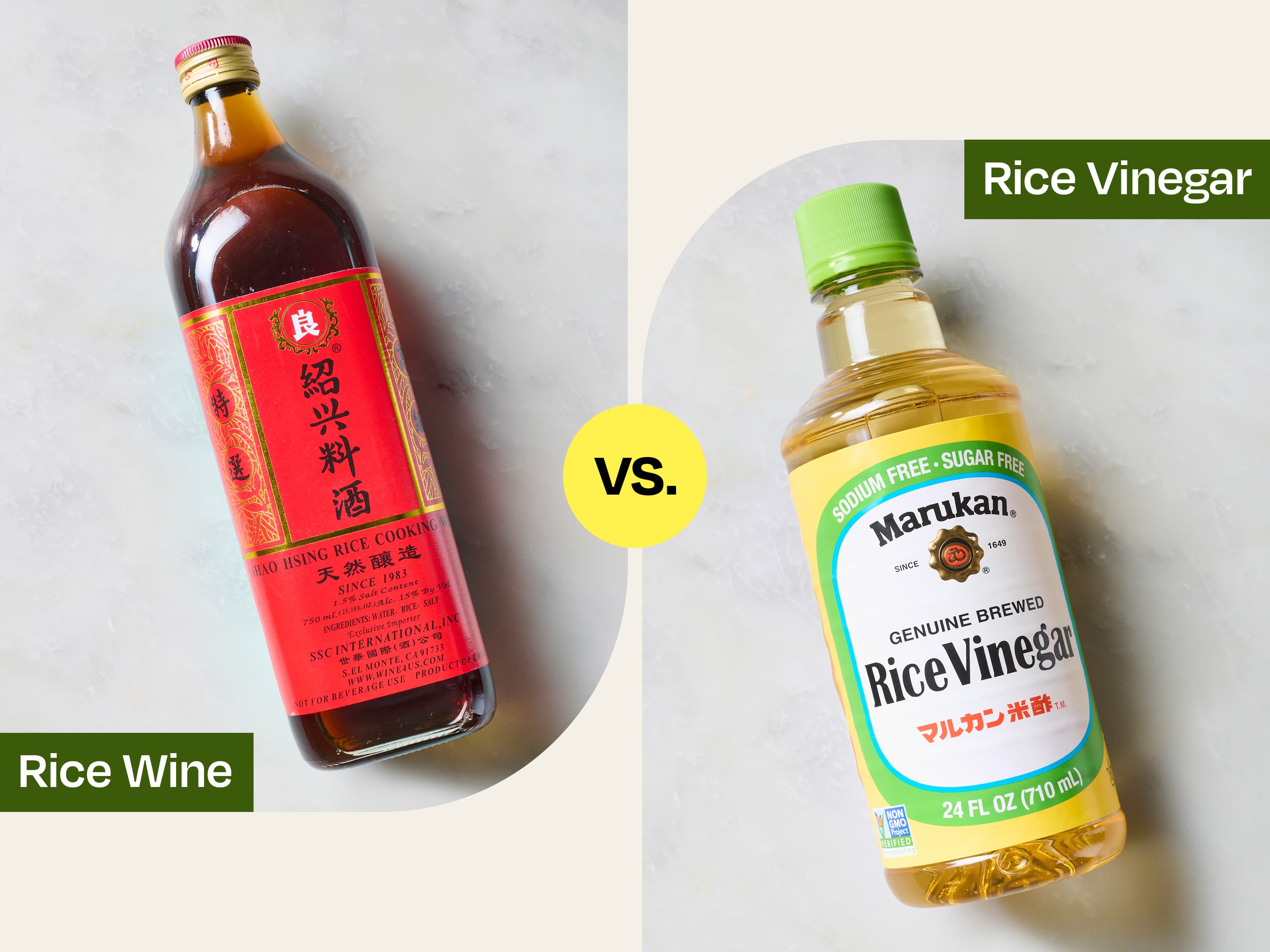
Shaoxing Wine
Shaoxing wine is a famous Chinese rice wine. It is made from fermented rice, water, and wheat. This wine has a deep amber color and a rich, nutty flavor. Chefs use it to enhance meat, seafood, and stir-fried dishes. It adds a warm, savory taste that is hard to replace.
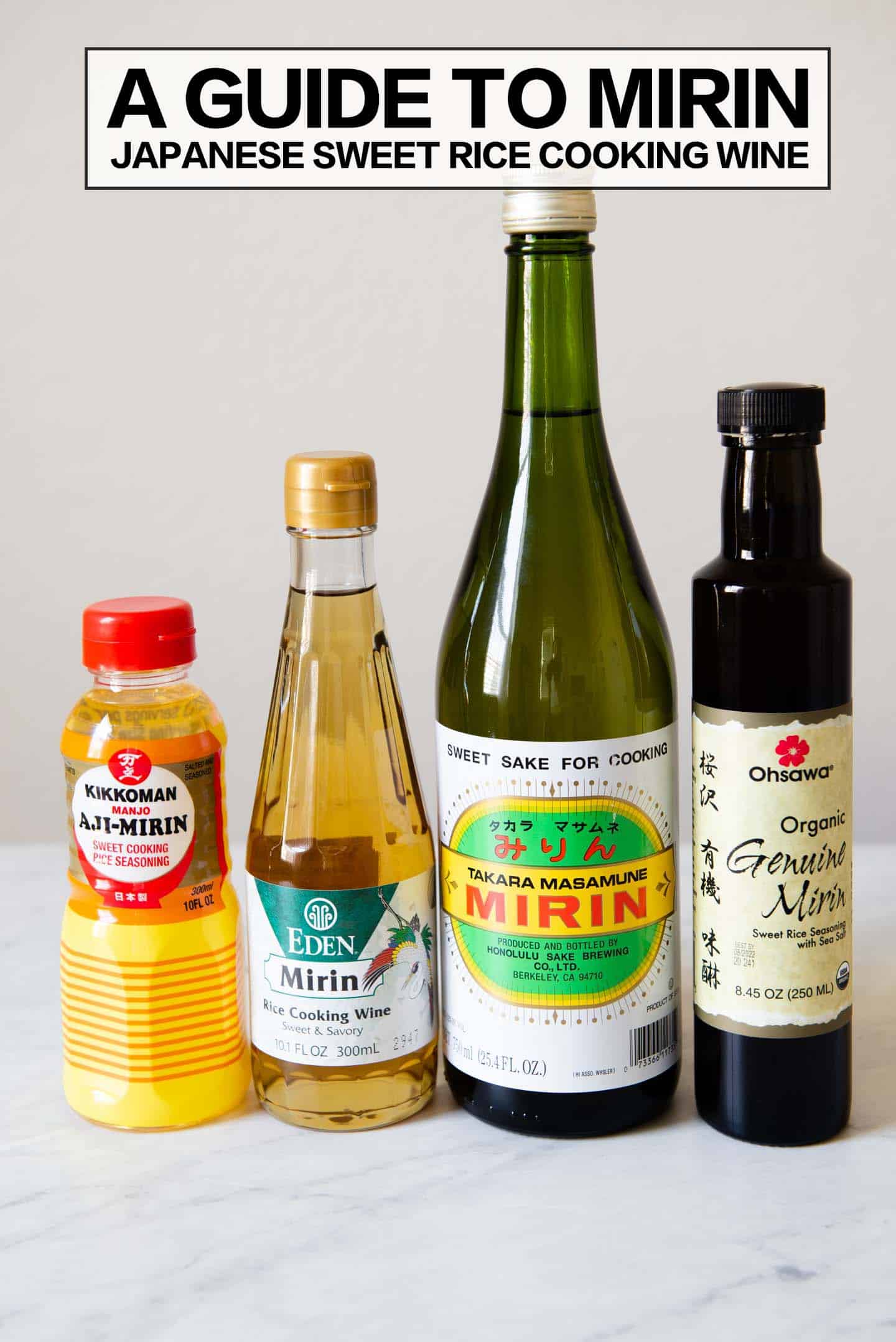
Mirin
Mirin is a sweet Japanese rice cooking wine. It contains a lower alcohol content than Shaoxing wine. Mirin adds sweetness and shine to sauces and glazes. It is often used in teriyaki and sukiyaki recipes. Its mild flavor balances salty and sour tastes well.
Sake
Sake is a Japanese rice wine made for drinking and cooking. It has a clean and light flavor. In cooking, sake tenderizes meat and masks strong odors. It is common in soups, marinades, and steamed dishes. Sake helps bring out natural flavors without overpowering them.
Substitutes And Alternatives
Rice cooking wine adds a unique flavor to many Asian dishes. Sometimes, it may not be available or suitable for everyone. Substitutes and alternatives help keep your recipes tasty without rice wine. Both non-alcoholic and alcoholic options exist to fit different needs. These choices can balance flavors and maintain the dish’s essence.
Non-alcoholic Options
White grape juice mixed with a little vinegar works well. Use a 3:1 ratio of juice to vinegar. This mix mimics the sweet and sour taste of rice wine. Apple cider vinegar diluted with water also adds a mild tang. Another option is using broth with a touch of sugar. These options keep dishes flavorful without alcohol.
Other Alcoholic Substitutes
Sake is a popular substitute for rice cooking wine. It has a similar taste and alcohol content. Dry sherry is another good alternative in many recipes. Use it in equal amounts to rice wine. Mirin, a sweet Japanese rice wine, works well too. It adds sweetness and depth to sauces and marinades.
Using Rice Cooking Wine
Rice cooking wine is a popular ingredient in many Asian kitchens. It adds a mild sweetness and depth to dishes. Using rice cooking wine can enhance flavors without overpowering the food.
It works well in many cooking styles and pairs with various ingredients. Knowing how to use it properly helps you create tasty meals every time.
Cooking Techniques
Rice cooking wine can be used in stir-frying to add aroma. Add it early to let the alcohol cook off. It also works well in marinades to tenderize meat. Pour a little into soups and stews for extra flavor. Avoid using too much to keep the taste balanced.
Pairing With Ingredients
This wine pairs nicely with seafood like shrimp and fish. Use it with chicken or pork for a subtle sweetness. It blends well with soy sauce and ginger. Vegetables like bok choy and mushrooms benefit from a splash. Experiment with small amounts to find your favorite mix.
Storage Tips
Store rice cooking wine in a cool, dark place. Keep the bottle tightly sealed to prevent spoilage. Once opened, use it within a few months. Refrigeration helps keep it fresh longer. Always check the smell and appearance before use.
Credit: healthynibblesandbits.com
Common Dishes Featuring Rice Cooking Wine
Rice cooking wine is a popular ingredient in many Asian dishes. It adds a mild sweetness and depth of flavor. Many recipes use it to enhance taste without overpowering other ingredients. It blends well with sauces, meats, and vegetables.
Below are some common dishes where rice cooking wine plays an important role.
Stir-fries
Stir-fries benefit from rice cooking wine’s subtle aroma. It helps tenderize meat and brightens vegetables. Just a splash can lift the entire dish. The wine mixes well with soy sauce and garlic. It creates a balanced and flavorful stir-fry sauce.
Marinades
Rice cooking wine works great in marinades. It breaks down proteins in meat, making it softer. It also adds a slight sweetness to balance salty or spicy flavors. Use it for chicken, pork, or seafood marinades. It helps ingredients absorb seasonings better.
Soups And Stews
Adding rice cooking wine to soups and stews brings depth. It enriches broth with a mild sweetness and complexity. The wine blends well with herbs and spices. It enhances flavor without making the soup taste like alcohol. Use it early in cooking for best results.
Credit: www.thekitchn.com
Frequently Asked Questions
What Is Rice Cooking Wine Used For?
Rice cooking wine enhances flavor and aroma in Asian dishes. It tenderizes meat and balances salty or sweet tastes. It’s common in marinades, stir-fries, and sauces for authentic flavor.
How Is Rice Cooking Wine Different?
Rice cooking wine is milder and less alcoholic than regular wine. It contains added salt to prevent drinking. Its taste is subtle, complementing Asian recipes without overpowering.
Can Rice Cooking Wine Be Substituted?
Yes, dry sherry or sake can substitute rice cooking wine. Add a pinch of salt if needed. Avoid sweet wines, as they alter the dish’s intended flavor.
Is Rice Cooking Wine Alcoholic?
Yes, rice cooking wine contains alcohol, usually 10-15% by volume. However, most alcohol cooks off during cooking, leaving behind flavor and aroma.
Conclusion
Rice cooking wine adds flavor and depth to many dishes. It has a mild, slightly sweet taste. You can use it in stir-fries, marinades, and sauces. It helps tenderize meat and balances salty flavors. Many Asian recipes rely on this ingredient for authenticity.
Keep a bottle in your kitchen for easy cooking. Understanding rice cooking wine makes your meals tastier and more enjoyable. Give it a try in your next recipe and see the difference. Simple, useful, and worth having on hand.

Hello, This is Annie Walker, a 38-year-old blogger, founder, and editor of Cookware Guider from NY, USA. I am a cookware fanatic and passionate cooker. I love to cook with different types of cooking appliances (example: all types of cookware, rice cookers, slow cookers, etc) almost every day in my kitchen. I love to share my experience with my readers in my blog. Also, I enjoy helping people to solve their problems through my website. You can follow me on Twitter & Pinterest. To know details about my blog please check the about us page.