
Have you ever wondered how much rice you’ll actually get after cooking? Understanding the yield in cooking rice can save you from guesswork and food waste.
When you know the right yield, you can plan your meals better, avoid leftovers, and get the perfect portion every time. You’ll discover what yield means in cooking rice and how it affects your meal prep. Keep reading to master the simple trick that makes your rice dishes more reliable and satisfying.
Yield Basics
Understanding yield is key to cooking rice well. It helps control portions and plan meals. Knowing yield basics saves time and avoids waste. It also improves your cooking results.
What Yield Means In Rice Cooking
Yield refers to the amount of cooked rice from a set amount of raw rice. For example, one cup of raw rice usually yields about three cups of cooked rice. This increase happens because rice absorbs water during cooking. Yield shows how much rice you will get after cooking.
Why Yield Matters
Yield helps you measure servings accurately. It prevents cooking too much or too little rice. This avoids food waste and saves money. Knowing yield also helps with recipe planning and meal prep. It ensures you serve the right amount for everyone.

Credit: www.amazon.com
Factors Affecting Rice Yield
Understanding the factors affecting rice yield helps in cooking better rice. Yield means how much cooked rice you get from raw rice. Several things change this amount. Knowing these helps in planning meals and avoiding waste.
Rice Variety And Grain Size
Different rice types give different yields. Long grains like basmati expand more. Short grains stay denser and give less volume. Some rice absorbs water better, growing bigger in the pot. Choosing the right variety affects how much cooked rice you get.
Water-to-rice Ratio
The amount of water used changes rice yield a lot. Too little water makes rice dry and less fluffy. Too much water makes it mushy and sticky. The right water ratio makes rice soft and full. Measuring water carefully helps control the final amount.
Cooking Method Impact
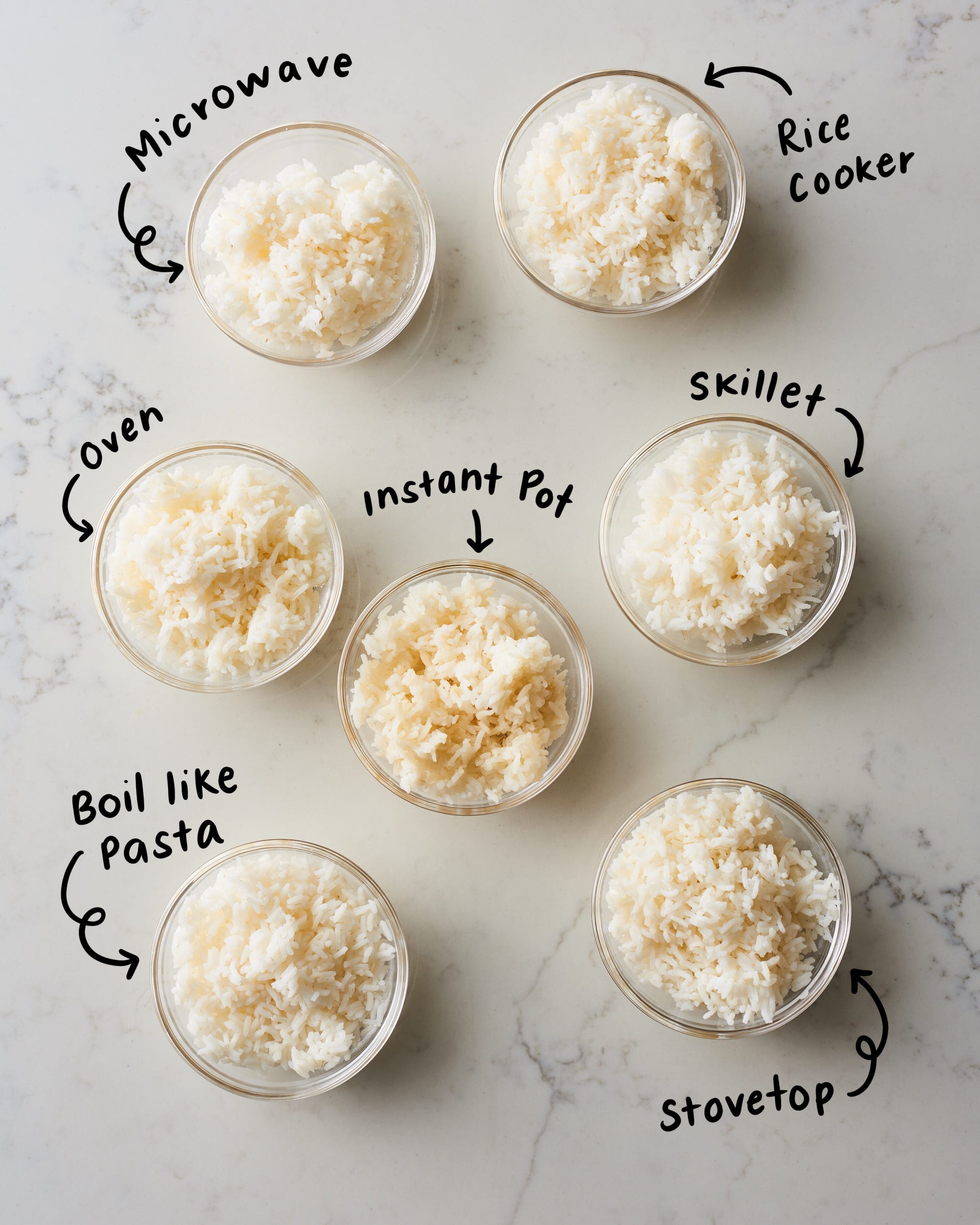
The way you cook rice changes the yield too. Boiling, steaming, or using a rice cooker all affect water absorption. Steaming keeps rice grains whole and fluffy. Boiling may lose some starch in water. Choosing the right method keeps rice tasty and gives good yield.
Measuring Rice Yield
Measuring rice yield is essential for cooking the right amount. It helps avoid waste and ensures enough servings for everyone. Understanding how rice changes during cooking aids in accurate portioning.
Rice yield depends on the type of rice and cooking method. Measuring both raw and cooked rice volume or weight gives the best idea of yield.
Raw Vs Cooked Rice Volume
Raw rice volume is smaller than cooked rice volume. Rice absorbs water and expands while cooking. Typically, one cup of raw rice becomes three cups cooked. This change varies by rice type. Measuring cooked rice helps know how much food it produces.
Weight Changes During Cooking
Raw rice weight increases after cooking due to water absorption. Weight can double or triple depending on rice and water amount. Measuring weight before and after cooking gives an accurate yield. It helps in meal planning and managing ingredients.
:max_bytes(150000):strip_icc()/2024-10-10SEA-KnuckleRice-AmandaSuarez-FINALFINAL-e130c8c9f7e849cbb145720fddbfcbb8.jpg)
Credit: www.seriouseats.com
Tips For Perfect Portions
Getting the right amount of rice is important for a good meal. Cooking too much or too little can waste food or leave guests hungry. Perfect portions help control serving size and avoid leftovers. Here are simple tips to measure rice yield correctly.
Calculating Servings Accurately
One cup of uncooked rice usually makes about three cups of cooked rice. This can serve two to three people. Measure dry rice with a standard cup for best results. Use a kitchen scale for more accuracy. Note the type of rice, as some expand more than others. Keep track of how much rice each person eats. Adjust the amount based on appetite and meal type.
Adjusting Yield For Different Recipes
Different dishes need different rice amounts. For example, fried rice requires less cooked rice than plain steamed rice. Soups or stews with rice use smaller portions. Check recipe instructions for suggested rice quantities. Increase rice for bigger groups or hearty meals. Decrease rice for light dishes or side servings. Always keep the rice-to-other-ingredients ratio balanced for best taste.
Common Yield Mistakes
Understanding yield in cooking rice helps avoid common mistakes. These errors waste rice or cause wrong portions. Knowing what to watch out for improves your cooking results. It makes meal planning easier and more accurate.
Overestimating Rice Amounts
Many cooks use too much rice for their needs. They think more rice means more servings. This leads to leftovers or food waste. It also makes cooking take longer than needed. Measuring rice carefully helps avoid this issue.
Use standard serving sizes as a guide. One cup of uncooked rice usually serves two to three people. Adjust the amount based on appetite and dish type. Accurate measuring saves money and reduces waste.
Ignoring Water Absorption Variations
Rice absorbs water differently depending on type and brand. Some need more water, others less. Ignoring this causes rice to be too sticky or too dry. It affects the final yield and texture.
Follow instructions on the rice package closely. Adjust water amounts slightly based on past cooking experience. This ensures the rice cooks well and yields the right amount. Paying attention to water absorption improves your rice dishes.
Tools To Help With Yield
Cooking rice perfectly requires knowing the right amount to use. Tools can help measure rice and water for the best results. These tools also improve yield, reducing waste and saving money.
Using the correct tools makes cooking easier. It helps get consistent results every time. Here are some tools that help control rice yield.
Measuring Cups And Scales
Measuring cups are simple tools to portion rice and water. They help keep the right ratio for cooking. Using a scale gives more accuracy by weighing rice. Scales show exact grams or ounces to use. This precision helps avoid cooking too much or too little rice. It also helps when following recipes from different countries.
Rice Cookers With Yield Settings
Modern rice cookers often have yield settings. These settings adjust cooking for the amount of rice added. The cooker changes water and time based on yield size. This feature makes cooking easier and more reliable. It helps beginners get good rice without guesswork. Some models even have alerts when rice is ready. They save time and reduce errors in cooking.
Credit: www.thekitchn.com
Frequently Asked Questions
What Does Yield Mean In Cooking Rice?
Yield in cooking rice refers to the amount of cooked rice produced. It indicates how much rice you will get from a specific quantity of uncooked rice.
How To Calculate Rice Yield After Cooking?
To calculate rice yield, measure the cooked rice volume. Generally, 1 cup of uncooked rice yields about 3 cups of cooked rice.
Why Is Rice Yield Important In Recipes?
Rice yield helps with portion control and meal planning. It ensures you cook enough rice for your servings without waste.
Does Rice Type Affect Cooking Yield?
Yes, rice type affects yield. Different rice varieties absorb water differently, resulting in varying cooked rice volumes and textures.
Conclusion
Understanding yield in cooking rice helps you plan meals better. It shows how much rice you get after cooking. This knowledge saves money and avoids waste. You can measure portions more easily for your family or guests. Cook rice confidently with clear expectations.
Yield depends on rice type and water used. Try different methods to find what suits you best. Keep track of your results for future meals. Rice yield matters for tasty, well-portioned dishes every time. Simple, smart cooking starts with knowing rice yield.

Hello, This is Annie Walker, a 38-year-old blogger, founder, and editor of Cookware Guider from NY, USA. I am a cookware fanatic and passionate cooker. I love to cook with different types of cooking appliances (example: all types of cookware, rice cookers, slow cookers, etc) almost every day in my kitchen. I love to share my experience with my readers in my blog. Also, I enjoy helping people to solve their problems through my website. You can follow me on Twitter & Pinterest. To know details about my blog please check the about us page.