
Are you tired of ending up with sticky or mushy basmati rice? You’re not alone.
Perfectly cooked basmati rice can elevate any meal, turning simple dishes into something special. But how do you get that light, fluffy texture every time? You’ll discover the best way to cook basmati rice so it comes out just right—soft, separate, and full of flavor.
Keep reading, and you’ll learn easy tips and tricks that will transform your cooking and impress anyone at your table.
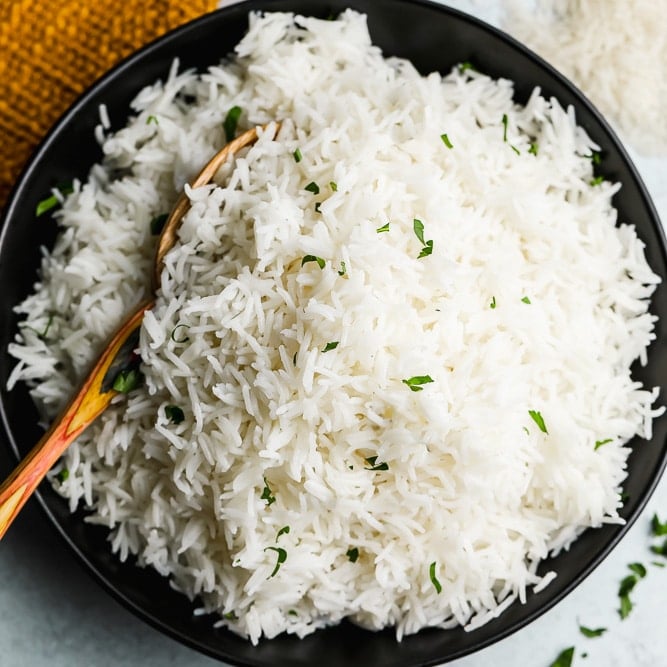
Credit: www.noracooks.com
Choosing Quality Basmati Rice
Choosing quality basmati rice is the first step to perfect cooking. Good rice means better taste, texture, and aroma. It also cooks well and stays fluffy. Knowing what to pick helps avoid disappointment. Always check the rice before buying. Look for grains that are long and unbroken. Avoid rice with dust or stones mixed in. Freshness matters too. Fresh basmati rice has a strong, nutty smell. Dull or musty smell means old rice.
Types Of Basmati Rice
Basmati rice comes in several types. Traditional basmati has long, slender grains. It is known for its unique aroma and soft texture. Aged basmati rice is stored for months to improve flavor. This type cooks up fluffier and separates easily. Brown basmati retains its bran layer. It is healthier but takes longer to cook. White basmati is polished and cooks faster. Choose the type that fits your taste and cooking time.
How To Store Rice Properly
Proper storage keeps basmati rice fresh longer. Store rice in an airtight container. Keep it in a cool, dry place away from sunlight. Avoid storing rice near strong-smelling foods. Rice can absorb odors easily. Use rice within six months for best taste. For longer storage, keep rice in the fridge. This stops pests and preserves freshness. Check rice before use for any bugs or bad smell.
Preparing Basmati Rice
Preparing basmati rice properly sets the foundation for a fluffy, fragrant dish. Good preparation removes excess starch and helps grains stay separate after cooking. Taking time to wash and soak the rice improves texture and flavor.
Follow these simple steps to prepare basmati rice for the best results.
Washing And Rinsing Techniques
Start by placing the rice in a large bowl or sieve. Rinse under cold water gently using your hand. Swirl the rice to release surface starch. Drain the cloudy water carefully.
Repeat rinsing 3 to 4 times until the water runs clear. Clear water means less starch. Less starch means less sticky rice. This step is key for light, separate grains.
Soaking Time And Benefits
Soak the washed rice in fresh cold water for 20 to 30 minutes. Soaking softens the grains and reduces cooking time. It also helps the rice cook evenly.
Drain the soaking water before cooking. Skipping soaking can cause uneven texture. Soaking makes basmati rice tender and fluffy. This simple step improves your final dish’s quality.
Cooking Methods For Fluffy Rice
Basmati rice is known for its long grains and fragrant aroma. Cooking it right keeps the grains separate and fluffy. Different methods can help you achieve that perfect texture.
Choosing the right cooking method depends on the tools you have and how much time you want to spend. Each method has its own way to make fluffy basmati rice.
Stovetop Absorption Method
Start by rinsing the rice to remove extra starch. Use a 1 to 1.5 ratio of rice to water. Bring the water to a boil, then lower the heat. Cover the pot with a tight lid. Let the rice simmer for 15 minutes without lifting the lid. Turn off the heat and let it sit for 10 minutes. Fluff the rice gently with a fork before serving.
Using A Rice Cooker
Rinse the rice until the water runs clear. Add rice and water to the cooker using the cooker’s measuring marks. Close the lid and press the cook button. The rice cooker will cook and switch to warm automatically. Let the rice rest for 5 minutes before opening. Fluff the rice to separate the grains.
Microwave Cooking Tips
Place rinsed rice and water in a microwave-safe bowl. Cover it loosely with a microwave-safe lid or plastic wrap. Cook on high for 5 minutes. Lower the power to medium and cook for 10 minutes. Let the rice sit in the microwave for 5 minutes. Fluff the rice carefully to keep grains separate.
Water-to-rice Ratios
Water-to-rice ratio is the key to perfect basmati rice. It controls the texture and fluffiness of the rice. Using too much water makes the rice mushy. Too little water leaves it hard and uncooked. The usual ratio is 1 cup of rice to 1.5 cups of water. This ratio works well for most basmati rice types. Different factors can change the needed water amount.
Adjusting For Texture Preferences
Want soft and sticky rice? Add a little more water. For firmer rice, reduce the water slightly. Some prefer fluffy grains that stay separate. Use the standard ratio but rinse rice well before cooking. Rinsing removes extra starch, helping grains stay separate. Adjust water in small steps to find your perfect texture.
Effect Of Altitude And Rice Age
At higher altitudes, water boils at lower temperatures. This means rice needs more water and longer cooking time. Add about 10% more water for every 3,000 feet above sea level. Older rice tends to absorb more water. It may need more water than fresh rice to cook well. Store rice properly to keep its moisture and cooking quality.
Heat Control And Timing
Heat control and timing are key to cooking perfect basmati rice. The right temperature and cooking time keep grains separate and fluffy. Too much heat can break the grains. Too little heat leaves them hard or sticky. Timing also matters for texture and flavor.
Simmering Vs Boiling
Start by bringing water to a boil. Then lower the heat to a gentle simmer. Boiling rice at high heat can make it mushy. Simmering cooks rice slowly and evenly. This helps each grain stay firm and separate. Keep the pot covered during simmering to trap steam.
Resting Period After Cooking
Turn off the heat but keep the lid on for 10 minutes. This resting time lets steam finish cooking the rice. It also helps absorb any extra moisture. Fluff the rice gently with a fork after resting. This stops the grains from clumping together.
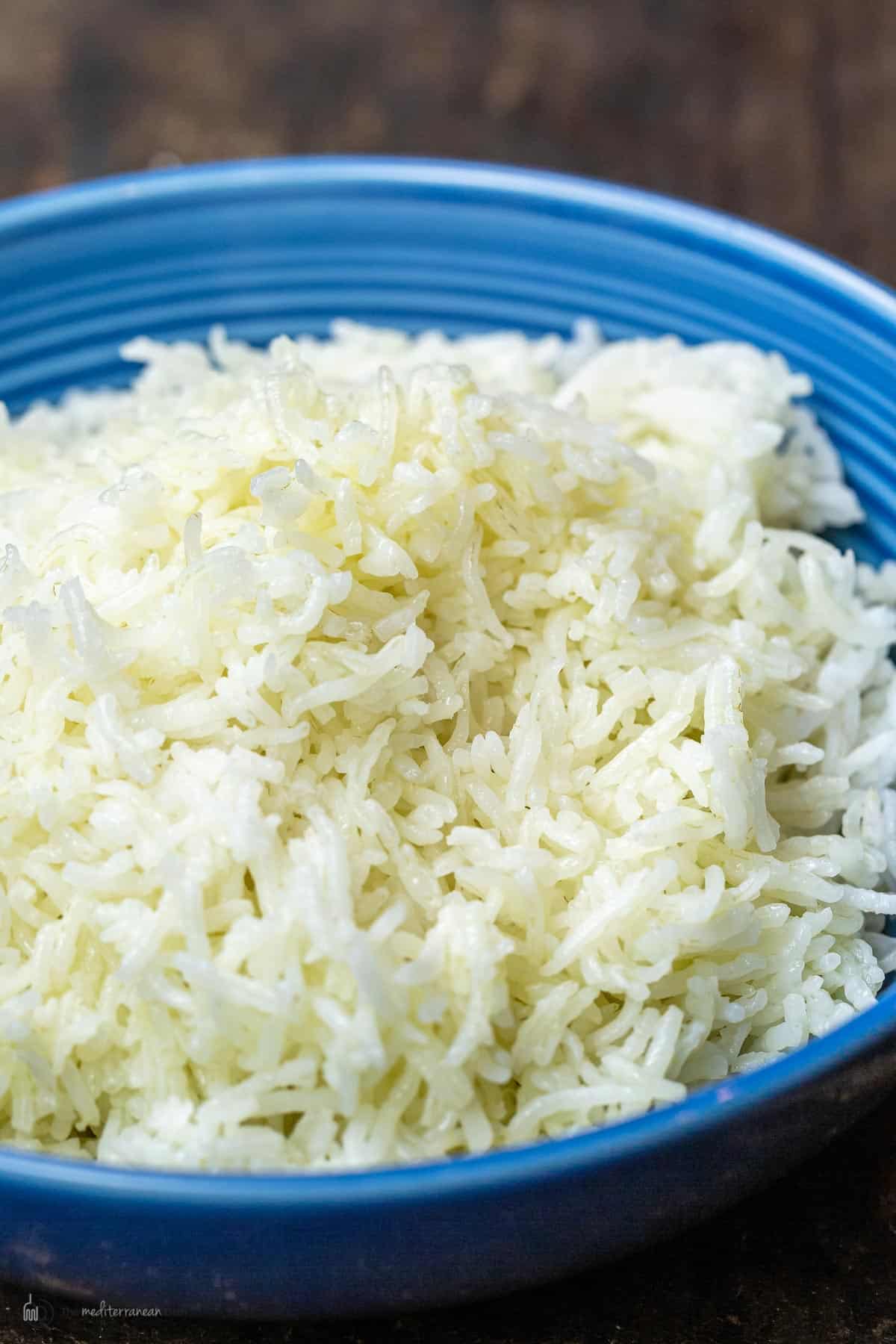
Credit: www.themediterraneandish.com
Enhancing Flavor And Aroma
Basmati rice has a natural fragrance and delicate taste. Enhancing its flavor and aroma makes the dish more enjoyable. Simple steps can turn plain rice into a flavorful side or main dish. Using spices, herbs, and liquids with taste brings out the best in basmati rice.
Adding Spices And Herbs
Add whole spices like cardamom, cloves, and cinnamon to the cooking water. These spices give the rice a warm, inviting scent. Fresh herbs such as cilantro or mint can be mixed in after cooking. They add a fresh, bright note to the rice. Toasting the spices before adding them intensifies their flavor. Small amounts go a long way in enhancing aroma and taste.
Using Broth Instead Of Water
Replace plain water with chicken, vegetable, or beef broth. Broth adds richness and depth to the rice. It infuses each grain with a savory taste that water cannot provide. Warm the broth before cooking to keep the rice texture perfect. This simple swap makes the rice more flavorful and appealing. Choose low-sodium broth to control salt levels in your dish.
Troubleshooting Common Issues
Cooking basmati rice can sometimes bring small problems. These problems might make your rice mushy, sticky, or undercooked. Understanding common issues helps you fix them fast. This section explains how to solve these problems easily.
Fixing Mushy Rice
Mushy rice happens when too much water is used. It makes the grains soft and sticky. To fix mushy rice, spread it out on a tray. Let it cool and dry for a few minutes. You can also cook it on low heat without a lid. This helps steam evaporate and rice to firm up.
Preventing Rice From Sticking
Rice sticks when it is not rinsed well. Rinse basmati rice in cold water until the water runs clear. This removes extra starch that causes stickiness. Use enough water while cooking and stir gently once or twice. Avoid opening the lid often to keep steam inside.
Reviving Undercooked Rice
Undercooked rice feels hard and crunchy. Add a small amount of water to the pot. Cover and cook on low heat for 5 to 10 minutes. This lets the rice absorb water and soften. Fluff the rice gently with a fork before serving.
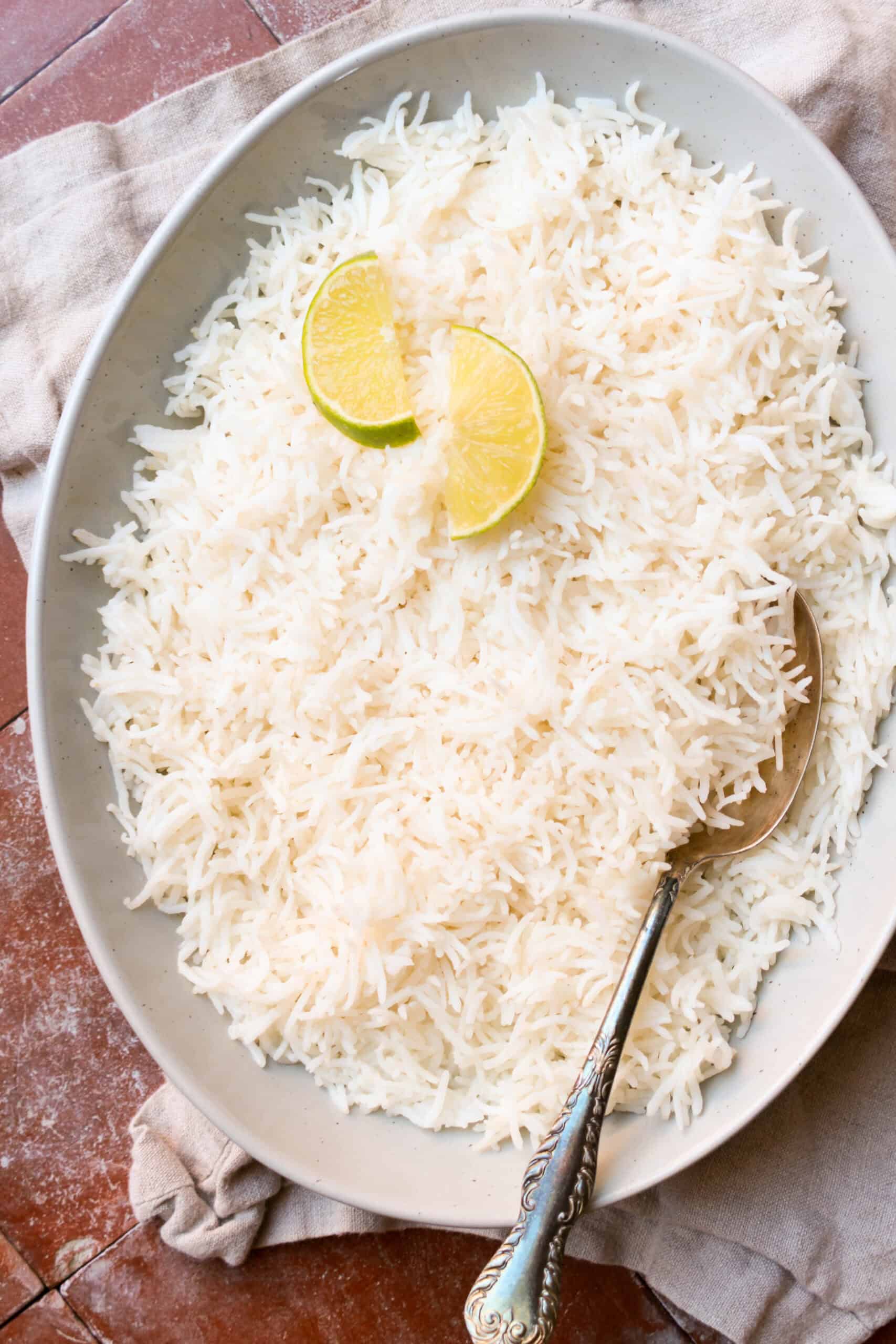
Credit: thewhiskaddict.com
Frequently Asked Questions
How Long Should I Soak Basmati Rice Before Cooking?
Soak basmati rice for 20 to 30 minutes in cold water. This softens the grains and helps them cook evenly. Soaking also reduces cooking time and prevents the rice from breaking. Avoid soaking for more than 30 minutes to maintain texture and flavor.
What Is The Ideal Water-to-rice Ratio For Basmati?
Use a 1. 5:1 water-to-rice ratio for perfectly cooked basmati rice. This means 1. 5 cups of water per 1 cup of rice. Adjust slightly based on the rice brand and cooking method. Too much water makes rice mushy; too little leaves it undercooked.
Should I Rinse Basmati Rice Before Cooking?
Yes, rinse basmati rice under cold water until it runs clear. This removes excess starch and prevents the rice from becoming sticky. Rinsing ensures fluffy, separate grains after cooking and enhances the rice’s natural aroma.
Can I Cook Basmati Rice Without Soaking?
Yes, but soaking improves texture and shortens cooking time. Without soaking, basmati rice may cook unevenly and be less fluffy. Soaking is recommended for the best results but is not mandatory if you’re short on time.
Conclusion
Cooking basmati rice well takes practice and patience. Rinse the rice to remove extra starch. Use the right water-to-rice ratio for fluffy grains. Cook over low heat and let it rest after cooking. Avoid stirring too much to keep grains separate.
These simple steps help you enjoy perfect basmati rice every time. Try different methods to find what suits your taste best. Enjoy your meal with perfectly cooked, fragrant basmati rice.

Hello, This is Annie Walker, a 38-year-old blogger, founder, and editor of Cookware Guider from NY, USA. I am a cookware fanatic and passionate cooker. I love to cook with different types of cooking appliances (example: all types of cookware, rice cookers, slow cookers, etc) almost every day in my kitchen. I love to share my experience with my readers in my blog. Also, I enjoy helping people to solve their problems through my website. You can follow me on Twitter & Pinterest. To know details about my blog please check the about us page.