
Have you ever cooked rice, only to find it still hard and crunchy when you’re ready to eat? It’s frustrating, isn’t it?
You follow the steps, wait patiently, but your rice just won’t turn soft and fluffy like you want. If this sounds familiar, you’re not alone. Understanding why your rice remains tough can save you time, effort, and disappointment in the kitchen.
Keep reading, and you’ll discover simple tricks and common mistakes that might be causing your rice to stay hard—and how you can fix them for perfect rice every time.
Credit: ripeplate.com
Common Causes Of Hard Rice
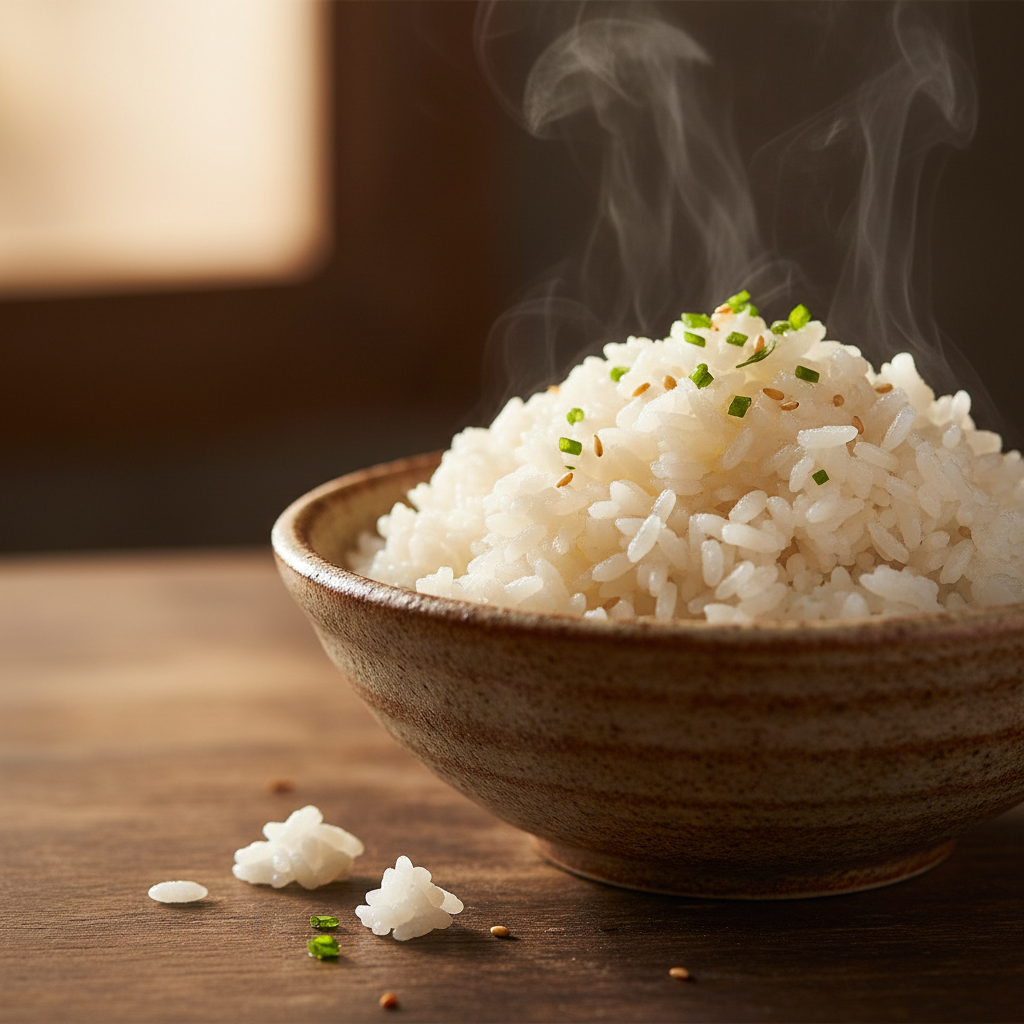
Hard rice after cooking is a common problem many face. This issue often comes from simple mistakes during preparation. Knowing the causes helps fix the problem quickly. Here are some common reasons rice stays hard after cooking.
Insufficient Water
Rice needs enough water to cook fully. Using too little water leaves grains hard and dry. Water softens the rice and helps it cook evenly. Measure water carefully for the best results.
Cooking Time Too Short
Cooking rice for a short time stops it from becoming soft. Rice needs enough time to absorb water and cook inside. Rushing the process leads to undercooked, hard grains. Follow the recommended cooking times.
Incorrect Rice-to-water Ratio
The right rice-to-water ratio is key. Too little water or too much rice causes hardness. Different rice types need different ratios. Adjust the amount of water based on your rice variety.
Using The Wrong Rice Type
Each rice type cooks differently. Some need more water or longer cooking. Using the wrong type can cause hard rice. Check the rice type and follow its cooking instructions carefully.
Poor Quality Rice
Old or poor-quality rice can stay hard after cooking. Rice that is stale or stored badly loses moisture. Fresh, good-quality rice cooks better and becomes soft. Buy fresh rice and store it properly.

Credit: rouxbe.com
Choosing The Right Rice
Choosing the right rice is key to soft, fluffy results. Different types of rice cook differently. Picking the right one helps avoid hard rice after cooking.
Some rice needs more water or time. Others cook quickly and become sticky. Knowing these facts makes cooking easier and tastier.
Differences Between Rice Varieties
Rice comes in many types. Long grain, short grain, basmati, jasmine, and brown rice all have unique textures.
Long grain rice stays separate and fluffy. Short grain rice is stickier and softer. Brown rice takes longer to cook because of its outer layer.
Basmati has a nutty flavor and cooks light and dry. Jasmine rice is more fragrant and slightly sticky. Each type needs different water amounts and cooking time.
Selecting Rice For Your Recipe
Choose rice based on your dish. For salads or pilafs, long grain rice works best. It stays firm and separate.
For sushi or sticky rice dishes, short grain rice is ideal. It clumps together nicely. Brown rice fits healthy meals but needs more cooking time.
Match the rice type with your recipe’s texture and flavor needs. This step helps prevent hard rice and improves your meal’s taste.
Adjusting Water Amounts
Adjusting the amount of water is key to cooking soft and fluffy rice. Too little water leaves rice hard and crunchy. Too much water makes it mushy. Finding the right water amount helps rice cook evenly and absorb moisture well.
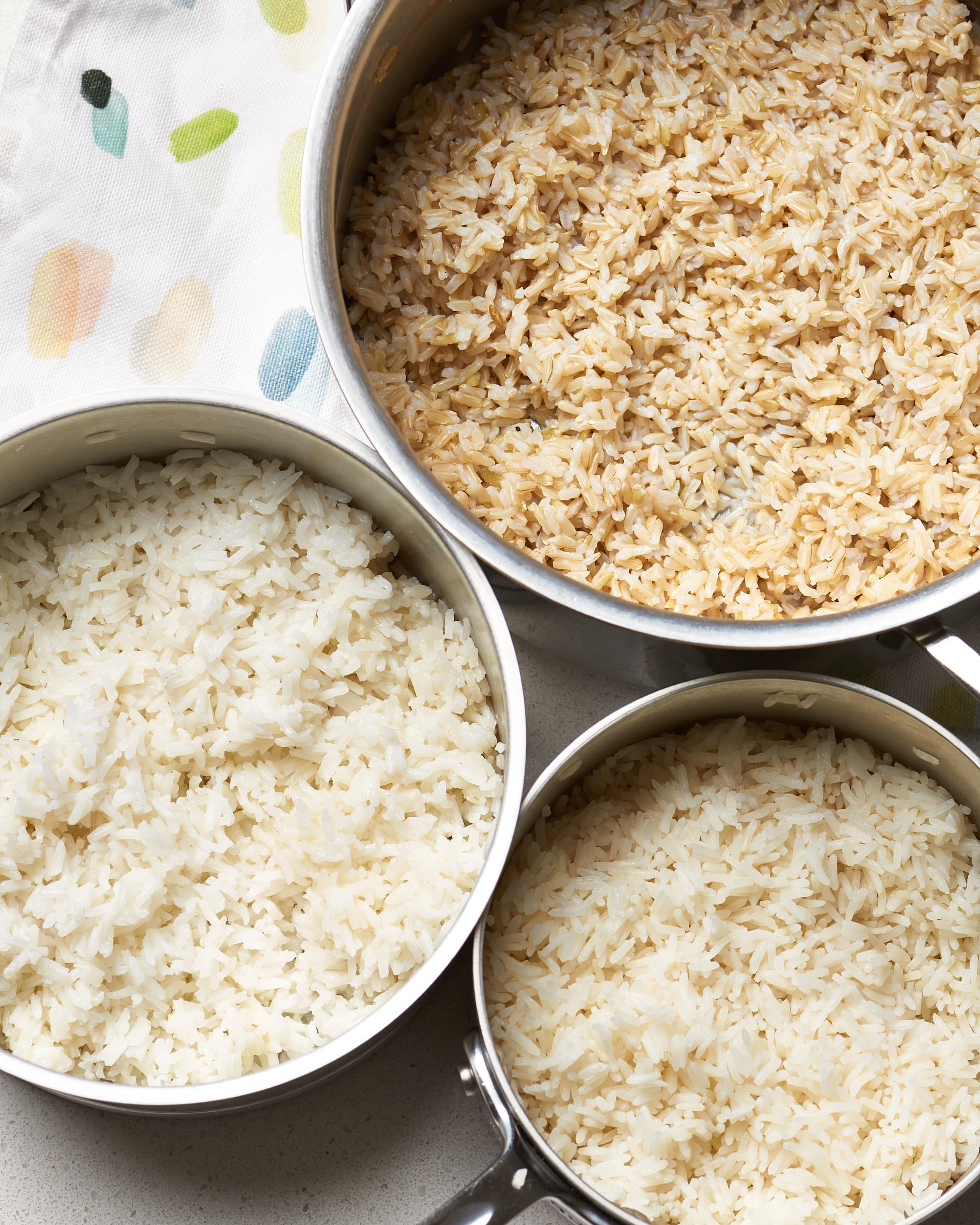
Different types of rice need different water amounts. White rice usually needs less water than brown rice. Measuring water carefully ensures consistent results every time. Small changes in water can change the texture a lot.
How Much Water To Use
Use one and a half to two cups of water for each cup of white rice. Brown rice needs about two to two and a half cups of water per cup of rice. Use less water for softer rice and more for firmer rice. Check the rice package for specific instructions.
Tips For Measuring Water Accurately
Use a clear measuring cup to see the water level easily. Measure water on a flat surface to avoid mistakes. Pour slowly and stop exactly at the line. Avoid guessing or using rough amounts.
Use the same cup for both rice and water to keep ratios correct. This simple step helps maintain balance in cooking. Small errors can cause rice to cook unevenly or stay hard.
Credit: www.thekitchn.com
Perfect Cooking Techniques
Cooking rice perfectly can be tricky. The right technique makes all the difference. Proper cooking ensures soft, fluffy rice every time. Different methods require small changes but the basics stay the same. Water ratio, heat control, and timing are key factors. Follow these tips to improve your rice cooking skills.
Stovetop Methods
Start by rinsing rice under cold water. This removes extra starch and prevents stickiness. Use the right water-to-rice ratio, usually 2:1 for white rice. Bring water to a boil, then add rice and stir once. Lower heat to a simmer and cover tightly. Cook without lifting the lid to keep steam inside. Let rice rest off heat for 10 minutes after cooking. Fluff gently with a fork before serving.
Using A Rice Cooker
Rice cookers simplify the process. Add rinsed rice and water in the correct ratio. Close the lid and press the cook button. The cooker stops automatically when rice is done. Avoid opening the lid during cooking. Let rice sit in the cooker for a few minutes after it switches off. This resting time helps rice finish steaming and softens grains.
Microwave Cooking Tips
Use a microwave-safe bowl with a lid or plastic wrap. Rinse rice and add water in a 2:1 ratio. Cook on high for 10 minutes, then on medium for 15 minutes. Let rice stand covered for 5 minutes after cooking. Do not remove the lid too soon to keep moisture inside. Stir rice gently before serving to separate grains.
Fixing Hard Rice After Cooking
Hard rice after cooking can be frustrating. It often means the rice did not absorb enough water or needed more cooking time. Luckily, you can fix this problem with simple steps. These methods help soften the rice without wasting food or time.
Steaming To Soften Rice
Steaming is a gentle way to soften hard rice. Place the rice in a fine mesh strainer or colander. Set it over a pot of boiling water. Cover with a lid to trap the steam inside. Let it steam for 5 to 10 minutes. Check the rice texture. Repeat if needed until the rice feels soft and tender.
Adding Hot Water And Reheating
Adding hot water can quickly fix hard rice. Put the rice in a microwave-safe bowl. Add a few tablespoons of hot water over the rice. Cover the bowl with a microwave-safe lid or plastic wrap. Heat the rice for 1 to 2 minutes. Stir gently and test the texture. Add more water and heat again if rice stays firm.
Using A Damp Towel Method
This method uses moisture and heat to soften rice. Spread the hard rice evenly on a plate. Dampen a clean kitchen towel with warm water. Lay the damp towel over the rice. Microwave the rice with the towel on top for 1 to 2 minutes. The steam created will help soften the rice grains. Check the rice and repeat if needed.
Preventing Hard Rice In Future
Preventing hard rice in future cooking sessions takes simple but important steps. These help ensure soft, fluffy rice every time. Small changes in how you prepare and cook rice can make a big difference. Here are key tips to keep your rice tender and well-cooked.
Rinsing Rice Before Cooking
Rinse rice under cold water before cooking. This removes extra starch on the surface. Starch can cause rice grains to stick and cook unevenly. Clean rice cooks better and feels lighter in texture. Use a fine sieve or bowl for rinsing. Repeat until the water runs clear.
Letting Rice Rest After Cooking
After cooking, let rice sit covered for 10 minutes. Resting allows moisture to spread evenly inside the grains. This step helps soften rice and prevents hardness. Avoid lifting the lid during this time. Use a clean kitchen towel to cover the pot if needed.
Avoiding Lifting The Lid Too Early
Keep the lid on while rice cooks. Lifting the lid lets steam escape. Steam is essential for cooking rice fully and softly. Opening the lid early causes uneven cooking and hard spots. Trust the cooking time and resist the urge to check too soon.
Frequently Asked Questions
Why Is My Rice Still Hard After Cooking?
Rice may be hard due to insufficient water or cooking time. Using too little water or cooking on too high heat can cause undercooked rice. Make sure to follow the recommended water-to-rice ratio and cook until the rice is tender.
How Can I Fix Hard Rice After Cooking?
Add a few tablespoons of water, cover the pot, and steam for 5-10 minutes. This helps soften the rice without overcooking. Avoid stirring too much, as it can make rice mushy.
Does Rinsing Rice Affect Its Cooking Texture?
Rinsing removes excess starch, preventing rice from becoming sticky. However, rinsing also removes some surface moisture, which may slightly increase cooking time. Rinse rice until water runs clear for best results.
Can Cooking Temperature Cause Hard Rice?
Yes, cooking rice at too high a temperature can dry it out quickly, leaving it hard inside. Use medium or low heat for even cooking and better texture.
Conclusion
Rice can stay hard for many simple reasons. Too little water or short cooking time are common causes. Stirring rice too much can stop it from cooking well. Using the right pot with a tight lid helps steam the rice perfectly.
Adjusting heat and cooking time matters a lot. With patience and practice, soft rice becomes easy to make. Keep trying these tips to enjoy fluffy, tender rice every time. Cooking rice well is a small skill that improves with each meal.

Hello, This is Annie Walker, a 38-year-old blogger, founder, and editor of Cookware Guider from NY, USA. I am a cookware fanatic and passionate cooker. I love to cook with different types of cooking appliances (example: all types of cookware, rice cookers, slow cookers, etc) almost every day in my kitchen. I love to share my experience with my readers in my blog. Also, I enjoy helping people to solve their problems through my website. You can follow me on Twitter & Pinterest. To know details about my blog please check the about us page.