
Are you tired of ending up with rice that’s either too mushy or too dry? Getting the perfect rice every time comes down to one simple thing: the right ratio of rice to water.
But what exactly is the ratio to cook rice perfectly? Whether you’re making fluffy basmati, sticky sushi rice, or everyday white rice, knowing this key measurement can change your cooking game completely. Keep reading, and you’ll discover the easy tricks to master rice cooking and impress everyone at your table.

Credit: www.esseg.eu
Rice Types And Their Ratios
Different types of rice need different water ratios for cooking. Using the right ratio helps rice cook evenly and taste great. Each rice type absorbs water differently. Understanding these ratios avoids mushy or dry rice.
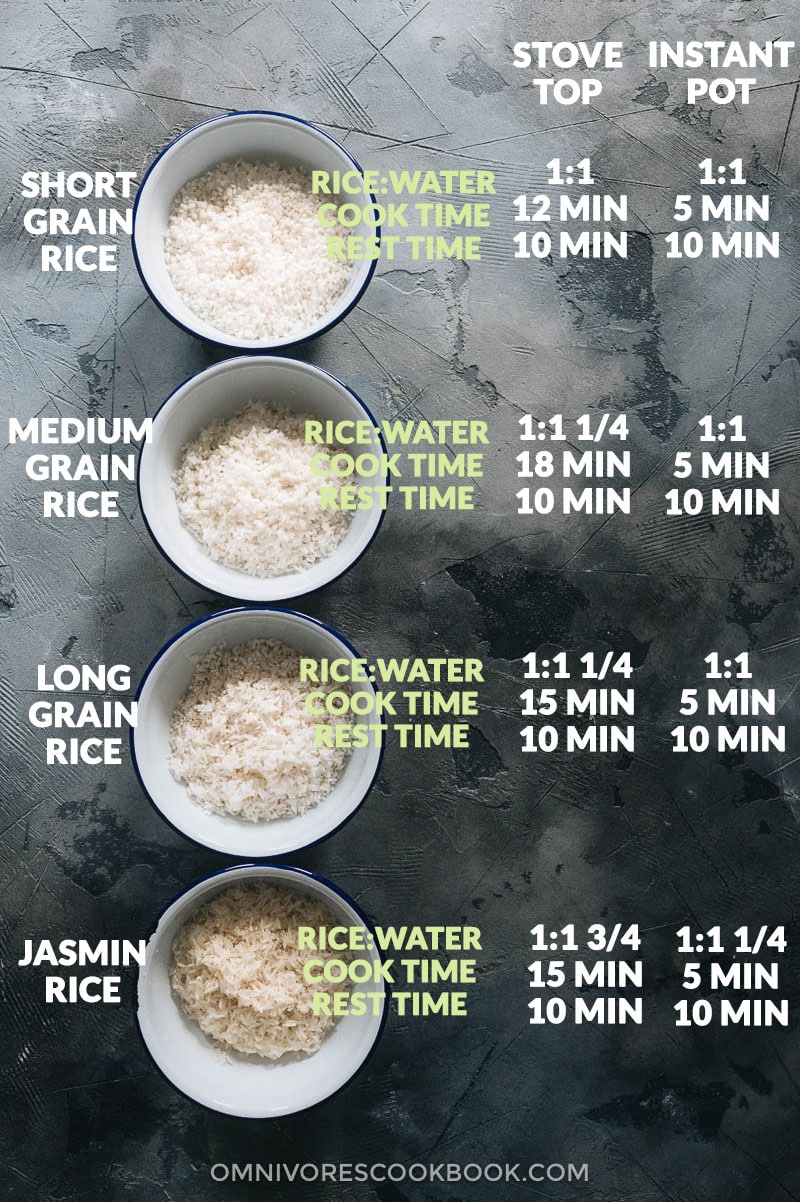
Long Grain Rice
Long grain rice is fluffy and separate when cooked. Use 1 cup of rice to 2 cups of water. This ratio keeps grains firm and light. Rinse rice before cooking to remove extra starch.
Short Grain Rice
Short grain rice is sticky and soft. Use 1 cup of rice to 1 ¼ cups of water. This ratio creates a tender, slightly sticky texture. Perfect for sushi or rice bowls.
Basmati Rice
Basmati rice has a nutty aroma and long grains. Use 1 cup of rice to 1 ½ cups of water. This ratio keeps grains separate and fluffy. Soaking basmati rice for 20 minutes helps too.
Jasmine Rice
Jasmine rice is fragrant and slightly sticky. Use 1 cup of rice to 1 ½ cups of water. This ratio gives soft, moist rice. Rinsing jasmine rice before cooking improves texture.
Water To Rice Ratios
Water to rice ratios are key for perfect rice every time. The right amount of water makes rice soft and fluffy. Too much water makes it mushy. Too little water leaves it hard and dry. Different cooking methods need different water amounts. Learn these ratios to cook rice well.
Standard Ratio For Stovetop Cooking
The common ratio for stovetop rice is 2 cups water to 1 cup rice. This works for white rice. Brown rice needs more water, about 2.5 cups per cup rice. Use a pot with a tight lid. Boil water, add rice, cover, simmer low until water is gone. Let sit covered for 5 minutes.
Adjustments For Soaking
Soaking rice reduces cooking time. If you soak rice for 20-30 minutes, use less water. For white rice, use 1.5 cups water per cup soaked rice. Soaking helps grains cook evenly and become softer. Do not soak brown rice too long; it can become mushy.
Ratios For Rice Cookers
Rice cookers simplify water ratios. Most rice cookers suggest 1.5 cups water per cup white rice. For brown rice, use 2 cups water. Follow the rice cooker’s instructions for best results. Rice cookers adjust heat automatically, so water ratio is key.
Ratios For Instant Pots
Instant Pots need less water than stovetop. Use 1 to 1.25 cups water per cup white rice. For brown rice, use 1.25 to 1.5 cups water. Pressure cooking seals moisture, so less water is needed. Let the pressure release naturally for best texture.
Measuring Rice And Water
Measuring rice and water correctly is key to cooking perfect rice. The right ratio makes rice fluffy and not mushy. Understanding how to measure both helps avoid watery or dry rice. Use simple tools and methods for best results.
Using Standard Measuring Cups
Standard measuring cups make measuring easy and consistent. Use the same cup for both rice and water to keep the ratio correct. For most types of rice, use one cup of rice to two cups of water. Pour carefully to avoid spilling and maintain accuracy.
Weight Vs Volume Measurements
Volume measures how much space rice takes, weight measures how heavy it is. Weight is more accurate because rice grains vary in size. For example, 1 cup of rice weighs about 180 grams. Using a kitchen scale gives better control over rice texture.
Tips For Accurate Measurement
Level off rice and water in the measuring cup for precise amounts. Avoid packing rice down; keep it loose for true measurement. Use clear containers and good lighting to see levels easily. Measure ingredients on a flat surface to reduce errors.
Credit: www.ameelectrical.co.uk
Cooking Techniques For Fluffy Rice
Cooking fluffy rice is about technique and care. Small steps can change the texture and taste. Using the right water-to-rice ratio is important, but how you cook matters just as much. Follow these techniques for soft, separate grains every time.
Rinsing And Soaking Rice
Rinse rice under cold water until the water runs clear. This removes extra starch that makes rice sticky. Soak the rice in water for 20 to 30 minutes. Soaking helps grains absorb water evenly and cook better.
Simmering And Resting
Bring water and rice to a boil, then reduce to low heat. Cover tightly with a lid to trap steam. Simmer gently without stirring to avoid breaking grains. After cooking, let rice rest covered for 10 minutes. This lets moisture spread evenly inside the rice.
Avoiding Common Mistakes
Do not lift the lid while rice cooks. This releases steam and affects texture. Avoid using too much water; it makes rice mushy. Stirring rice during cooking causes clumps and breaks grains. Use a timer to cook rice precisely every time.
Adjusting Ratios For Different Dishes
Rice cooking ratios vary depending on the dish you want to prepare. Different recipes need different textures and moisture levels. Adjusting the water-to-rice ratio helps achieve perfect results. This section covers common adjustments for popular rice dishes.
Sticky Rice Variations
Sticky rice needs less water than regular rice. Use about 1 cup of water for 1 cup of sticky rice. This ratio keeps the rice clumped and chewy. Soaking the rice before cooking also improves stickiness. Perfect for sushi or Asian meals.
Pilaf And Fried Rice
Pilaf and fried rice require fluffy, separate grains. Use 1.5 cups of water for 1 cup of rice. Cook the rice until dry and cool it before frying. This method avoids mushy rice and helps the grains stay firm. Ideal for flavorful, textured dishes.
Rice For Soups And Porridge
Soups and porridge need soft, almost broken rice. Use 3 to 4 cups of water for 1 cup of rice. More water makes the rice watery and creamy. This ratio suits rice porridge or thick soups. Stir occasionally to prevent sticking.

Credit: instantpot.co.uk
Frequently Asked Questions
What Is The Ideal Water To Rice Ratio?
The ideal ratio is usually 2 cups of water for 1 cup of white rice. Brown rice needs about 2. 5 cups of water per cup. This ratio ensures fluffy, perfectly cooked rice every time.
How Does Rice Type Affect Cooking Ratio?
Different rice types absorb water differently. White rice requires less water, while brown and wild rice need more. Adjust water quantities based on the rice variety to achieve the best texture.
Can I Use Less Water To Cook Rice Faster?
Using less water can speed cooking but may result in undercooked or burnt rice. Stick to recommended ratios for even cooking and soft grains.
How To Adjust Rice Ratio For Stovetop Cooking?
For stovetop cooking, use the standard ratio of 2:1 water to rice for white rice. Reduce water slightly if you prefer firmer rice. Cooking times may vary with heat settings.
Conclusion
Rice cooks best with the right water-to-rice ratio. Use one cup of rice to two cups of water for white rice. Brown rice needs a bit more water, about two and a half cups per cup of rice. Measure carefully for fluffy, not mushy rice.
Stir gently and let it simmer on low heat. Perfect rice makes any meal better. Practice a few times to find your ideal texture. Simple steps lead to tasty results every time.

Hello, This is Annie Walker, a 38-year-old blogger, founder, and editor of Cookware Guider from NY, USA. I am a cookware fanatic and passionate cooker. I love to cook with different types of cooking appliances (example: all types of cookware, rice cookers, slow cookers, etc) almost every day in my kitchen. I love to share my experience with my readers in my blog. Also, I enjoy helping people to solve their problems through my website. You can follow me on Twitter & Pinterest. To know details about my blog please check the about us page.